
Film
Lone Wolf and Cub: Sword of Vengeance
This is where the samurai-revenge genre found its most durable image: a disgraced executioner pushing a wooden baby cart across feudal Japan, blade hidden inside, blood erupting in wide crimson fans whenever he opens it. Adapted from Kazuo Koike's manga, it's brutal, stylised and strangely tender — a father grieving through violence. Fast, blunt, mythic; watch it for the choreography and the sorrow underneath it, not for subtlety.
If you liked this
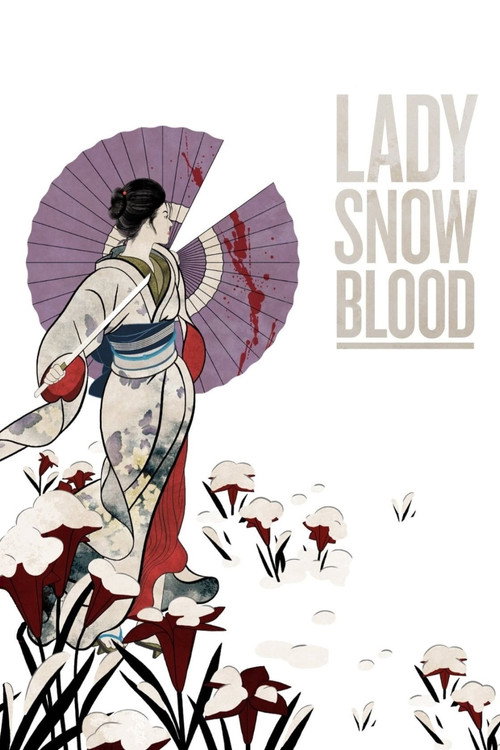
Lady Snowblood1973
Written by the same manga creator, Kazuo Koike, this is the icy female mirror of Ogami Itto — a woman raised for one purpose, revenge, told through the same gorgeous, blood-drenched set pieces that later inspired Kill Bill.
But Even more operatic and less interested in restraint; if Lone Wolf's grief felt real to you, this one leans harder into pure myth.
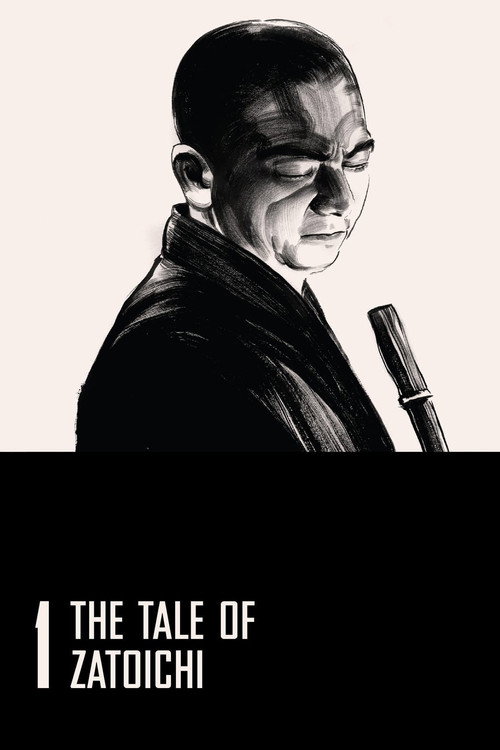
The Tale of Zatoichi1962
Tomisaburō Wakayama's own brother, Shintaro Katsu, plays the blind swordsman here — warmer and funnier than Ogami Itto but every bit as lethal, and the film that launched a franchise of its own.
But Gentler pacing and a lighter tone throughout; the comedy and warmth might feel soft after Lone Wolf's cold fury.
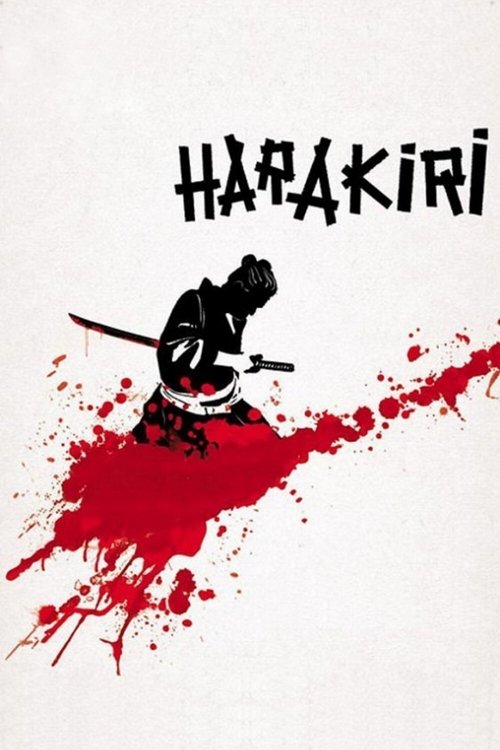
Harakiri1962
The genre's most devastating film about honour as a lie the powerful tell the powerless. Slower and far more formally controlled than Lone Wolf, but the rage underneath is just as total.
But Talky, deliberate, and builds for an hour before it erupts — a real test of patience if you came for swordplay.
The wildcard
Something you would not have found on your own.
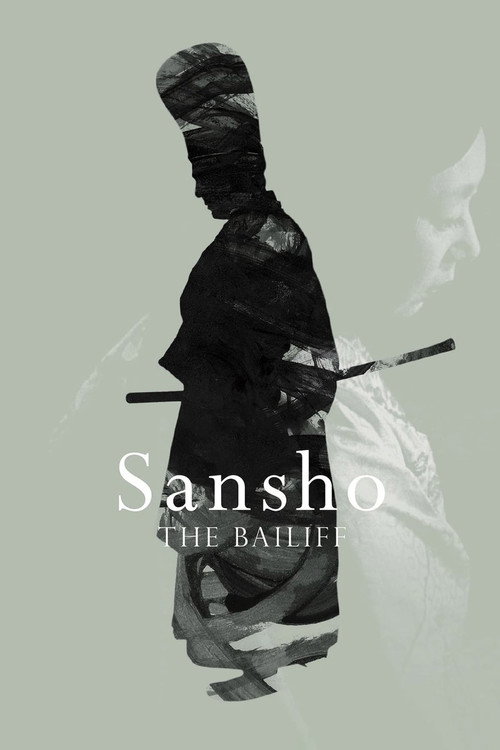
Sansho the Bailiff1954
Same feudal-era machinery grinding down a parent and child, but where Lone Wolf answers cruelty with a blade, Sansho answers it with sorrow — the tragic ancestor to the revenge myth.
Mizoguchi's devastating classic about a family torn apart by feudal cruelty, where children are sold into slavery and a mother's love becomes a decades-long act of endurance rather than revenge.
But No swordplay, no spectacle — this is slow, formal, deeply sad cinema that asks for patience and gives grief instead of catharsis.
More like this (8)
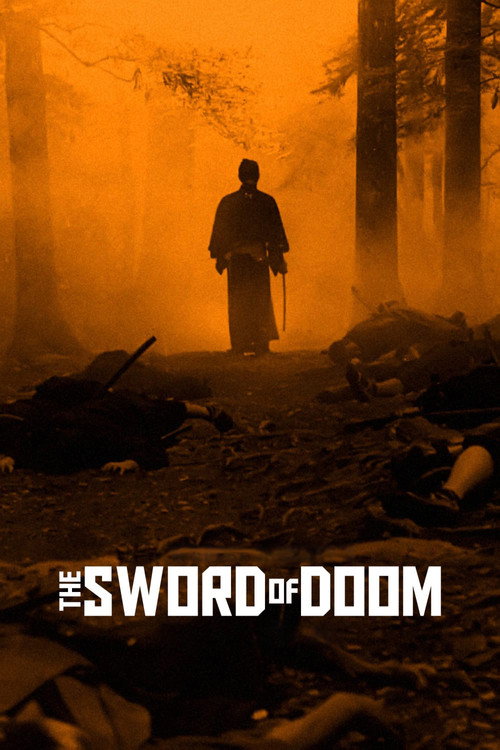
The Sword of Doom1966
A nihilistic study of a swordsman with no code at all, brilliant and irredeemable, shot with the same austere elegance. It's the genre's darkest mirror to Ogami Itto's fallen honour.
But Deliberately unresolved and bleak almost to the point of cruelty; there's no catharsis waiting at the end.
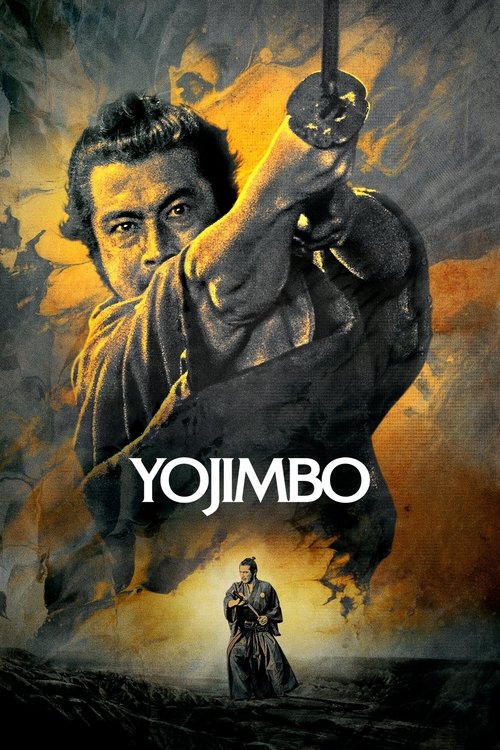
Yojimbo1961
Kurosawa's wandering ronin is wittier and more playful than Ogami Itto but cuts from the same cloth — a masterless swordsman navigating corruption with a blade and a shrug.
But Far more comic and talky than Lone Wolf; the violence here is sudden punctuation, not the main event.
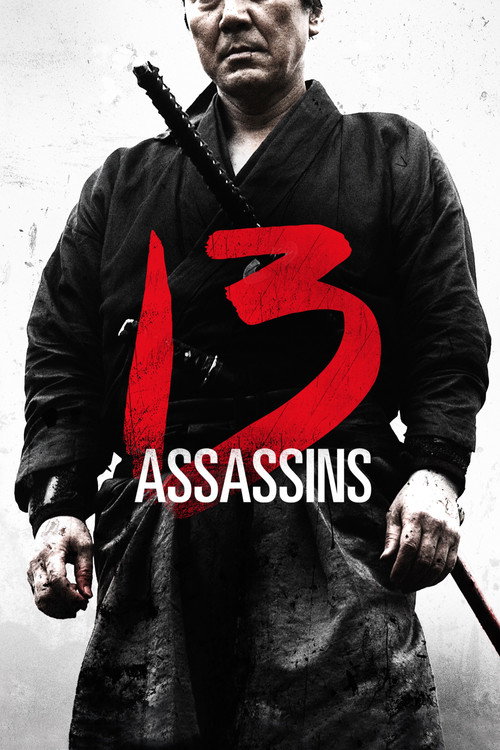
13 Assassins2010
Takashi Miike's brutal, meticulously staged epic builds toward one of the great extended swordfights in the genre — a spiritual heir to the era's cruelty and craft, filtered through modern gore.
But The first half is slow, procedural planning before the violence arrives; patience required for the payoff.
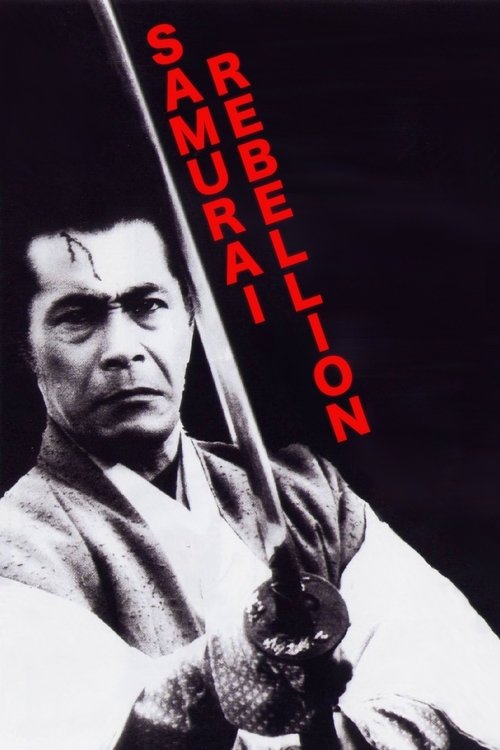
Samurai Rebellion1967
Another Toshiro Mifune performance about a man pushed by an unjust lord into open, hopeless defiance — quieter than Lone Wolf but building to the same lonely, doomed last stand.
But More domestic drama than action for most of its runtime; the violence is reserved for a final explosive stretch.
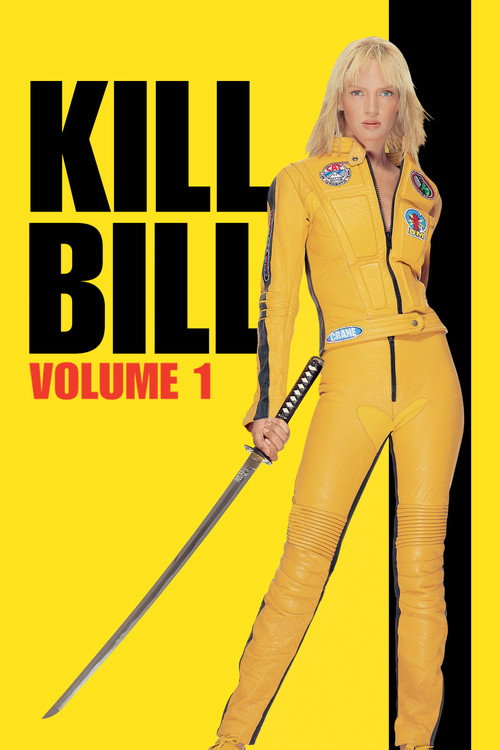
Kill Bill: Vol. 12003
Tarantino's blood-soaked love letter borrows Lone Wolf's visual grammar wholesale — the cart, the gouts of arterial spray, the single-minded revenge structure — and turns it up to eleven with glee.
But Knowingly cartoonish and referential where the original is sincere; if you want myth played straight, this is myth played as remix.
Sword of the Beast1965no page yet
A lesser-known gem about a disgraced samurai on the run, morally grey and visually stark, with the same sense of a man discarded by the system he once served.
But Smaller-scale and less iconic than the others here; it's a quieter, more melancholy watch with less spectacle.
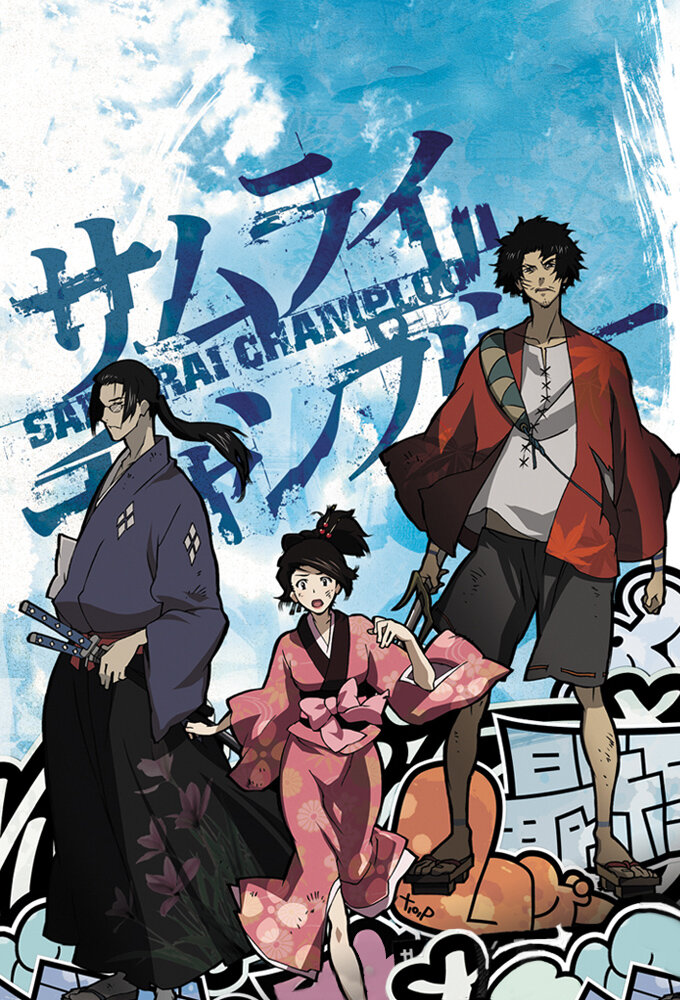
Samurai Champloo2004
The same wandering-swordsman-with-a-dependent structure, transplanted into a different medium and a wildly different register — a descendant that treats the myth as something to play with rather than mourn.
An anime series about a wandering ronin, a girl he's protecting, and a hip-hop score that treats Edo Japan like a playground — irreverent, gorgeously animated, and surprisingly moving underneath the swagger.
But The anachronistic soundtrack and jokey tone are a hard swerve from Lone Wolf's grim solemnity; some will find it flippant.
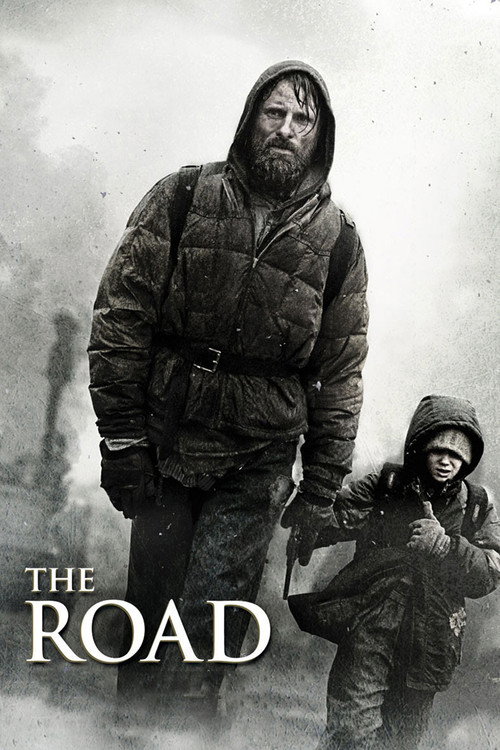
The Road2009
Strip away the samurai iconography and you find the same core: a parent who has made himself a weapon, purely because the world offers his child no other protection.
A father and young son cross a burned-out America, the father capable of terrible violence solely to keep the boy alive — the same bond, the same moral weight, none of the swordplay.
But Grim, slow, and almost entirely without action; this is dread and tenderness stretched thin, not spectacle.
People
Cast
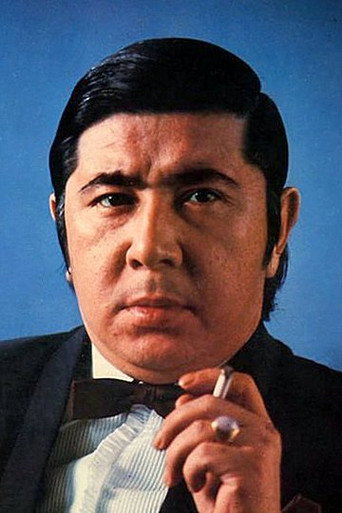 Tomisaburō WakayamaOgami Itto
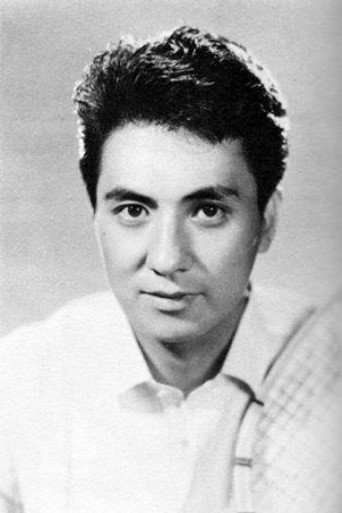 Fumio WatanabeBizennokami Yagyû
 Tomoko MayamaOsen
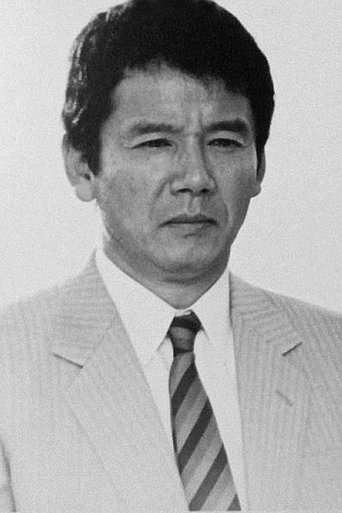 Shigeru TsuyuguchiKurando Yagyû
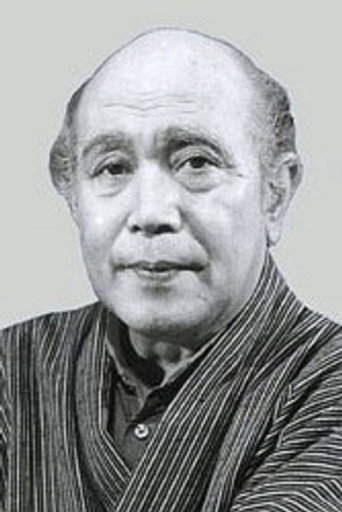 Asao UchidaKenmotsu Sugito
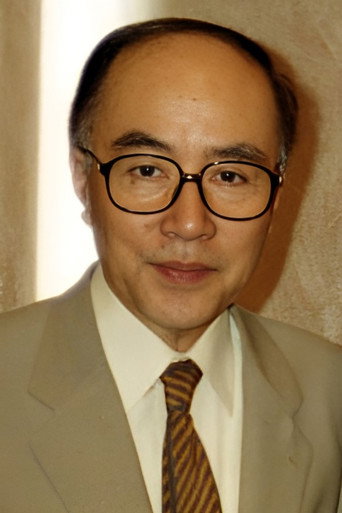 Taketoshi NaitōIchige Gyobu
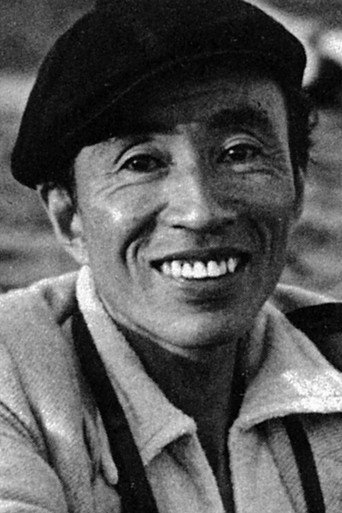 Yoshi KatōDanjô Tonami
 Reiko KasaharaCrazy Woman
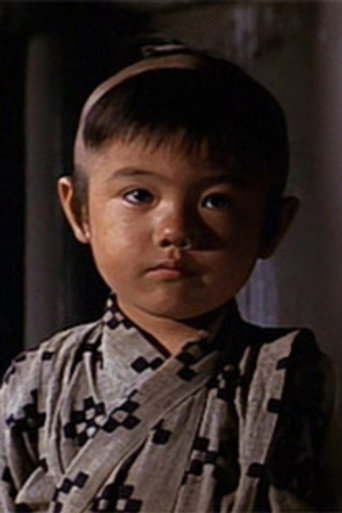 Akihiro TomikawaOgami Daigoro
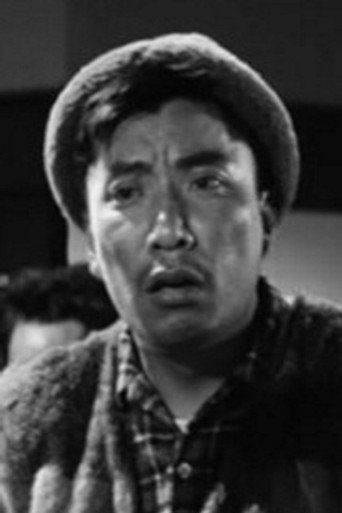 Kōji SekiyamaKanbei
- Teruo MatsuyamaMonnosuke
- Shunya WazakiHorii
Directing
- Mitsuaki TsujiAssistant Director
- Kenji MisumiDirector
Writing
- Goseki KojimaComic Book
- Kazuo KoikeComic Book
- Kazuo KoikeScreenplay
Production
- Hisaharu MatsubaraProducer
- Shintarō KatsuProducer
Recommended by
The Mandalorian, 13 Assassins, Demon Slayer, Sword of the Stranger, Lady Snowblood, Harakiri, The Tale of Zatoichi, The Mandalorian and Grogu, The Sword of Doom, Vampire Hunter D: Bloodlust, Blue Eye Samurai, Rurouni Kenshin Part I: Origins