
Film
Samurai Assassin
A 1965 Kurosawa collaborator's taut political thriller set during Japan's tumultuous 1860s. Mifune plays a ronin entangled in a clan's assassination plot against a shogunate official. Deliberately paced, morally ambiguous, and visually austere—this is samurai cinema interested in ideology and consequence, not swordplay spectacle.
Should you watch it?
Watch it if you love period films where the tension comes from who will move first and why, and where a sharp, unsentimental hero carries the moral ambiguity of political violence.
Skip it if you want swordplay as spectacle or a brisk pace, since much of the running time goes to talk and waiting before the fighting finally breaks loose.
What it asks of you: Long stretches of waiting in cold quiet, talk that circles before anything moves, and a grim, unhurried mood that rarely lifts across its two hours.
Not sure? Find tonight's pick in a minute.
If you liked this
Harakiri1962
Masaki Kobayashi's masterpiece about ritual suicide and clan honour. Like Samurai Assassin, it strips samurai mythology bare and examines the human cost of rigid codes. Formally stunning and devastating.
But Structurally complex with nested flashbacks that demand attention. The emotional weight is oppressive—this is not cathartic, it's corrosive.

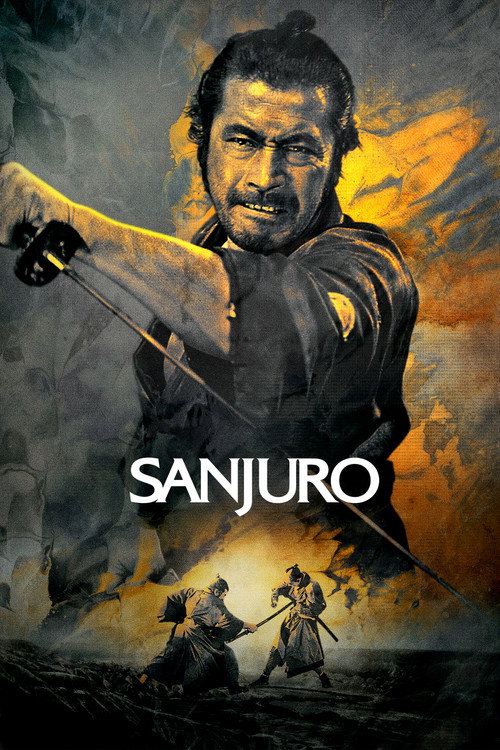
Sanjuro1962
Kurosawa's own reckoning with samurai codes and political violence. A group of warriors navigate loyalty, betrayal, and the corruption of power. More direct action than Samurai Assassin but sharing its moral murk.
But The ending is controversial and divisive. Some read it as a critique; others find it tasteless. It has dated less gracefully than Kurosawa's other work.
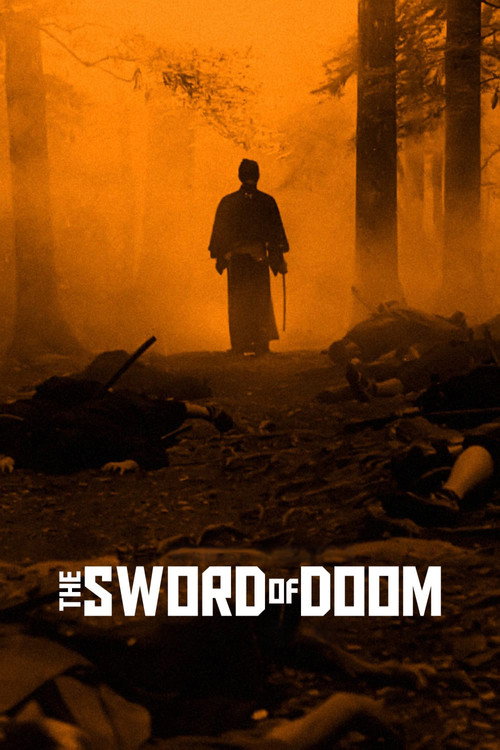
The Sword of Doom1966
Tatsuya Nakadai as a sociopathic swordsman drifting through the end of the samurai era. Bleak, fragmentary, visually radical. Asks what happens when a warrior has no code left to break.
But The narrative is deliberately fragmented and elliptical. There's no redemptive arc. Some sequences feel more like a mood piece than a story.
Not sure tonight? Get a pick in a minute, starting from Samurai Assassin
The wildcard
Something you would not have found on your own.
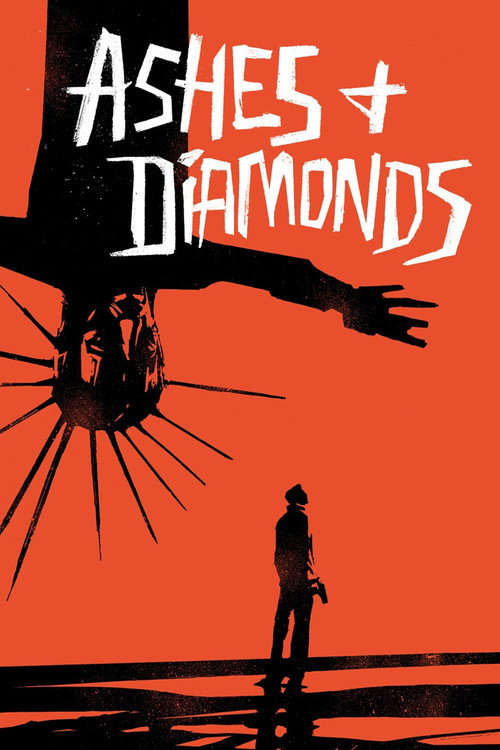
Ashes and Diamonds1958
Both examine assassination and political violence as moral catastrophe rather than heroism. Both protagonists are caught between dying systems and unclear futures.
Andrzej Wajda's Polish masterpiece about a young assassin's last night before the new regime takes power. Same ideological DNA as Samurai Assassin—a man caught between codes that no longer hold. Post-war Eastern Europe instead of feudal Japan, but the moral paralysis is identical.
But Black and white, subtitled, glacially paced. The politics are specifically Polish; some context helps. Not a film that offers easy emotional release.
More like this (8)
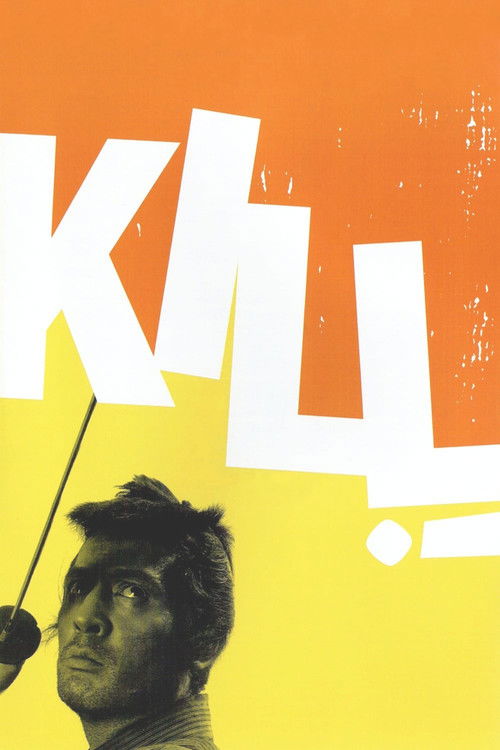
Kill!1968
Kihachi Okamoto's savage satire of samurai-film tropes. Two ronin stumble into a village's power struggles. Darkly funny, violent, and structurally inventive—it deconstructs the genre from inside.
But The tonal shifts can feel jarring if you're expecting straight tragedy or action. The satire requires some familiarity with samurai conventions to land.
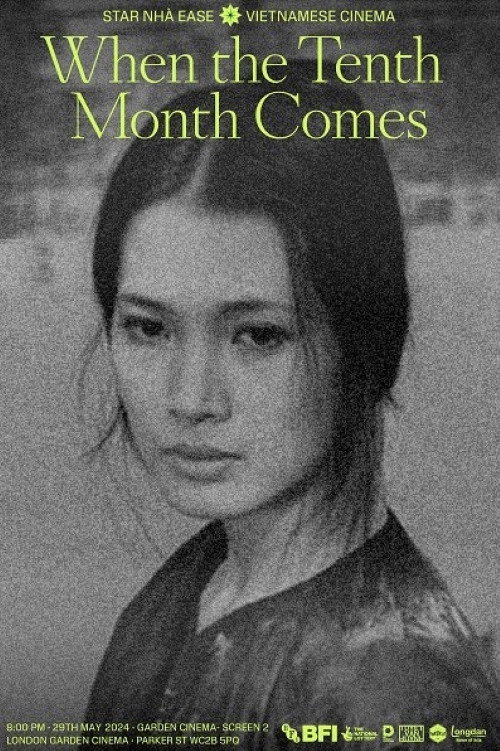
When the Tenth Month Comes1984
A quieter, character-driven study of a samurai clan during transition. Political intrigue without spectacle. If you loved the ideological weight of Samurai Assassin, this offers similar intellectual engagement with less melodrama.
But Genuinely slow. Long takes, minimal scoring, scenes that breathe without rushing. Not everyone's patience.
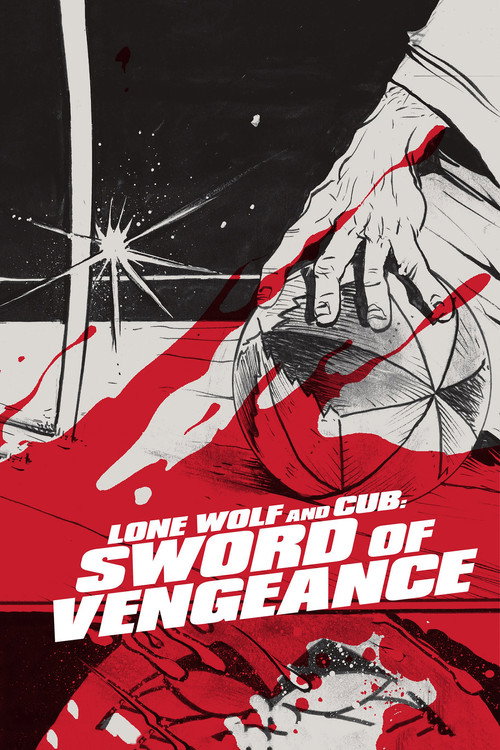
Lone Wolf and Cub: Sword of Vengeance1972
Etsushi Takahashi's stark film about a masterless swordsman and the cost of violence. Minimal dialogue, maximum dread. Feels like a companion piece to Samurai Assassin's interest in complicity and consequence.
But The pacing is glacial and the narrative is sparse. If you need plot momentum or character warmth, you'll feel adrift.
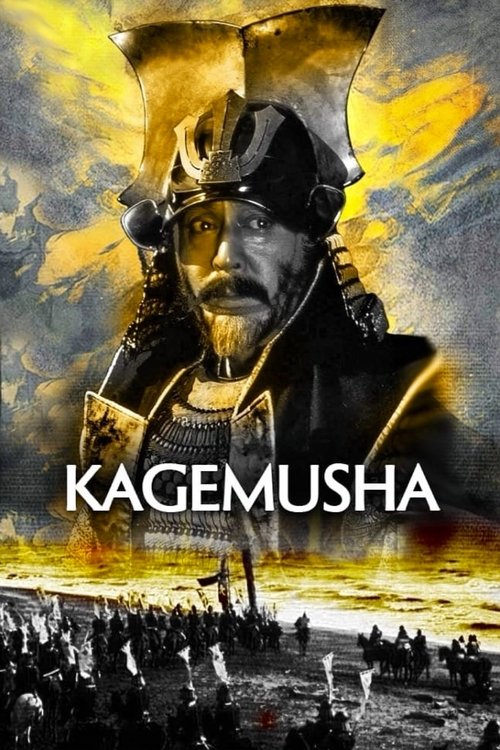
Kagemusha1980
Kurosawa's meditation on identity and political power during the Sengoku period. A commoner impersonates a dead warlord. Explores how ideology and appearance prop up systems of control—thematically rich.
But It's a long film with sequences of pure spectacle that some find indulgent. The political themes matter more than the character arcs.
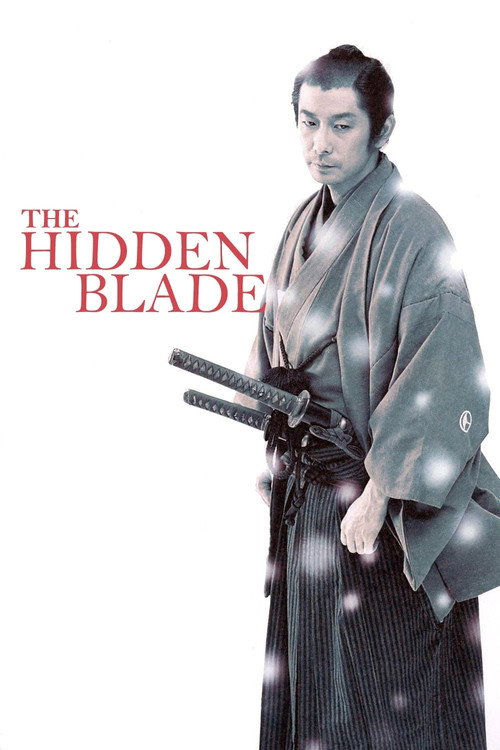
The Hidden Blade2004
Masaki Kobayashi's elegiac final film about a samurai during the Meiji Restoration. Tender, elegiac, concerned with what's lost when a world ends. Politics matter, but so does human connection.
But A period film made in 2004 by an aging director—it can feel antiquated in pacing and sensibility. The romance subplot feels delicate to the point of evasion for modern tastes.
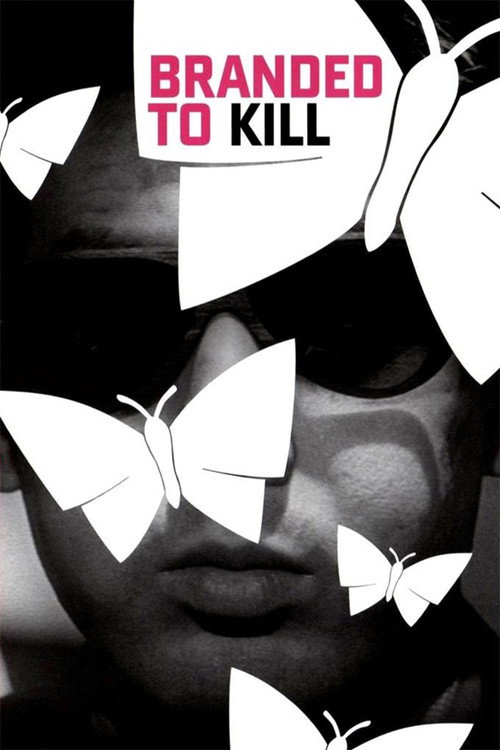
Branded to Kill1967
Seijun Suzuki's wildly experimental yakuza film. A hitman becomes the target. Surreal, violently stylised, formally daring. Proves that genre cinema could be formally radical in 1960s Japan.
But It's genuinely strange and difficult. The plot is secondary to visual and thematic abstraction. If you want clarity, you won't find it.
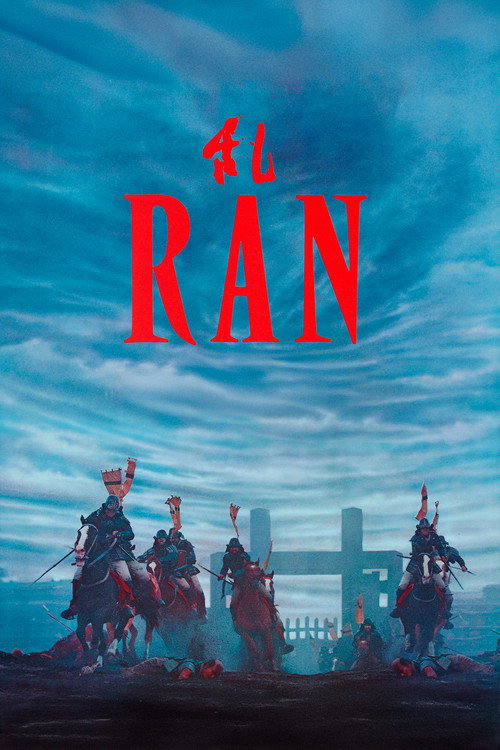
Ran1985
Mifune's last years; Nakadai in his prime. Both films use historical Japan to ask what happens to men who've built their identities on authority.
Kurosawa's final masterpiece: King Lear in Sengoku Japan, with Mifune's spiritual heir (Tatsuya Nakadai) as the aging lord. Vast in scope but intimate in its study of power's corruption. The visual language is operatic; the philosophy is Buddhist.
But Nearly three hours and dense with layers. Demands multiple viewings to fully process. Some find Kurosawa's late style—all colour and artifice—alienating rather than moving.
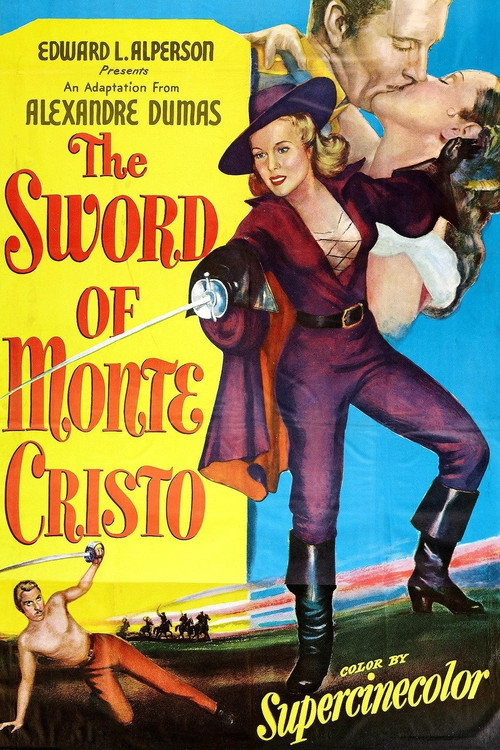
The Sword of Monte Cristo1951
Both films use assassination as the engine for exploring what loyalty and honour actually cost. But where Samurai Assassin is spare and philosophical, this swoons and gestures—same theme, opposite register.
An Italian pulp-historical adventure about a vengeful aristocrat and a political assassination. Wildly melodramatic, gorgeously shot, utterly strange. A Western European tradition's take on 'assassin entangled in clan politics'—less austere but equally baroque.
But It's a B-movie production values with A-movie ambitions. The plot is labyrinthine and occasionally nonsensical. Requires appetite for mid-century European pulp aesthetics.
People
Cast
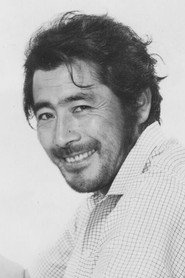 Toshirō MifuneTsuruchiyo Niiro
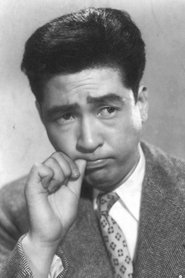 Keiju KobayashiEinosuke Kurihara
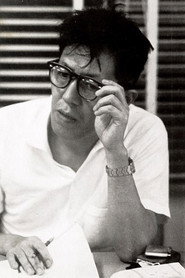 Yūnosuke ItōKenmotsu Hoshino
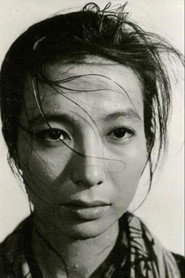 Michiyo AratamaOkiku / Princess Kiku
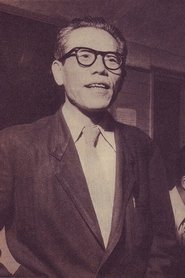 Eijirō TōnoMasagorō Kisoya
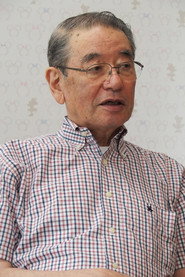 Tatsuyoshi EharaIchigorō Hayama
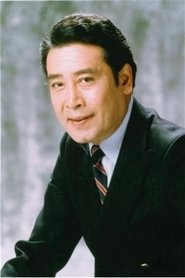 Tadao NakamaruShigezo Inada
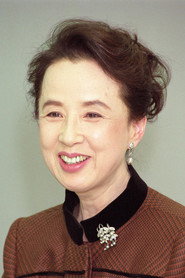 Kaoru YachigusaMitsu
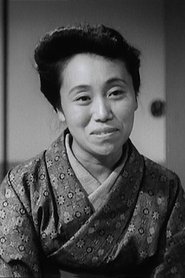 Haruko SugimuraTsuru
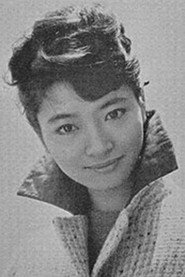 Nami TamuraYae
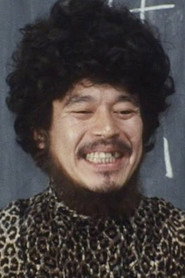 Shirō ŌtsujiKaname Kojima
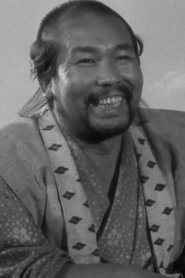 Yoshio InabaKeijiro Sumita
Directing
- Michio YamamotoAssistant Director
- Kihachi OkamotoDirector
Writing
- Jirōmasa GunjiBook
- Shinobu HashimotoScreenplay
Production
- Tomoyuki TanakaProducer