
Film
The Flying Guillotine
A 1975 Hong Kong martial arts film where a disillusioned imperial guard flees the Emperor's paranoid reign of terror, only to face the regime's horrifying new weapon: a thrown blade that decapitates from distance. Gorgeously brutal, inventively choreographed action mixed with genuine pathos. For fans of kung fu cinema who want something stranger and darker than the usual fare.
Should you watch it?
Watch it if you enjoy blunt, pulpy kung fu built around a single outlandish gadget, where the set pieces are the point and the courtly paranoia is delivered with a straight face.
Skip it if you want slick modern choreography or a tight plot; the 1970s staging is rough, the middle stretches out, and the sweeping emperor politics are thin.
What it asks of you: At 105 minutes it lingers on quiet domestic scenes before the blades arrive, so expect a slow simmer broken by sudden, brutal bursts.
Not sure? Find tonight's pick in a minute.
If you liked this
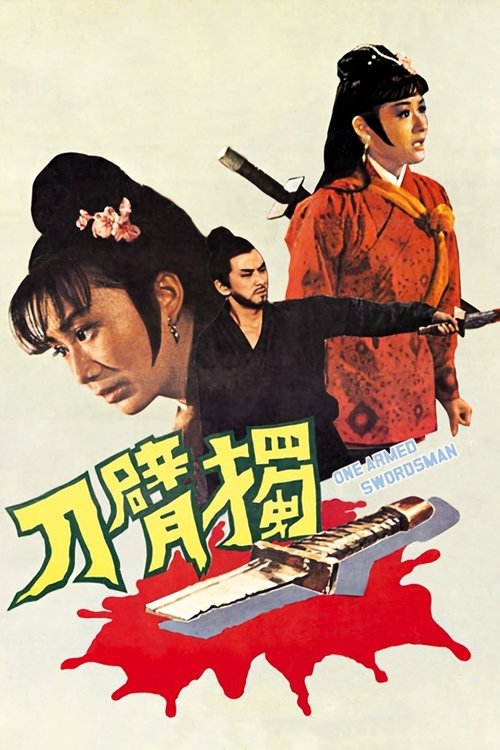
The One-Armed Swordsman1967
Jimmy Wang Yu's seminal martial arts classic established the template: a wronged hero, a vivid disability, stylised violence that builds from intimate to operatic. Essential viewing if you haven't seen it, and worth revisiting if you have.
But The pacing is deliberate, sometimes glacial by modern standards. Fight scenes are separated by long stretches of quiet drama that demand patience.
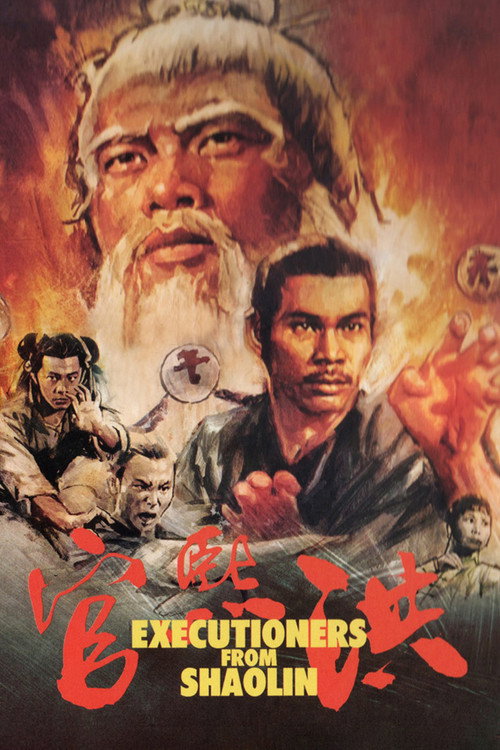
Executioners from Shaolin1977
Gordon Liu's revenge saga pairs martial arts spectacle with authentic shaolin technique. It has the same blend of personal vendetta and imperial brutality that drives Flying Guillotine, but executed with slightly more narrative clarity.
But The English dubbing is aggressively bad in most versions. Subtitled prints are preferable but harder to find in some regions.
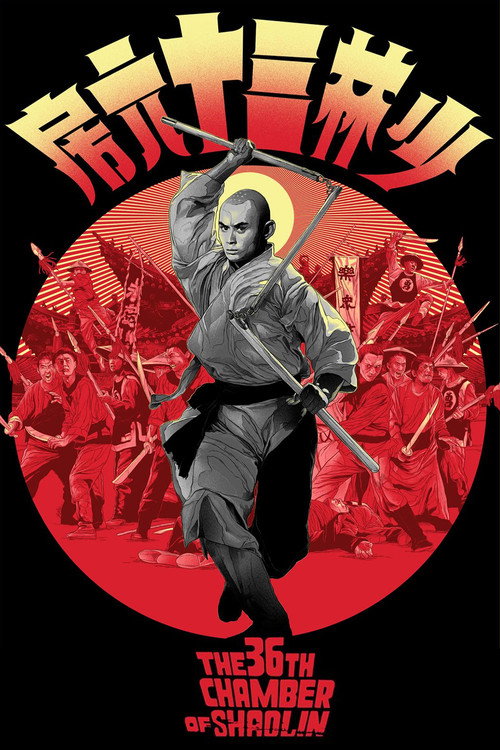
The 36th Chamber of Shaolin1978
Gordon Liu again, in perhaps the definitive kung fu training film. The structure—raw student to mastered warrior—gives every fight scene weight. The action is inventive, joyful, and genuinely thrilling without losing emotional stakes.
But It's become the template so many films have copied that it can feel familiar even on first viewing, depending on what else you've watched.
Not sure tonight? Get a pick in a minute, starting from The Flying Guillotine
The wildcard
Something you would not have found on your own.
Harakiri1962
Both films use a specific execution method as a metaphor for state power, and both follow men trying to escape systems that have already marked them for death. Both end in moral devastation rather than triumph.
Masaki Kobayashi's masterpiece uses samurai ritual suicide as the vehicle for a profound critique of systemic cruelty and institutional indifference. Like Flying Guillotine, it's about the cost of serving a state apparatus that doesn't value your humanity. Visually devastating.
But It is relentlessly bleak and deeply sad. There is no catharsis, no redemption, no moment of relief. Watching it is emotionally exhausting by design.

More like this (6)
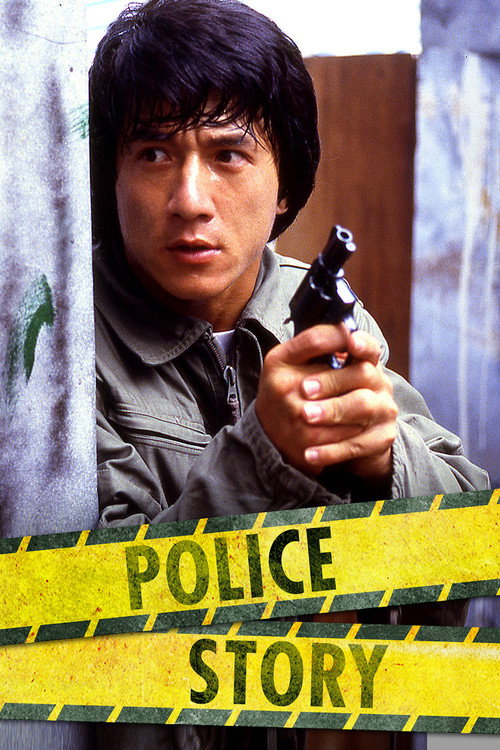
Police Story1985
Jackie Chan's breakthrough Hong Kong film. The action is jaw-dropping and genuinely dangerous-looking; Chan does much of his own stunts and it shows. The tone balances comedy, romance, and visceral fighting without letting any aspect overwhelm the others.
But The plot is straightforward to the point of being thin. If you're watching for narrative complexity, you'll be disappointed by how little there is.
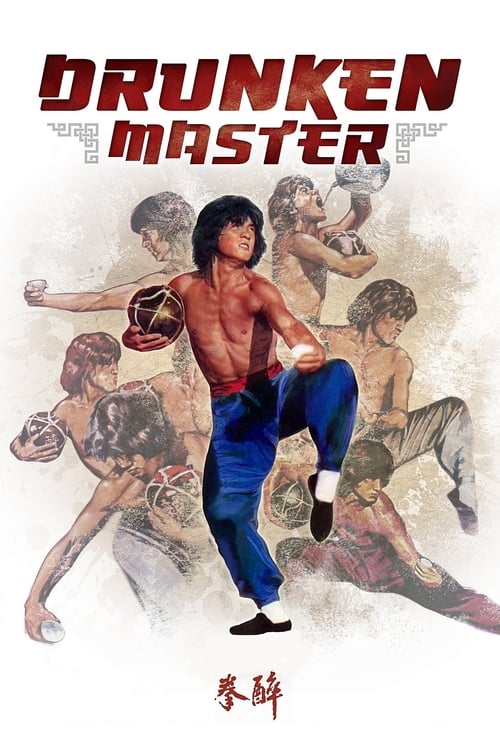
Drunken Master1978
Jackie Chan's earlier masterpiece, directed by Yuen Woo-ping. The drunken style choreography is hypnotic, and Chan's physical comedy is genuinely funny without undermining the fight choreography. Pure joy in motion.
But The humour is broad and sometimes relies on slapstick that doesn't translate smoothly across cultural contexts. The subtitled version can feel like you're missing half the comedy.
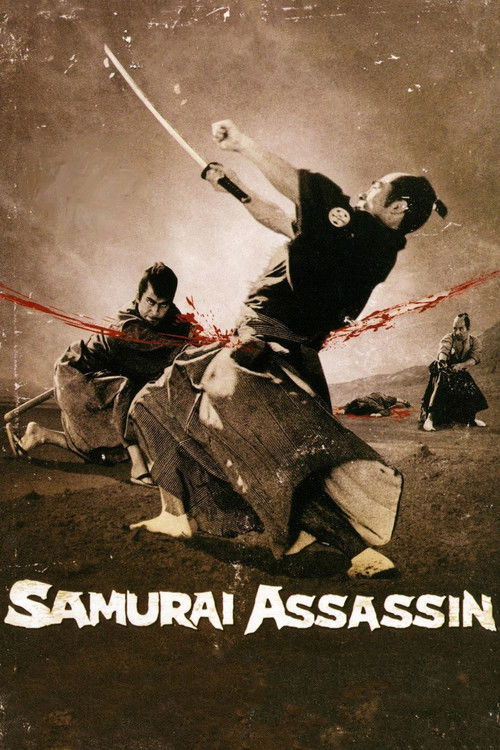
Samurai Assassin1965
A Japanese film that shares Flying Guillotine's obsession with a state-sanctioned execution device and the moral cost of serving an empire. Tatsuya Nakadai is magnificent, and the black-and-white cinematography is stunning.
But The pacing is methodical and the violence, while impactful, is less frequent than in the kung fu films. It's a character study first, action film second.
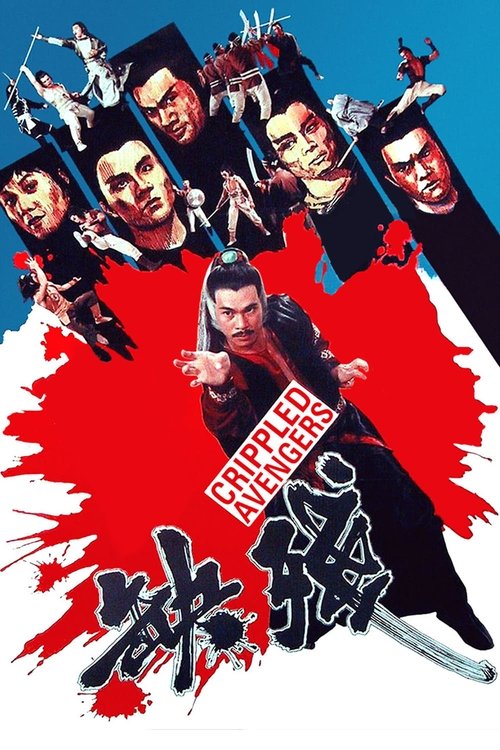
Crippled Avengers1978
A perfect ensemble martial arts mystery where five students of a dying master must uncover a traitor among them. The fight choreography is inventive and each fighter's style is distinct and memorable. Narratively clever without sacrificing action.
But The dubbing is legendarily poor, and the plot has enough twists that you might find yourself lost without a second viewing to clarify what actually happened.
Come and See1985
Both films are brutally honest about what violence actually costs and what it does to people forced to participate in it. Both refuse to make their heroes feel triumphant, instead tracking their moral erosion.
Elem Klimov's Soviet war film follows a boy conscripted into combat and systematically broken down by what he witnesses. It's an action film stripped of heroism, where movement and violence become increasingly desperate and meaningless. Genuinely harrowing.
But This is not entertainment in any traditional sense. It's punishing, graphic, and designed to make you feel complicit in warfare itself. Many viewers find it unwatchable.

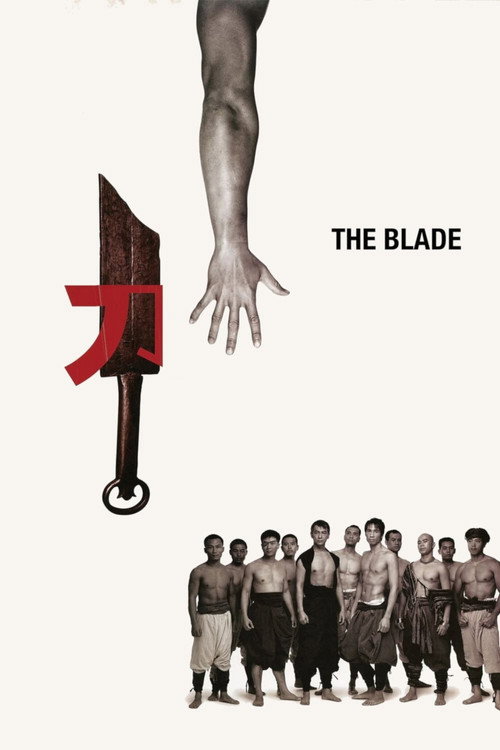
The Blade1995
It is literally a remake of the same source material, but approached from the opposite angle—not a former guard's story, but a victim's nightmare. It's what Flying Guillotine might look like if remade by a surrealist rather than a classicist.
Tsui Hark's surreal reinterpretation of the flying guillotine story itself, remade as a sci-fi horror film with a protagonist who's a victim of the weapon trying to survive. It's visually extraordinary and thematically richer than its modest reputation suggests.
But It's deliberately strange and fractured, with tonal shifts that can feel jarring. Some will find it pretentious; others will think it doesn't go far enough into weirdness.
People
Cast
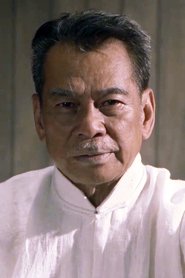 Chen Kuan-TaiMa Teng
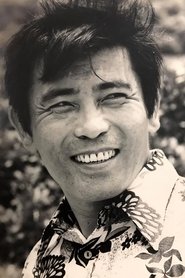 Ku FengXin Kang
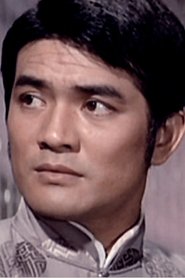 Wai WangAh Kun / Xu Shuangkun
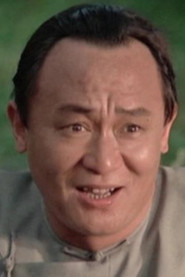 Chiang YangEmperor Yung Cheng
 Liu Wu-ChiMrs. Ma Yu-Ping
 Ai TiWanzhu
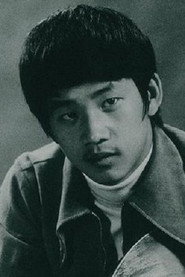 Wong YuXie Tianfu
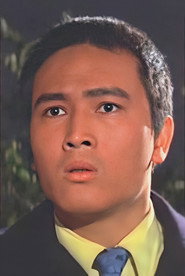 Lam Wai-TiuLuo Peng
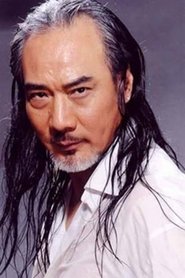 Norman Tsui Siu-keungZhou Zhizhong F.G. sqad member
- Ricky Hui Koon-YingCheng Ziping F.G. sqad member
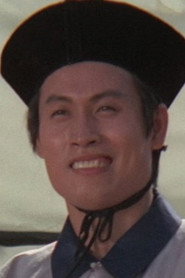 Wu Chi-ChinChen Xinyi F.G. sqad member
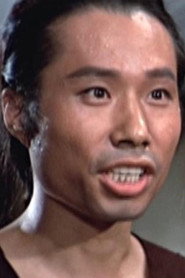 Lei LungCha Zhiliang F.G. sqad member
Directing
- Hung HakAssistant Director
- Ho Meng-HuaDirector
Writing
- Ni KuangWriter
Production
- Runme ShawProducer