
Film
Return of the One-Armed Swordsman
A 1969 kung fu sequel where a reluctant one-armed hero emerges from retirement to defend martial arts schools from a cabal of ruthless swordsmen. Raw, inventive action cinema from Shaw Brothers' golden era—the kind of film where practical stunt work and creative fight choreography substitute for logic. For anyone discovering how modern action cinema learned its moves.
If you liked this
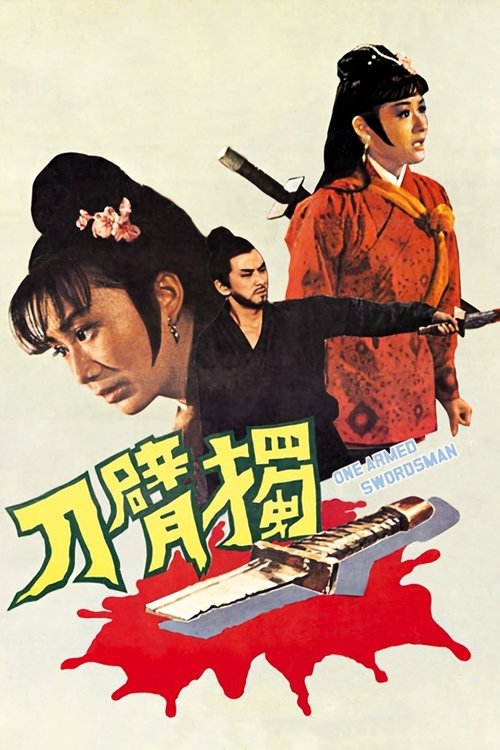
The One-Armed Swordsman1967
The original that launched a franchise and redefined kung fu cinema. Jimmy Wang Yu's one-armed protagonist became an icon; this is where the legend begins, with sharper direction and a tighter revenge narrative than its sequel.
But The print quality can be rough, and the pacing drags in places. Also: once you've seen the sequel, some of the novelty wears off.
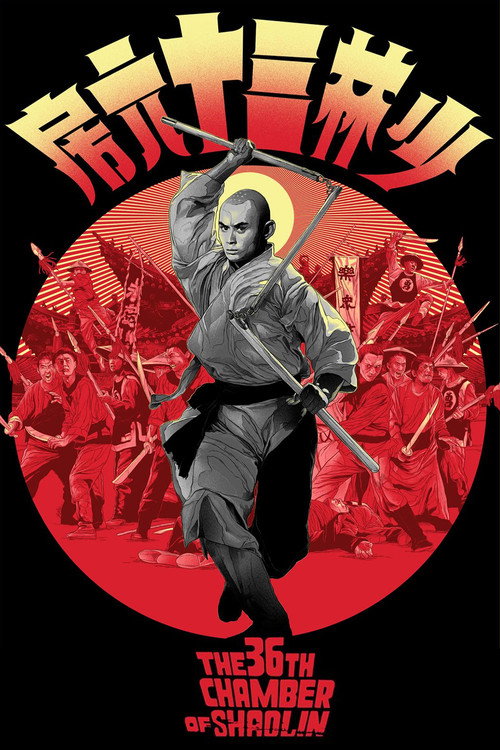
The 36th Chamber of Shaolin1978
Gordon Liu's spiritual odyssey through a Shaolin monastery, building from zero to unstoppable warrior. The training sequences are hypnotic, the choreography is clean, and it's become the template for every kung fu origin story since.
But Methodical first half that some find repetitive. If you need plot urgency, you'll be watching the clock.
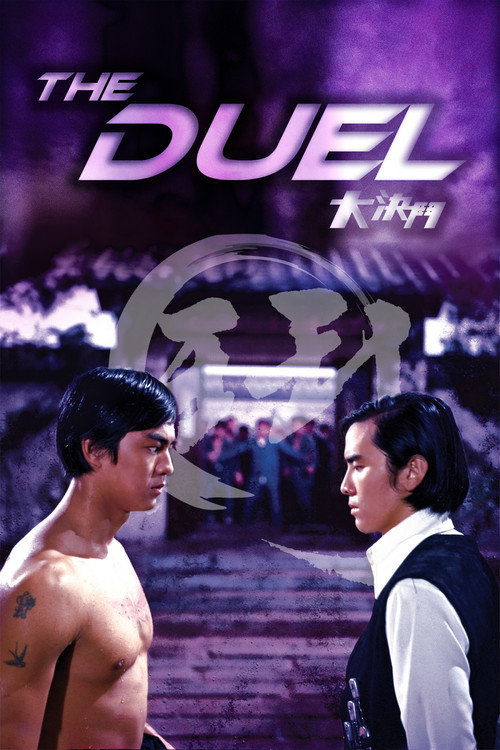
The Duel1971
Maximalist Shaw Brothers action where plot barely survives the weight of elaborate set pieces. Visually baroque, genuinely inventive, and it doesn't apologize for its own excess. A feast if you're in the mood to just watch fights happen.
But No discernible story to speak of. It's spectacle over narrative, which is a feature, not a bug, but only if that's what you want.
Not sure tonight? Get a pick in a minute, starting from Return of the One-Armed Swordsman
The wildcard
Something you would not have found on your own.
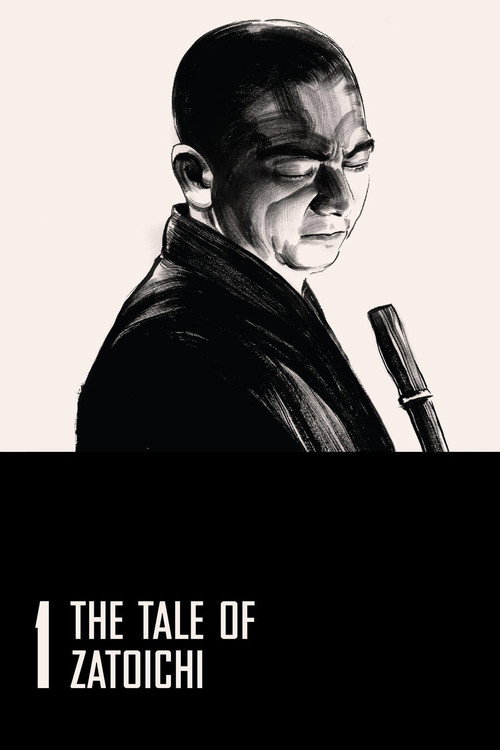
The Tale of Zatoichi1962
Both are disabled-hero revenge narratives where the disability becomes an unexpected advantage. The One-Armed Swordsman borrowed the template from Zatoichi, which borrowed from an earlier Japanese tradition—this is the original argument that limitation breeds innovation.
The Japanese blind swordsman predates and inspired the entire one-armed-hero subgenre. Shoji Kobayashi's action direction is where Shaw Brothers took their cues; watching this shows you the DNA. It's fluid, economical, and shockingly modern.
But Japanese samurai film, not Chinese martial arts. The pacing is deliberate in ways that might feel slow if you're expecting constant spectacle. Subtitles required.
More like this (7)
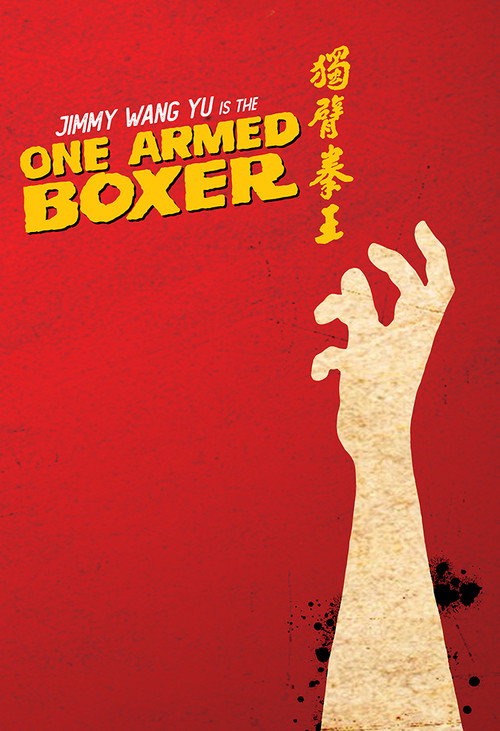
One-Armed Boxer1972
Jimmy Wang Yu's own answer to his franchise, combining his one-armed gimmick with early hand-to-hand combat techniques. It's scrappier and more personal than the Shaw Brothers sequels, and Wang Yu has more creative control.
But Lower budget shows, and the English dubbing is particularly unhinged. The pacing is genuinely rough in places.
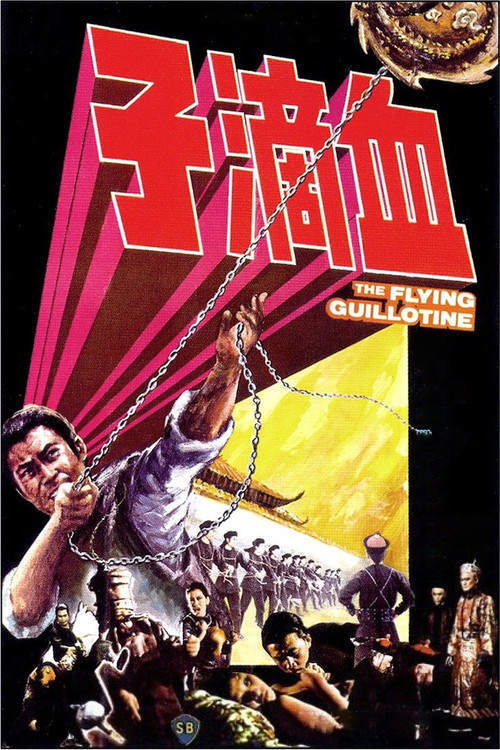
The Flying Guillotine1975
A weapon-of-mass-destruction film where the guillotine itself is the antagonist. Wild premise executed with real craft, and it influenced every grindhouse action film that followed. Genuinely strange in the best way.
But The plot is thinner than tissue paper, and the tonal whiplash between camp and brutality might alienate you. It's an acquired taste.
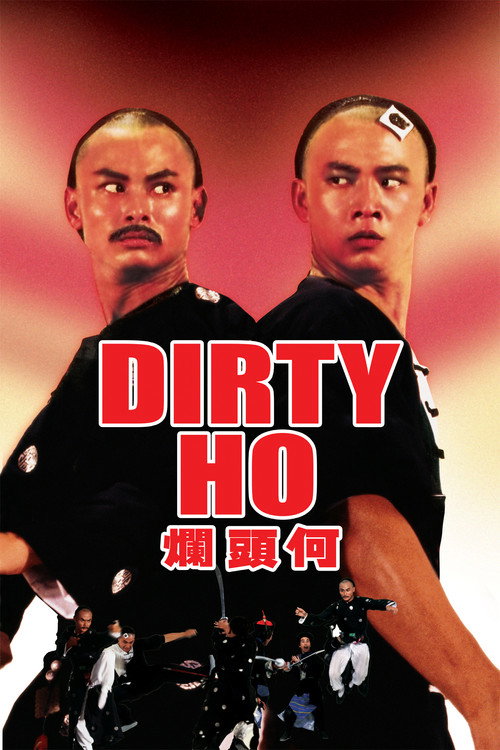
Dirty Ho1979
Jackie Chan and Wang Yu in a comedic wuxia that plays with genre expectations. Fast, funny, and it shows how much personality and humour could inhabit these films by the late '70s.
But The comedy is very broad and era-specific. If you're watching for serious action, the constant jokes will feel like obstacles.
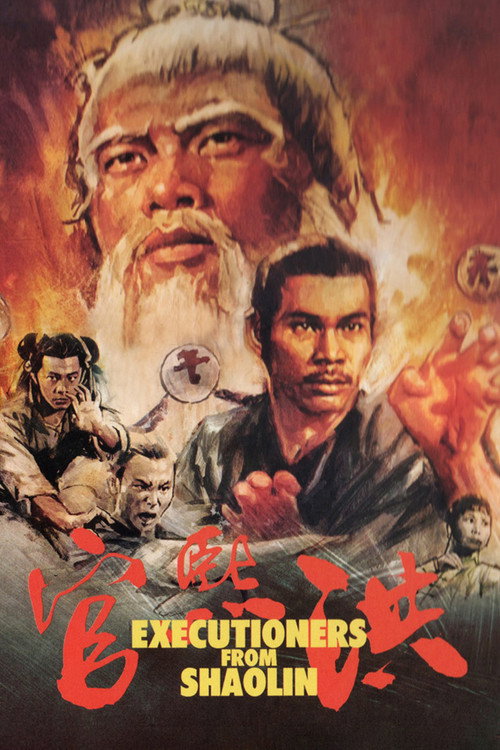
Executioners from Shaolin1977
Gordon Liu again, this time as part of a pair learning complementary fighting systems. Beautiful cinematography, excellent choreography, and a story that actually justifies the fight sequences. A later Shaw film firing on all cylinders.
But Character development takes time, and if you want pure action spectacle, the plotting will feel like interruptions.
Attack of the Killer Tomatoes!1978
A late-period Shaw Brothers film with John Woo's influence creeping in. More introspective than most, with a protagonist who's genuinely complex. A bridge film showing how the genre was evolving.
But Slower and more introspective than Return. Some of the special effects look cheap even by the standards of 1981.
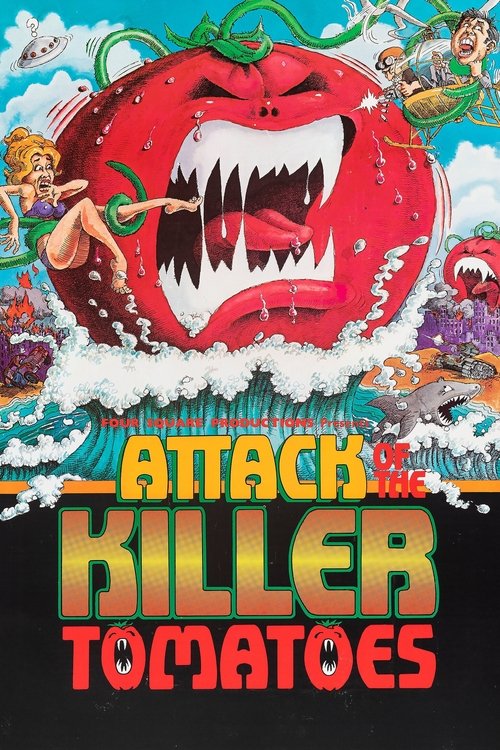
Possession1981
Both use physicality and the actor's body as the primary storytelling device. Return does this through stunt work and choreography; Possession does it through performance and disintegration. Both distrust dialogue and believe cinema is about what you see, not what you hear.
An entirely different genre—psychological horror, European arthouse—yet built on the same principle: taking a conventional narrative shape and contorting it with raw physical performance until it becomes something unsettling and unforgettable. Isabelle Adjani moves like Jimmy Wang Yu fights.
But Deeply disturbing, sexually explicit, and structurally chaotic. It's a marital breakdown filmed as a nightmare. Not entertainment; it's an ordeal. You will feel it after.

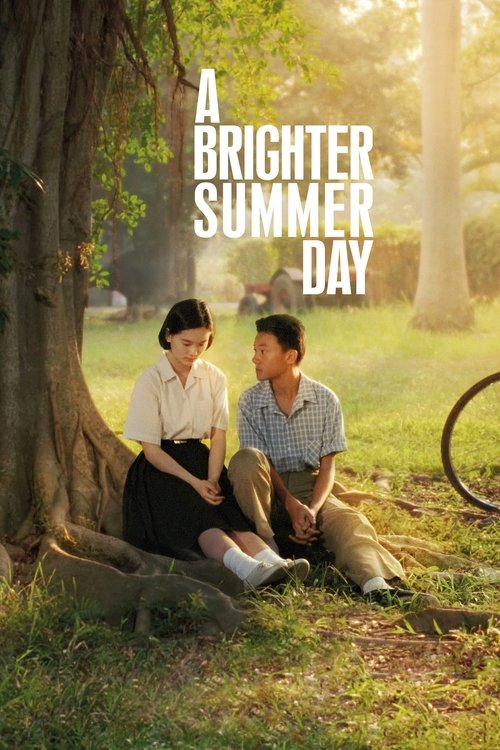
A Brighter Summer Day1991
Both inherit the Chinese martial arts cinema tradition but ask different questions of it. Return accepts the world of honor and school hierarchies; A Brighter Summer Day asks whether that world ever made sense to begin with. It's not a remake or influence; it's a reckoning with what the genre was built on.
A four-hour Taiwanese gang film where violence emerges from boredom and adolescent posturing rather than honor codes. Edward Yang uses the grammar of martial arts cinema—ritualized confrontation, gang structure, weapon-based hierarchy—but applies it to contemporary teenage delinquency. Devastating and hypnotic.
But Four hours. Subtitled. Taiwan in the 1960s, not genre spectacle. The violence is consequence-heavy, not cathartic. If you want escapism, this is its opposite.
People
Cast
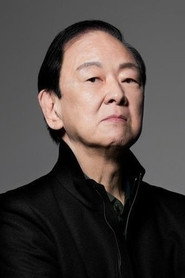 Jimmy Wang YuFang Gang
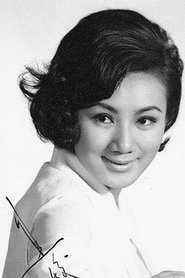 Lisa Chiao ChiaoXiao Man
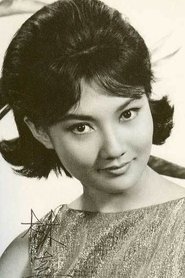 Essie Lin ChiaHua Niangzi (1000 Hands King)
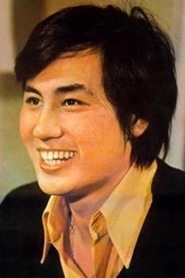 Tsung HuaLu Da
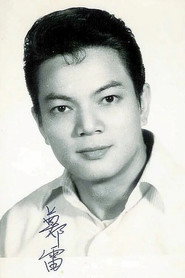 Cheng LuiLu Tong
 Hoh BanLu Long
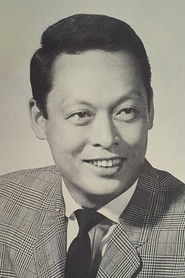 Tien FengFurtive King Ling Xu
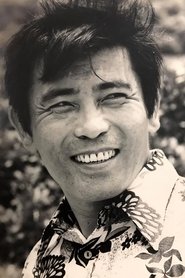 Ku FengHercules King Jiao Feng
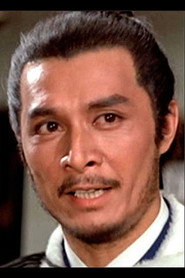 Tung LiPoisonous Dragon King Duan Shu
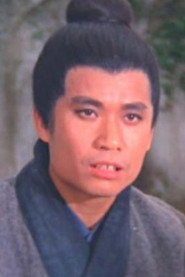 Tang ChiaSpinning Wheels King Song Wen
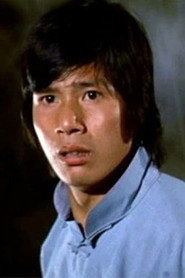 Lau Kar-WingHell's Buddha King Shi Fu
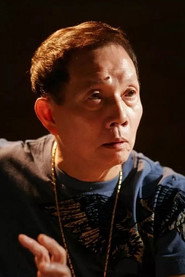 Lau Kar-leungApe's Arms King Yuan Qian
Directing
- Wu MaAssistant Director
- Chang ChehDirector
Writing
- Chang ChehWriter
Production
- Runme ShawProducer
Recommended by
Master of the Flying Guillotine, Five Shaolin Masters, Fury of King Boxer