
Film
The Tale of Zatoichi
This is the film that launched a twenty-five-entry franchise and made Shintaro Katsu a legend: a blind, gambling masseur who turns out to be the fastest sword in Japan. It's scrappy B-movie filmmaking with real soul underneath — funny, melancholic, and suddenly brutal. Good for anyone who wants samurai cinema with warmth and a wandering-hero's loneliness rather than pure solemn tradition.
If you liked this
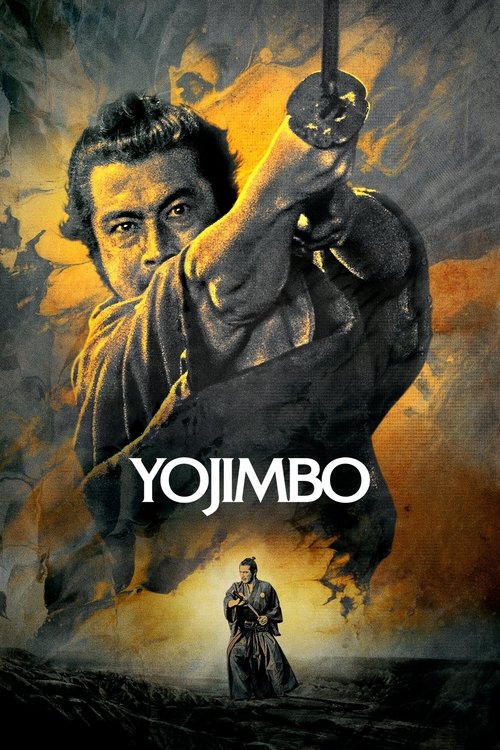
Yojimbo1961
Shares the exact blueprint — a lone outsider drifts into a town run by two rival gangs and quietly starts pulling every string, laced with dry, cynical wit.
But Mifune's ronin is cockier and colder than Ichi's warmth; if you came for gentleness, this one bites harder.
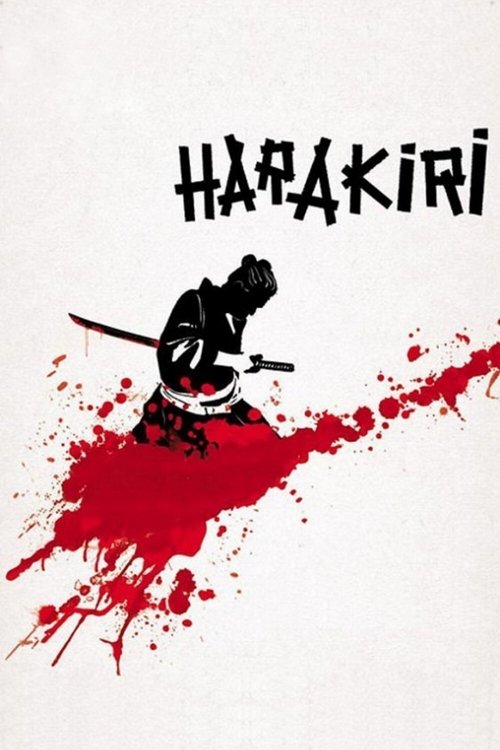
Harakiri1962
Same year, same industry, but it turns the stoic-swordsman genre into a devastating indictment of the honor codes it claims to celebrate.
But Formal and slow-burning, with almost no swordplay until the very end — patience is the price of admission.
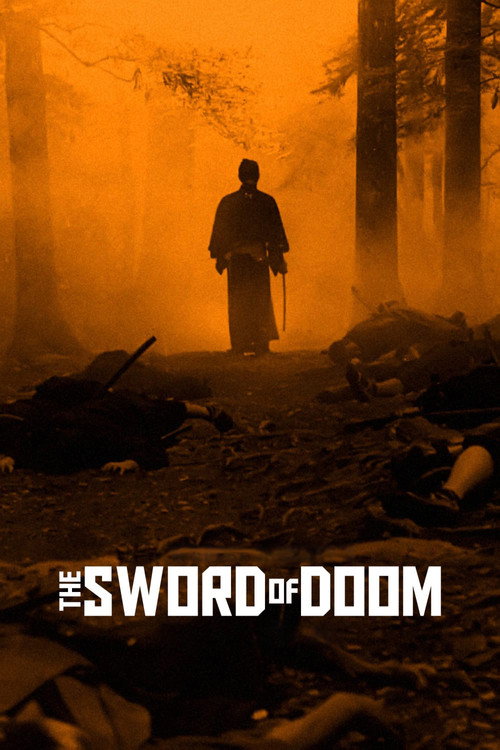
The Sword of Doom1966
Strips away all the folk-hero warmth and gives you a swordsman who is genuinely, chillingly amoral — a dark mirror to Ichi's decency.
But Bleak, nihilistic, and ends mid-scene by design; there's no satisfying resolution waiting for you.
The wildcard
Something you would not have found on your own.
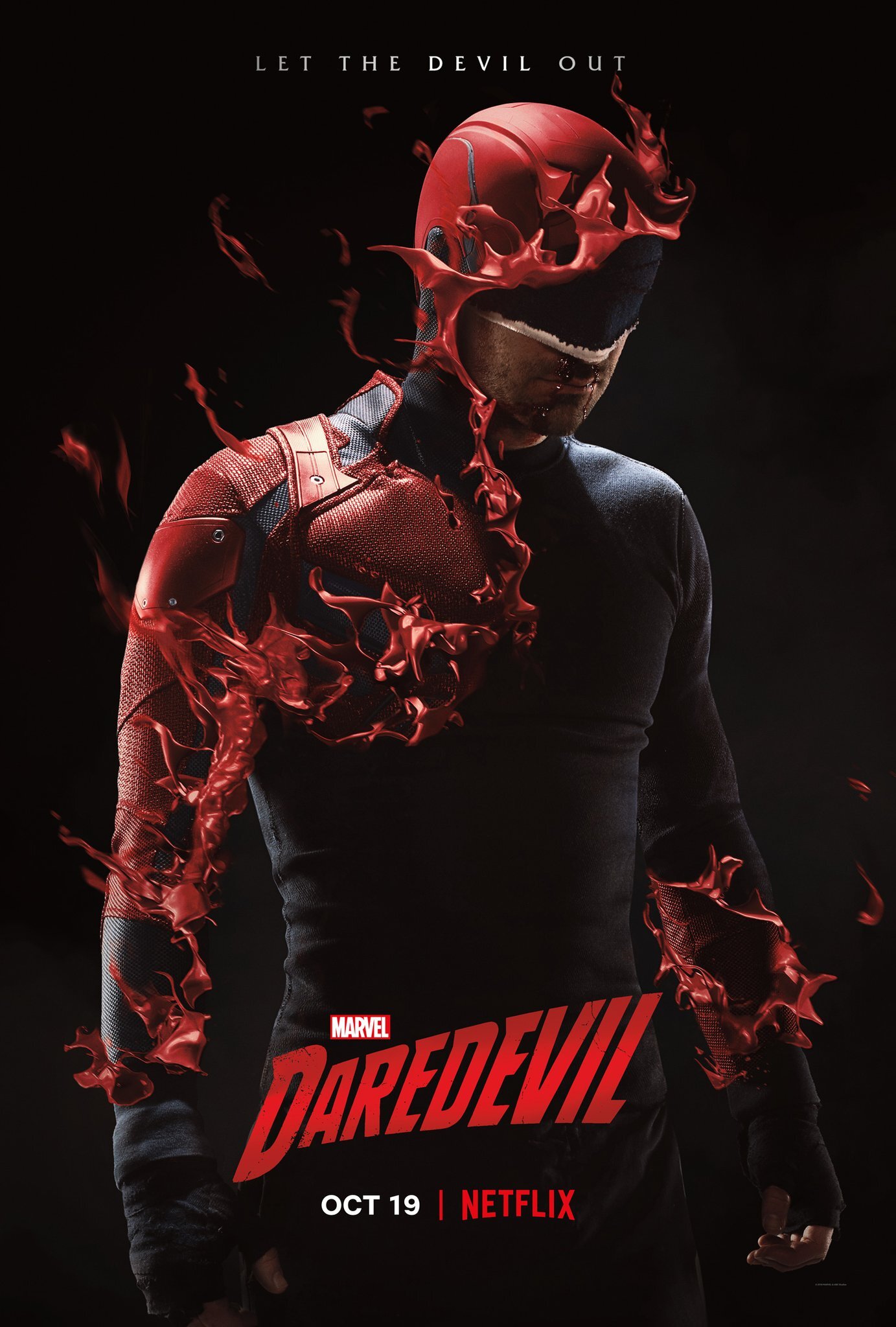
Marvel's Daredevil2015
A blind protagonist whose lost sight sharpens every other sense into near-superhuman fighting instinct, moving through a corrupt city dispensing rough justice — the same core fantasy restaged as American neo-noir serial television.
Swaps the sword for fists and feudal Japan for Hell's Kitchen, but the pleasure is identical — a blind man reading a room by sound and beating it senseless anyway.
But It's a thirteen-hour-per-season commitment, glossier and more brooding-superhero than Zatoichi's lean ninety-six minutes.
More like this (8)
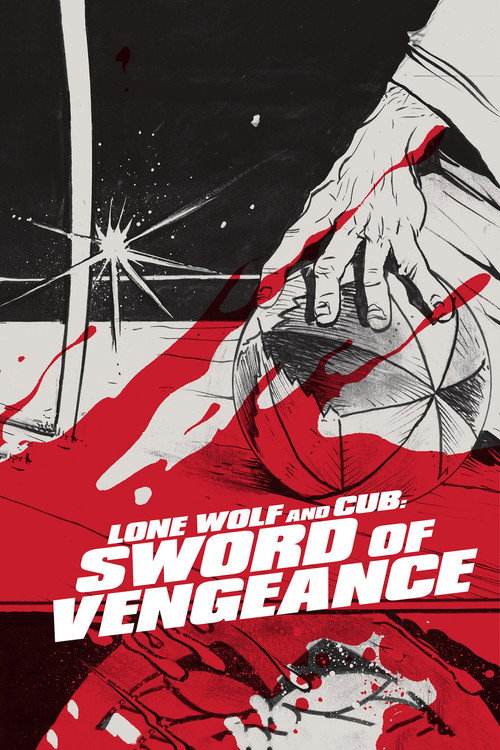
Lone Wolf and Cub: Sword of Vengeance1972
Same director's eye for geysering, operatic violence, swapping the blind masseur for a disgraced assassin dragging his toddler son through feudal Japan.
But Relentlessly, almost cartoonishly violent — this is exploitation cinema with philosophy bolted on, not a quiet character study.
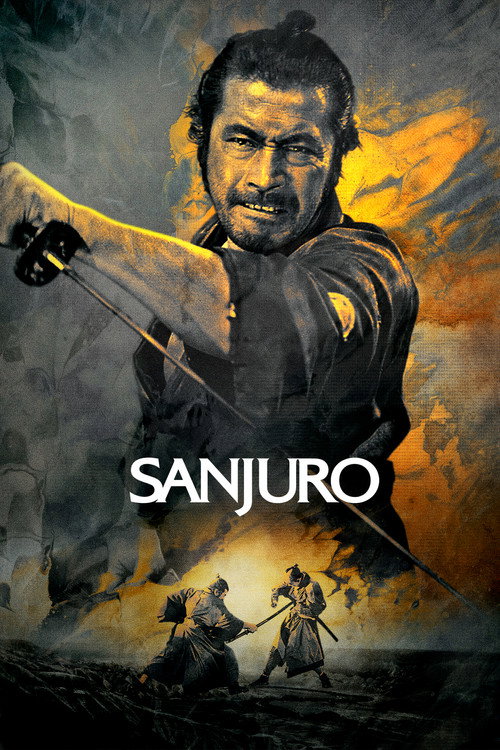
Sanjuro1962
The same wandering-swordsman engine, but looser and funnier — Mifune scratching himself and outsmarting nine painfully earnest young samurai.
But Lighter and more comic than Zatoichi's melancholy; the sadness that defines Ichi is mostly absent here.
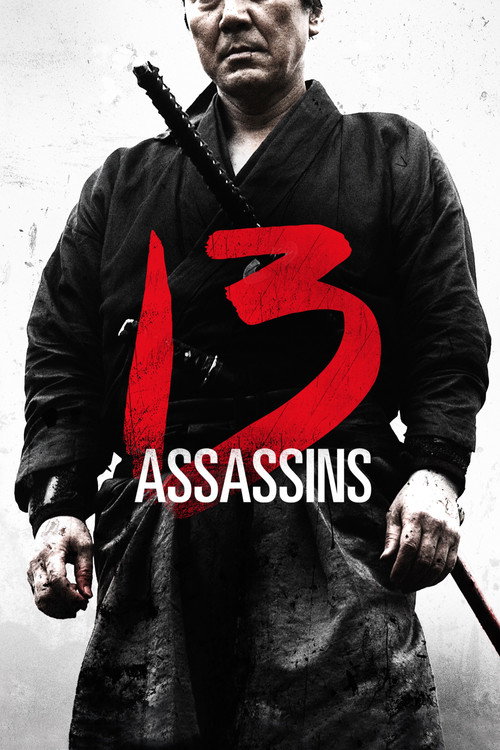
13 Assassins2010
A modern, blood-soaked ensemble samurai film that treats the genre's tropes as pure, glorious spectacle rather than solemn tradition.
But It's very much a 2010s action movie in period dress — if you wanted older, slower texture, this isn't it.
Zatoichi2003no page yet
Takeshi Kitano's own spin on the character — bleached hair, CGI blood spray, and an absurd tap-dancing finale that somehow earns its joy.
But Kitano's blank deadpan is a very different performance choice from Katsu's warmth; some find it hollow rather than soulful.
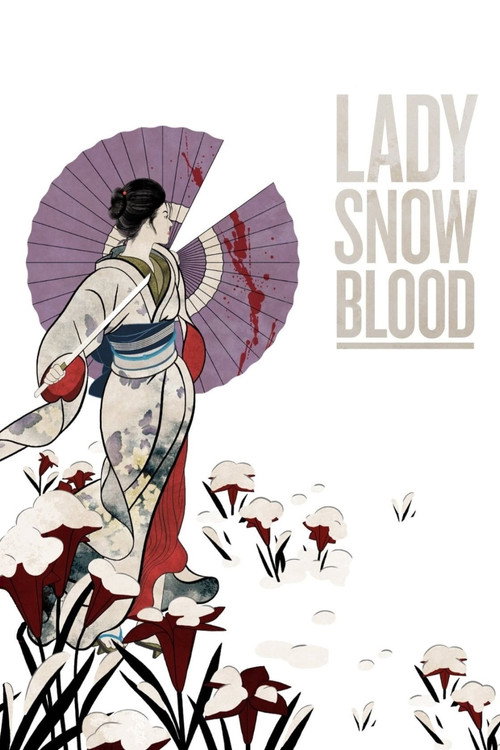
Lady Snowblood1973
Born of the same pulpy revenge-cinema moment, following a woman raised from birth for one act of vengeance, shot gorgeously in snow and blood.
But Colder and more single-minded than Zatoichi — there's little of his humor or humanity in this one.
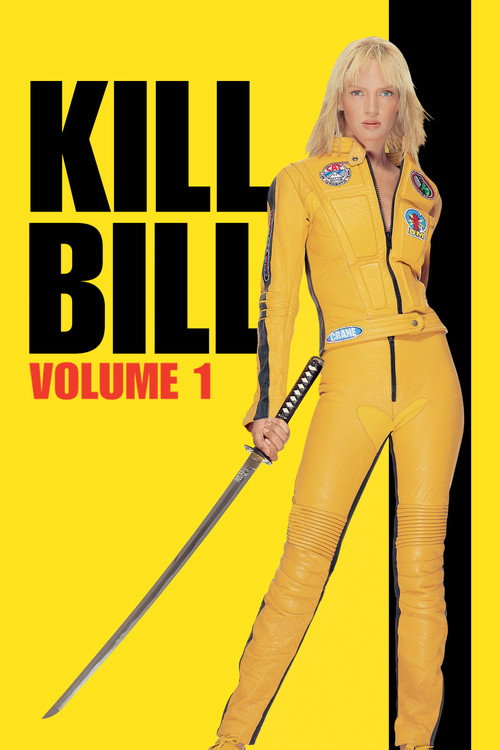
Kill Bill: Vol. 12003
Tarantino's love letter to exactly this cinema — the sword ballet, the outsider settling scores block by block — filtered through pure movie-nerd joy.
But Loud, referential, American genre pastiche where the original is quiet and lived-in; a very different temperature.
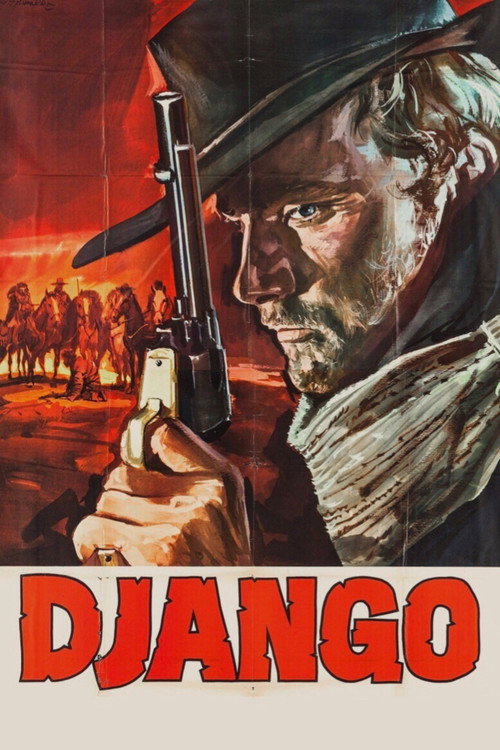
Django1966
A lone armed drifter arrives in a town torn between two feuding gangs and works every angle against them — the exact shape of Zatoichi's plot, restaged in Italian western clothing.
Shows how directly this genre's DNA bled into the spaghetti western — same setup, same moral murk, Franco Nero at his most iconic with a machine gun in a coffin.
But Rougher, pulpier, and far more nihilistic; the gore and dubbing haven't aged gently for every viewer.
Samurai I: Musashi Miyamoto1954no page yet
Made eight years earlier, it's the romantic, Oscar-winning version of the wandering-swordsman myth that Zatoichi was quietly, cynically reacting against — same folk hero, opposite temperament.
A gorgeous Technicolor samurai epic about the real historical swordsman, all nobility and destiny where Zatoichi trades in cynicism and gambling dens.
But Three films, over four hours total, and its total sincerity can feel old-fashioned next to Zatoichi's shabbier, funnier realism.
People
Cast
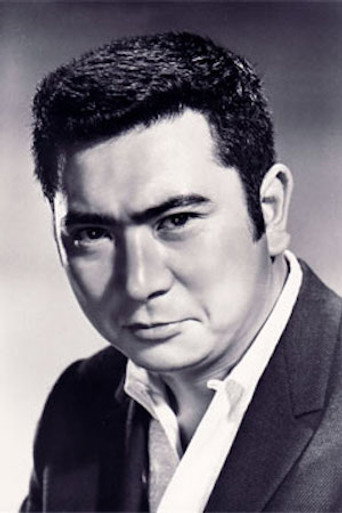 Shintarō KatsuZatôichi
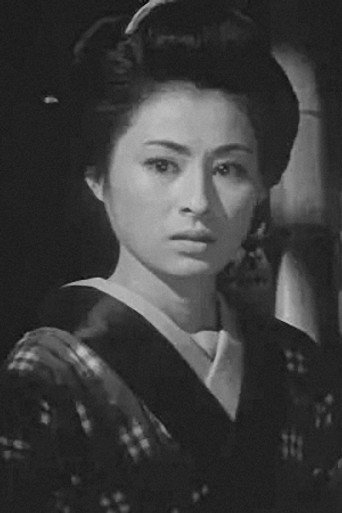 Masayo BanriOtane
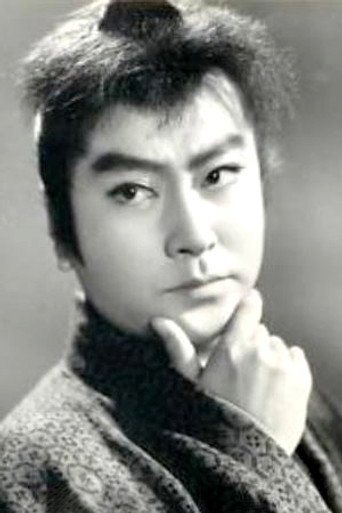 Ryūzō ShimadaShigezô
- Hajime MitamuraHanji
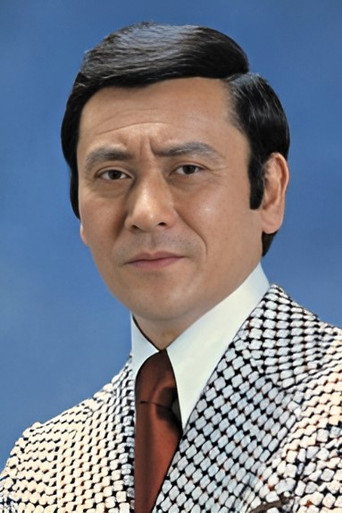 Shigeru AmachiMiki Hirate
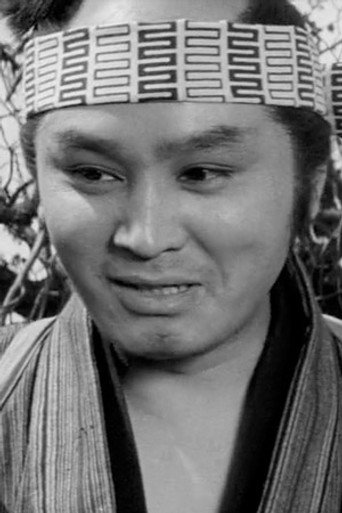 Michirō MinamiTatekichi
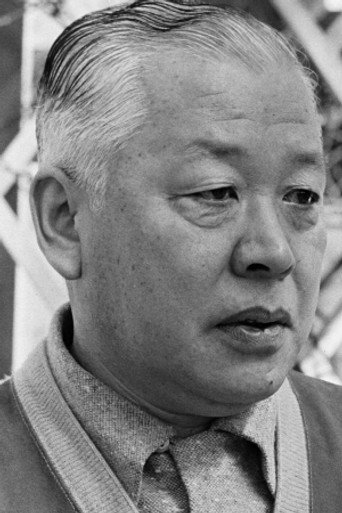 Eijirō YanagiSukegorô
- Toshio ChibaMasakichi
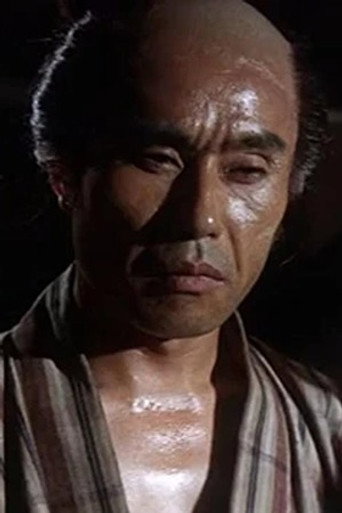 Manabu MoritaSeisuke
- Yoshito YamajiYahei
- Yoichi FunakiYogoro
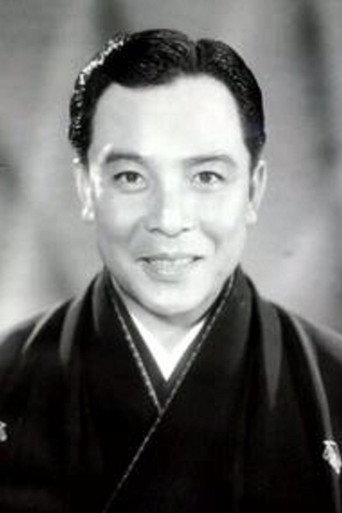 Eigorō OnoeRihei
Directing
- Toshiaki KuniharaAssistant Director
- Kenji MisumiDirector
Writing
- Kan ShimozawaOriginal Story
- Minoru InuzukaScreenplay
Production
- Ikuo KuboderaExecutive Producer
- Mitsuru TanabeProduction Manager
Recommended by
Lone Wolf and Cub: Sword of Vengeance, Sanjuro, Ousama Ranking, Kung Fu, The Sword of Doom