
Television series
The Silk Road
Dr. Sam Willis traces the Silk Road not as a single route but as a vast network of cultural and commercial exchange that fundamentally reshaped civilizations. Each hour explores a different leg of the journey, revealing how ideas, religions, technologies, and goods flowed between East and West. It's intelligent, visually sumptuous television that treats history as a living conversation rather than dusty facts.
If you liked this
Civilisations2018
Simon Schama guides you through art history with the same sense of wonder and personal connection he brings to every frame. It's about how societies see themselves, told by someone who genuinely loves what he's showing you.
But Schama's voice and presence dominate—if you want a more neutral, analytical approach, this theatrical style may feel overwrought.
The Ascent of Man1973
Jacob Bronowski's groundbreaking series traces human achievement across science, art, and culture with genuine intellectual passion. It pioneered the thinking-person's documentary and its ideas still sing.
But Shot on 1970s video, it looks and sounds dated. Some scientific understandings have moved on, which can be distracting.
A History of Ancient Britain2011
Neil Oliver walks you through five thousand years of British history with infectious enthusiasm and real historical depth. He makes you feel the mud and the ambition of the people who lived there.
But It's focused on one island rather than global exchange, which narrows the scope considerably compared to the Silk Road's span.
Not sure tonight? Get a pick in a minute, starting from The Silk Road
The wildcard
Something you would not have found on your own.
Marco Polo2014
Where Willis explains the Silk Road, Marco Polo embodies it—the same routes, but experienced through character, conflict, and the messy reality of people trying to survive and prosper.
Netflix's drama series drops you into 13th-century Venice and the Mongol Empire, following the historical merchant as he navigates politics, trade, and survival. It's the Silk Road as lived experience—sensual, dangerous, and intimate in ways a documentary cannot be.
But Lavishly produced but canceled after two seasons. Also, historical accuracy takes a backseat to spectacle and invented drama, which defeats some of the appeal.
More like this (3)
Connections1978
James Burke reveals how one invention led to another across centuries and continents—a pure distillation of the interconnected-world idea. His curiosity is boundless and contagious.
But Deliberately chaotic in structure; if you want a clear through-line rather than delightful tangents, you'll find it maddening.
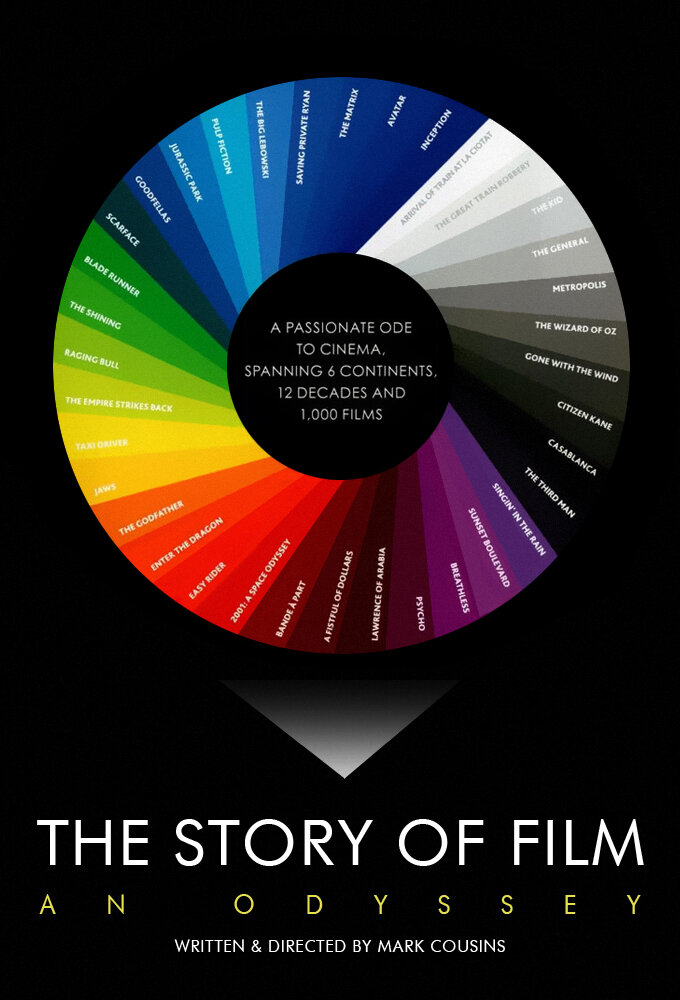
The Story of Film: An Odyssey2011
Mark Cousins tells the story of cinema as a global conversation between filmmakers across continents and decades. It's about how ideas travel and transform, told through images.
But Extremely long—each episode demands real commitment. The associative style, while brilliant, isn't for everyone.
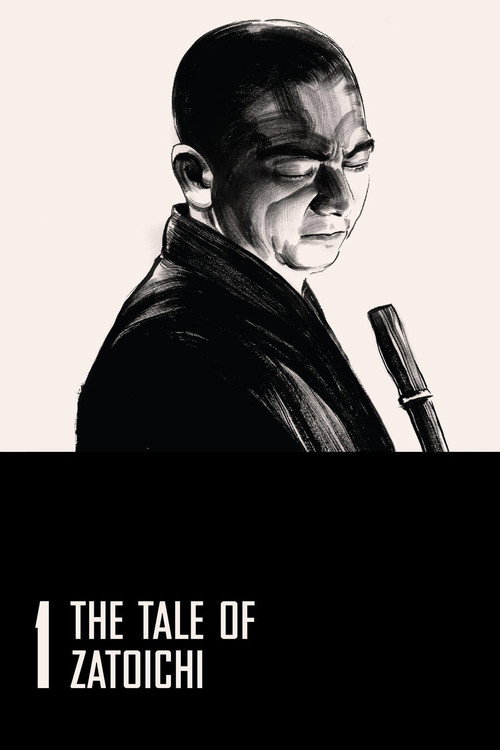
The Tale of Zatoichi1962
Like the Silk Road, Zatoichi traces movement across a landscape—cultural exchange through travel, showing how one person's journey reveals the texture and complexity of a civilization in motion.
A blind swordsman wanders Japan in this wildly entertaining samurai film, each village revealing different aspects of Japanese culture, commerce, and human nature. It's transport and education wrapped in pure cinema, with humor and beauty in equal measure.
But A black-and-white foreign film from the 1960s demands patience; the pacing is deliberate and the action brief. Subtitles and slow burns aren't for everyone.
People
Cast
 Dr. Sam WillisPresenter