
Television series
Andrew Marr's History of the World
Andrew Marr sweeps through 70,000 years of human history with infectious enthusiasm and globe-trotting evidence. Spectacularly shot, smartly paced, and genuinely curious rather than lecturing. Perfect for anyone who wants history to feel alive and urgent—not dusty schoolroom stuff, but the real shape of how we got here.
If you liked this
Civilisations2018
Mary Beard brings classical art history into vivid conversation with present-day politics and power. Equally ambitious in scope as Marr's work, but structured around visual culture rather than chronology. Utterly gripping.
But Focuses heavily on Western and Mediterranean traditions in the first episodes; if you want more global representation from the start, you might feel impatient.
The Ascent of Man1973
Jacob Bronowski's 1970s masterpiece covers science and civilization with genuine wonder. If you loved Marr's sweeping perspective and clear-eyed humanism, this is the ancestor you need to see—the DNA of the format Marr perfected.
But It's deliberately slow and philosophical. The pacing feels very of-its-era; modern viewers sometimes find it meditative rather than propulsive.
Our Planet2019
David Attenborough narrates natural and human history interwoven with breathtaking cinematography. Like Marr, it connects deep time to the present moment, but through ecology and environmental adaptation rather than political events.
But The climate crisis theme becomes increasingly heavy in later episodes. Some will find it necessary; others may not want their history documentary to feel like an activist text.

Not sure tonight? Get a pick in a minute, starting from Andrew Marr's History of the World
The wildcard
Something you would not have found on your own.
The Fog of War2003
Both examine how human systems and ideas reshape the world; but Marr shows the sweep of events while McNamara shows the interior of the moment when history is made. One is the map, one is inside the room.
Errol Morris interviews Robert McNamara about Cold War decision-making and moral consequence. Marr surveys what happened; this film interrogates how the people in the room felt about the world-shaping choices they made. Essential perspective-shift.
But It's punishing. Watching someone reckon with complicity in mass death is not escapist, and the philosophical weight never lifts.
More like this (6)
A Brief History of Time1991
Errol Morris's film about Stephen Hawking is intimate rather than grand—one brilliant mind contemplating the universe. Shares Marr's intellectual curiosity but strips away the spectacle to focus on wonder and struggle.
But The subject is theoretical physics, which demands real concentration. It's deliberately introspective and sometimes feels more like a portrait than a lecture.
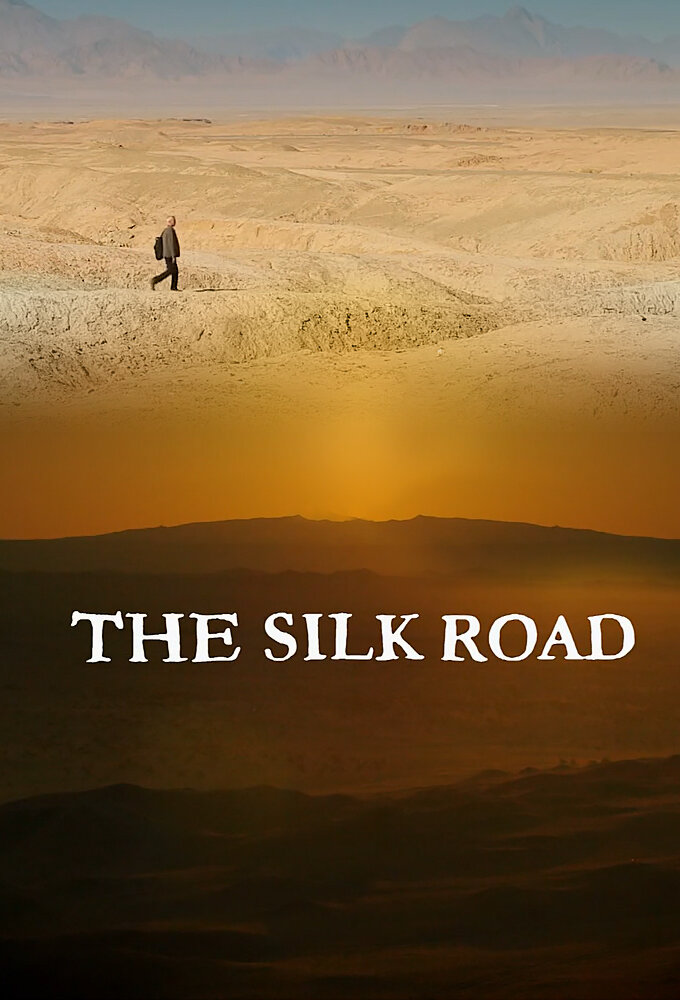
The Silk Road2016
Peter Frankopan traces global trade and cultural exchange across centuries. Challenges the Western-centric view many history documentaries default to; connects economics, art, and diplomacy with real elegance.
But It's less about dramatic turning points and more about gradual interconnection. If you want clear heroes and villains, the nuance may feel diffuse.
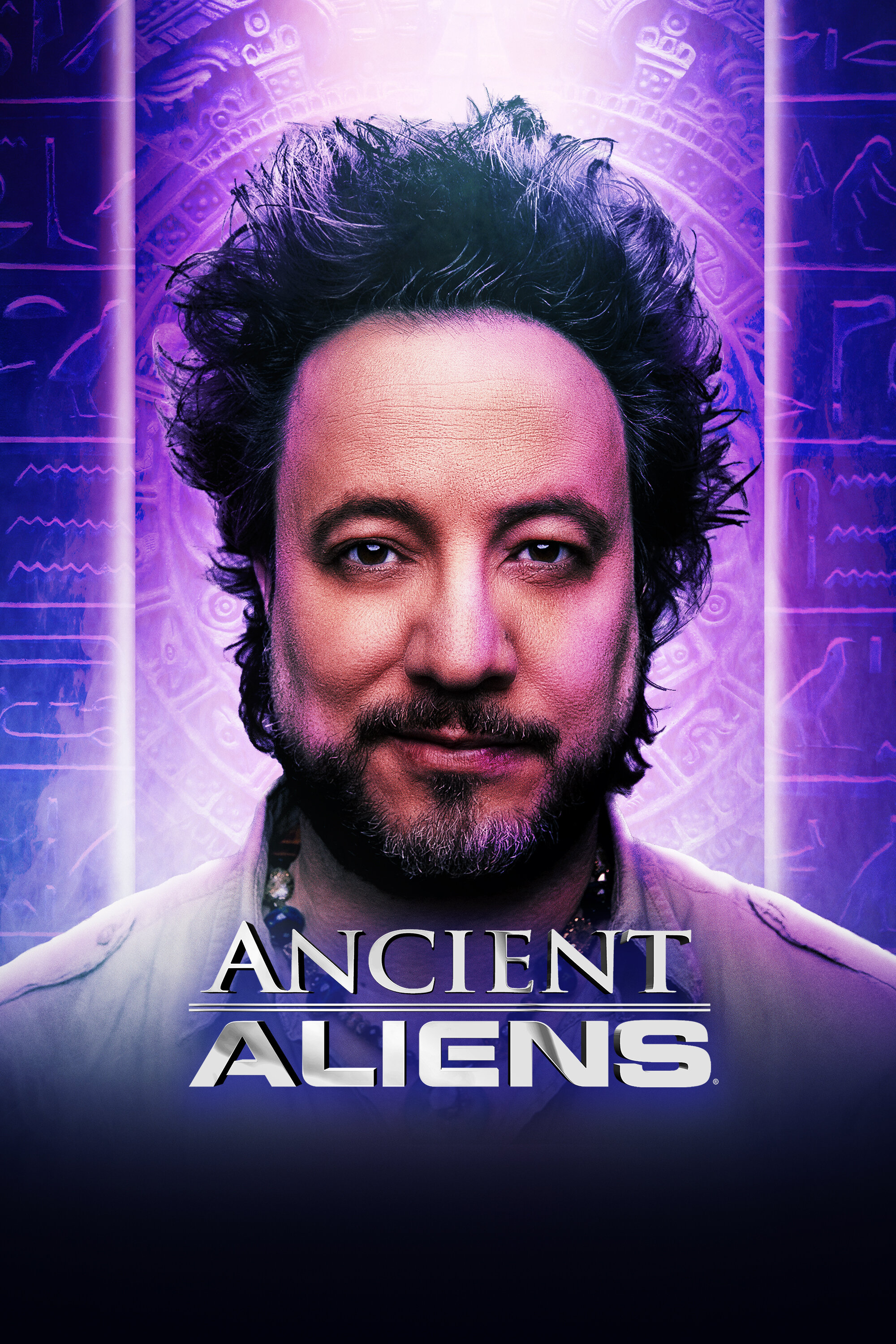
Ancient Aliens2009
Based on Yuval Noah Harari's bestseller, this animated series covers how humans went from hunter-gatherers to agricultural societies. Visually imaginative and conceptually ambitious, zooming out as far as Marr does.
But Animation can feel reductive for serious material; some find the style cutesy rather than weighty for topics that deserve gravitas.
Connections1978
James Burke's cult classic traces how historical accidents and inventions interconnect across time. The intellectual DNA of Marr's approach—showing how everything links together rather than marching chronologically forward.
But The 1970s production values and deeply eccentric pacing take adjustment. It feels more like following an inspired friend's conversation than watching a polished modern series.

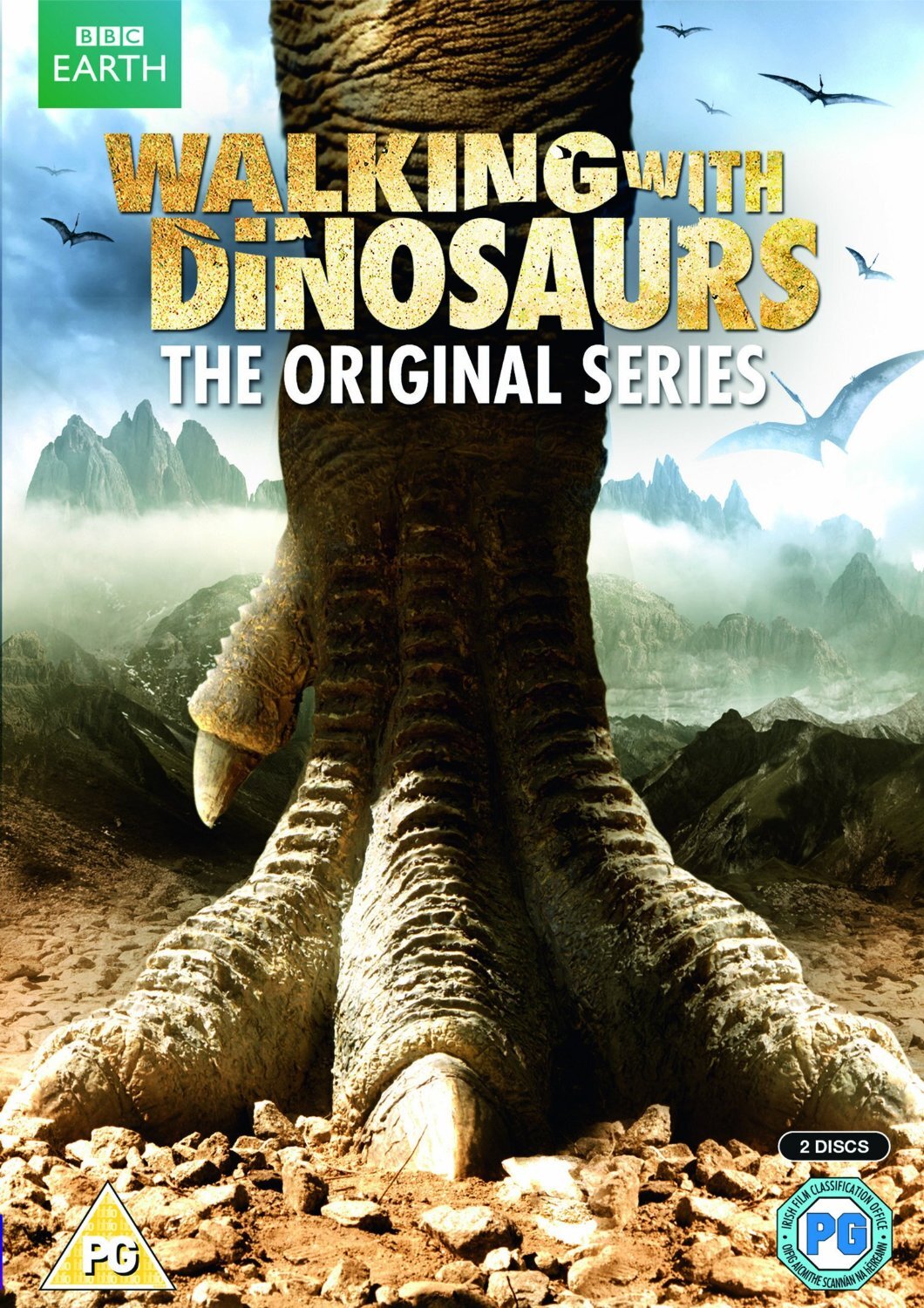
Walking with Dinosaurs1999
David Attenborough narrates this groundbreaking use of CGI to make deep time visceral. Extends Marr's temporal ambition backwards into pre-human Earth; the same sense of standing before vast change.
But It's about extinction and evolutionary pressure, not human agency. If you specifically want history of people rather than natural history, the emotional register is quite different.
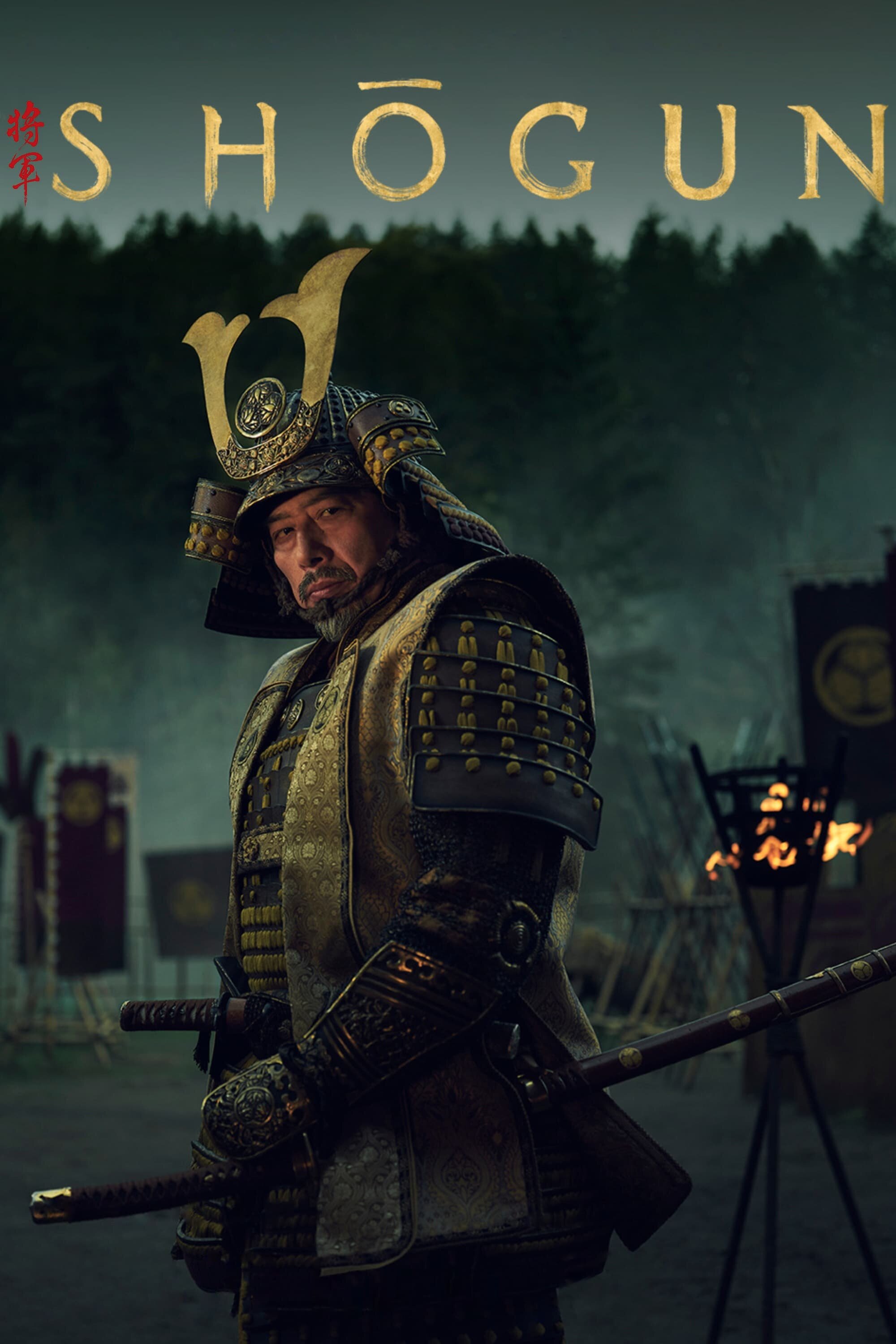
Shōgun2024
Marr's history shows how societies encounter each other; Shogun is about what happens in that moment of collision—the confusion, the betrayal, the strange intimacy. Same historical question, one in the cerebral register and one in the visceral.
FX's miniseries about Western contact with feudal Japan is visual storytelling at its highest level. Marr covers the spread of civilizations; Shogun dramatizes the collision of two complete worldviews. Same historical fascination, transformed into intimate human stakes.
But It's prestige television about political intrigue and power, not a documentary. If you want analysis and context rather than narrative immersion, the format will frustrate you.
People
Cast
 Andrew MarrPresenter