
Film
A Brief History of Time
- Slow-burning
Errol Morris's 1991 portrait of Stephen Hawking weaves cosmology with intimate biography. We watch him wrestle with equations about black holes and the universe's origin while ALS steals his voice and body. His family, colleagues, and friends testify to both the theories and the man—his wit, his ambition, his refusal to be pitied. It's about genius and mortality in conversation with each other.
Should you watch it?
Watch it if you enjoy patient, visual explanations of big ideas, where the pleasure is watching a hard subject get unpacked slowly and a brilliant, wry mind gets to speak for itself.
Skip it if you want a film that moves briskly or keeps throwing new images at you, since this one lingers on talking heads, diagrams and quiet reflection for most of its running time.
What it asks of you: Eighty minutes of unhurried pacing, mostly interviews and close attention to one man's voice, so you will need to settle in and let ideas build rather than expect a rush of incident.
Not sure? Find tonight's pick in a minute.
If you liked this
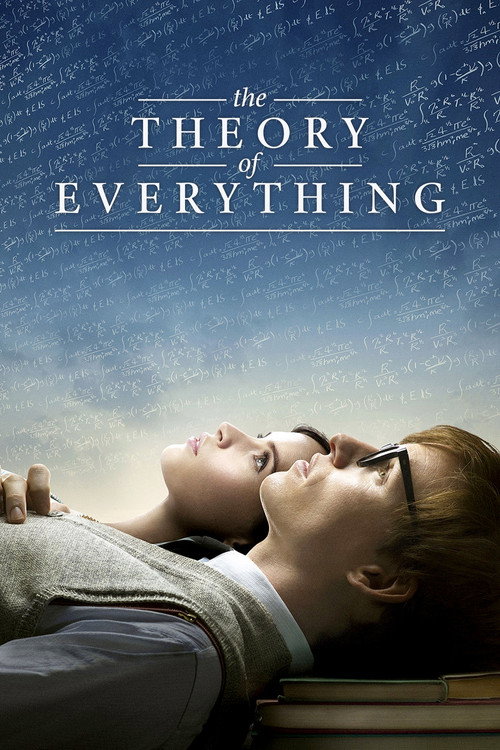
The Theory of Everything2014
Eddie Redmayne's portrayal of Hawking's early years—his romance with Jane, his diagnosis, his first major breakthroughs—gives you the human story that Morris's documentary assumes you already know.
But It's a fairly conventional biopic wrapped in awards-season sincerity. The physics gets simplified into background noise.
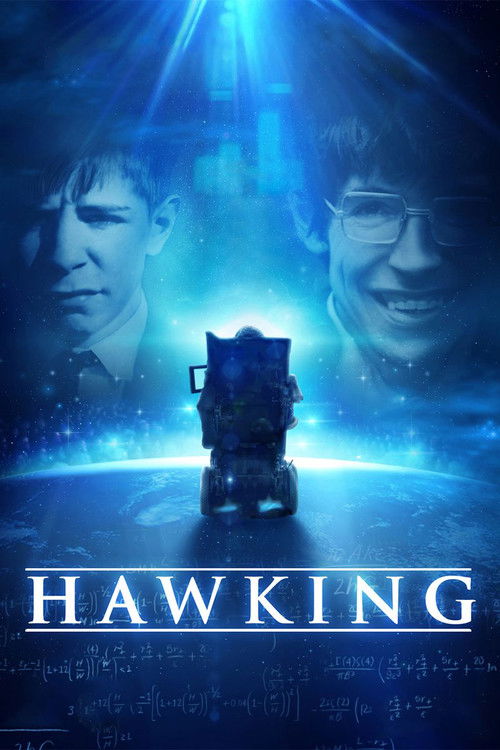
Hawking2013
Jim Holt's BBC film traces Hawking's intellectual journey chronologically, from his childhood wonder through his revolutionary work on black holes. Clearer on the actual science than Morris's film.
But Less intimate than you might want. It's more interested in ideas than in the man living them, which is the opposite problem from many biopics.
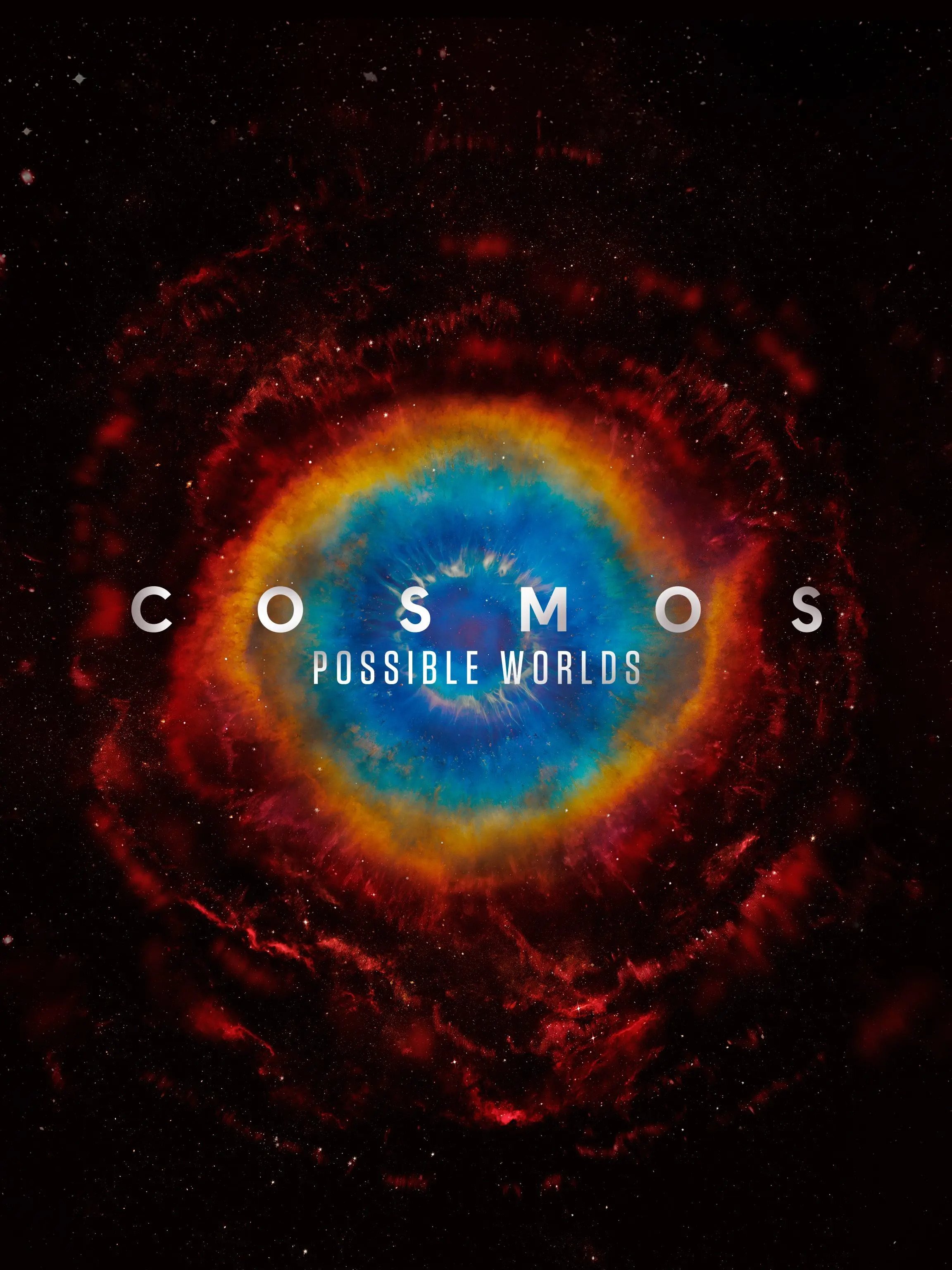
Cosmos1980
Neil deGrasse Tyson's update of Carl Sagan's series explores the same universe Hawking spent his life studying. Visually gorgeous and makes big ideas feel urgent and alive.
But It's television populism, not the real thing. If you want harder science, you'll find this frustratingly simplified.
Not sure tonight? Get a pick in a minute, starting from A Brief History of Time
The wildcard
Something you would not have found on your own.
My Left Foot: The Story of Christy Brown1989
Both documents a brilliant person whose physical imprisonment is inseparable from their intellectual and creative life—but where Morris stays clinical, Day-Lewis and Jim Sheridan plunge into rage and hunger and the body's betrayals.
Daniel Day-Lewis as Christy Brown—an Irish painter and writer paralyzed by cerebral palsy, communicating with the world through one functional foot. Like Hawking, a mind refusing the body's sentence, but the film is about art and desire, not equations.
But Sentimentality lurks at the edges, and the film sometimes seems to want credit for showing you disability. It's also formally conventional in a way that can feel dated.

More like this (7)
Particle Fever2013
Documentary about physicists chasing the Higgs boson at CERN. Captures the obsession and collaboration of theoretical physics with genuine drama—waiting for results that could reshape everything.
But Requires patience with jargon. If particle physics doesn't intrigue you already, the film won't make it intrigue you.
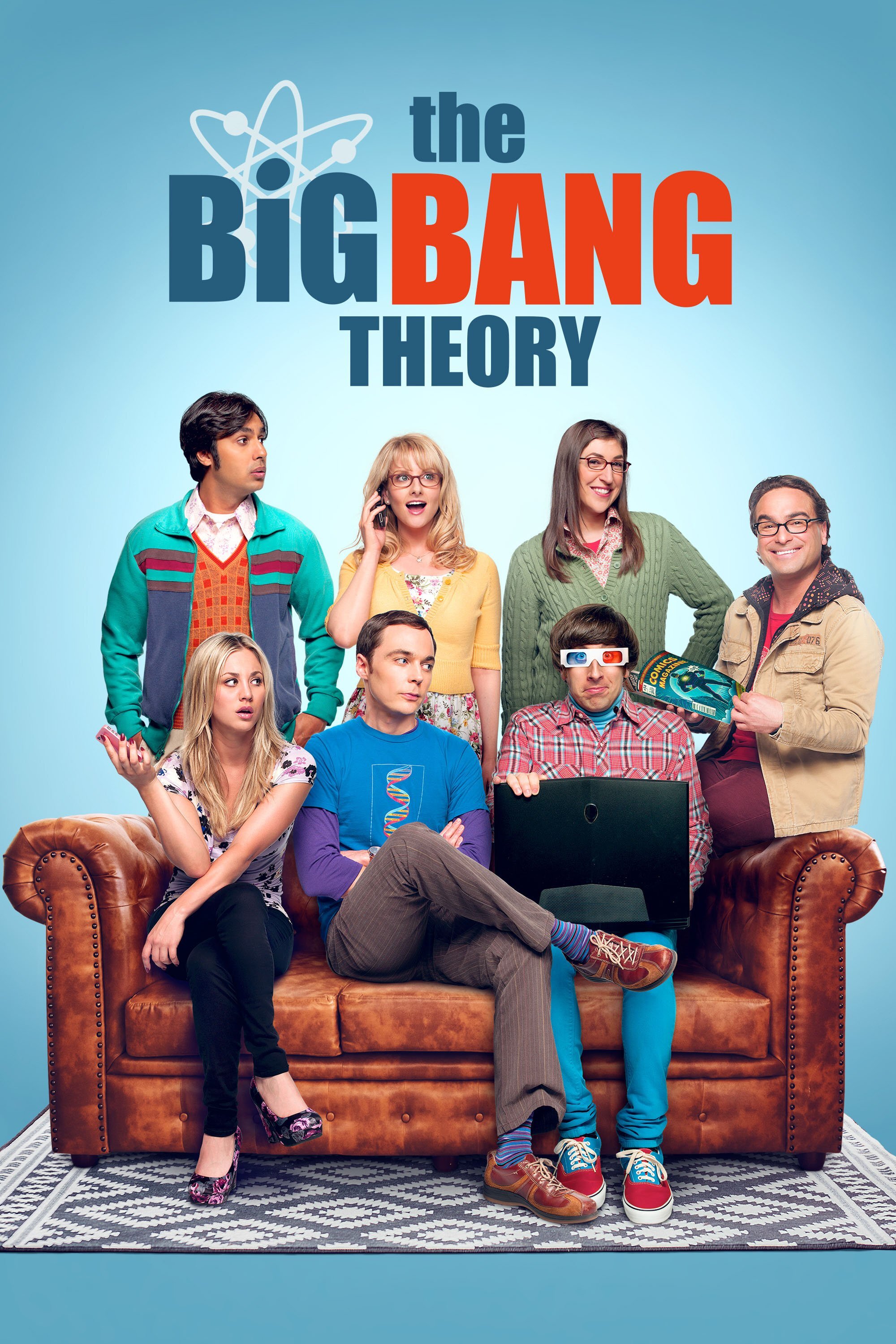
The Big Bang Theory2007
Hawking himself guest-starred on this sitcom, and the show riffs constantly on the exact kind of cosmology he spent his life on. It's dumb fun, but it's fun from a place of real affection for the ideas.
But Laugh track. Condescending to both its characters and its audience. The jokes don't land if you find the premise annoying.
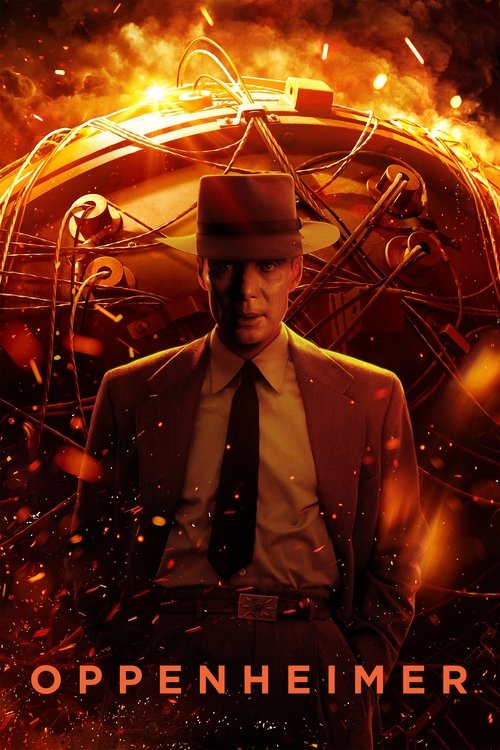
Oppenheimer2023
Christopher Nolan's film about another theoretical physicist who changed how we understand reality. Less interested in the man's daily life, more interested in the weight of genius and what it costs.
But Three hours and loudly made. Nolan's style can feel like work—all dramatic music and overlapping dialogue meant to disorient you.
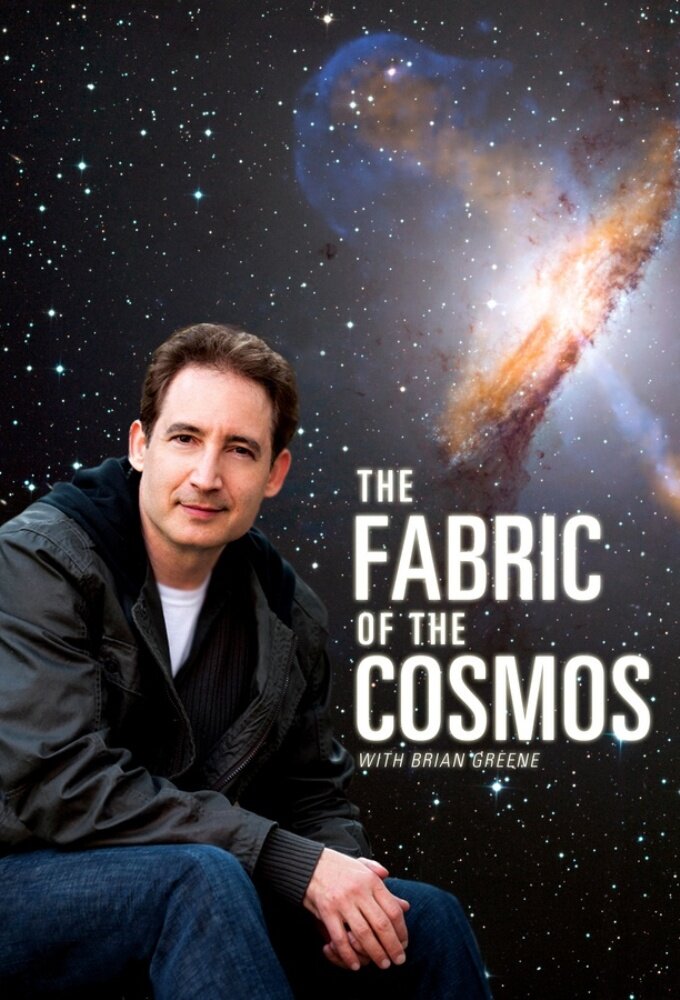
The Fabric of the Cosmos2011
Brian Greene walks through space and time with visual flair and genuine clarity. Hawking's ideas about black holes, singularities, and the nature of time appear throughout as foundation blocks.
But Slick to the point of glossiness. A public television special dressed in high-production values, which some find alienating.
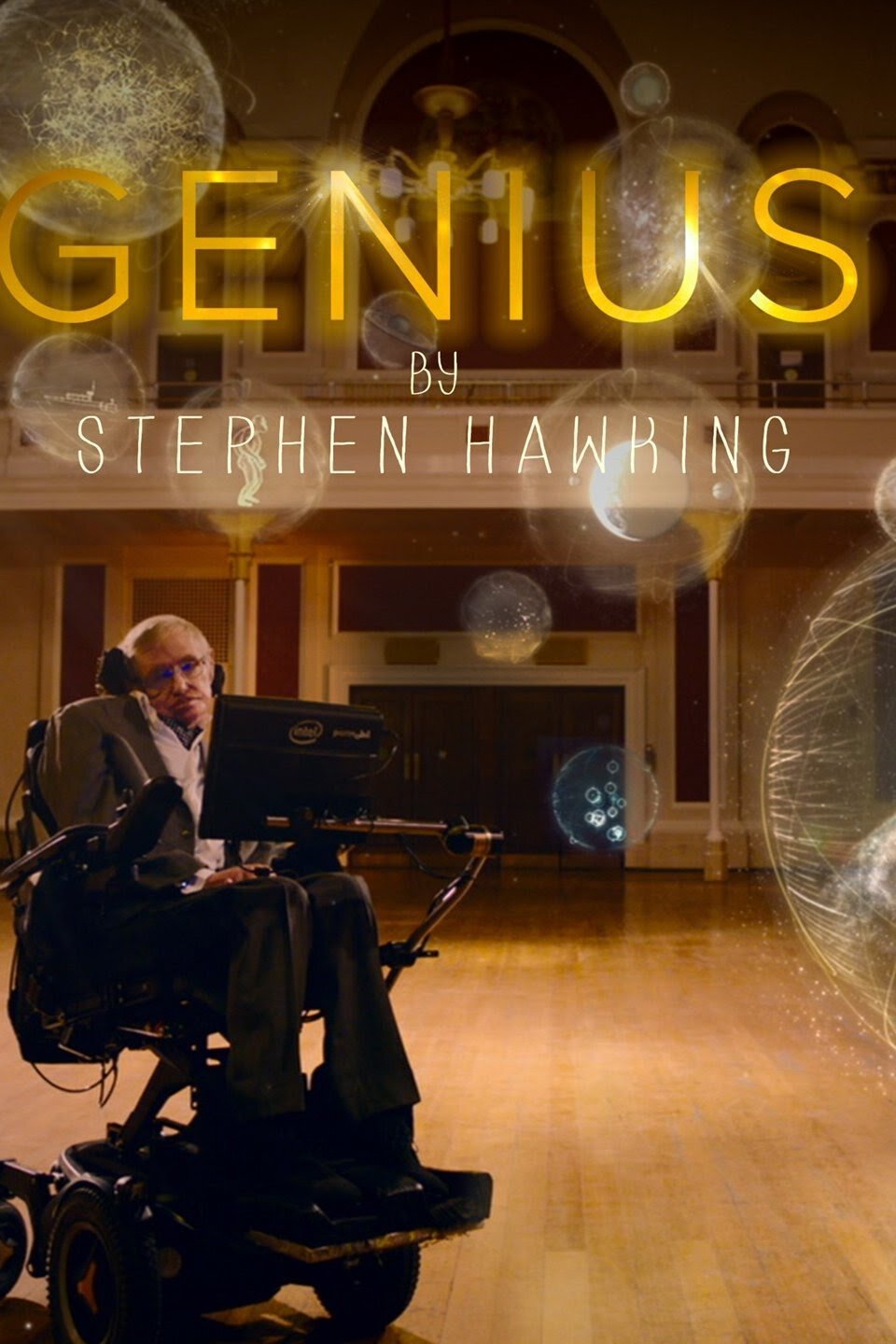
Genius by Stephen Hawking2016
Hawking himself narrates this National Geographic series exploring the intersection of science and human curiosity across different disciplines. A chance to hear him as teacher.
But The episodes vary wildly in quality. Some feel forced, and the framing device doesn't always justify itself.
Stalker1979
Both are about the pursuit of fundamental truth—cosmological or spiritual—and what it does to a person. Both suggest that understanding the universe might not be the same as understanding yourself.
Tarkovsky's science fiction film about a guide leading strangers through a mysterious zone toward a room that grants wishes. Glacially paced, visually hypnotic, about desire and knowledge and what we're willing to sacrifice to understand.
But Nearly three hours of slow contemplation. If you need plot momentum or narrative clarity, this will feel like punishment rather than meditation.

The Act of Killing2012
Both are about how the mind works—Hawking's externally through equations, Oppenheimer's through the psychology of denial and rationalization. Both suggest that intelligence and understanding don't guarantee wisdom or goodness.
Joshua Oppenheimer's documentary asks Indonesian death-squad leaders to recreate their own murders on film, forcing them to confront what they've done. Devastating, formally inventive, asks whether understanding and moral reckoning are even possible.
But Extremely disturbing. Features real violence, real perpetrators, real trauma. This is not entertainment, and calling it that feels obscene.

People
Cast
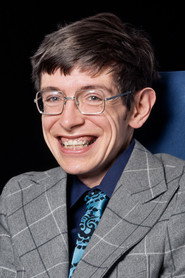 Stephen HawkingSelf
- Isobel HawkingSelf - Stephen Hawking's Mother
- Janet HumphreySelf - Stephen Hawking's Aunt
- Mary HawkingSelf - Stephen Hawking's Sister
- Basil KingSelf - Childhood Friend
- Derek PowneySelf - Oxford Classmate
- Robert BermanSelf - Stephen Hawking's Tutor
Directing
- Errol MorrisDirector
- Nick Heckstall-SmithFirst Assistant Director
Writing
- Stephen HawkingAuthor
Production
- Colin EwingExecutive Producer
- Gordon FreedmanExecutive Producer
- Rory JohnstonExecutive Producer
- David HickmanProducer
- Christine A. SacaniProduction Coordinator
Recommended by
His Dark Materials, Numb3rs, Blue's Clues, Ghosts of the Abyss, The Farthest, Thomas & Friends, Particle Fever, Original Cast Album: Company, Powers of Ten, Jim Henson Idea Man, Near Death, Gods and Monsters, The Story of Science: Power, Proof and Passion, The Toys That Built America, The Beach Boys, Our Mr. Sun, Reel Bad Arabs: How Hollywood Vilifies a People, Andrew Marr's History of the World, Muppet Guys Talking: Secrets Behind the Show the Whole World Watched, DMT: The Spirit Molecule, The Question of God: Sigmund Freud & C.S. Lewis, Brainman, The Hunters, Eames: The Architect and the Painter, Hawking, The Fabric of the Cosmos, Genius by Stephen Hawking, Archive X: Unexplained Phenomena, Salam - The First ****** Nobel Laureate, Wonders of the Universe, Failure Is Not an Option, What the #$*! Do We (K)now!?, Pale Blue Dot, Dancemaker, Stephen Hawking's Universe, The Sky at Night, Gacy, Vessel, Zeitgeist: The Movie, The Shock Doctrine, Dexter's Laboratory, Mission Mangal, Our Friend the Atom, Hemo the Magnificent, The Mechanical Universe... and Beyond, All Light, Everywhere, Terror of Mechagodzilla, The Principle, The Curious Incident of the Dog in the Night-Time, PBS Space Time, The Science of Interstellar, The Elegant Universe, Chasing Einstein, The One Percent, Mega Monster Battle: Ultra Galaxy Legends The Movie, Soundbreaking, In Search of Ancient Astronauts, Noam Chomsky: Rebel Without a Pause, Time Trap, Tomorrowland, Struggle: The Life and Lost Art of Szukalski, Hubble: 15 Years of Discovery, Loose Change, Cyberchase, The Day After Trinity, Robots, The Weight of Chains 2, 12:01, The Advisors Alliance, The Pleasure of Finding Things Out, The Phenomenon, Scott Walker: 30 Century Man, The Photographer, Sarbjit, The Unbelievers, Chasing Pluto, Cosmic Zoom, The God Delusion Debate