
Film
The Pleasure of Finding Things Out
- Light-hearted
A 1981 conversation with physicist Richard Feynman, captured in fifty minutes of pure intellectual joy. He talks about curiosity, science, wonder, and why the act of discovery matters more than being right. Feynman has a gift for making abstract ideas vivid and personal. This is for anyone who's ever loved learning for its own sake, or wondered what it looks like when a truly alive mind thinks out loud.
If you liked this
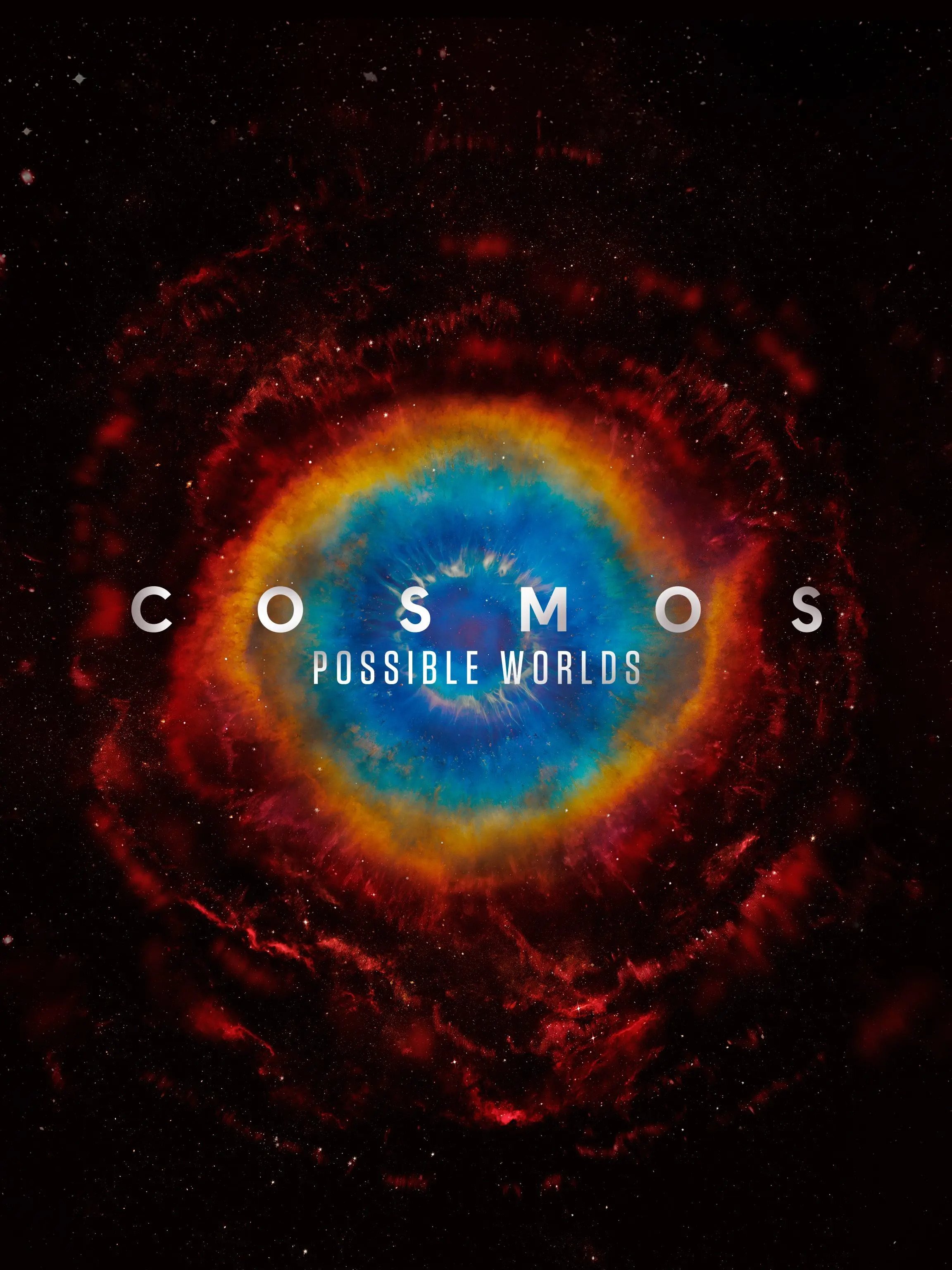
Cosmos1980
Carl Sagan's successor Neil deGrasse Tyson carries forward the mission of making the universe feel immediate and awe-struck. Thirteen hours of science presented as narrative, as story, as something worth your wonder.
But The scale can feel overwhelming, and some episodes prioritize spectacle over depth. It asks a lot of your attention.
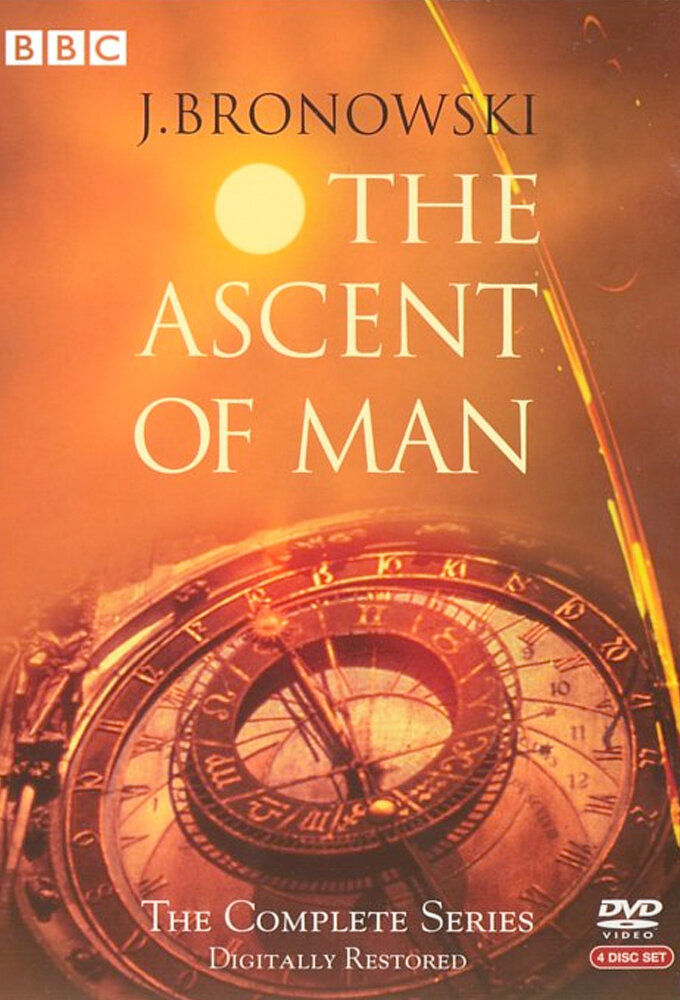
The Ascent of Man1973
Jacob Bronowski's thirteen-part essay on human knowledge and invention, filmed in real locations where ideas were born. It has the same gift as Feynman—making the abstract suddenly tangible through personality and presence.
But The pacing is deliberate, even meditative. If you want quick answers, this isn't the place.
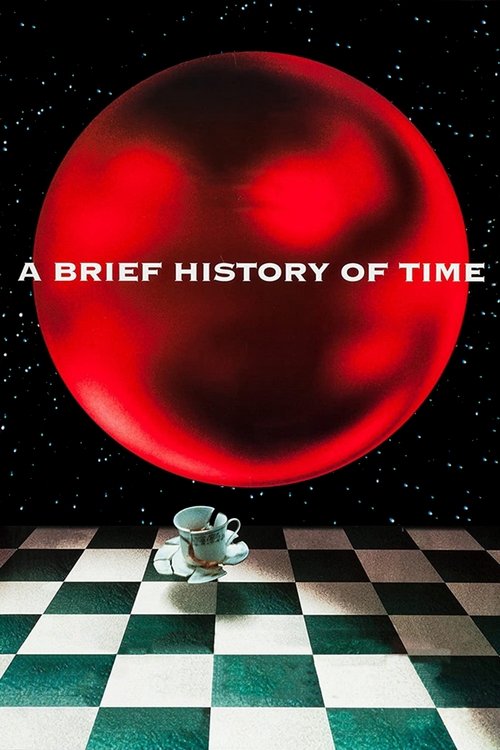
A Brief History of Time1991
Errol Morris directs Stephen Hawking through the mysteries of black holes and time itself. It's visual, intimate, and treats profound questions with genuine reverence rather than dumbing them down.
But Hawking's communication device means the rhythm is slow and requires patience. Some viewers find the silence uncomfortable.
Not sure tonight? Get a pick in a minute, starting from The Pleasure of Finding Things Out
The wildcard
Something you would not have found on your own.
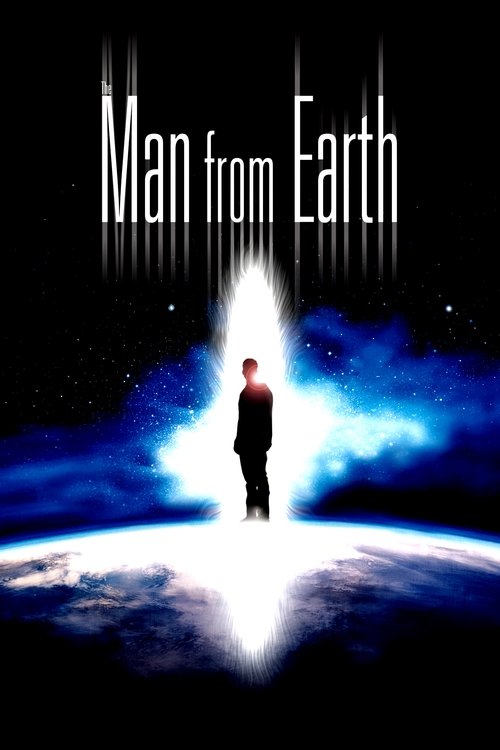
The Man from Earth2007
Like Feynman's interview, it's a brilliant mind explaining the inexplicable through logic and story. The pleasure comes from following the argument, not from being entertained.
A professor reveals he's a 14,000-year-old man to his colleagues. One room, one conversation, pure ideas. It's low-budget filmmaking that trusts the audience to follow complex reasoning without visual distraction.
But Filmed like a stage play. No action, no spectacle, no music. If conversation and ideas alone don't grip you, this will feel like homework.
More like this (7)
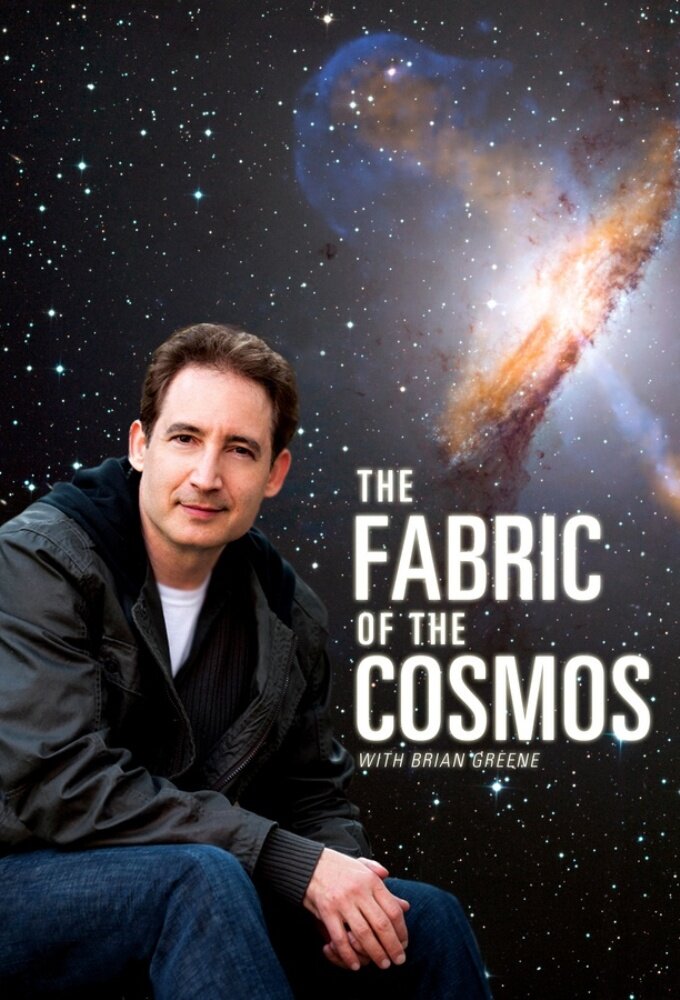
The Fabric of the Cosmos2011
Brian Greene makes quantum mechanics and relativity feel like mysteries worth staying up all night thinking about. Four episodes of genuine intellectual electricity, with experiments that actually illuminate the ideas.
But The graphics can feel dated now, and Greene's enthusiasm occasionally outpaces his clarity. Some sequences are more style than substance.
Particle Fever2013
A documentary about the hunt for the Higgs boson that treats physics as human drama. You don't need to know what a Higgs boson is—you'll care because the physicists care, deeply.
But The technical material is real and uncompromised. If you check out during the physics, there's not much backup plot to carry you.
My Cousin Vinny1992
A perfect comedy about thinking clearly and paying attention to detail. Feynman would recognize the pleasure here—watching someone reason through a problem step by step, without shortcuts or lazy assumptions.
But It's a courtroom comedy from 1992, so the pacing and humor are decidedly of that era. Not everyone's tempo.

Oppenheimer2023
Christopher Nolan's portrait of the physicist as a man caught between intellectual brilliance and moral weight. It captures the intoxication of discovery and the price that comes with it.
But Three and a half hours, non-linear structure, and Nolan's maximalist sound design can feel exhausting rather than clarifying.

The Right Stuff1983
Philip Kaufman's epic about test pilots and astronauts celebrates the particular pleasure of being excellent at something difficult. It's about people who find joy in the work itself, not the fame.
But Nearly four hours long. The episodic structure means momentum stalls periodically. Patience required.
Genius by Stephen Hawking2016
Three episodes exploring the lives of three geniuses—Einstein, Hawking, and Jim Henson. The Henson episode especially captures what it means to see the world differently and follow that vision.
But Uneven in tone and quality. Some segments feel more like hagiography than genuine inquiry into how creative minds actually work.
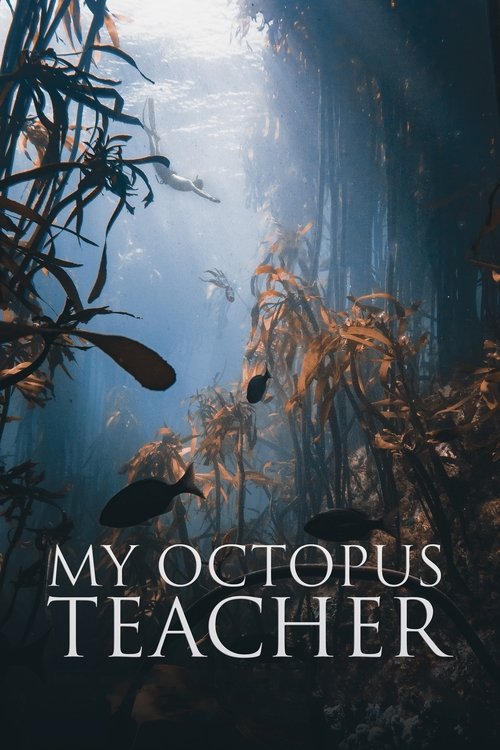
My Octopus Teacher2020
Feynman spoke constantly about curiosity as a moral position—the willingness to watch and wonder without rushing to conclusions. This film is that ethic applied to nature itself.
A filmmaker spends a year observing a single octopus in a South African kelp forest. It's about patience, attention, and the profound strangeness of other minds. Quiet and meditative and genuinely moving.
But Slow pacing and no traditional narrative. Some viewers find it glacial. The emotional beats are subtle, which means they can feel like nothing if you're not in the right headspace.
People
Cast
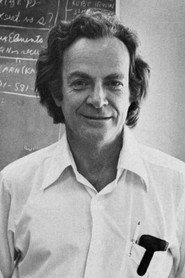 Richard Feynmanhimself
Directing
- Christopher SykesDirector