
Television series
Genius by Stephen Hawking
- Mystery
- Light-hearted
- Dip in and out
Hawking guides three smart people through hands-on experiments exploring the biggest questions in science: time, space, consciousness, life. Each episode unpacks a different mystery—gravity, the universe's origins, whether we're alone—by recreating the experiments that built our understanding. It's accessible and visually generous, designed for curious minds who want science explained by someone who truly understood it.
Should you watch it?
Watch it if you enjoy watching big ideas get built up from first principles with hands-on demonstrations, and you don't mind a host who sounds like he's gently delighted by the universe on your behalf.
Skip it if you want the rigorous equations and detailed lab science of a university lecture, since this stays breezy and sets up experiments mainly to make the concepts visible to a general audience.
What it asks of you: Six one-hour episodes make a short, easy commitment, with a steady, unhurried pace and a light touch that asks for curiosity more than any prior training in physics or biology.
Not sure? Find tonight's pick in a minute.
If you liked this
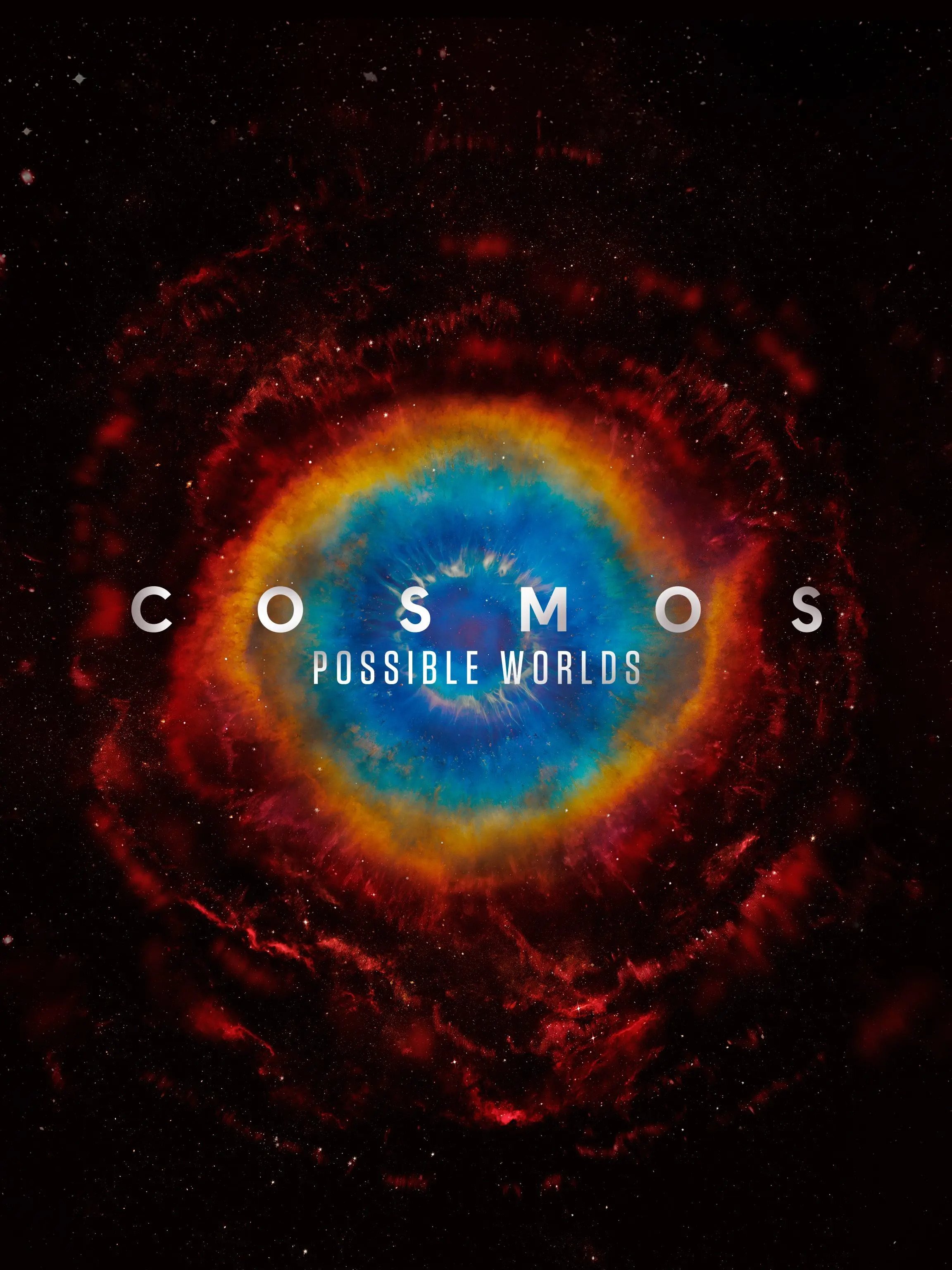
Cosmos1980
Neil deGrasse Tyson brings the same warm authority and sense of wonder to the universe's biggest questions. Stunning visuals, rigorous science, and the feeling that someone genuinely brilliant is excited to share what they know.
But Thirteen hours is a commitment, and some episodes drift into territory more poetic than explanatory. The scope can feel overwhelming.
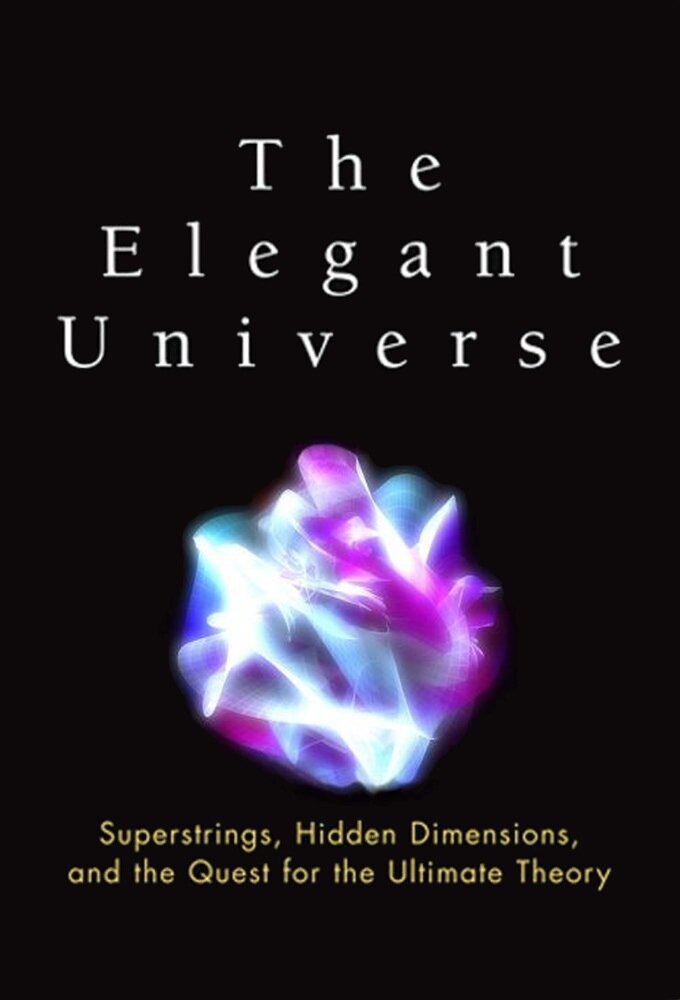
The Elegant Universe2003
Brian Greene makes string theory comprehensible through thought experiments and clever analogies. It's intellectually serious but never talks down to you, tackling the gap between quantum mechanics and gravity with clarity and humour.
But The physics is genuinely difficult. You need to stay focused, and some concepts resist easy visualization no matter how well it's explained.
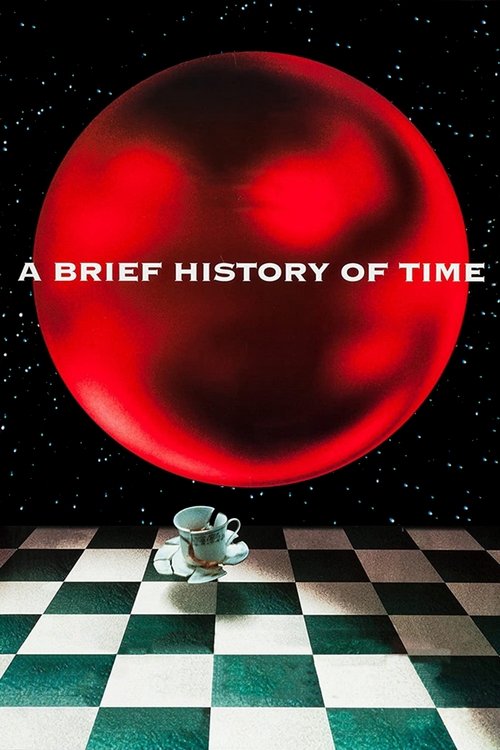
A Brief History of Time1991
Errol Morris's documentary about Hawking himself, using his own voice and animation to explore black holes and the beginning of time. It's intimate and strange, like listening to someone think out loud about infinity.
But The pacing is deliberately unhurried. If you want quick answers, this film asks you to sit with difficult ideas instead.
Not sure tonight? Get a pick in a minute, starting from Genius by Stephen Hawking
The wildcard
Something you would not have found on your own.
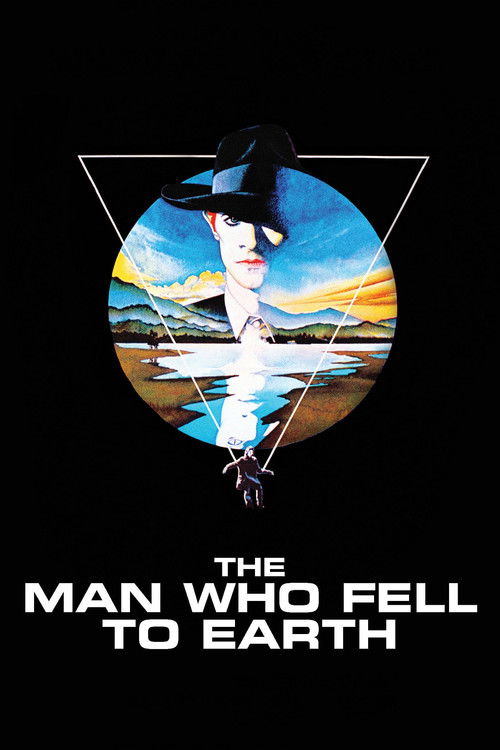
The Man Who Fell to Earth1976
Both use rigorous intellectual frameworks to ask fundamental questions about existence and otherness—what it means to be an observer looking in from the outside.
A strange, slow science-fiction film about an alien trying to understand Earth. Like Hawking's work, it's built on genuine physics and the vertigo of seeing the familiar from a radically outside perspective. Patient, haunting, and interested in ideas over plot.
But It moves at its own pace and resists easy answers. Long stretches are cryptic rather than clear, and the ending is deliberately ambiguous.
More like this (6)
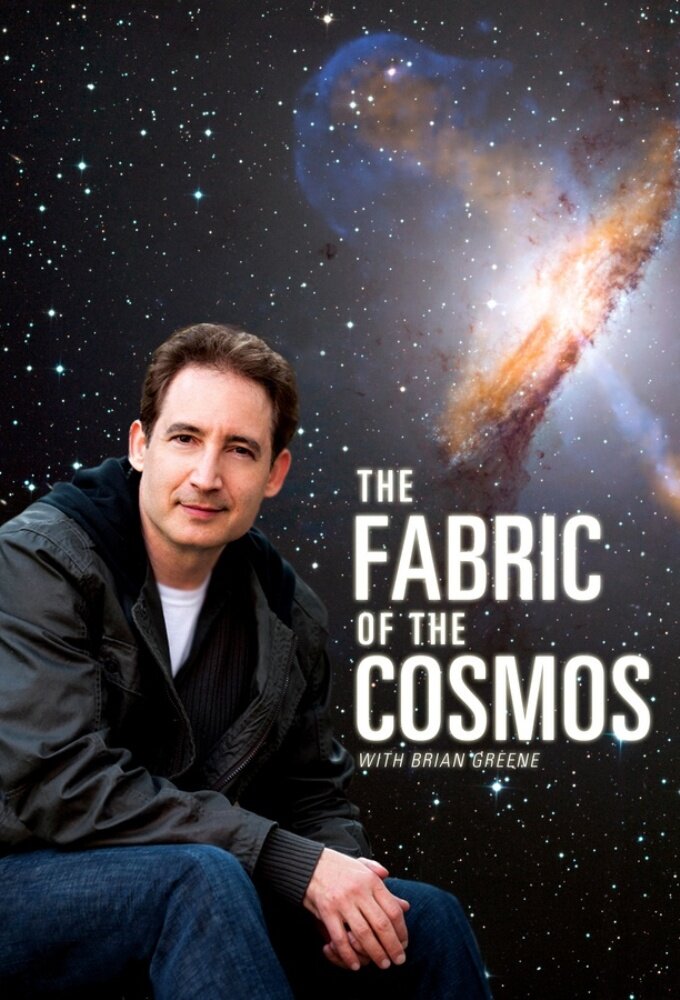
The Fabric of the Cosmos2011
Brian Greene again, this time tackling space, time, and what reality actually is. Four tight episodes that move quickly without sacrificing depth. Each one is a complete thought.
But Watching multiple Greene documentaries in sequence risks repetition of his favourite analogies and thought experiments.
Particle Fever2013
A documentary about the search for the Higgs boson that reads like a thriller. Scientists you come to care about, real stakes, and the moment of discovery captured with genuine emotion and clarity.
But It assumes some baseline physics knowledge. The jargon thins out quickly but never disappears entirely.
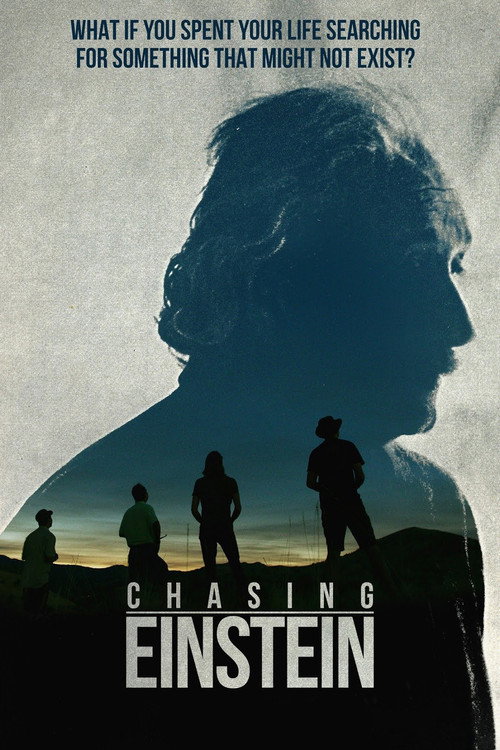
Chasing Einstein2019
Follow physicists chasing gravitational waves, dark matter, and other frontiers. The experiments are real, the questions are enormous, and you see science happening in the present rather than in history.
But It jumps between multiple storylines and never settles into one. The fragmentation can feel scattered if you're looking for narrative coherence.
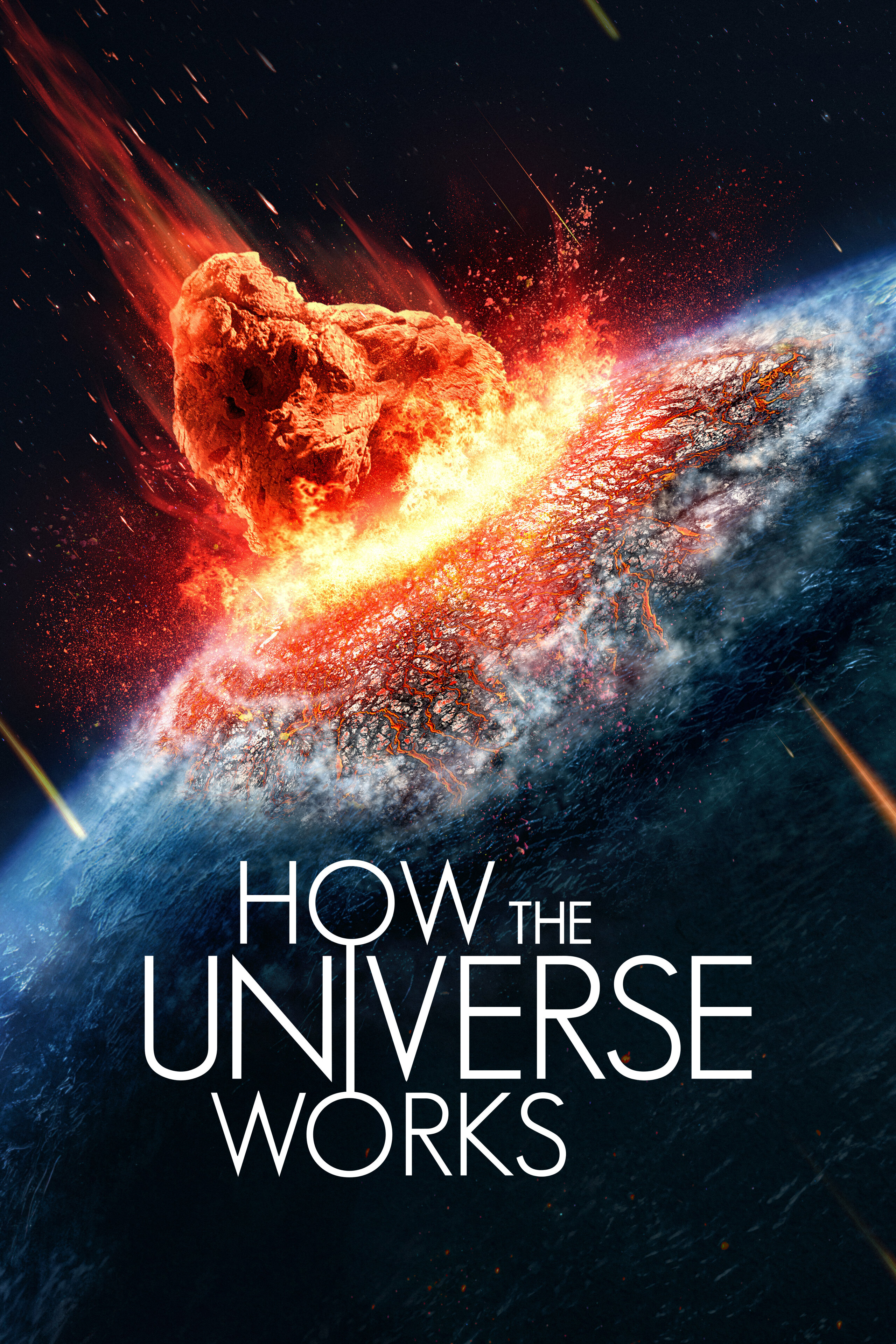
How the Universe Works2010
Episodes about black holes, supernovas, and the Big Bang with good visual effects and explanations. Shorter than Cosmos, punchy, covers real ground without pretension.
But It's more surface than depth. The show explains *what* happens but rarely lingers on *why* at a deeper level.
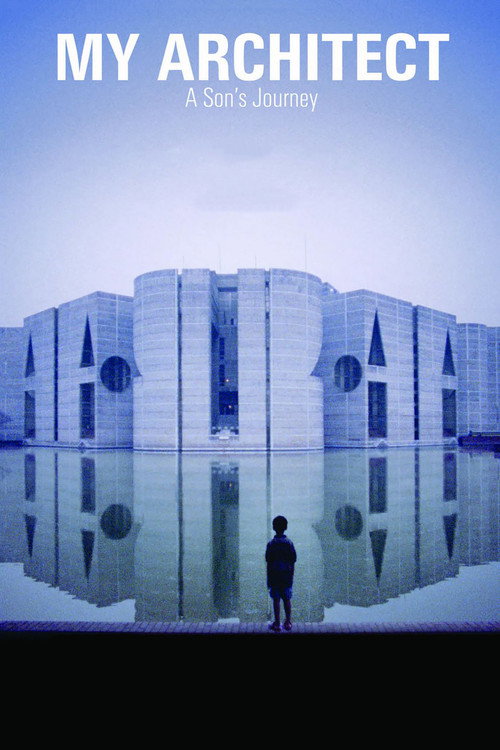
My Architect: A Son's Journey2003
Like Hawking's approach, it reveals the architecture underlying complex systems—in this case, how one mind shapes space and thought through logic and vision.
A documentary about Louis Kahn, a architect genius the filmmaker never knew. Assembling understanding from fragments—interviews, buildings, letters—it captures how great minds solve problems through structure and pattern. Visually and intellectually breathtaking.
But It's as much about grief and estrangement as about architecture. If you want a straightforward biography, this is oblique and personal instead.
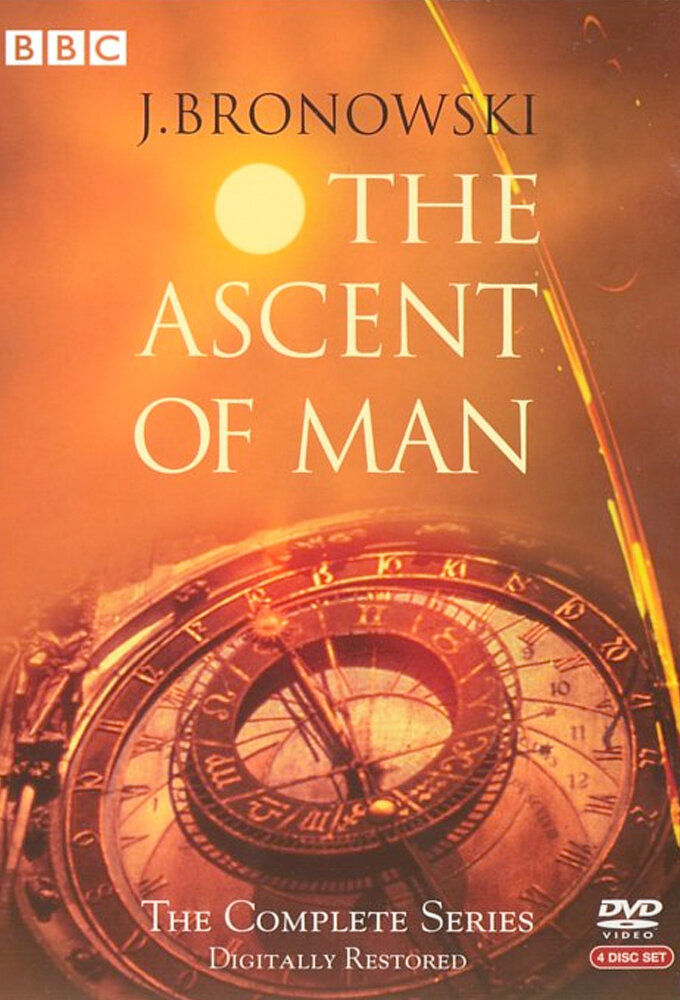
The Ascent of Man1973
Both series use demonstrations and historical reconstruction to show that scientific thinking isn't abstract—it's how human beings have always tried to make sense of existence.
Jacob Bronowski's 1973 series argues that science is not separated from human culture but woven through it—art, history, ethics all emerge from the same drive to understand. Every episode is a small work of philosophy and passion. Hawking's intellectual heir.
But The production is visibly old. Bronowski's delivery is mannered in a way that takes adjustment. It demands active attention in a way contemporary TV doesn't.
People
Cast
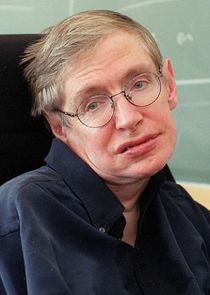 Stephen HawkingHost
Recommended by
A Brief History of Time, How the Universe Works, The Story of Science: Power, Proof and Passion, Strip the Cosmos, Life After People, Curiosity, Our Universe, The Elegant Universe, The Pleasure of Finding Things Out