
Television series
Life After People
Life After People is a speculative documentary series that imagines Earth without humanity, using visual effects and historical precedent to explore what would happen to our cities, infrastructure, and ecosystems. It's meditative and occasionally unsettling, treating the premise seriously rather than sensationally. For anyone who finds themselves wondering about collapse, nature's resilience, or the fragility of civilization.
Should you watch it?
Watch it if you love slow, eerie thought experiments about cities going quiet, where the fun is in watching rust, weeds and wildlife quietly take over the built world.
Skip it if you want characters, a plot, or a human face on the story, because this is a narrated tour of ruins and empty streets with no one to follow.
What it asks of you: Unhurried and wonder-led, its fifty-minute episodes ask you to settle in for a long, calm run across three seasons and twenty-eight installments.
Not sure? Find tonight's pick in a minute.
If you liked this
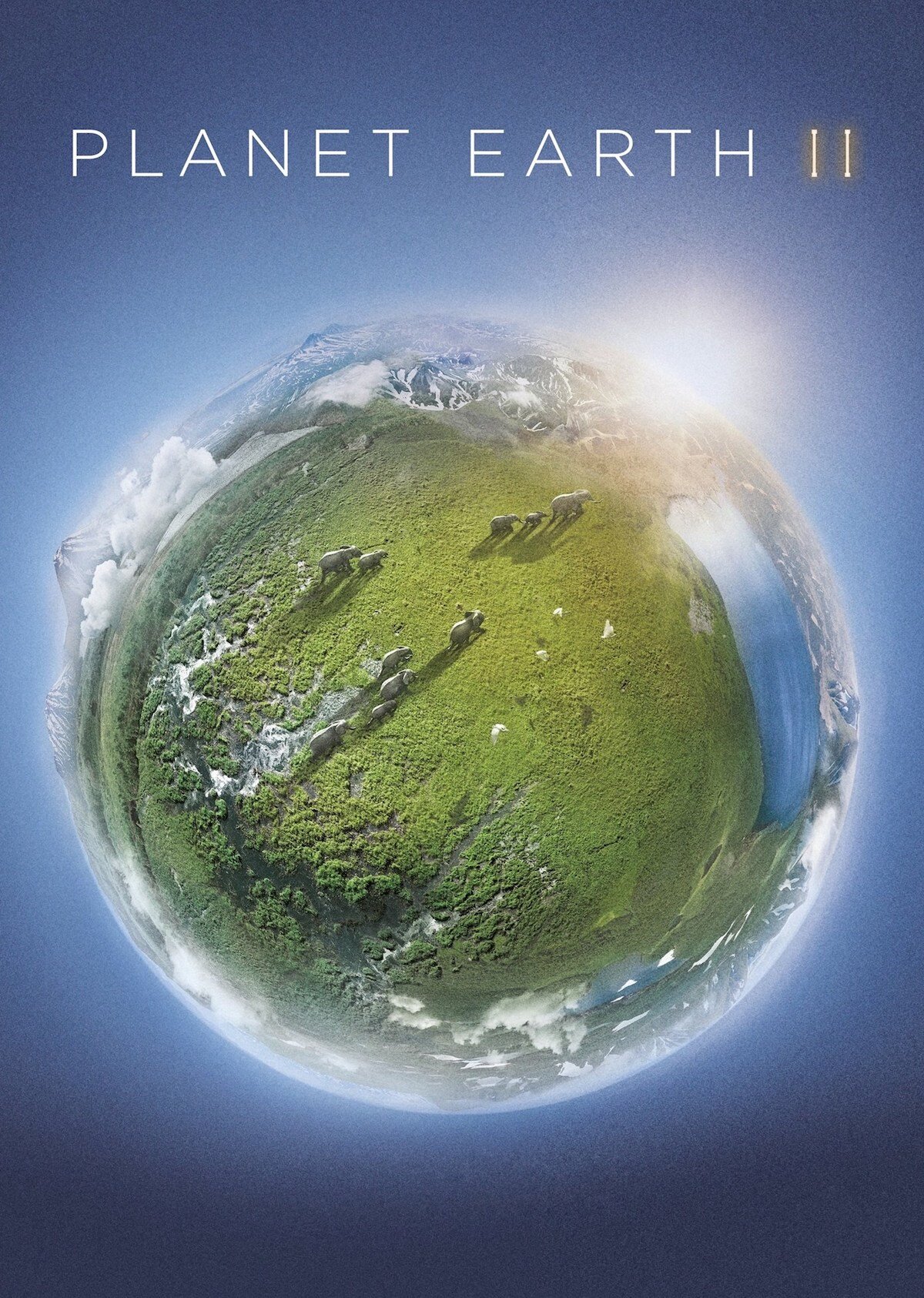
Planet Earth II2016
David Attenborough narrates jaw-dropping cinematography of wild ecosystems thriving in places humans have abandoned or barely touched. It's the optimistic counterpoint to Life After People—nature as it exists without us.
But Slow pacing and contemplative tone mean it's not thrilling in a conventional sense. Some episodes focus heavily on creatures you might find tedious.
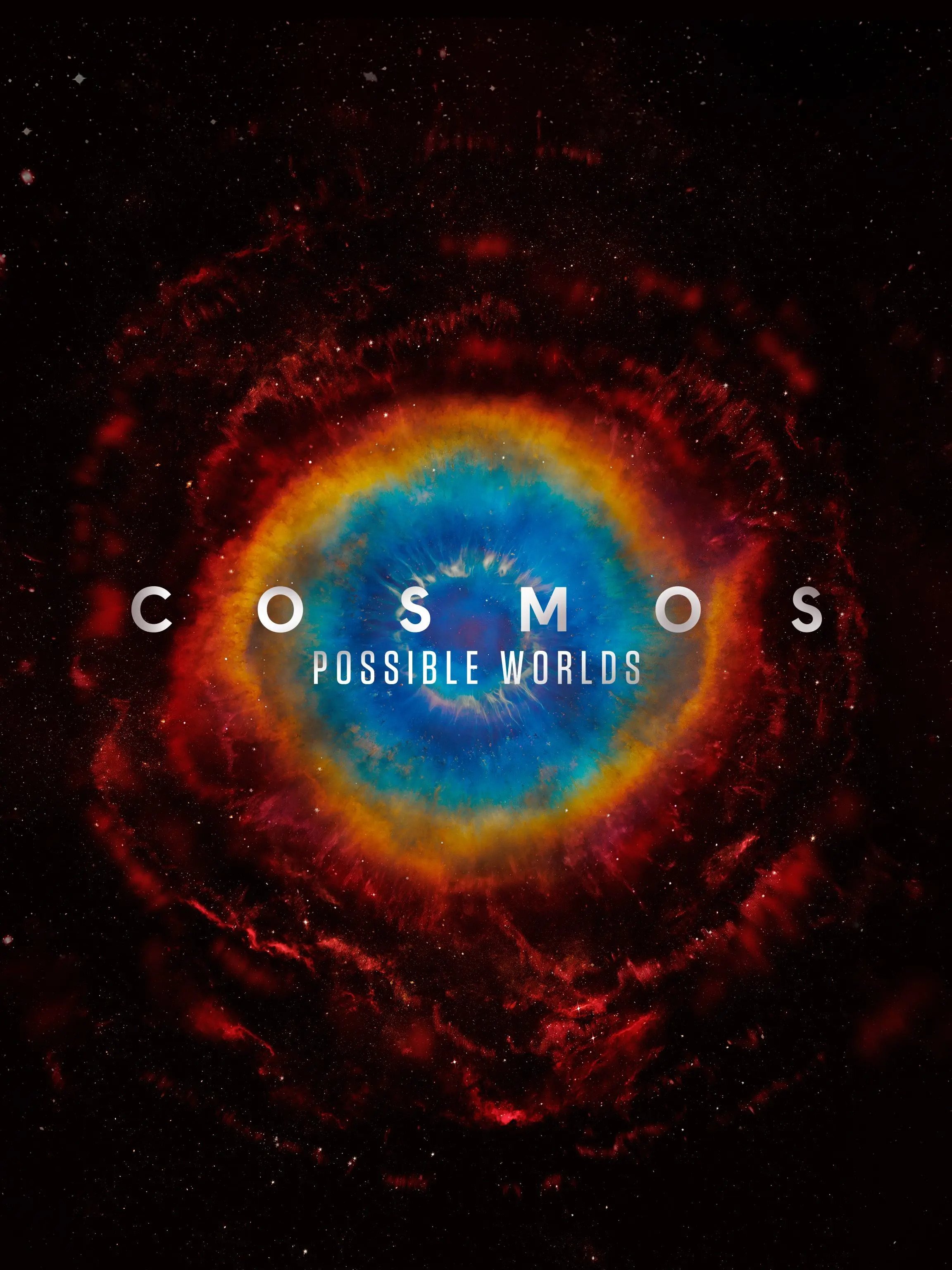
Cosmos1980
Carl Sagan's framework applied to modern science with stunning visuals and genuine intellectual wonder. It shares Life After People's ambitious scope and sense that we're tiny in deep time.
But Dense with information and sometimes lectures rather than explores. Requires patience and some science literacy to fully absorb.
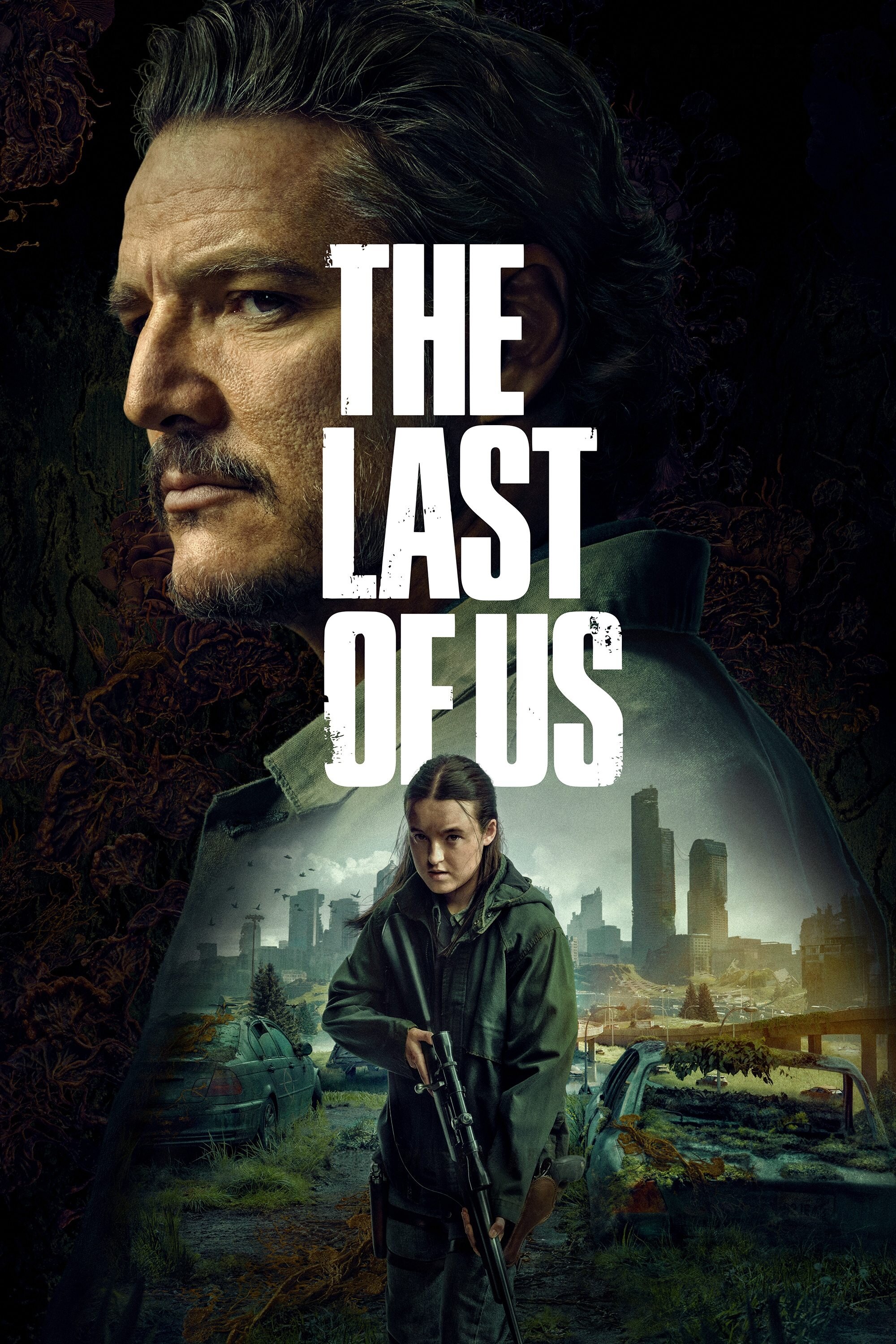
The Last of Us2023
Post-apocalyptic narrative that asks similar questions about what remains when humans are gone or diminished. Beautifully shot, emotionally grounded, and genuinely suspenseful about civilization's fragility.
But Graphic violence and body horror. Fungal infection premise might feel exploitative rather than thought-provoking depending on your tolerance.
Not sure tonight? Get a pick in a minute, starting from Life After People
The wildcard
Something you would not have found on your own.
Stalker1979
Both imagine what a landscape becomes when human purpose withdraws from it, and both treat that emptiness as profound rather than merely sad or thrilling.
Andrei Tarkovsky's meditative sci-fi about entering a forbidden zone where nature has reclaimed human space and strange physics govern. Slow, hypnotic, visually like Life After People but filtered through existential dread rather than curiosity.
But Three hours of philosophical meandering with almost no plot. Shot on 35mm in a decaying Soviet power plant—beautiful but deliberately bleak. Requires patience most documentaries don't demand.

More like this (6)
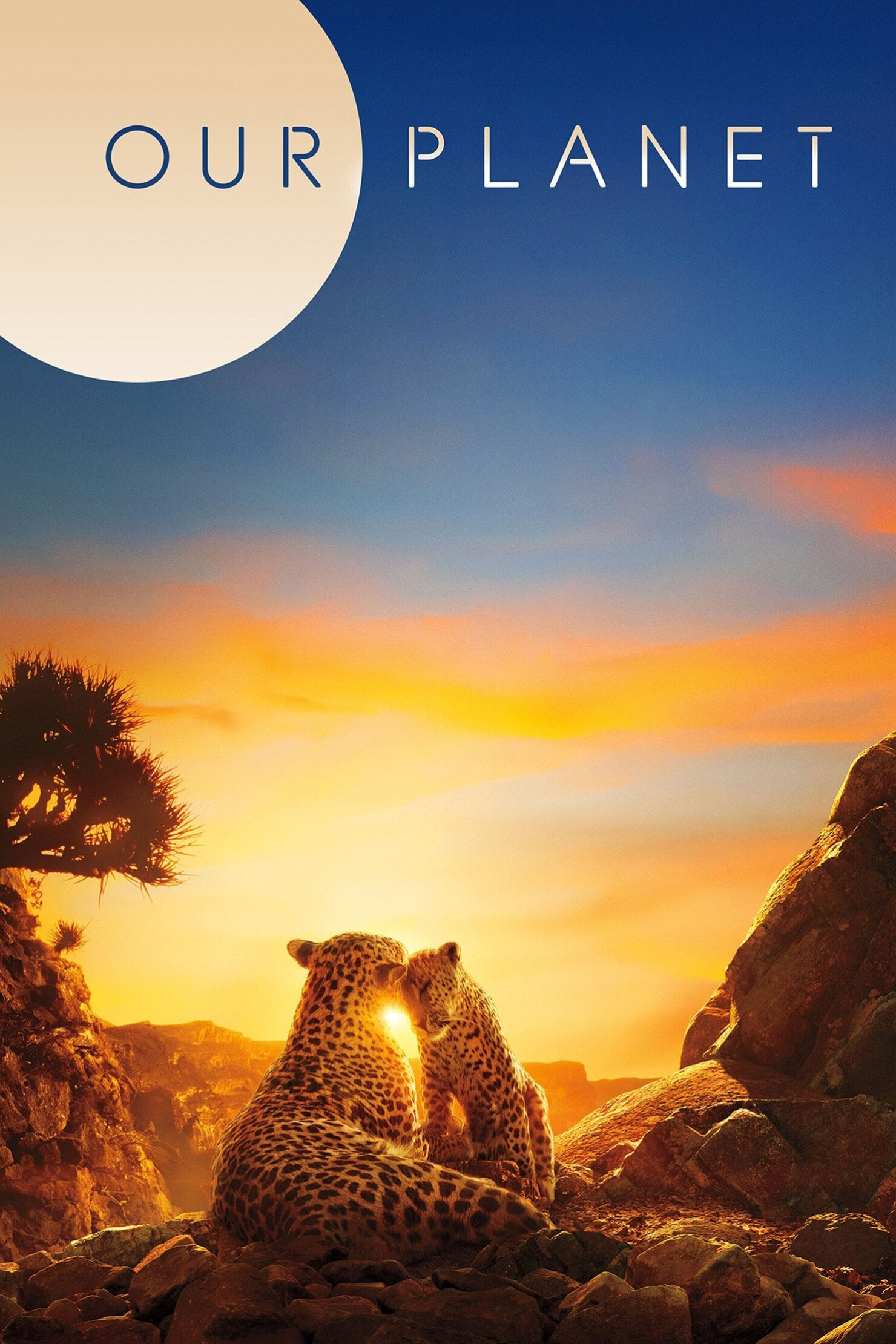
Our Planet2019
Attenborough again, but this time explicitly about how humans are reshaping Earth. The inverse of Life After People—the planet with us still in it, changing in real time. Visually extraordinary.
But Heavy environmental messaging can feel preachy. Difficult to watch if climate anxiety hits you hard.
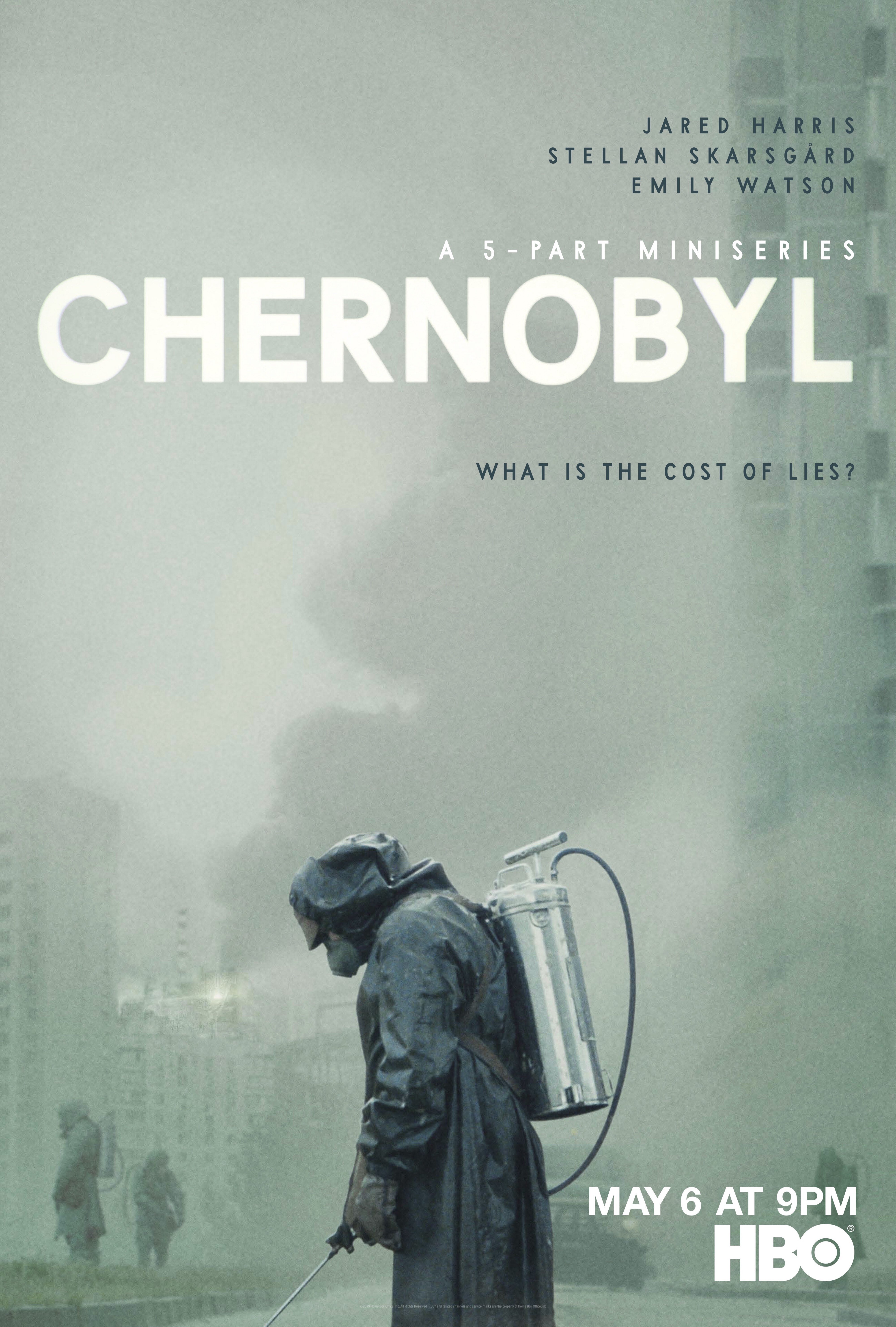
Chernobyl2019
A real-world case study in what happens when humans vanish from a place—the exclusion zone has become an accidental nature reserve. Five episodes of gripping history, mystery, and genuine awe at nature's return.
But Soviet bureaucracy and technical jargon dominate long stretches. If you want spectacle over procedural detail, you'll get frustrated.
Life2007
BBC's grand survey of animal adaptation and survival across every ecosystem. Reminds you how long life has persisted through catastrophes we can't imagine. Humans are newcomers in a very old story.
But Some nature footage involves predation and death. Older production values look dated now compared to recent David Attenborough work.

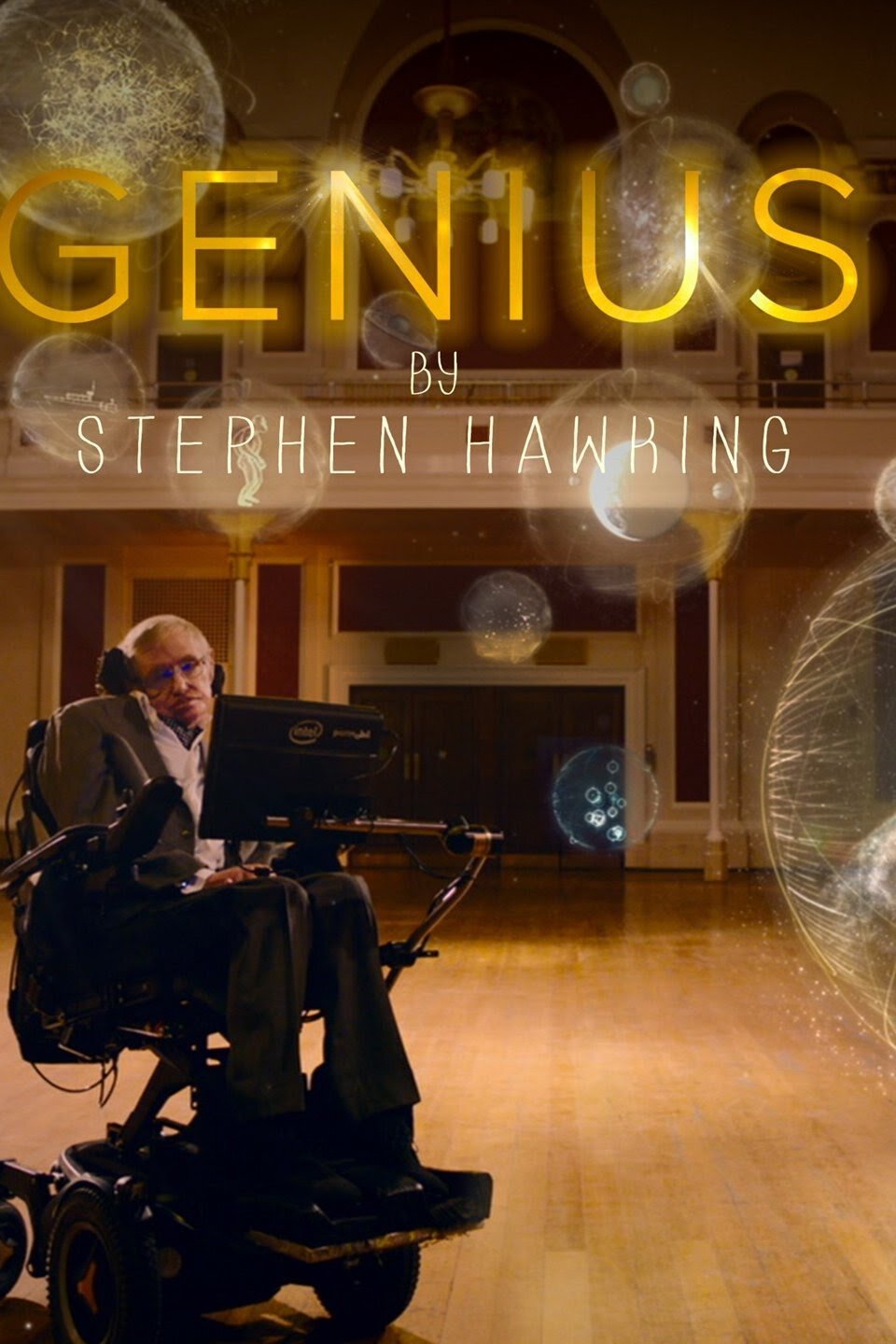
Genius by Stephen Hawking2016
Explores deep-time physics and the long-term fate of the universe. If you're drawn to Life After People's scope, this pushes even further—what happens after Earth itself is gone?
But Heavy on theoretical physics and can be abstract to the point of difficulty. Not visual or narrative-driven like Life After People.
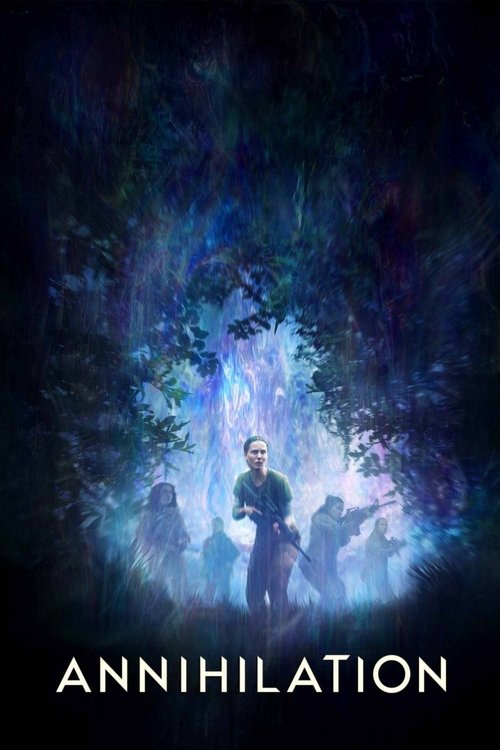
Annihilation2018
Shares the core question: what becomes of Earth when human control ends? But answers it through speculative biology and psychology rather than historical observation.
A mysterious shimmer has rendered a coastal zone strange—nature is still there but transformed into something alien and beautiful and wrong. Science-fiction body horror meets ecological wonder. Visually stunning and genuinely eerie.
But Abstract ending that refuses to explain itself clearly. Body-horror sequences are intense. If you want answers, this will frustrate you.
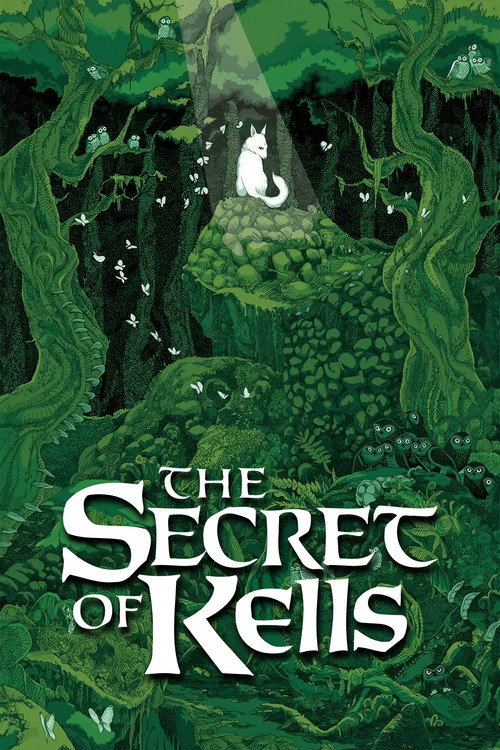
The Secret of Kells2009
Both explore the idea that beneath human infrastructure lies an older, wilder world ready to reassert itself—one treats it as scientific speculation, the other as fantasy, but both find it beautiful.
An animated Irish fantasy about a world where human civilization is fragile, nature is wild and magical, and the boundary between them is thin. Gorgeous hand-drawn animation that feels mythic. Same year as Life After People but operating in a completely different register.
But Aimed at younger audiences, which some adults find cloying. The plot is thin; it's primarily a visual and atmospheric experience.
People
Cast
 James LurieNarrator