
Television series
Deadly 60
- Action
- Dip in and out
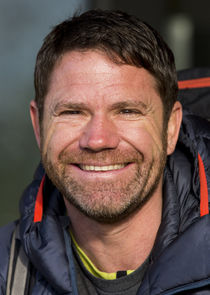
Steve Backshall travels the globe hunting down nature's sixty deadliest animals, getting as close as safety permits to venomous snakes, apex predators, and creatures with killing methods that defy belief. It's visceral, fast-paced, and designed to make wildlife feel genuinely dangerous rather than cuddly. For kids who love animals but also love adrenaline, and adults who never quite grew out of that impulse.
Should you watch it?
Watch it if you like nature films that treat animals as genuinely dangerous rather than cuddly, and you enjoy a presenter who gets physically stuck in the action with a grin and plenty of bravado.
Skip it if you want a calm, reflective look at wildlife, since this is brisk, loud and built around adrenaline, with the presenter's energy setting the tone for every episode.
What it asks of you: Each half-hour episode moves quickly, cutting between encounters and close-ups, so it asks for steady attention rather than long quiet stretches or slow contemplation.
Not sure? Find tonight's pick in a minute.
If you liked this
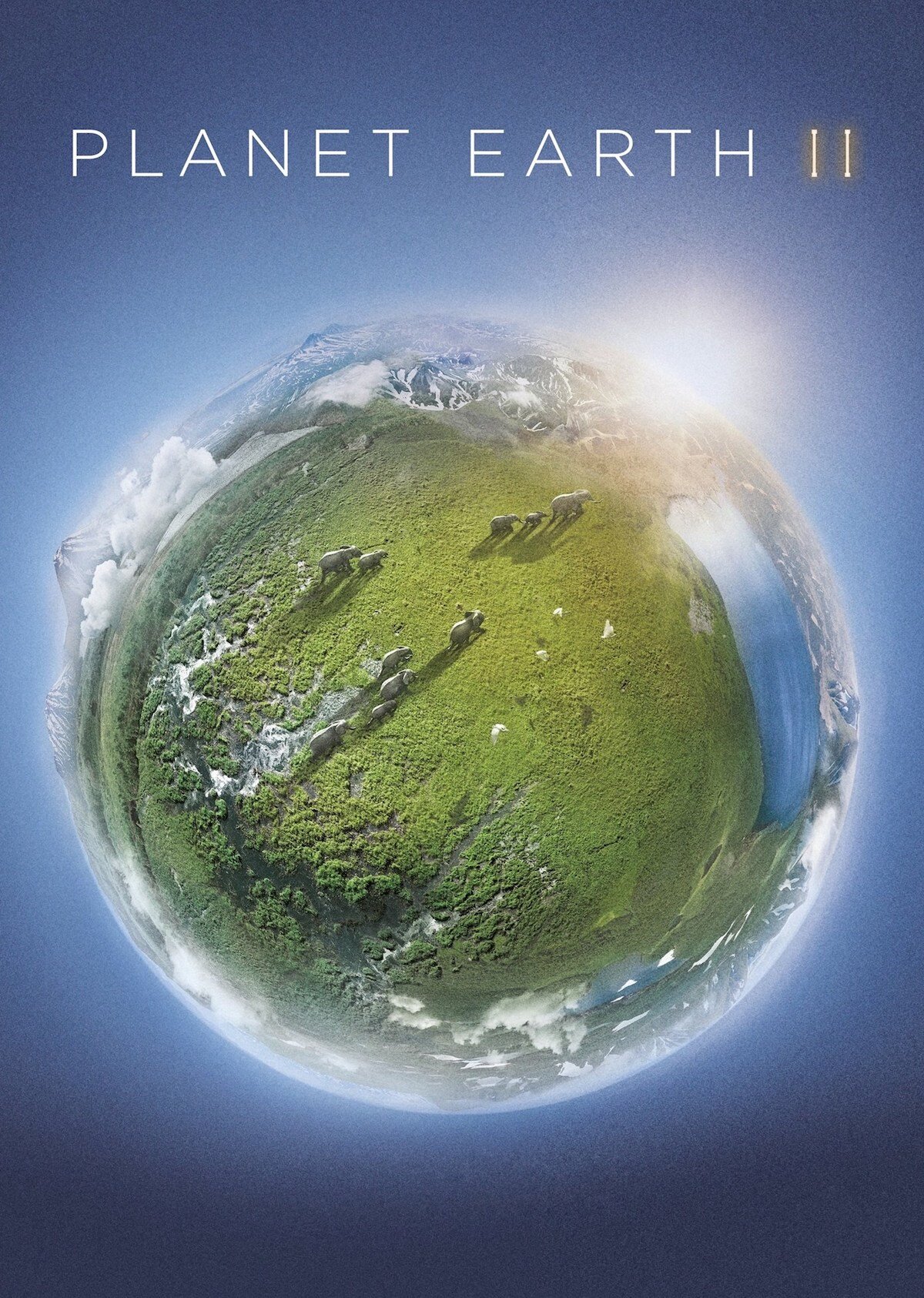
Planet Earth II2016
David Attenborough narrates jaw-dropping cinematography of animals in their natural habitats, from jungles to cities. It's the gold standard of wildlife television—patient, epic, and designed to make you gasp audibly.
But At six episodes, it demands time and attention. Some footage is unsettling (predation, starvation). The pacing is contemplative, not adrenaline-spiked.
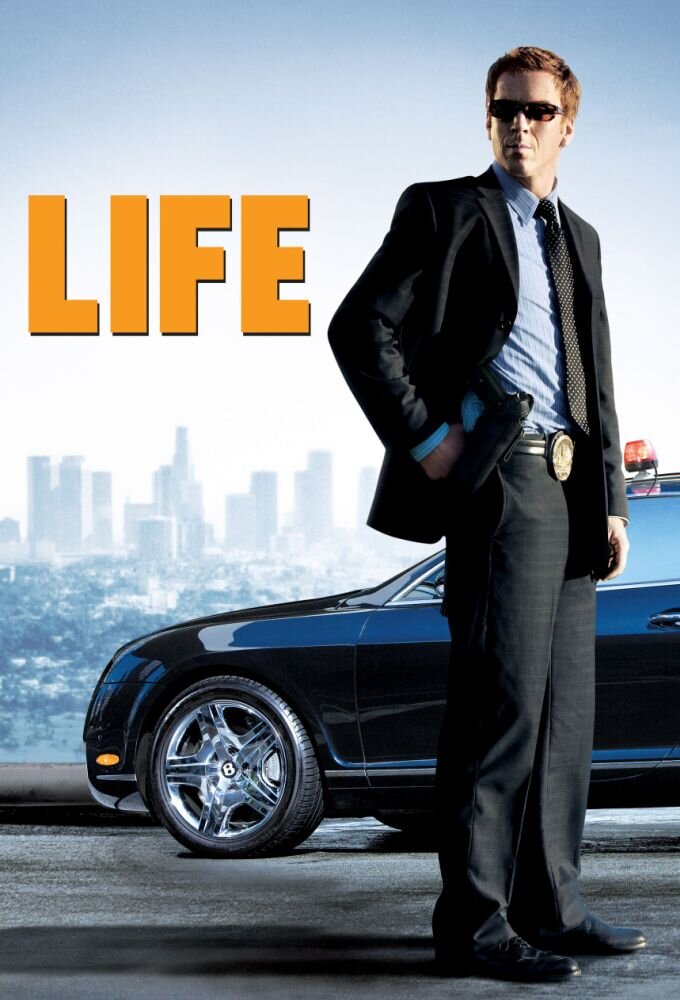
Life2007
Another Attenborough masterpiece tracking survival strategies across species and continents. The cinematography is extraordinary, and the ingenuity of predator and prey is genuinely mind-bending.
But Very long series. Less about danger and spectacle, more about quiet adaptation. Some viewers find the narration a touch dry.
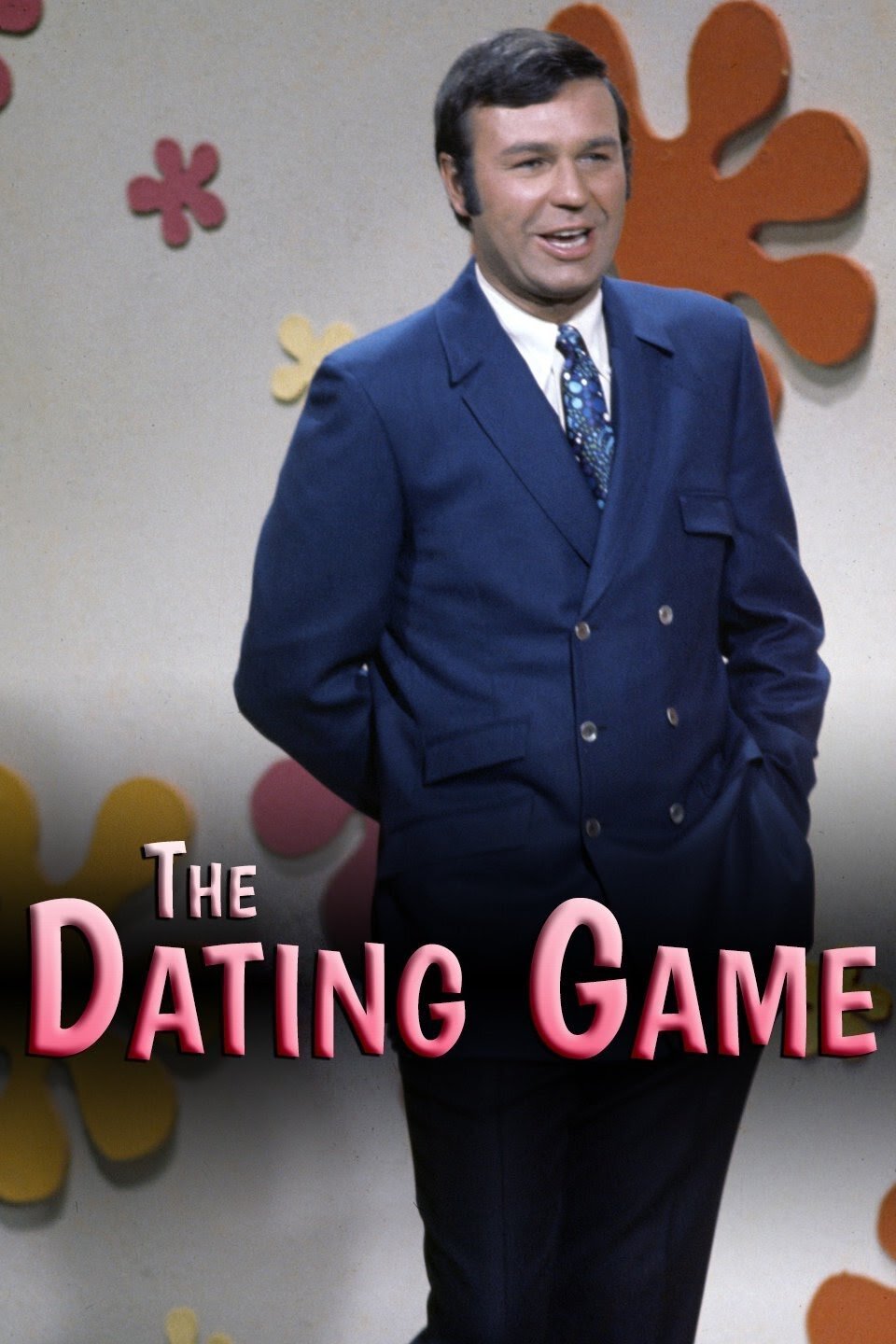
The Dating Game1965
David Attenborough again, but this time the focus is on courtship rituals and reproduction across the animal kingdom. Funnier than you'd expect, visually stunning, and genuinely surprising in what nature gets up to.
But The sexual content is natural but explicit. Some sequences are lengthy and may feel digressive if you're after pure action.
Not sure tonight? Get a pick in a minute, starting from Deadly 60
The wildcard
Something you would not have found on your own.
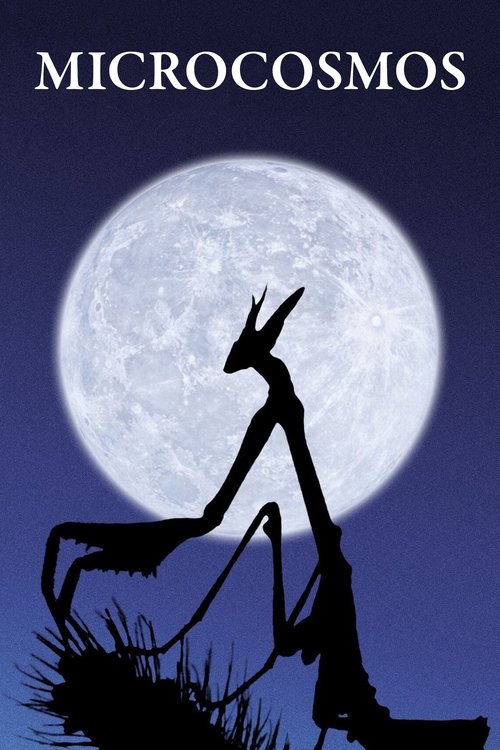
Microcosmos1996
Both find deadliness and drama in animals most of us ignore. Deadly 60 hunts the obvious killers; Microcosmos reveals that tiny creatures are just as intricate, just as brutal, just as alive.
A feature film about insects and small creatures, shot with macro lenses so extreme that aphids look like aliens. No narration, just music and sound design. It's hypnotic, often beautiful, sometimes unsettling. A completely different register from typical wildlife docs—pure visual storytelling.
But Slow, meditative, and abstract. Insects don't have faces or obvious emotions. If you're after narrative and drama, this is pure sensory experience instead.
More like this (7)
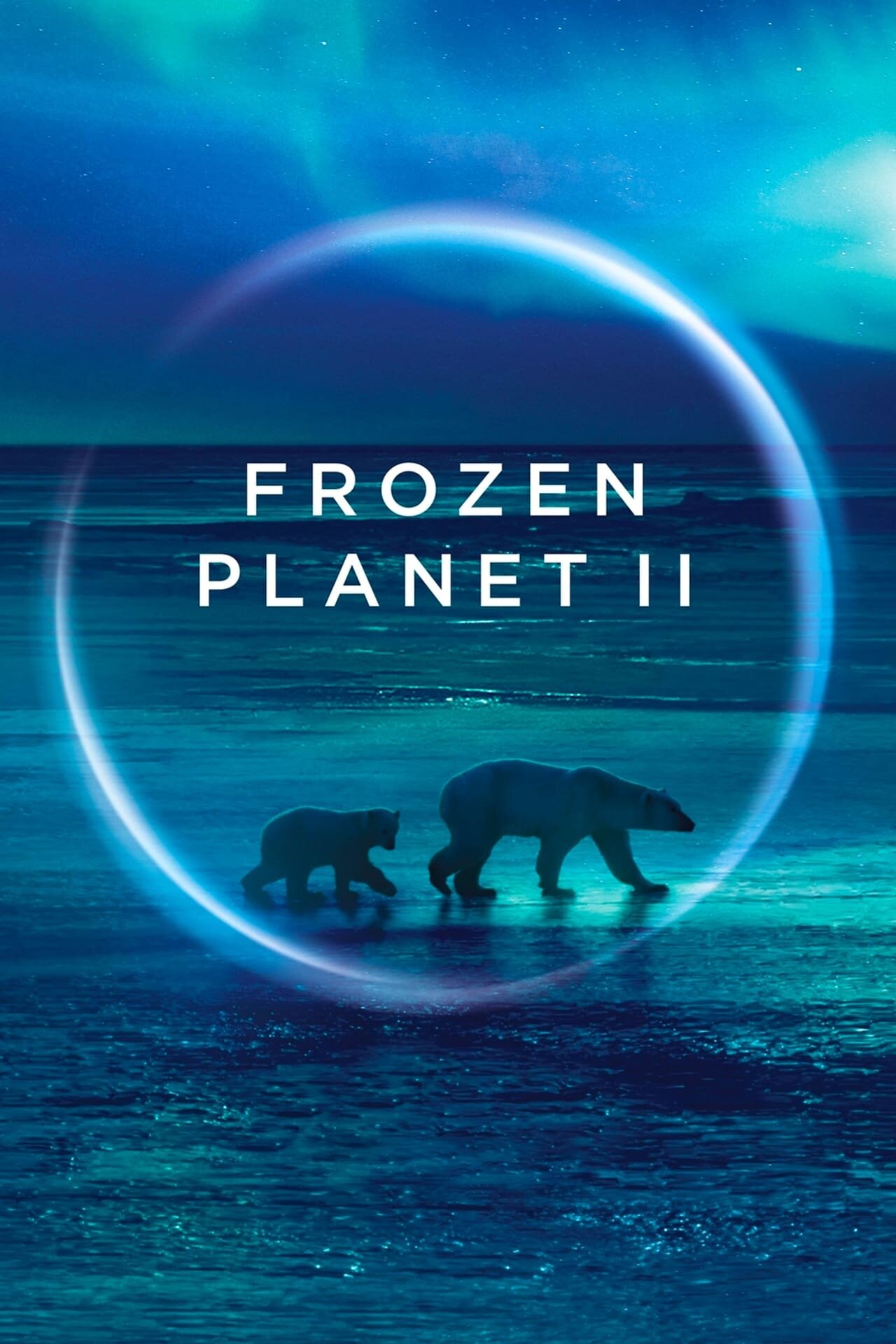
Frozen Planet II2022
Sir David Attenborough explores polar and alpine ecosystems with climate change as quiet context. The wildlife footage is extraordinary—polar bears, penguins, wolverines—and the scale is properly humbling.
But The environmental angle is present enough to sting if you're watching to escape those thoughts. Slower than Deadly 60, more meditative.
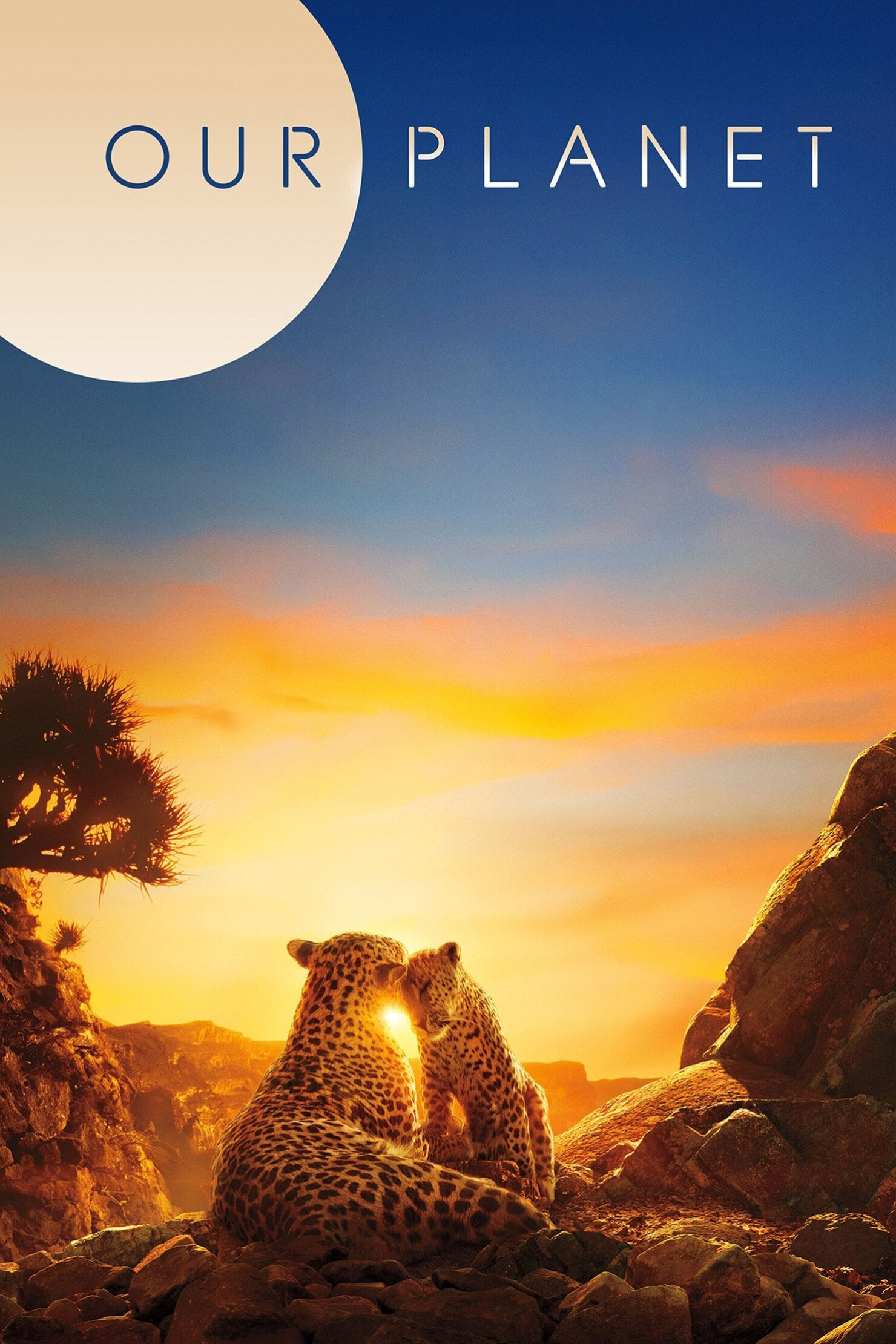
Our Planet2019
Narrated by David Attenborough, eight episodes documenting ecosystems from frozen tundra to coral reefs. Visually astonishing and often moving. The production values rival cinema.
But The climate change message is front and centre and deliberately distressing in places. Some episodes are bleak. Less about danger than about fragility.
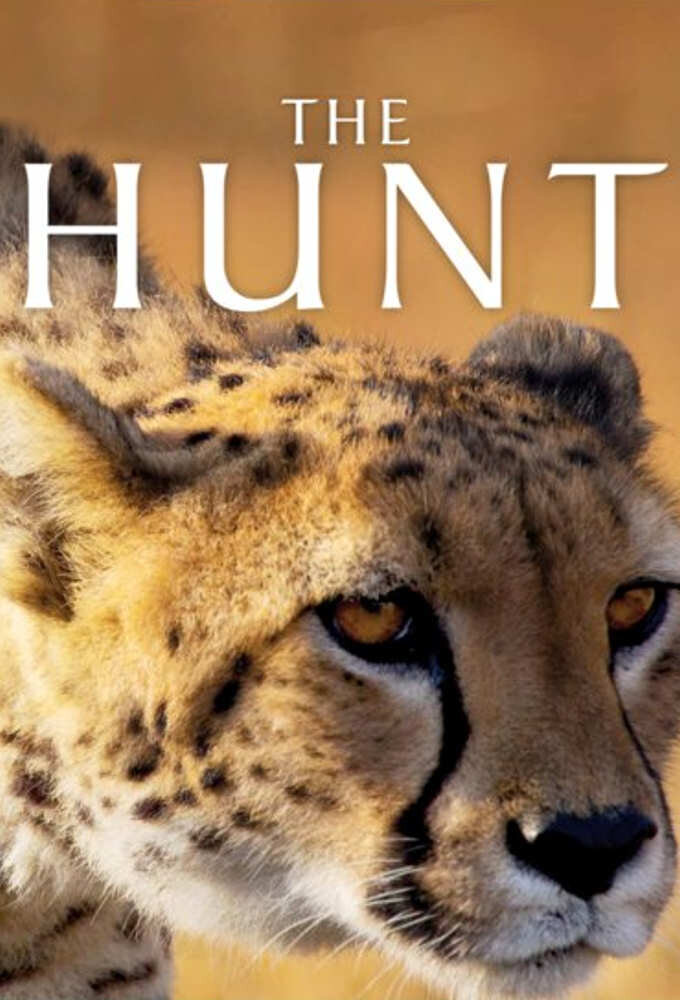
The Hunt2015
Each episode follows a different predator hunting prey in real time—lions, leopards, orcas, snakes. The tension is palpable, the cinematography is superb, and you genuinely don't know if the kill will happen.
But You will watch animals fail to survive. If predation upsets you, this lands harder than most wildlife docs. Some hunts are distressing.
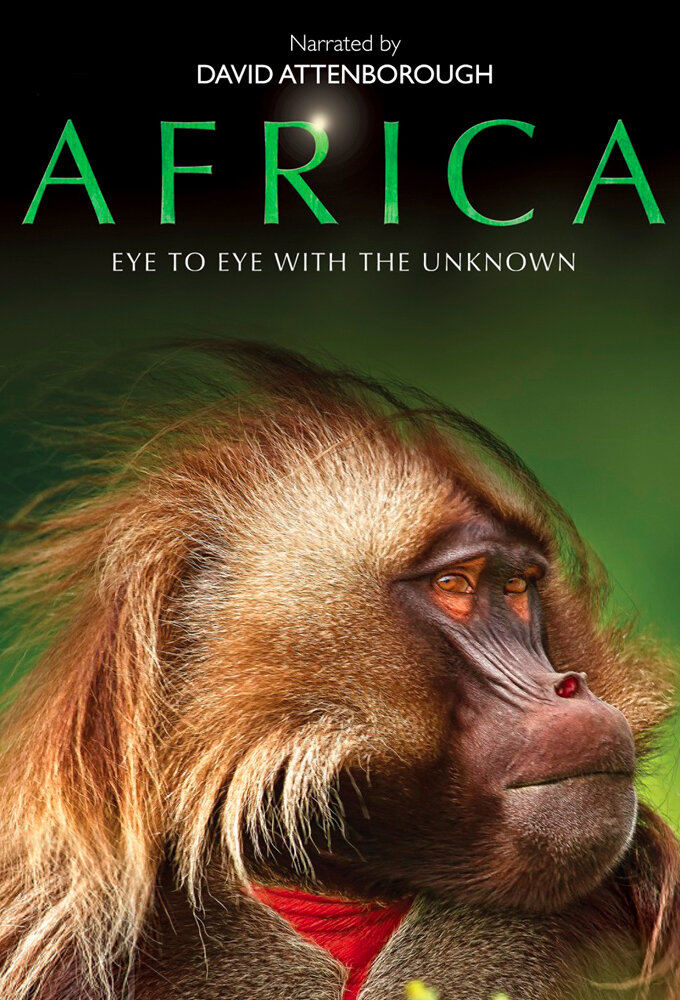
Africa2013
Six episodes tracing animal life across Africa's most dramatic habitats. Wildebeest migrations, elephants in drought, lions and Cape buffalo clashing. Epic scale, superb storytelling, gorgeous cinematography.
But Released over a decade ago, so production values feel slightly less cutting-edge. The narration is reverent rather than thrilling, and it moves at a stately pace.
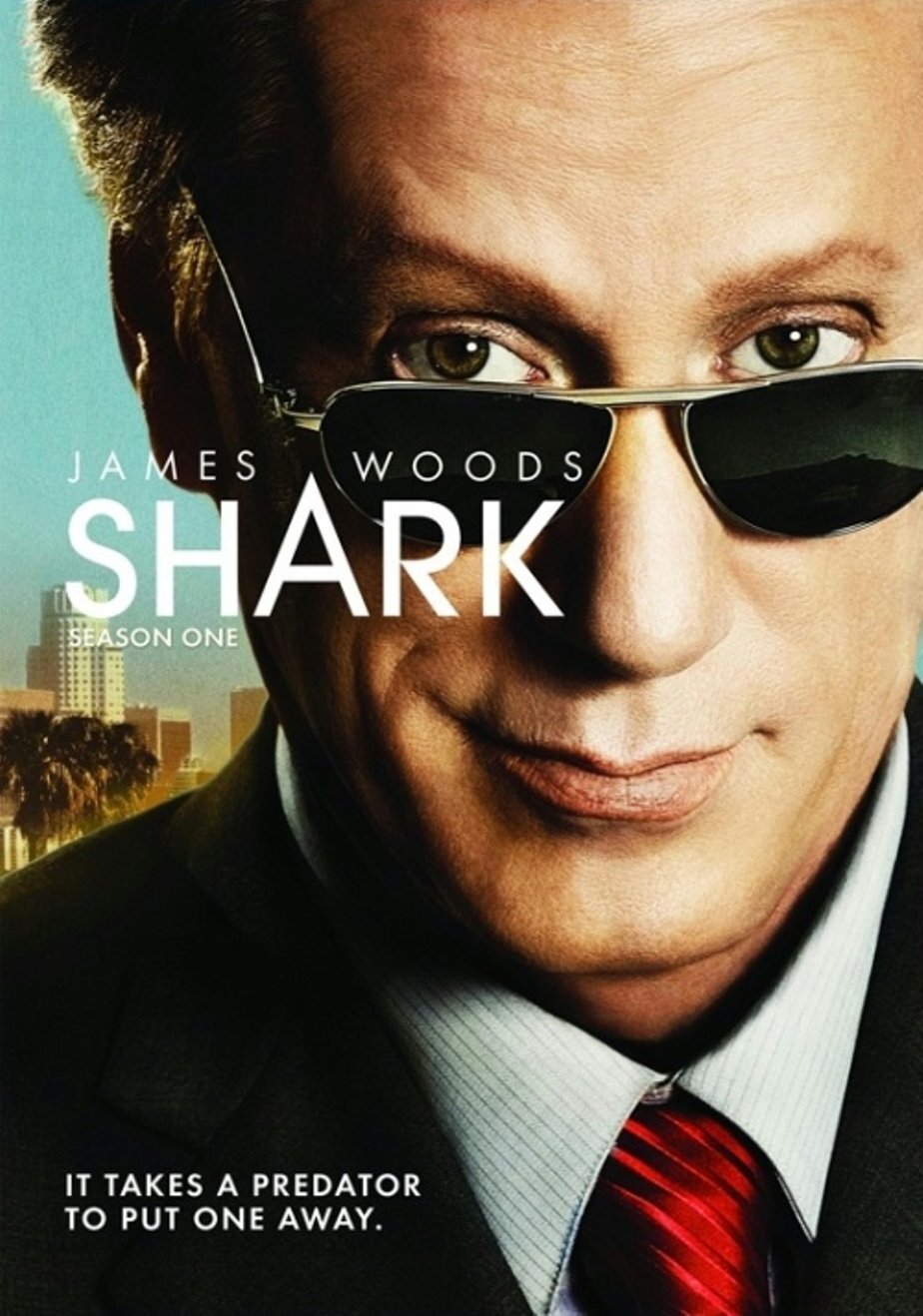
Shark2006
Four episodes dedicated entirely to sharks—their biology, behaviour, and role in ocean ecosystems. If you want danger and teeth, this delivers. Visually stunning and respectful rather than sensational.
But Only four episodes, so less overall content. Some viewers find sharks inherently less charismatic than other megafauna. The tone is scientific, not edge-of-your-seat.
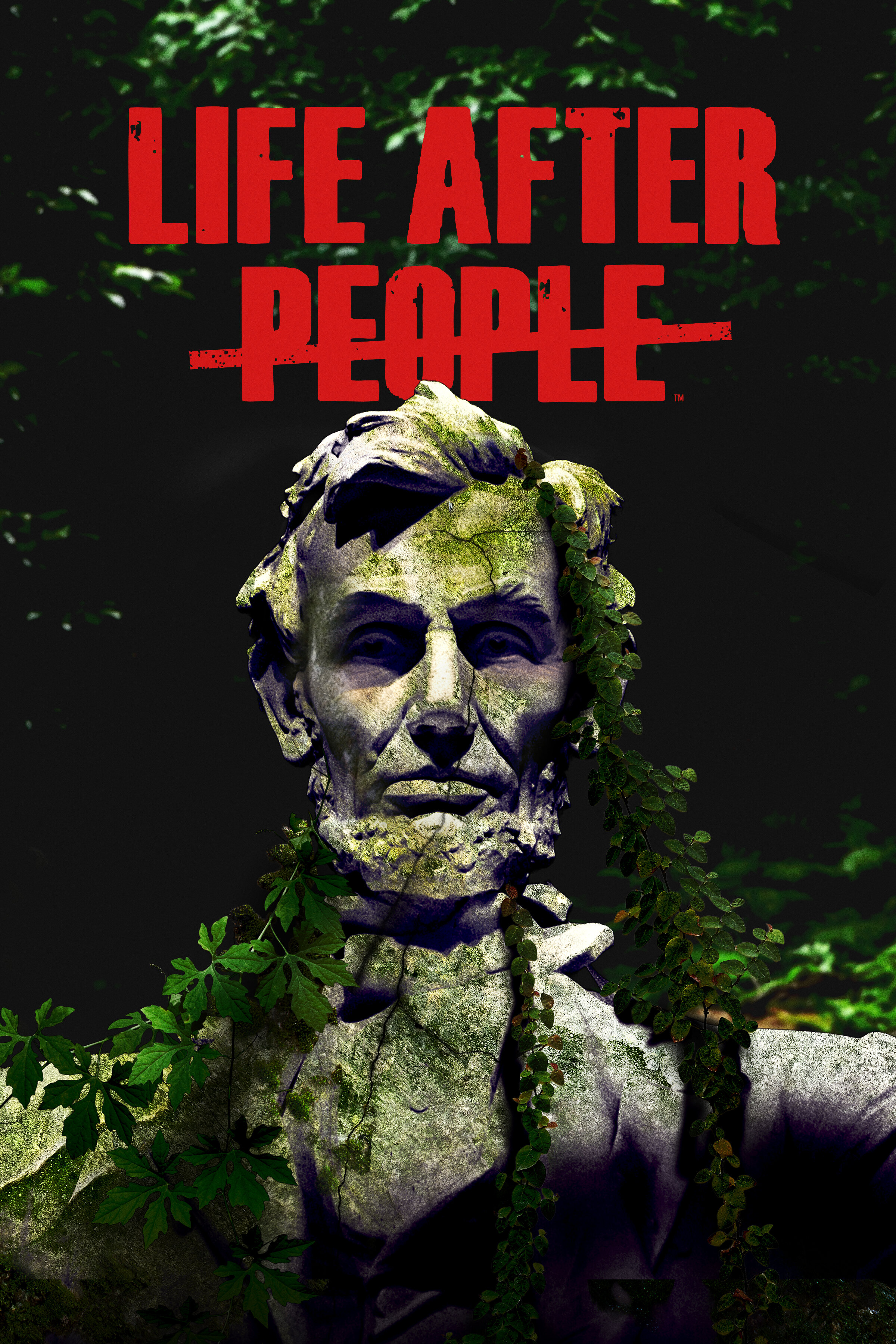
Life After People2009
Deadly 60 shows you animals as they are now, embedded in their own territories. Life After People flips the lens—what happens when their apex predator (us) steps away? It's the inverse perspective on the same world.
Speculative documentary about what happens to Earth if humans vanish tomorrow. The first episode watches cities collapse and animals reclaim urban spaces. It's eerie, scientifically grounded, and oddly beautiful. A thought experiment that feels entirely different from conventional wildlife television.
But Conceptually bleak. Some sequences are genuinely unsettling (animals in ruins, infrastructure decay). The speculation can feel gratuitous or depressing rather than educational.
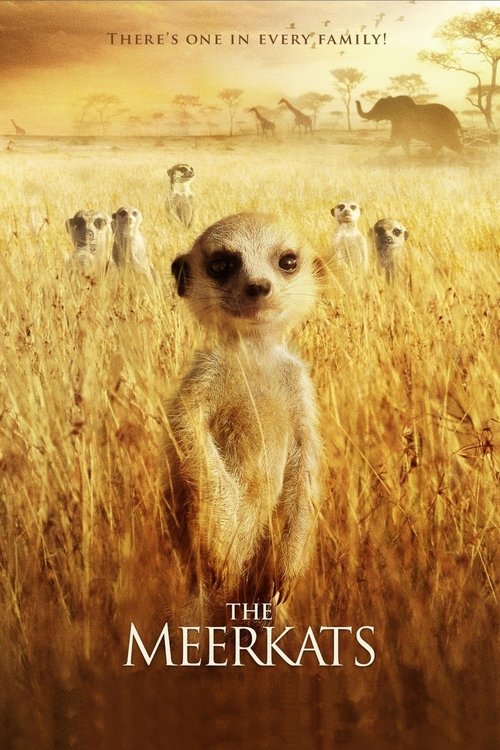
The Meerkats2008
Deadly 60 chases the killers and the kills. The Meerkats gives you the inside of prey—daily life, family bonds, the constant low-grade terror of being hunted. Both show you the reality behind wildlife; just from opposite ends of the food chain.
A feature-length documentary about a single meerkat family over a year in the Kalahari. It's episodic, deeply observed, and unexpectedly emotional. You watch births, deaths, politics, and survival. Like a scripted drama but entirely real and immediate.
But Focused on one small group of small animals. No apex predators, no edge-of-your-seat danger. Slower and sadder than you might expect from a nature film.
People
Cast
 Steve BackshallPresenter
Writing
- Doug HopeCreator
Production
- Jo ShinnerExecutive Producer
- Melissa HardingeExecutive Producer
- Roger WebbExecutive Producer
- Wendy DarkeExecutive Producer
- Adam OldroydLine Producer
- Mark JonesLine Producer
- Alex GriffithsProducer
- Ali MayProducer
- Emma ColeProducer
- Giles BadgerProducer
- Hannah PollockProducer
- James BrickellProducer
- Joanne AshmanProducer
- John MillerProducer
- Kirstine DavidsonProducer
- Laura SmithProducer
- Mark JonesProducer
- Nikki WaldronProducer
- Rosie GloynsProducer
- Ruth HarriesProducer
- Scott AlexanderProducer
- Scott TankardProducer
- Stuart ArmstrongProducer
- Tania DorrityProducer