
Television series
Planet Earth II
- Survival adventure
- Dip in and out
Six years after the original, Attenborough and the BBC's Natural History Unit go bigger, closer and higher-definition, using drones and stabilised rigs to get inside chases, hunts and courtship rituals as if you're running alongside. It's less an educational series than a spectacle — cinematic, occasionally unbearable in its tension, and the best thing on television for making you gasp out loud at an iguana.
Should you watch it?
Watch it if you want sweeping, awe-struck wildlife photography and the sense of watching animals solve problems in places you will never reach, the kind of pleasure that comes from patient looking.
Skip it if you find narration-led nature programmes soothing wallpaper rather than engaging, or you want characters and a plot, since this is a run of self-contained animal stories with no through-line.
What it asks of you: Six hour-long episodes, each turning to a different habitat at an unhurried pace, so it rewards settling in for an evening rather than dipping in and out between other things.
Not sure? Find tonight's pick in a minute.
If you liked this
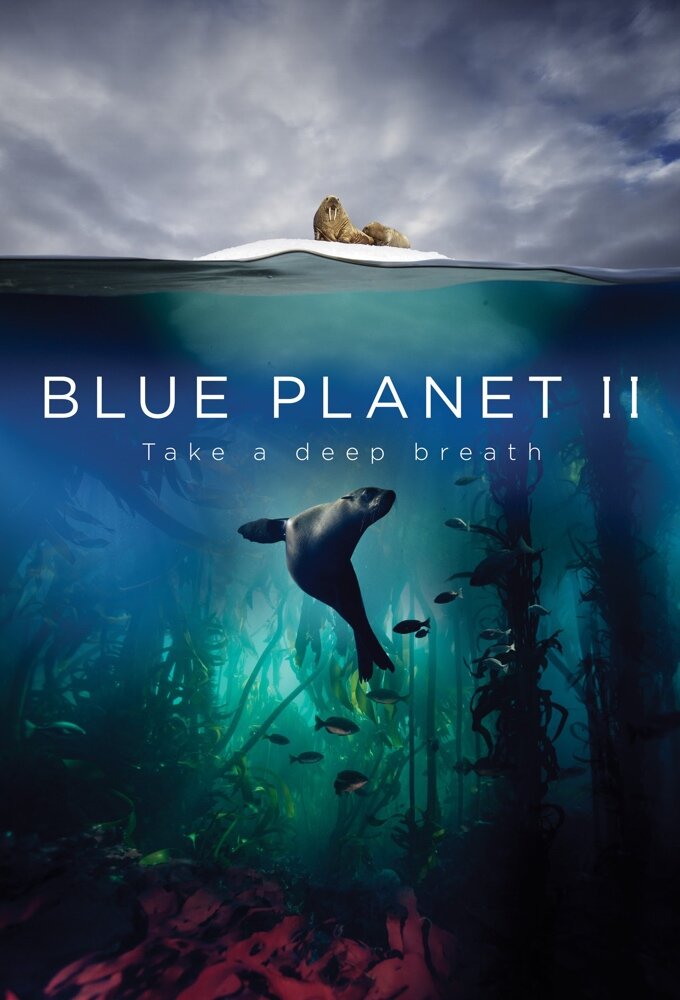
Blue Planet II2017
The direct sequel-in-spirit — same team, same scale, but underwater, where the footage (bioluminescent squid, tool-using fish) is if anything even more alien and astonishing.
But If you don't love the ocean specifically, a few episodes can feel like variations on 'big fish eats smaller fish.'
Planet Earth2006
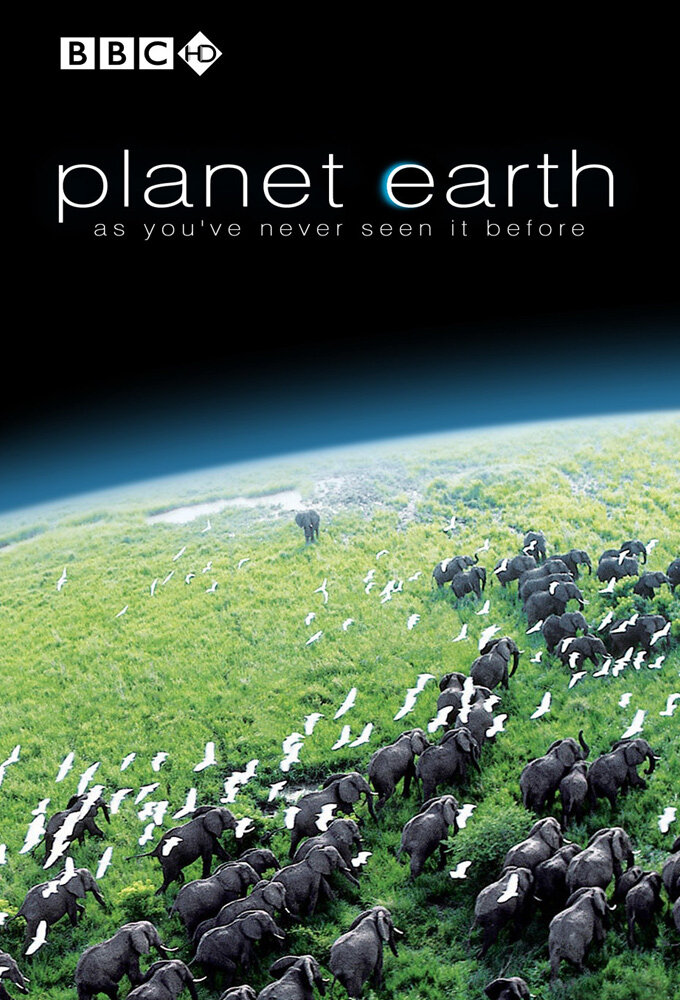
The original, and still gorgeous — less technically dazzling than the sequel but broader in scope, with that same Attenborough narration that makes everything feel important.
But The camera tech has aged a decade; some sequences look noticeably softer next to what came after.
Frozen Planet2011
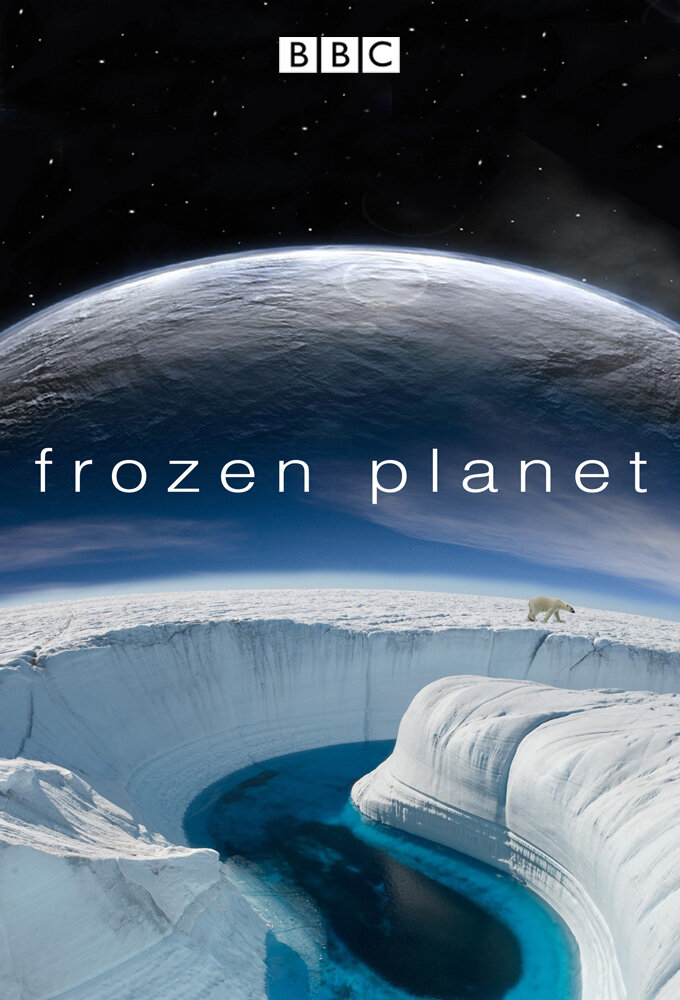
Ice and endurance instead of jungle and speed — polar bears, penguins, and some of the bleakest, most beautiful landscape photography the BBC has ever shot.
But A grimmer watch in places; climate change isn't subtext here, it's the point, and it can leave you rattled.
Not sure tonight? Get a pick in a minute, starting from Planet Earth II
The wildcard
Something you would not have found on your own.
The Bear1988
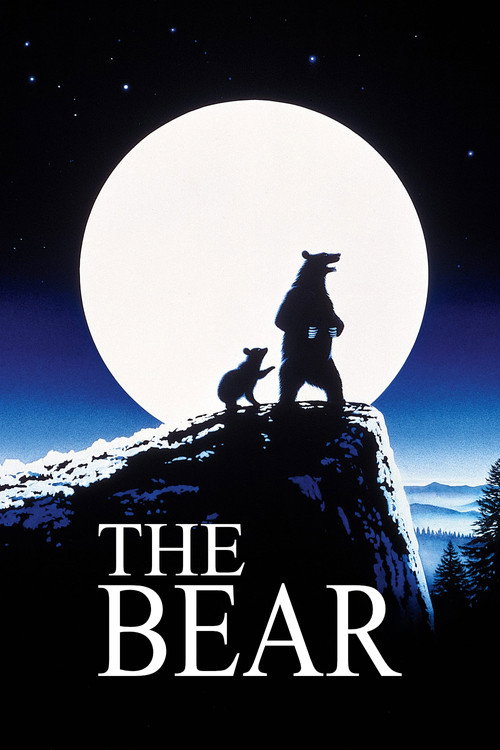
Same awe at animal survival, but told as pre-CGI fiction rather than documentary — proves the wonder was never really about the drone shots.
A French narrative feature, almost wordless, following an orphaned bear cub in the Rockies with real bears and next to no visual effects — the tension and tenderness Planet Earth II generates through editing, achieved here through sheer patient filmmaking.
But Slower and more melancholic than a nature doc; it's a drama first, and asks you to sit with grief rather than marvel at spectacle.
More like this (8)
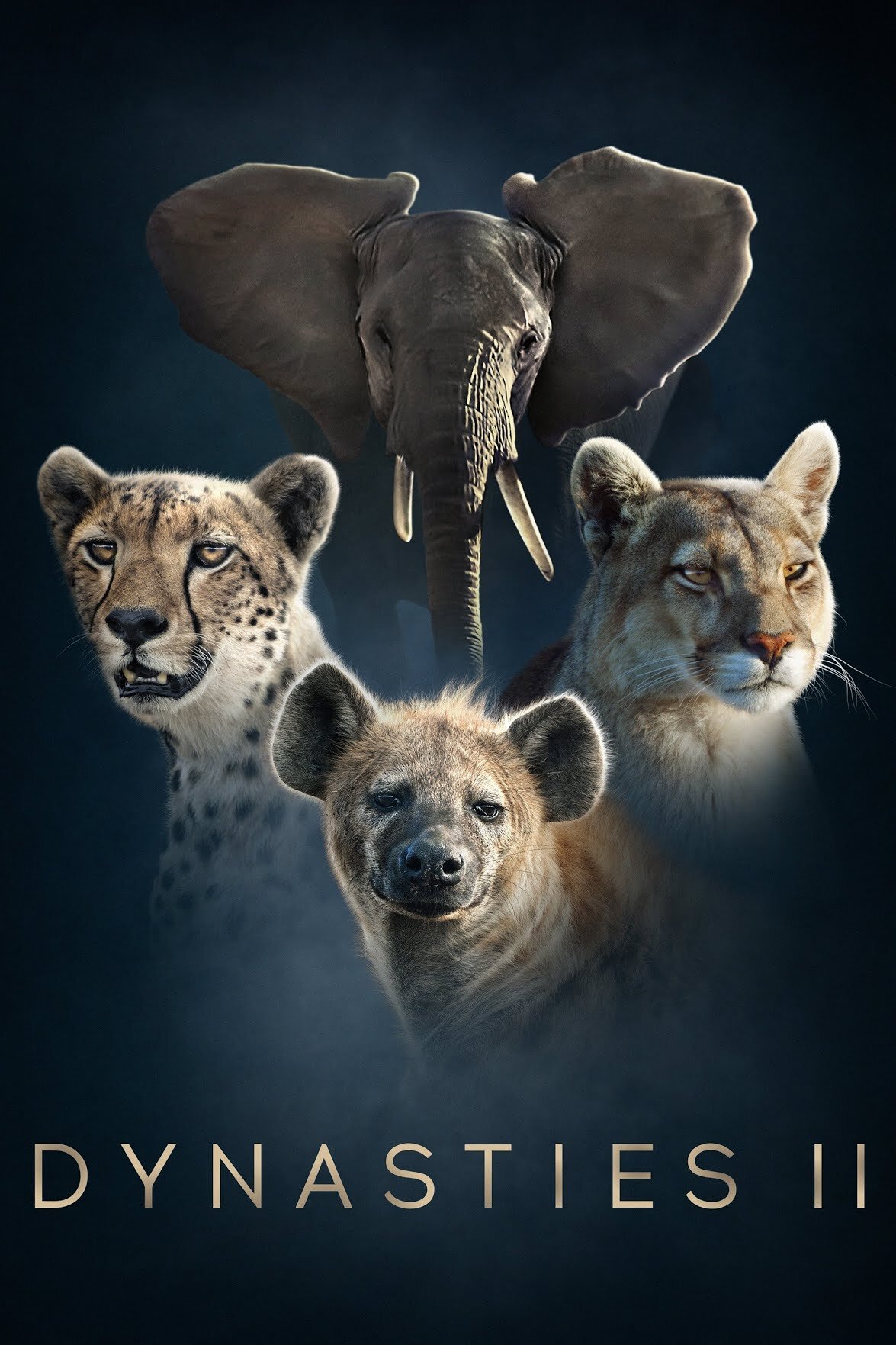
Dynasties2018
Same crew, different approach: five feature-length episodes following individual animal families over months, so you get attached to specific chimps and painted wolves like characters.
But Slower and more emotionally exhausting — this is nature as soap opera, with real losses that hit harder for the intimacy.
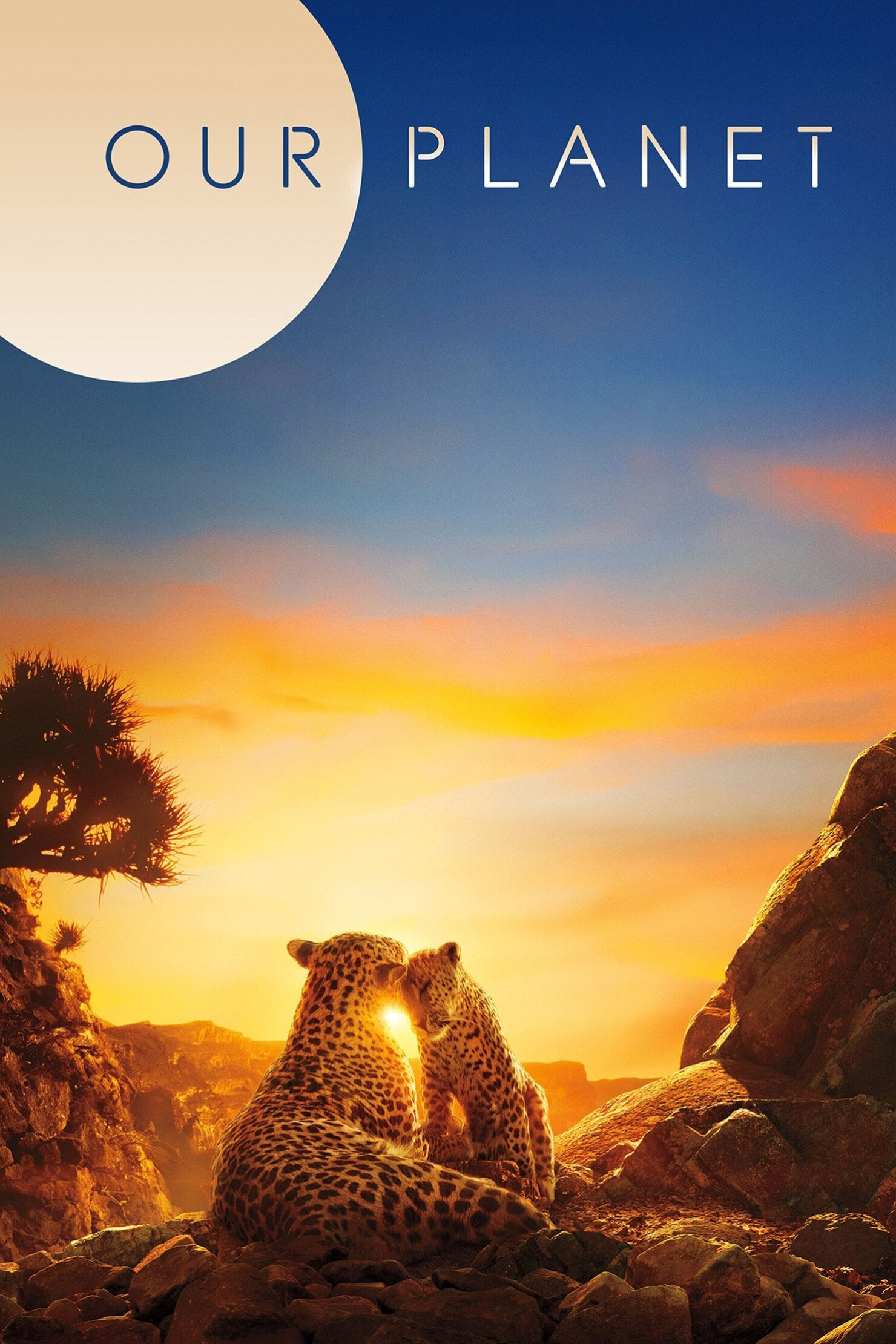
Our Planet2019
Same visual grammar, made for Netflix, but far more explicit about ecological collapse — a companion piece that fills in what Planet Earth II mostly left unsaid.
But The activism is front and centre rather than implied, which some viewers find preachy compared to Attenborough's lighter touch.
Life2007
Organised by survival strategy rather than habitat — how creatures hunt, mate and defend themselves — with sequences (a pod of orcas wave-washing a seal) as good as anything in the newer series.
But Narrated by Oprah Winfrey in the US cut; seek out the Attenborough version or you'll miss the voice you came for.

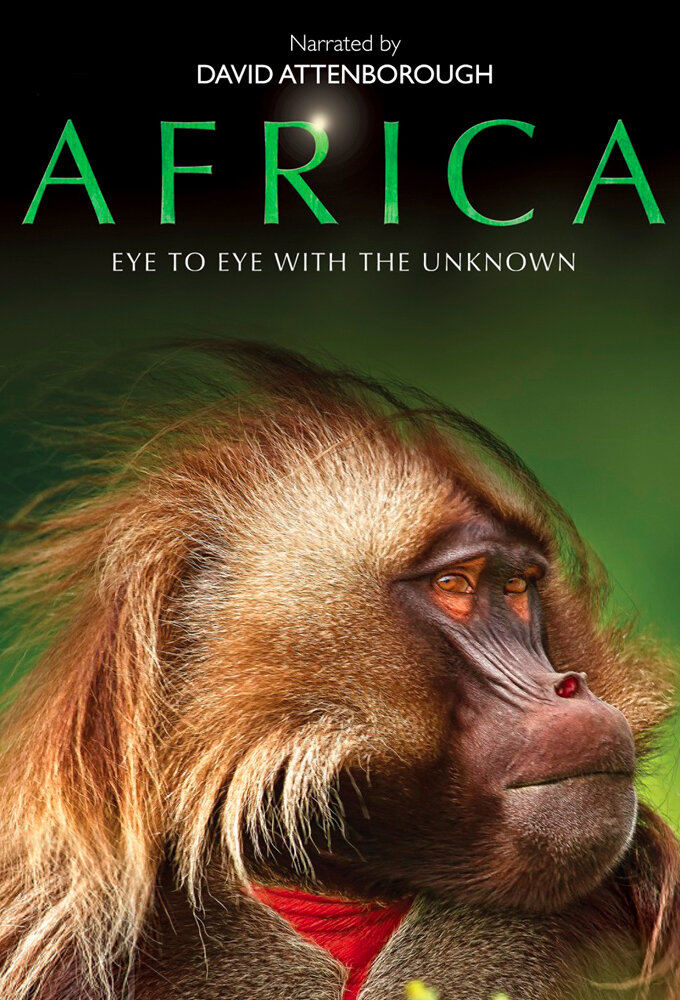
Africa2013
A continent-deep dive with genuine surprises — desert lions, ice caves on Kilimanjaro — that rewards existing nature-doc fans who think they've seen it all.
But Single-continent focus means less variety than the globe-trotting series; best for people who specifically want more Africa.
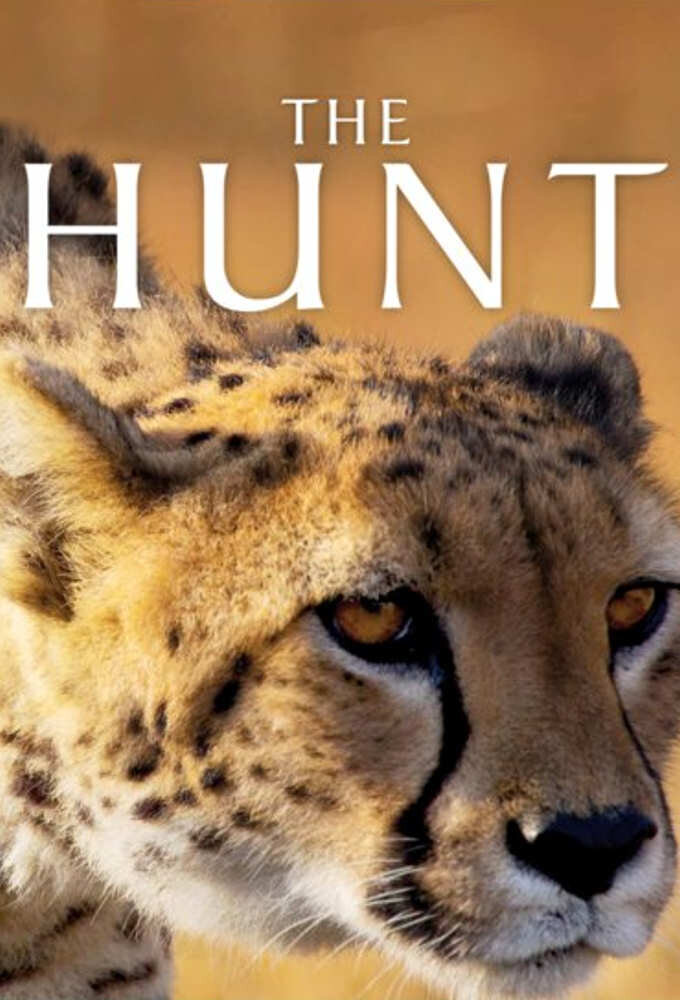
The Hunt2015
Reframes the genre around predators and prey specifically, with a harder, more tension-driven edit — genuinely suspenseful in a way few nature docs bother to be.
But Relentlessly focused on killing and evasion; if you found Planet Earth II's hunts stressful, this is six hours of just that.
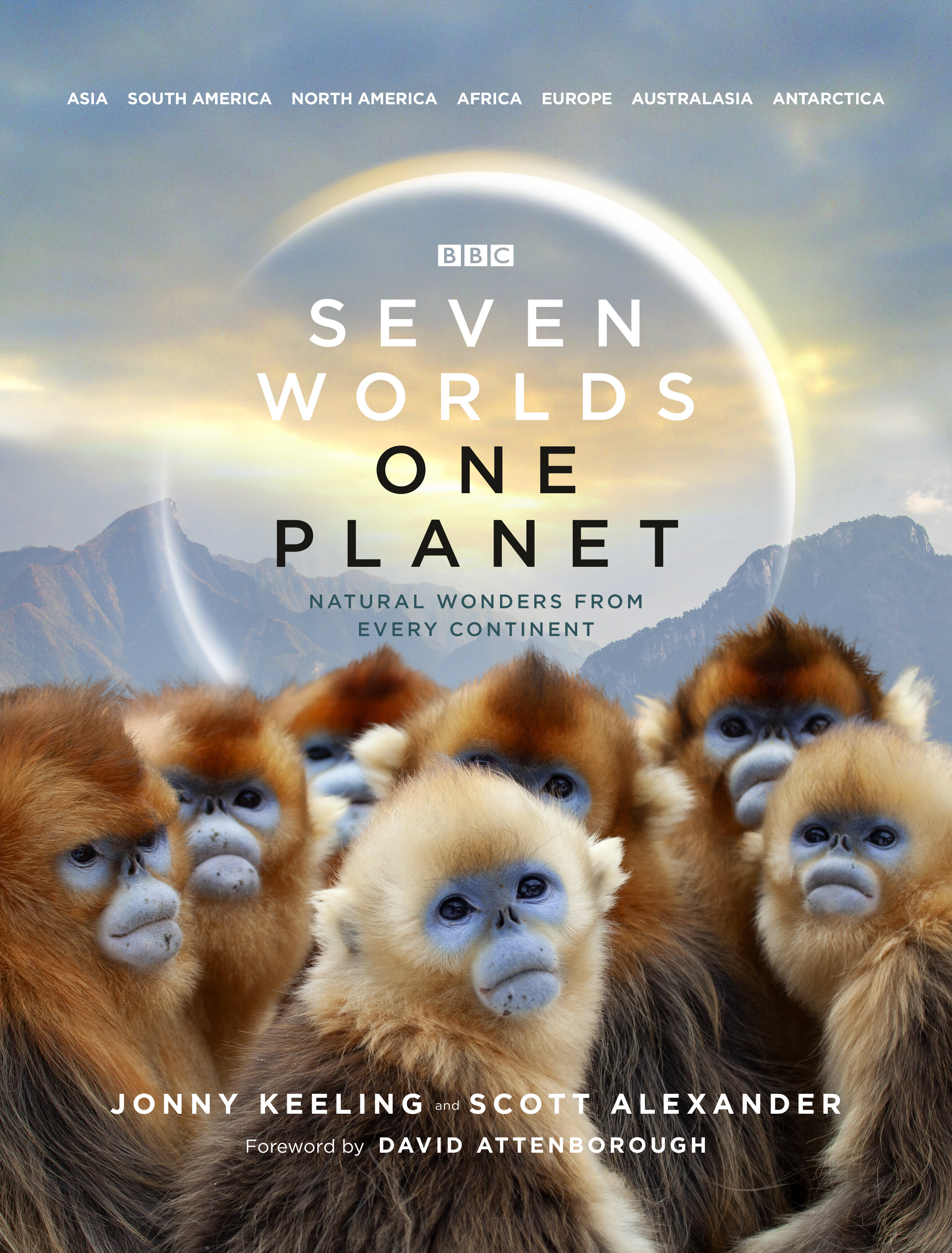
Seven Worlds, One Planet2019
Structured by continent with a stronger conservation thread than most entries — a solid, handsome follow-up if you've exhausted the bigger names and still want more.
But By this point in the BBC's run the format is familiar; it doesn't reinvent much, just applies the formula competently again.
The Birds1963
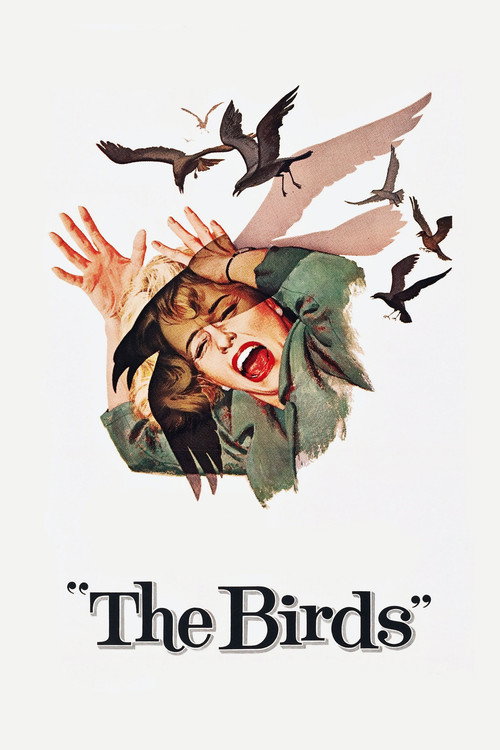
Where Attenborough finds nature sublime, Hitchcock finds it terrifying — same subject, opposite register, and a useful reminder that 'red in tooth and claw' cuts both ways.
Hitchcock takes the same premise — nature is magnificent and utterly indifferent to you — and turns it into horror, with ordinary birds becoming an inexplicable, mounting threat.
But Dated effects and a deliberately unresolved plot frustrate viewers wanting tidy answers; this is mood over mechanics.
Meerkat Manor2006
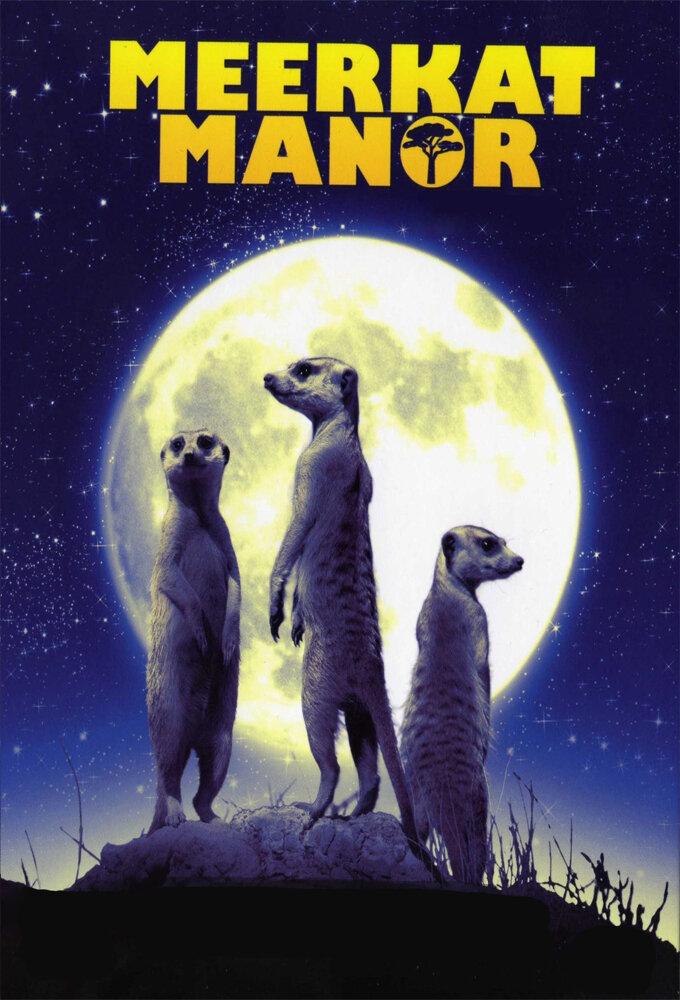
Takes Planet Earth II's trick — narrativising animal lives until you're rooting for individuals — and strips out the grandeur, leaving the soap opera bare.
Real wild meerkats, filmed for years, edited into a full-blown soap opera with rivalries, deaths and cliffhangers — trashy, addictive, and surprisingly moving once you're invested in Flower's family.
But Deliberately melodramatic narration and a much lower budget make it feel like the tabloid cousin of prestige nature documentary.
People
Cast
 David AttenboroughNarrator
Production
- Michael GuntonExecutive Producer
- Chadden HunterProducer
- Ed CharlesProducer
- Elizabeth WhiteProducer
- Emma NapperProducer
- Fredi DevasProducer
- Justin AndersonProducer
Recommended by
A Quiet Place, Microcosmos, Winged Migration, Earth, Planet Earth, The Biggest Little Farm, Blue Planet II, Our Planet, Frozen Planet, Running Wild with Bear Grylls, African Cats, Africa, Dynasties, Seven Worlds, One Planet, Genesis, An Idiot Abroad, The Hunt, The Crimson Wing: Mystery of the Flamingos, Prehistoric Planet, David Attenborough: A Life on Our Planet, Meerkat Manor, Man vs. Wild, Superpower Dogs, Penguins, Walking with Dinosaurs, Frozen Planet II, NOVA, Wonders of the Solar System, How To with John Wilson, The Supervet: Noel Fitzpatrick, Wonders of Life, Mountain, Cane Toads: An Unnatural History, Life Story, Serengeti, Big Cats, Serengeti Shall Not Die, A Perfect Planet, The Vanishing Prairie, Planet Earth III, The Loneliest Whale: The Search for 52, World's Funniest Animals, How It's Made, Strip the Cosmos, The Meerkats, The Story of Stuff, Tiny World, Life After People, Penguin Town, Bears, The Proof Is Out There, National Geographic: Journey to the Edge of the Universe, The Serengeti Rules, The Universe, The Zoo, The Reserve, Deadly 60, Attenborough's Life in Colour, Shark Week, Rats, Animals and Other People, CBS News Sunday Morning, Our Planet: Behind the Scenes, Attenborough and the Giant Dinosaur, StarTalk, The Secret Life of Plants, Horizon, Planetary