
Television series
Serengeti
Serengeti gives the African savanna's animals the prestige-drama treatment, following interconnected lives through a year of genuine peril and survival. You watch lions scheme, zebras flee, and ecosystems balance on a knife's edge. The narration (John Boyega, Lupita Nyong'o) elevates it beyond typical wildlife docs into something closer to *Succession*, except everyone has fur and the stakes are truly fatal.
Should you watch it?
Watch it if you like natural history told as character drama, where a year of hunger, rivalry and rain turns particular animals into people you find yourself rooting for.
Skip it if you want plain, unembellished wildlife observation, since the story arcs are pushed hard with music and narration that can feel manipulative across eighteen episodes.
What it asks of you: Roughly an hour an episode, eighteen of them across three seasons, so it is a long commitment, paced like a slow-building saga rather than a quick nature clip.
Not sure? Find tonight's pick in a minute.
If you liked this
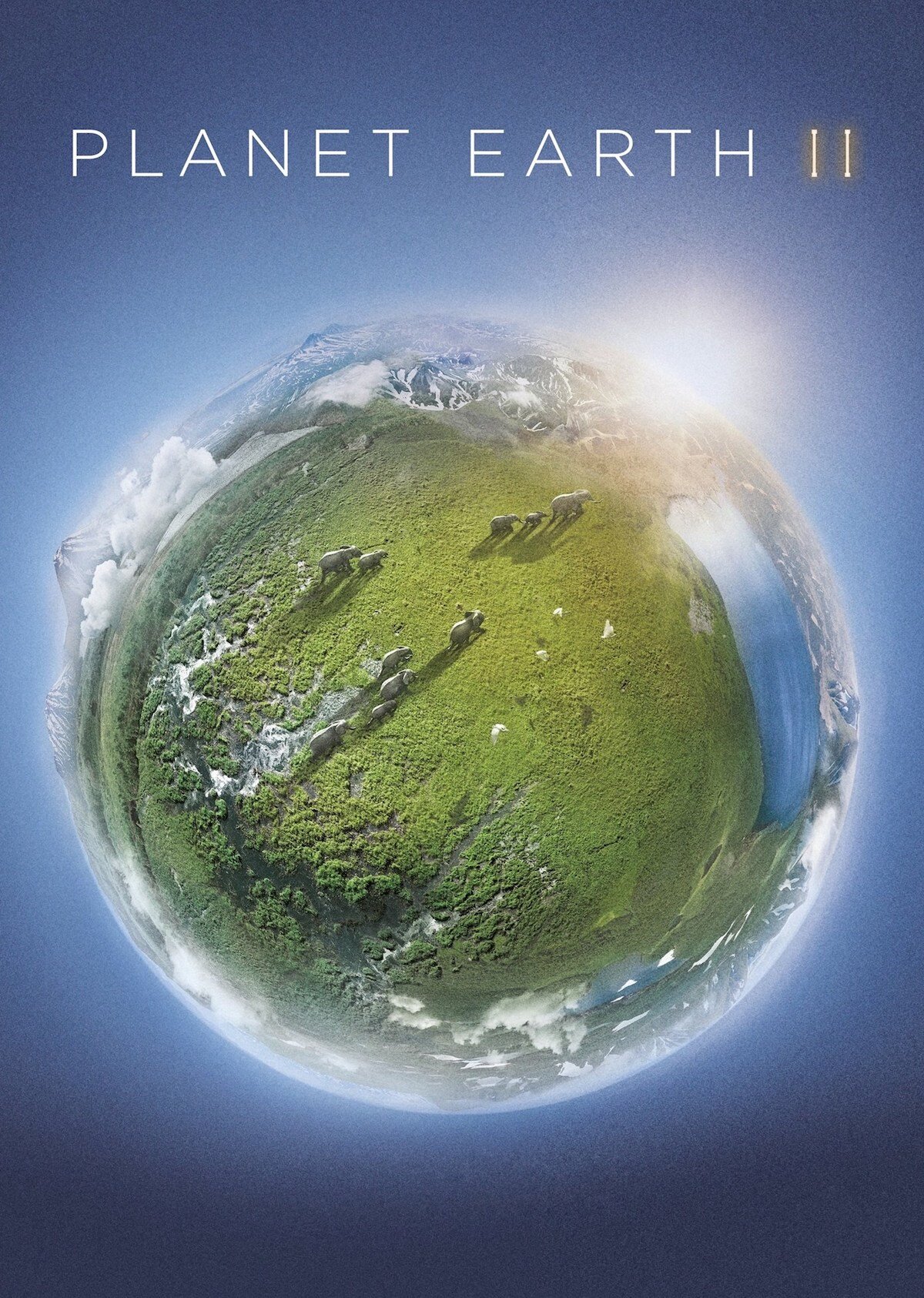
Planet Earth II2016
The gold standard of natural world cinematography. Each episode focuses on a distinct habitat with the same cinematic ambition and intimate access that makes Serengeti so gripping.
But At six episodes, it's a significant time commitment, and some viewers find the scope overwhelming compared to a single ecosystem.
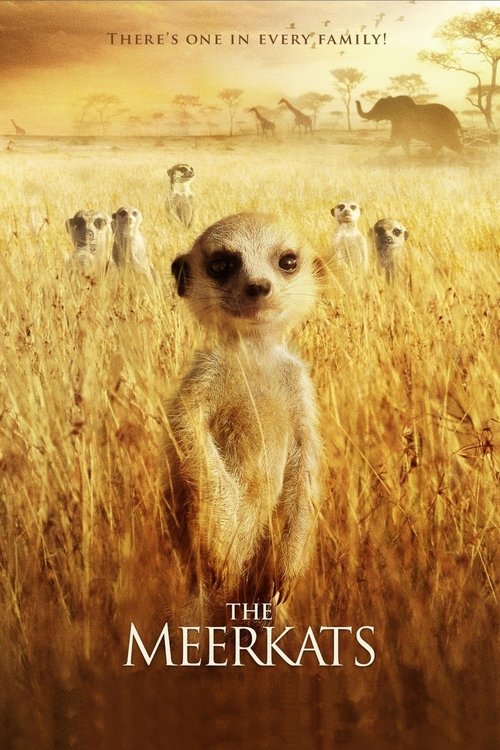
The Meerkats2008
BBC documentary following one meerkat family for a year with the same narrative drive Serengeti uses. Small creatures, outsized drama, real stakes, genuinely moving.
But It's a single family, so if meerkats don't grab you, there's no backup cast to pivot to.
Life2007
David Attenborough narrates the strategies animals use to survive and reproduce across every biome. Methodical, beautiful, and structured like a masterclass in animal behavior.
But The pacing is measured and reflective rather than dramatic. It rewards patience but doesn't grab you by the throat.
Not sure tonight? Get a pick in a minute, starting from Serengeti
The wildcard
Something you would not have found on your own.
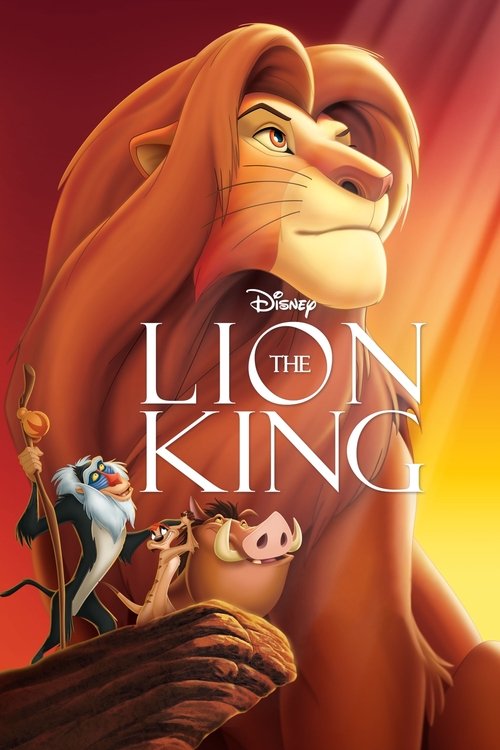
The Lion King1994
Both use the Serengeti as a stage for dynastic succession and animal politics; Lion King just replaces narration with song and makes the lion a Shakespearean prince.
Structurally identical to Serengeti: Shakespearean family drama unfolding in the Serengeti, with the same themes of succession, rivalry, and survival. Except it's a musical, and Elton John wrote the score.
But It's animated, theatrical, and emotionally manipulative in ways a documentary never is. If you wanted *only* realism, this might feel saccharine.
More like this (8)
African Cats2011
Disney's take on savanna lions and leopards with a clear narrative spine. The family dynamics are compelling and the predator-prey sequences are genuinely tense.
But It softens some edges for family audiences, and the Disney gloss can feel at odds with the real brutality of the ecosystem.
Our Planet2019
David Attenborough surveys global ecosystems with intimate character moments. Like Serengeti, it uses storytelling to make biodiversity personal rather than abstract.
But The climate change angle is important but omnipresent, and some episodes feel more like warnings than windows into animal lives.
The Hunt2015
BBC series devoted entirely to predator-prey sequences: hunts, escapes, and survival tactics filmed with stunning clarity. Pure kinetic storytelling.
But It's relentlessly focused on conflict and violence. If you want quieter moments or ecosystem balance, this is all teeth and claws.
Frozen Planet2011
Arctic and Antarctic wildlife through seasonal cycles, with the same narrative focus on individual characters navigating extreme conditions. Visually arresting and genuinely moving.
But The landscape is austere and the pace deliberate. It can feel distant in a way the warm, crowded Serengeti never does.
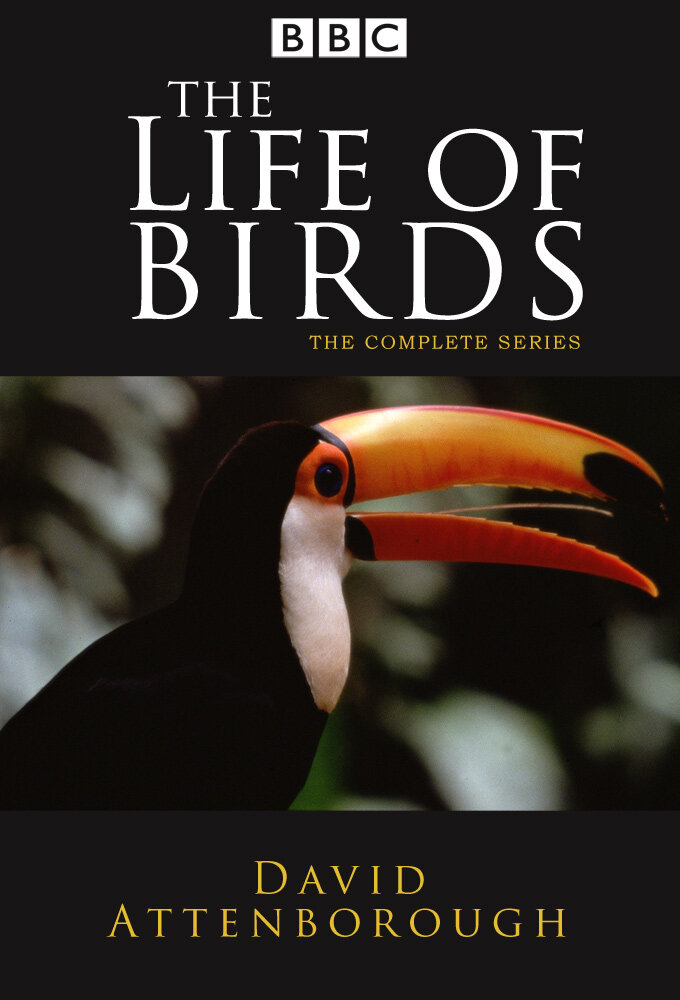
The Life of Birds1998
David Attenborough's older series on avian behavior, still brilliant. The cinematography is older but the observational storytelling holds up perfectly.
But It predates modern nature-doc techniques, so the pacing and production values will feel dated compared to recent BBC work.
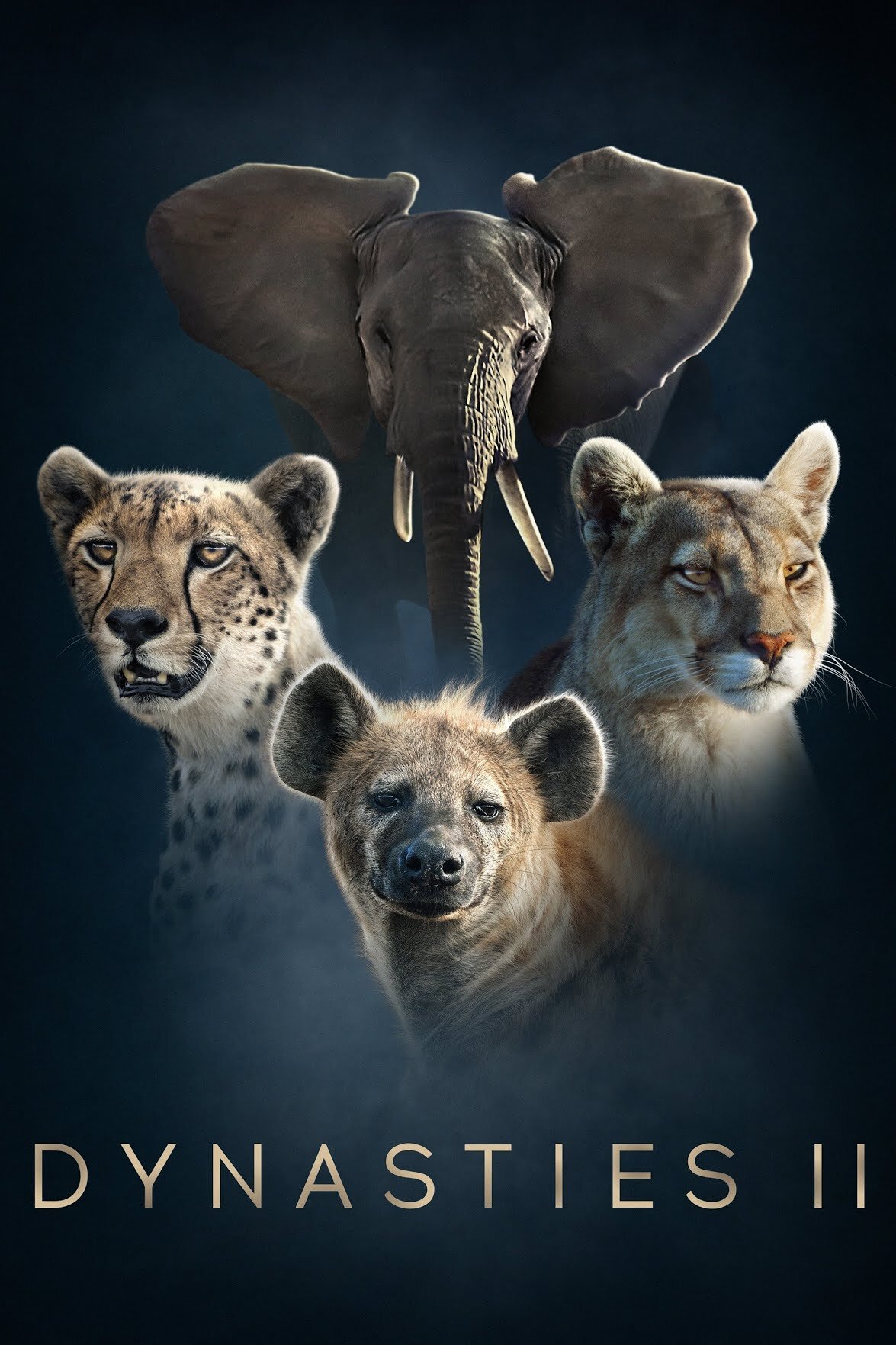
Dynasties2018
BBC follows five animal families (lions, penguin, tiger, etc.) across multiple years. Each episode is its own emotional arc with real consequences and character arcs.
But The global scope means you're constantly switching between species and continents, losing the Serengeti's unified sense of place.
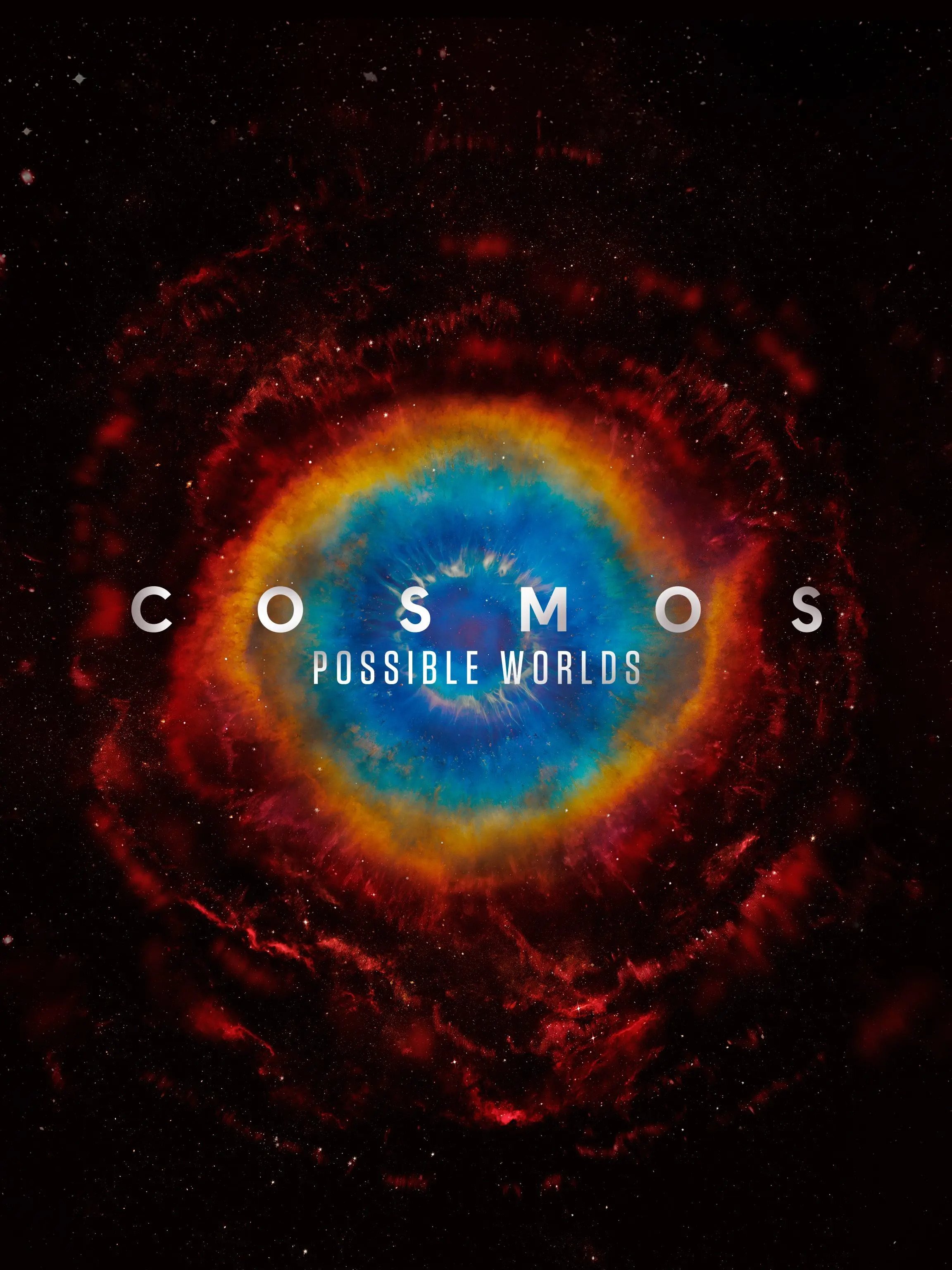
Cosmos1980
Both use rigorous observation and deep time to reveal nature as narrative—individual lives matter because they fit into larger systems and evolutionary arcs.
Neil deGrasse Tyson narrates a 13-part series on the deep history of life and the cosmos. Like Serengeti, it finds drama in evolutionary competition and ecological interconnection, just scaled to billions of years.
But It's cerebral and speculative rather than visceral. You're watching ideas and timescales, not apex predators hunting gazelles.
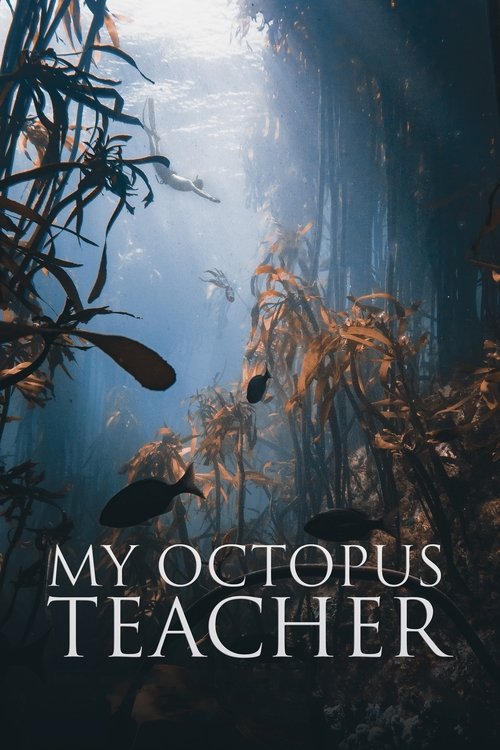
My Octopus Teacher2020
Both follow a single character (or characters) through a complete seasonal cycle, revealing personality and agency in animals often seen as mere subjects for human observation.
Filmmaker spends a year watching a single octopus navigate survival in a South African kelp forest. Intimate, meditative, surprising—it's a relationship story disguised as nature doc, with the same patient focus Serengeti uses to build character.
But The frame is much tighter (one creature, one human, one place), and the tone is introspective rather than dramatic. It asks for a different kind of attention.
People
Cast
 John BoyegaNarrator
 Lupita Nyong'oNarrator
 Adjoa AndohNarrator
Writing
- Simon FullerCreator