
Television series
The Life of Birds
- Dip in and out
David Attenborough guides you through the astonishing diversity of birds—their hunting prowess, migration feats, mating displays, and social hierarchies. Shot across the globe with meticulous attention to behaviour and ecology, this is natural history filmmaking at its most assured. Perfect for anyone curious about the living world, or simply looking to be mesmerized by excellence.
Should you watch it?
Watch it if you love natural history filmed with patience, where a single bird's courtship or hunt is treated like a small epic and the narration tells you why it matters.
Skip it if you want a documentary that moves briskly or a fresh take on the subject, since this is a conventional, reverent survey of birds rather than a challenge to how they are filmed.
What it asks of you: Ten fifty-minute episodes that unfold at a stately pace, asking you to sit still and let long sequences of observation build rather than rushing from one spectacle to the next.
Not sure? Find tonight's pick in a minute.
If you liked this
Planet Earth2006
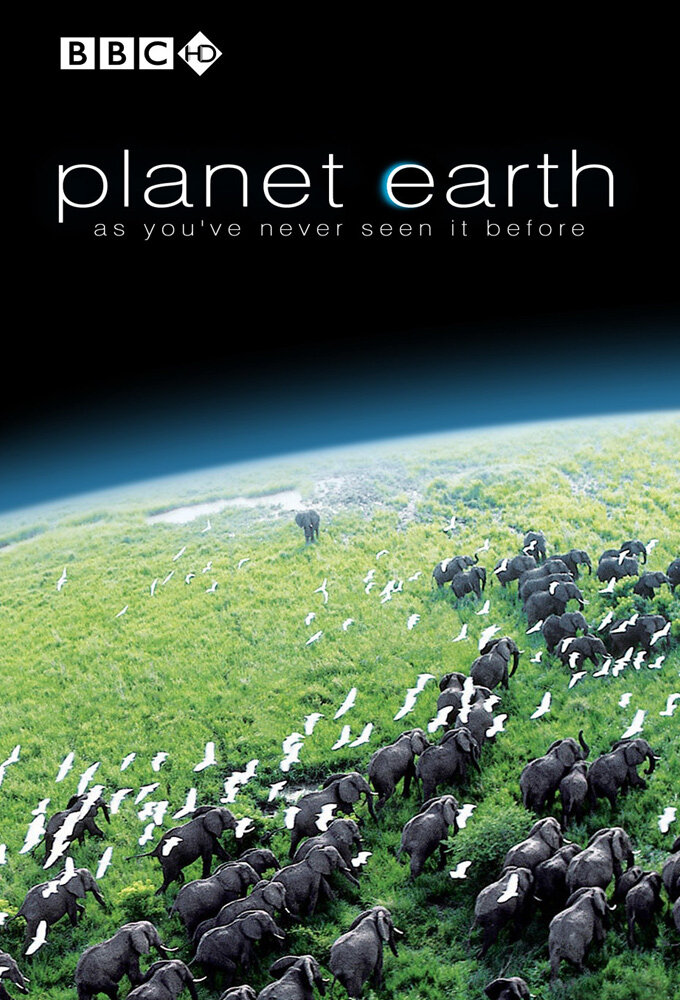
The direct spiritual successor to Attenborough's bird series, expanding that same sense of wonder to all ecosystems. Landmark cinematography and an instinct for the remarkable moment in ordinary nature.
But A decade newer means it can feel slicker, less intimate. Some find the scope overwhelming rather than enlightening.
Life2007
Another Attenborough landmark examining how creatures survive across every environment. The same philosophical depth applied to predator-prey dynamics, adaptation, and the raw mathematics of survival.
But Eleven episodes might feel like a commitment. The focus on struggle and death can be relentless.
The Dating Game1965
David Attenborough returns to examine animal courtship across the natural world—the direct thematic heir to Life of Birds' mating sequences. Vibrant, playful, and surprisingly funny about sex in nature.
But Very recent, so availability varies by region. The lighter tone may feel slight to those seeking pure behaviour documentation.
Not sure tonight? Get a pick in a minute, starting from The Life of Birds
The wildcard
Something you would not have found on your own.
Winged Migration2001
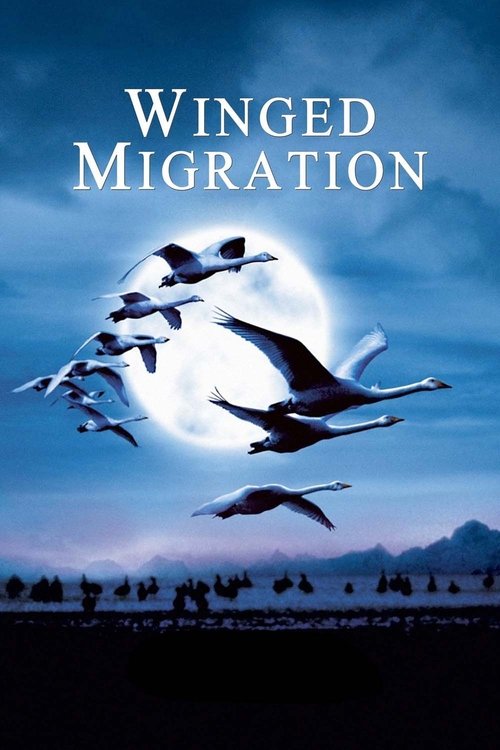
Where Life of Birds anatomizes bird behaviour with Attenborough's voice guiding understanding, Winged Migration invites you to simply *be* with birds in motion. Complementary approaches to the same subject.
A wordless, poetic documentary following migratory birds across continents. No narration, no human agenda—just the experience of flight itself. More meditation than explanation, more art than science.
But The absence of narration and context feels frustratingly vague to some. 90 minutes of flying can test patience without intellectual scaffolding.
More like this (7)
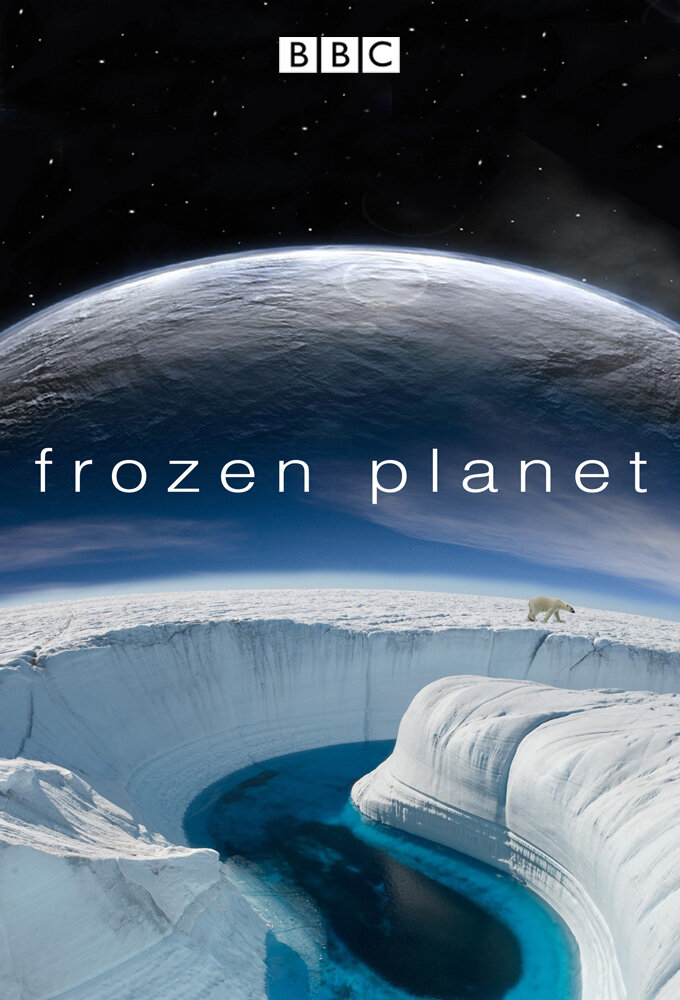
Frozen Planet2011
Arctic and Antarctic wildlife filmed with extraordinary patience. Focuses on adaptation to extremity in ways that echo Life of Birds' fascination with ingenious survival strategies.
But Heavy on mammals and less on birds. Some footage was later controversially revealed as filmed in zoos.
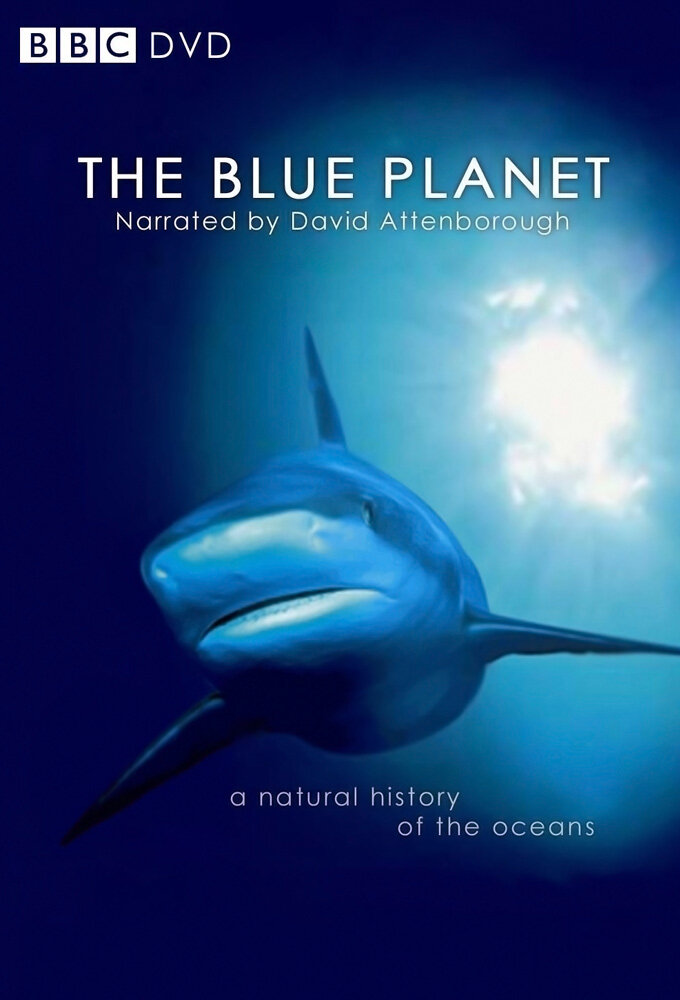
The Blue Planet2001
Takes the documentary grammar Attenborough perfected and applies it to ocean behaviour and ecology. Reveals underwater life with the same sense of discovery and wonder.
But Marine life is less charismatic to some viewers than birds and mammals. The 2001 date shows in the production values.
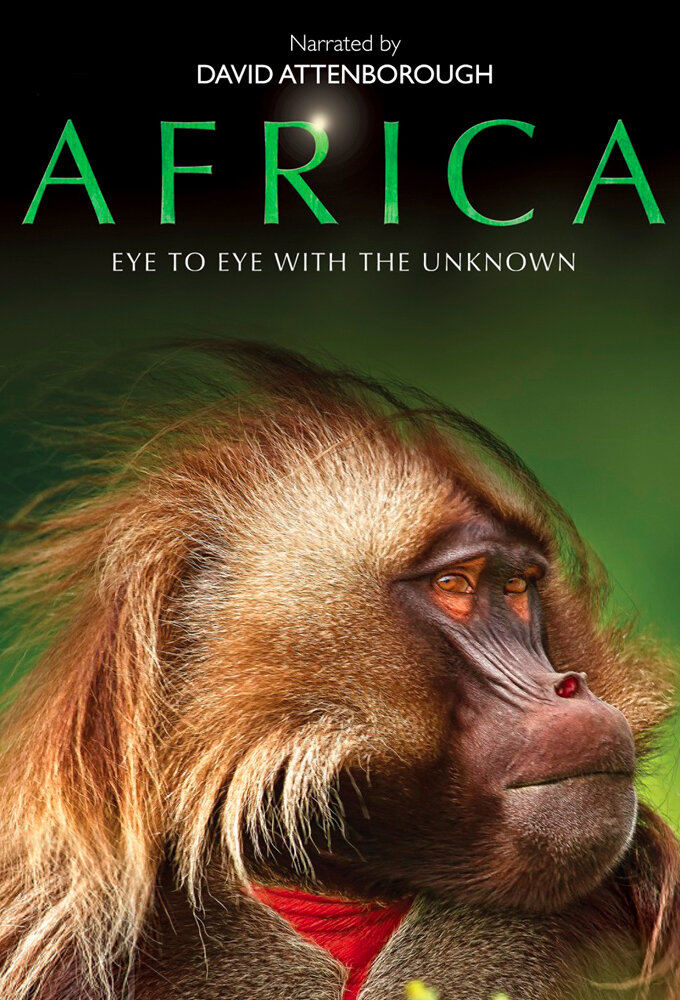
Africa2013
Attenborough exploring how animals thrive across Africa's varied ecosystems. Strong on migration, behaviour, and the interplay between predator and prey.
But Covers ground already well-trodden in nature television. Feels more conventional than his innovations.
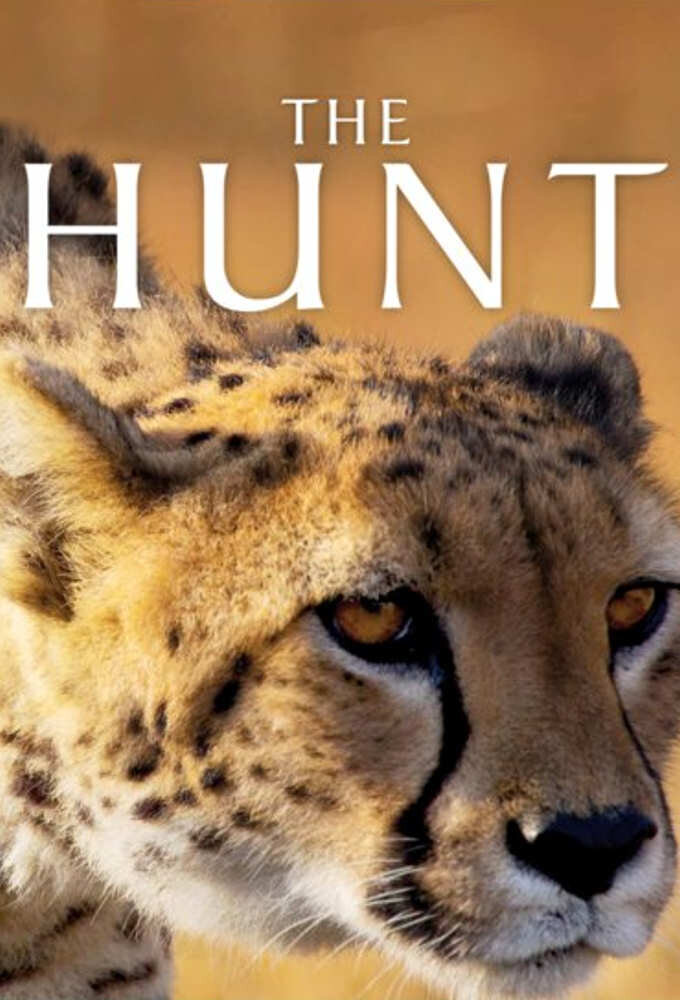
The Hunt2015
Shifts focus to predation and the hunt itself—the obverse of Life of Birds' mating focus. Stunning action sequences where every moment is earned from real behaviour.
But Can be genuinely distressing. The predator-prey footage is visceral and not sanitized.
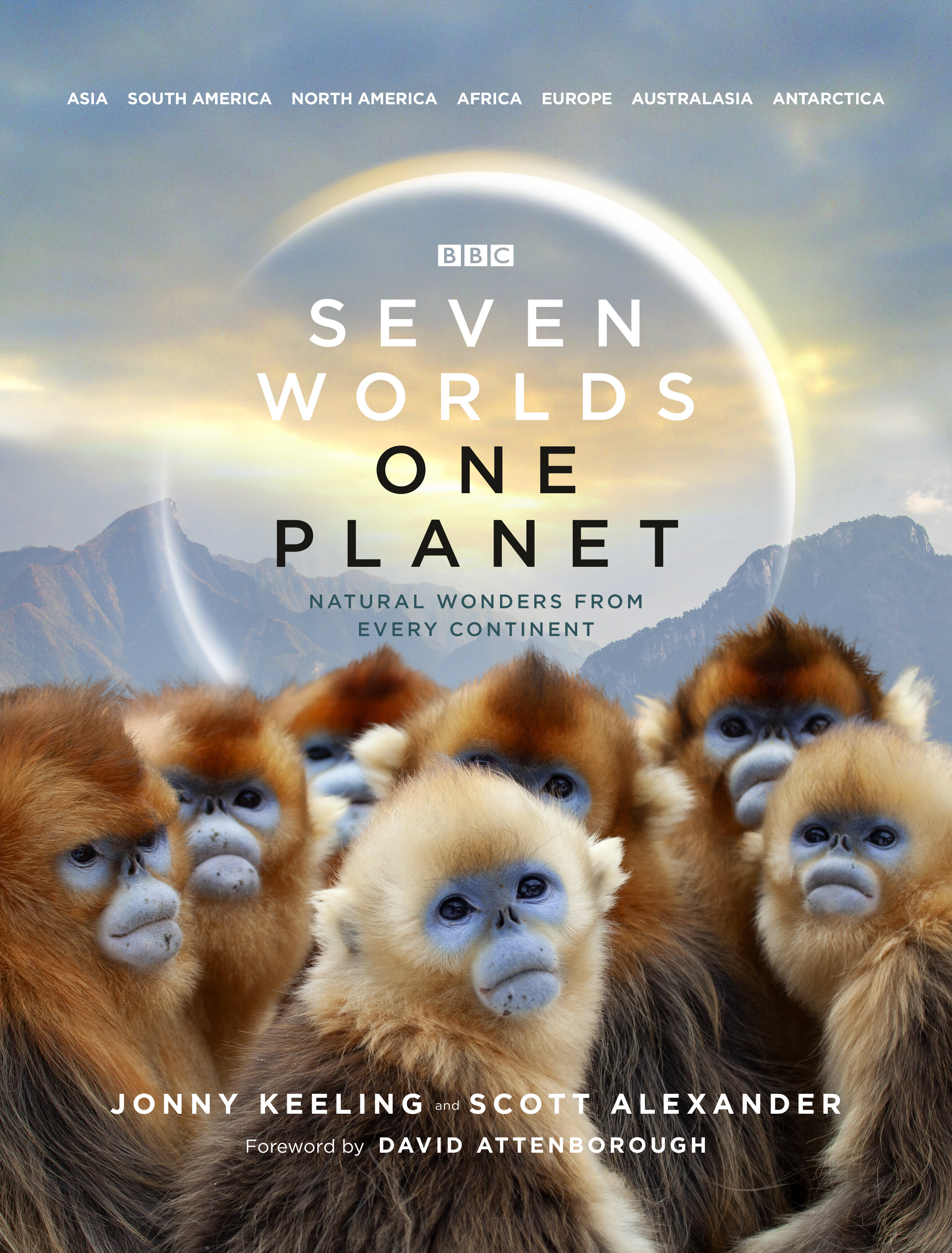
Seven Worlds, One Planet2019
Continent-by-continent exploration of wildlife adapted to specific landforms and climates. Picks up where Life of Birds left off with a focus on adaptation as the key to survival.
But Recent technology makes some older work feel dated by comparison. The scale can be numbing.
The Private Life of Plants1995
Plants are the inverse problem: adaptation without mobility. Attenborough uses the same patient observation and wonder to make the still world as compelling as the animal kingdom.
Attenborough's earlier masterpiece using time-lapse and macro-cinematography to reveal plant behaviour at scales the eye cannot normally perceive. Same filmmaker, same rigorous observation, radically different subject.
But Plants move slowly even at time-lapse. Lacks the immediate drama of animal behaviour. Some find it boring despite technical brilliance.
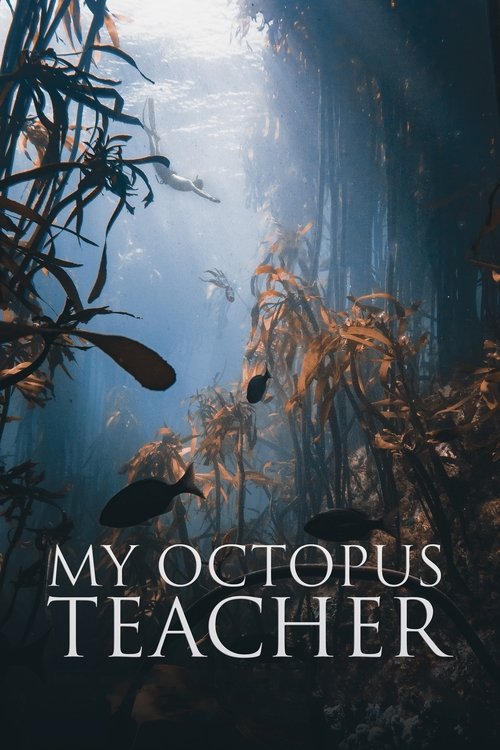
My Octopus Teacher2020
Life of Birds celebrates birds as masters of adaptation. My Octopus Teacher explores how deeply you can know a creature by patient, sustained attention—a different kind of mastery entirely.
A filmmaker spends a year observing a single octopus in a South African kelp forest, building an intimate relationship with an alien intelligence. Profound meditation on observation, patience, and the nature of understanding.
But Intensely personal rather than comprehensive. Some view it as sentimental or overstated. Not a traditional nature documentary.
People
Cast
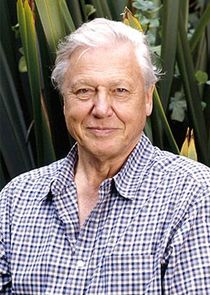 David AttenboroughNarrator