
Television series
Seven Worlds, One Planet
- Dip in and out
Seven Worlds, One Planet is Attenborough's continent-by-continent survey of the natural world, splitting the globe into geological chapters — Antarctica, Africa, Asia, Australia, Europe, North America, South America — to show how isolation and drift shaped each continent's wildlife. Gorgeously shot and briskly paced, it's emotionally engineered comfort viewing: awe, the odd gut-punch about climate change, and Attenborough's voice doing the heavy lifting.
Should you watch it?
Watch it if you want a continent-by-continent tour of how geography shaped strange animals, the kind of natural-history storytelling where the why matters as much as the wildlife.
Skip it if you already know the big-picture ecology and want fast, dramatic wildlife action rather than an explanatory, somewhat gentle survey of continents.
What it asks of you: Seven one-hour episodes, each parked on a single continent, moving at a patient, unhurried pace that rewards staying with one landmass at a time.
Not sure? Find tonight's pick in a minute.
If you liked this
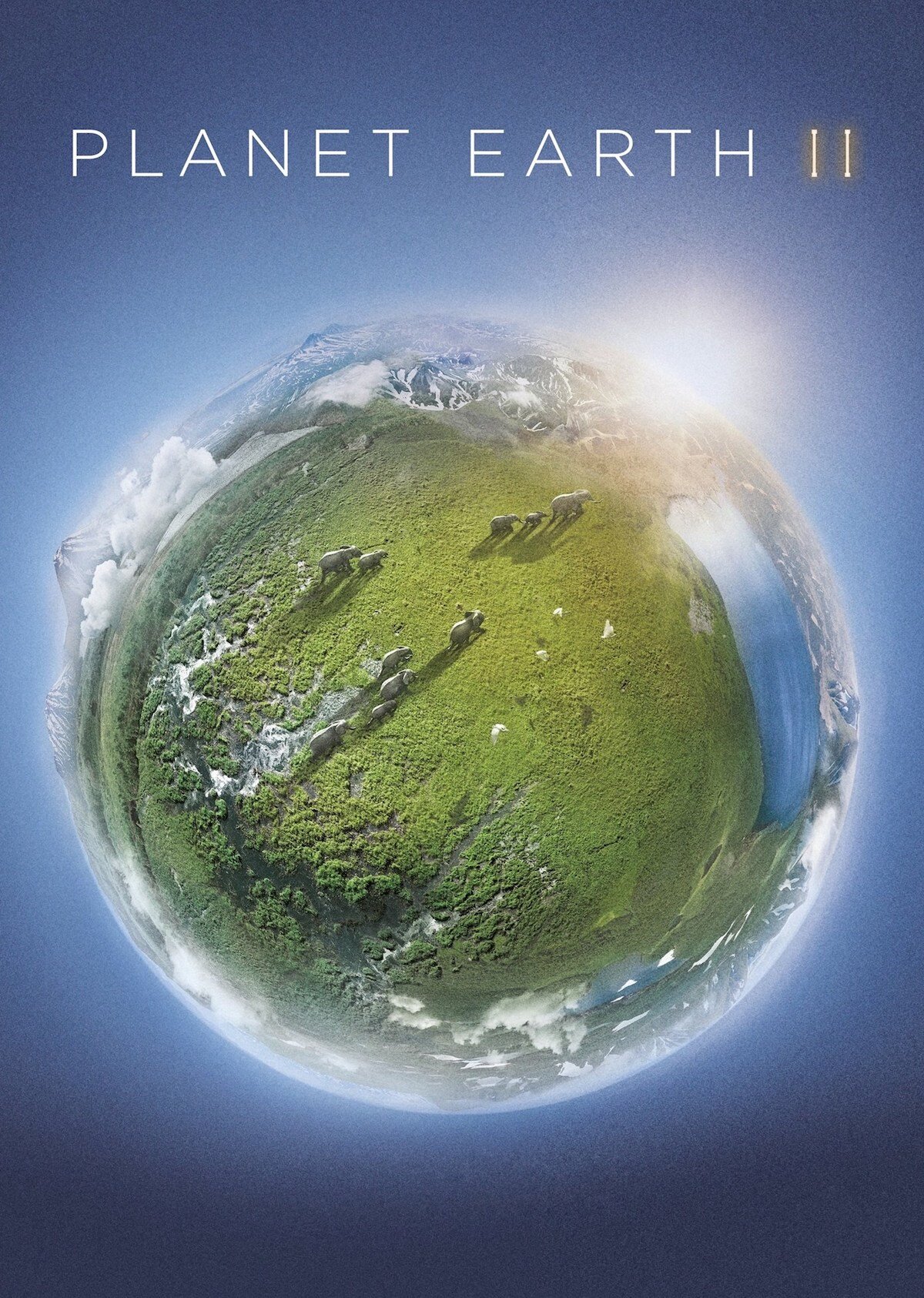
Planet Earth II2016
Same BBC Natural History Unit, same drone-and-patience camerawork, but tighter and more thrilling — this is the series that perfected the one-unbelievable-sequence-per-episode formula Seven Worlds runs on.
But Structured by habitat rather than continent, so some of the geographic storytelling you liked here is gone.
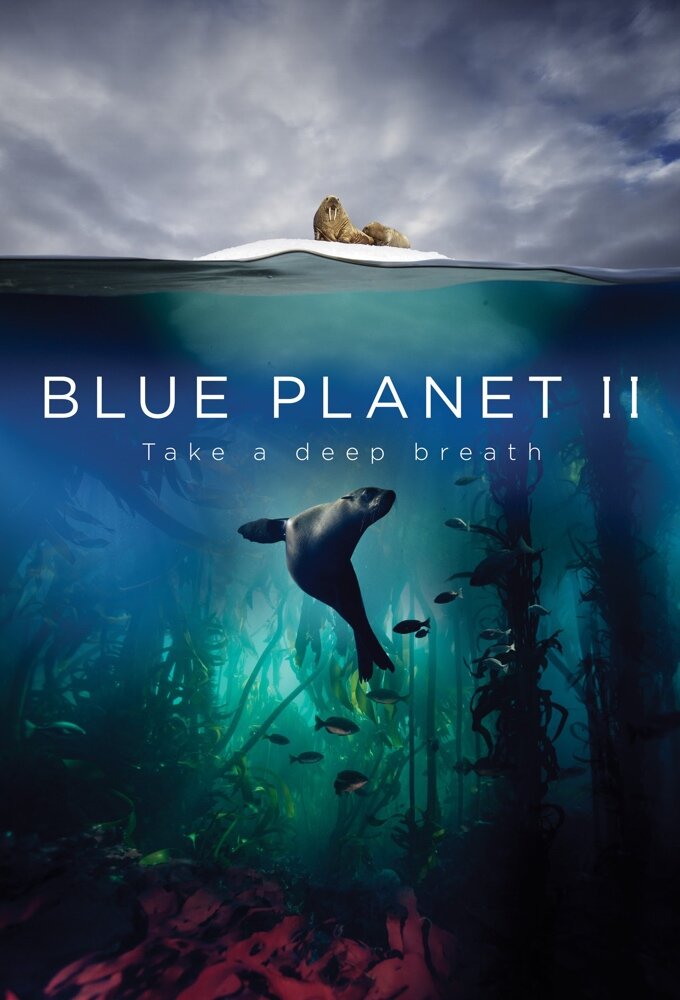
Blue Planet II2017
Swaps landmasses for oceans and finds just as much drama — bioluminescent battles, tool-using fish, walruses in real trouble. Attenborough again, at his most reverent.
But All water, all the time; if you came for elephants and eagles you'll miss solid ground.
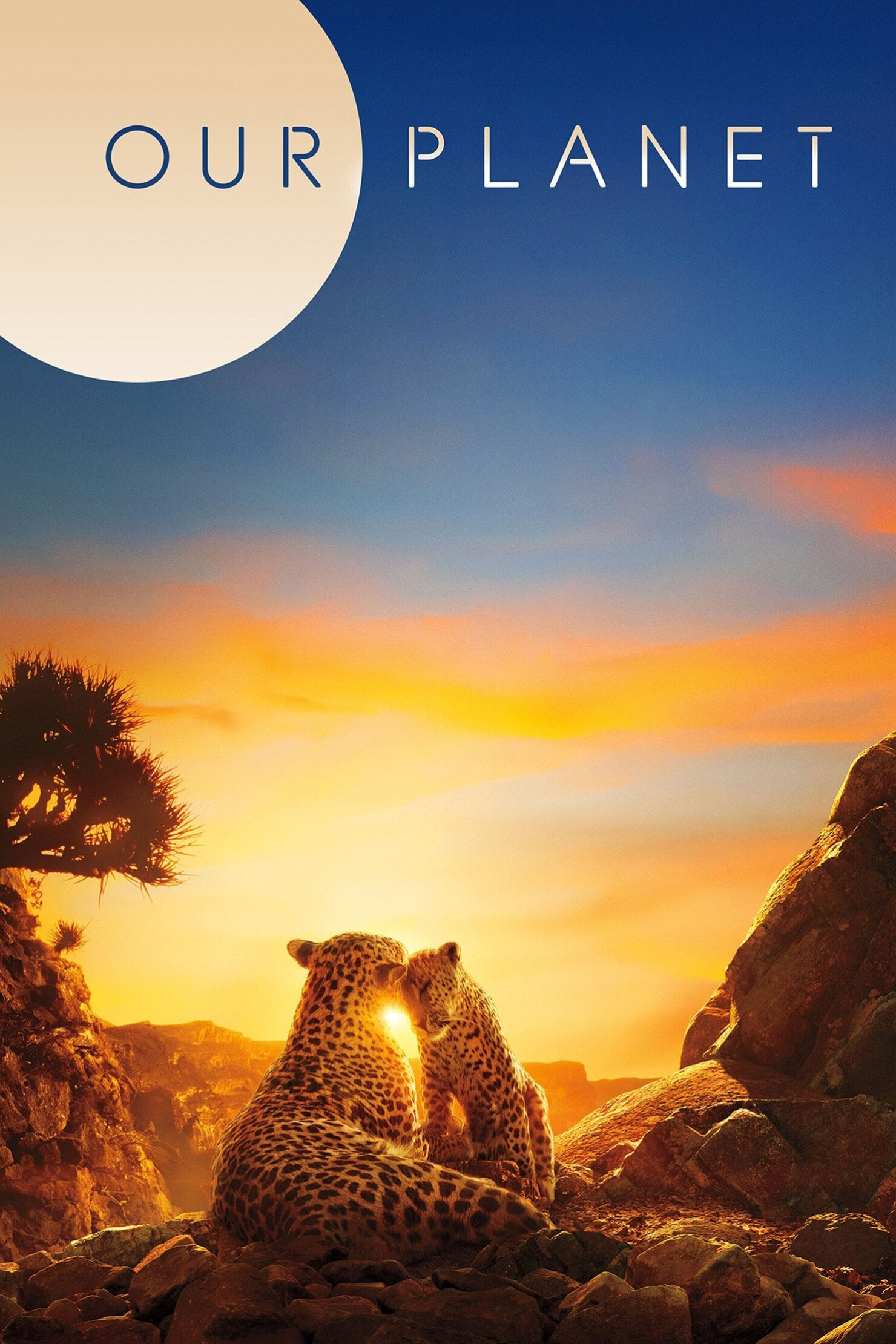
Our Planet2019
Made by many of the same producers, released the same year, but with its climate message stated far more bluntly and no BBC to soften it. Easy to binge on streaming.
But The doom-laden framing is heavier and more explicit than Seven Worlds' occasional gut-punch.
Not sure tonight? Get a pick in a minute, starting from Seven Worlds, One Planet
The wildcard
Something you would not have found on your own.
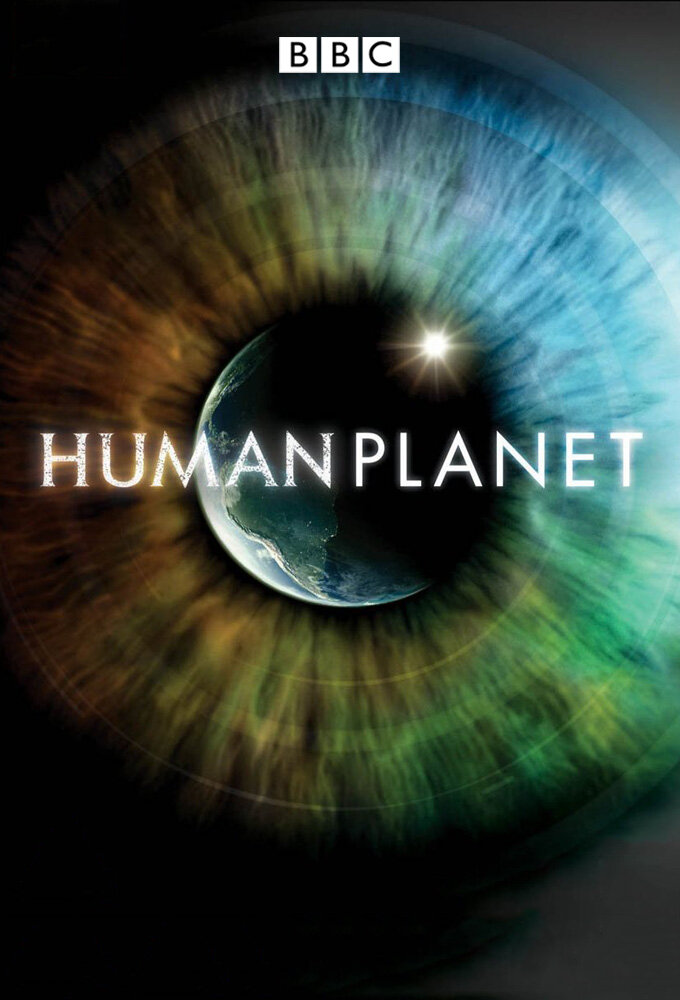
Human Planet2011
It borrows Seven Worlds' exact structural trick of splitting the globe by environment, but swaps the wildlife for people, turning 'how does an animal survive here' into 'how does a person.'
Same landmark BBC ambition, same continent-hopping structure, but the star species is us — humans surviving deserts, ice, jungle, and open ocean with nothing but ingenuity.
But If you watch nature docs to escape humanity, this one puts us right back at the centre.
More like this (8)
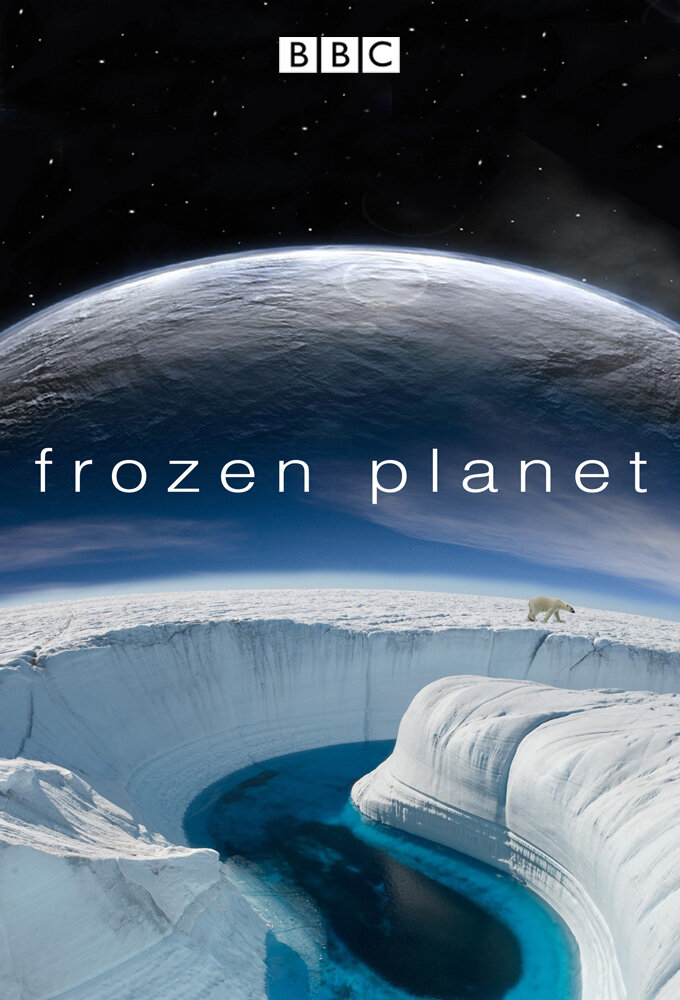
Frozen Planet2011
Attenborough's polar deep-dive, made before Antarctica got its own episode here — colder, starker, and unexpectedly funny about penguins.
But Two episodes are essentially about the science of ice; pace slows if that's not your thing.
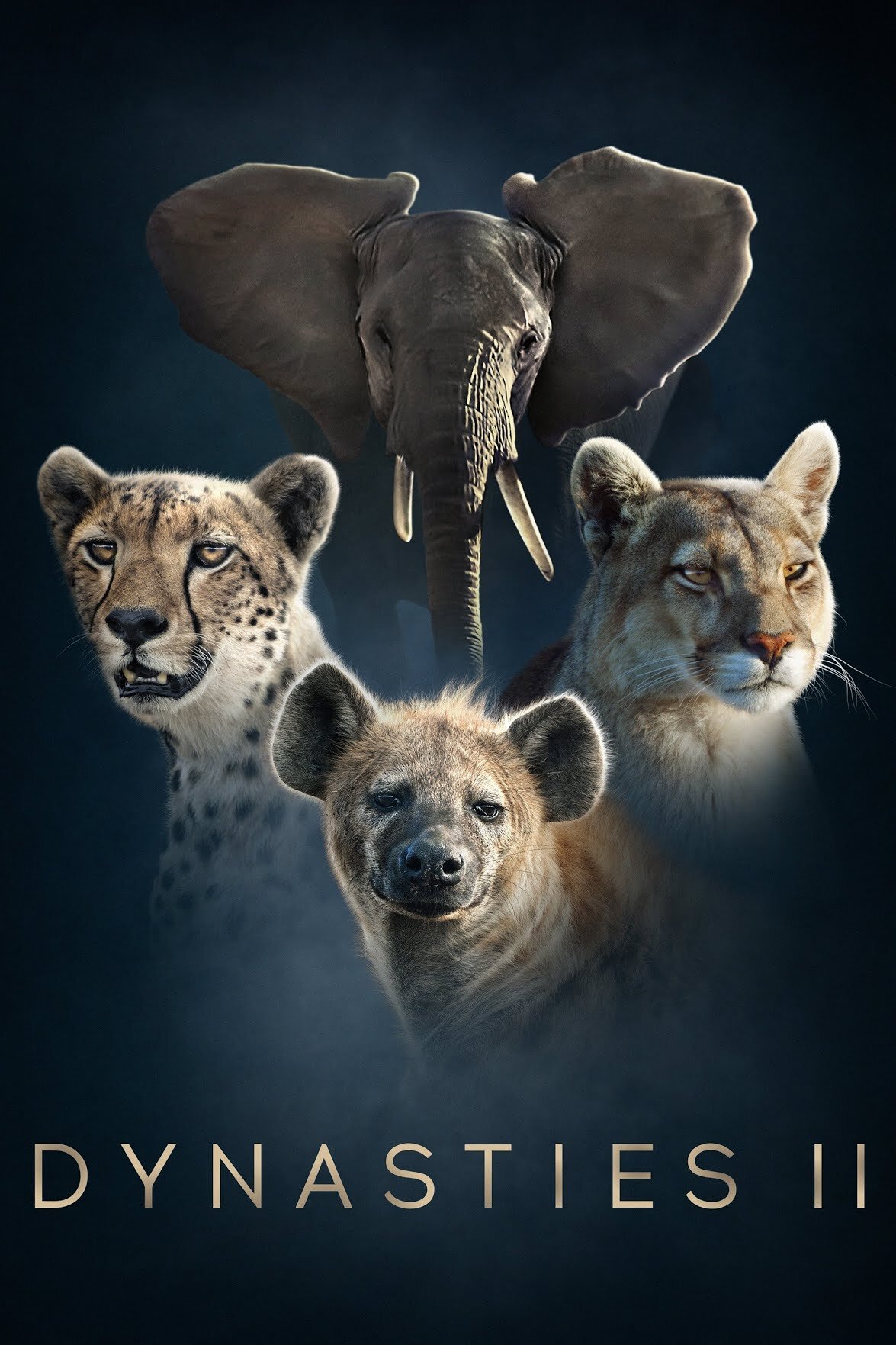
Dynasties2018
Follows five individual animal families across full seasons instead of hopping continents, so you get real narrative arcs — loss, rivalry, survival — rather than highlight-reel wonder.
But The slower, character-driven format asks more patience than Seven Worlds' brisk continent tours.
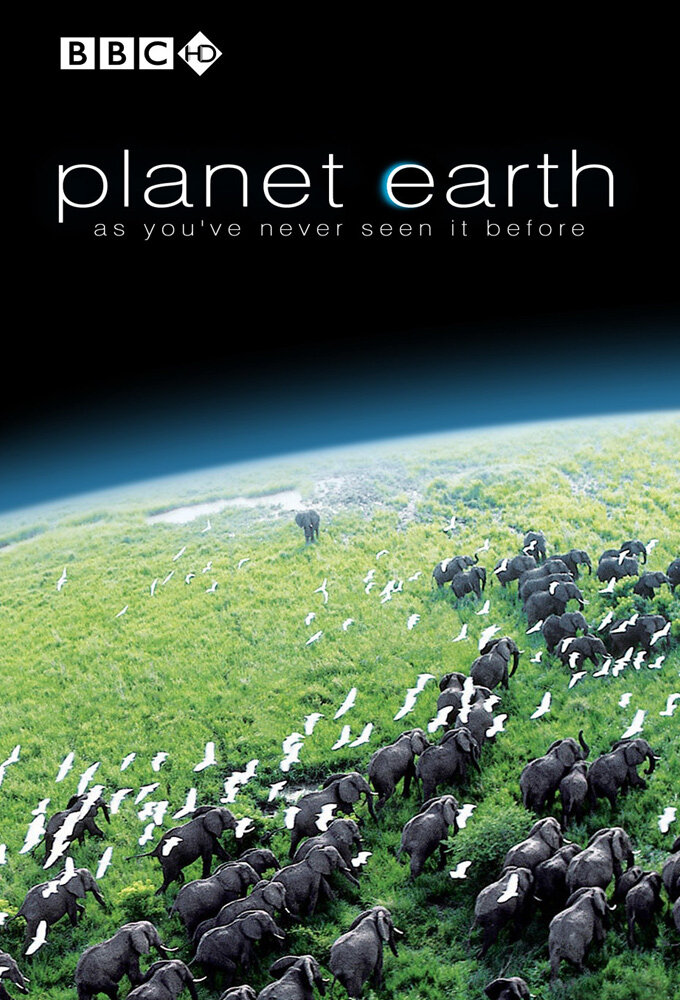
Planet Earth2006
The original landmark that started this entire house style — less drone footage, more sheer scale, and still holds up as the reference point everything since has copied.
But Visibly older tech; the crispness of newer 4K footage is missing.
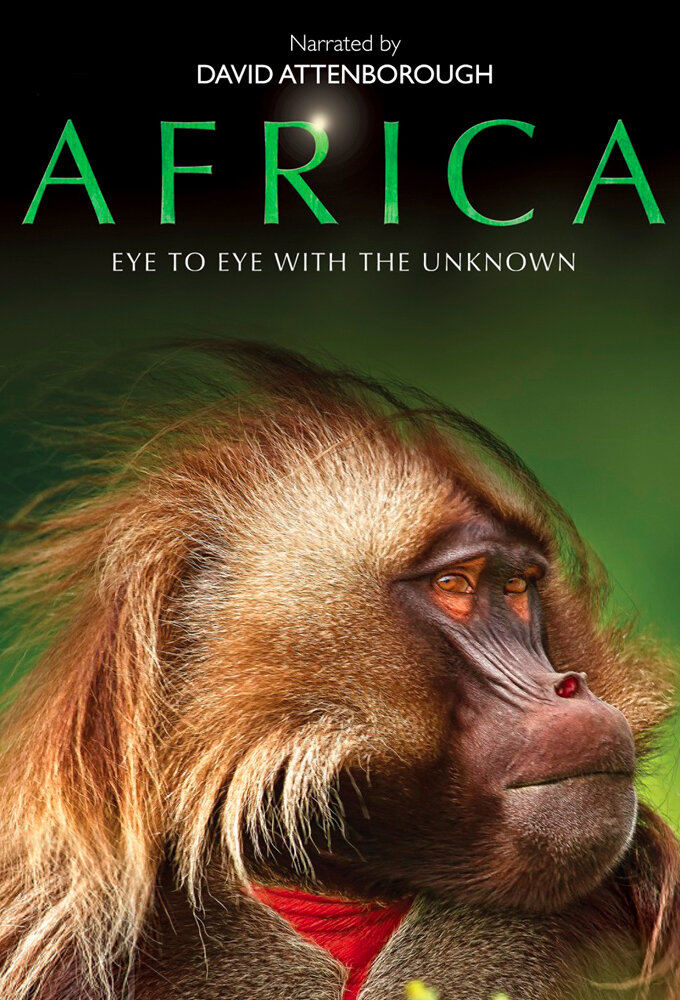
Africa2013
A whole continent given the Seven Worlds treatment years earlier, with Attenborough narrating desert, jungle, and savanna stories that feel like a direct rehearsal for this series.
But Single-continent focus means less variety across an episode-to-episode binge.
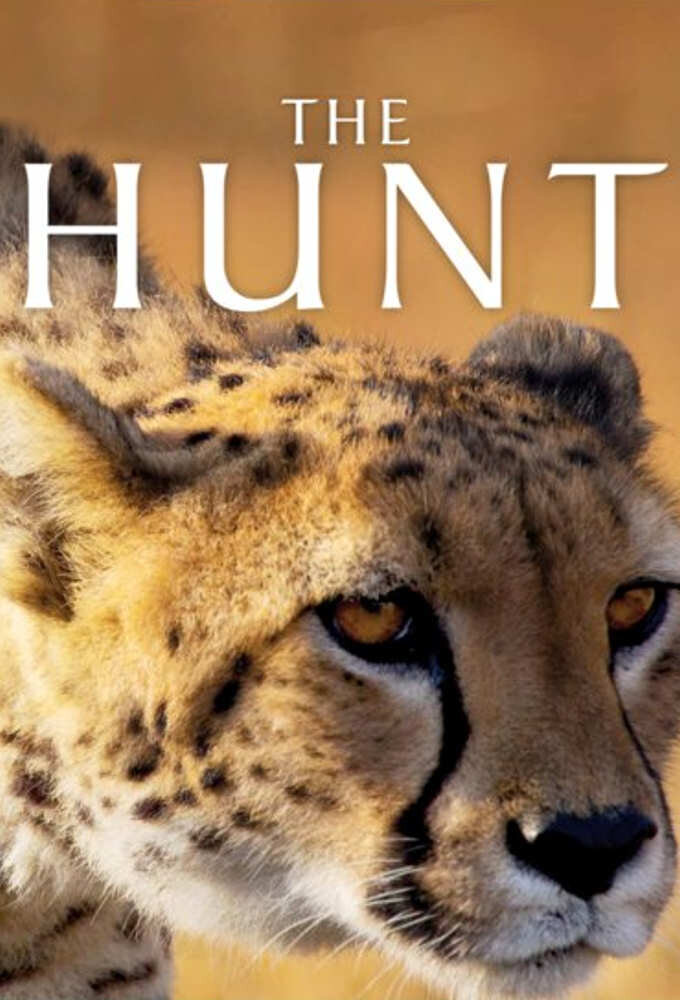
The Hunt2015
Zooms into predator-prey mechanics with unusual intensity — less scenery, more tension, told almost like a thriller. Great if you want the adrenaline dialled up.
But Narrower focus can feel relentless; less of the wide-angle wonder Seven Worlds offers.
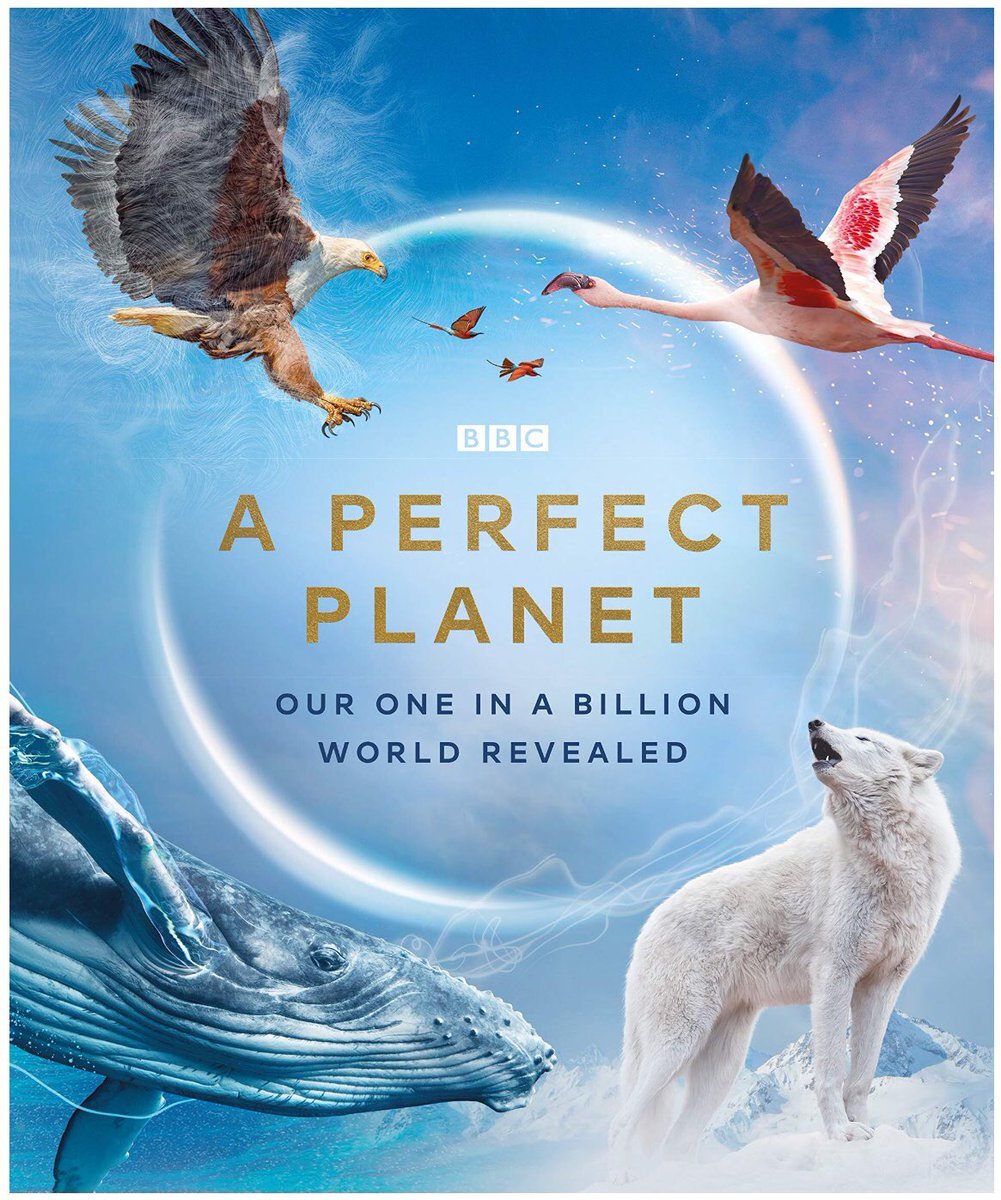
A Perfect Planet2021
Attenborough's later series reorganises nature around forces — volcanoes, oceans, weather, sun — rather than continents, a neat companion angle if the geography hook worked for you.
But Feels more repetitive by this point in his catalogue if you've already seen several of these.
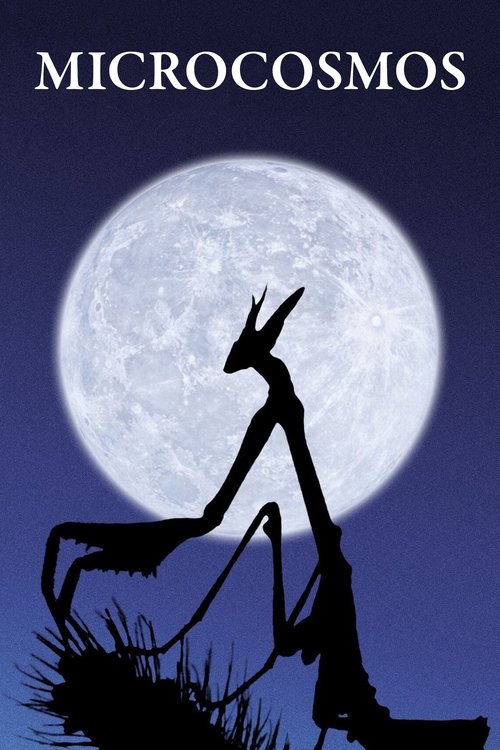
Microcosmos1996
Same wonder-at-scale engine as Seven Worlds, but shrunk from continents to a few square metres of French meadow, and stripped of the authoritative voiceover that usually tells you what to feel.
A French theatrical film that goes so far into macro lens territory you watch snails duel and ants build cities like it's an alien world. No narration, barely any dialogue — just sound and scale.
But Slow, wordless, and deliberately hypnotic; the total absence of Attenborough-style narration takes real adjustment.
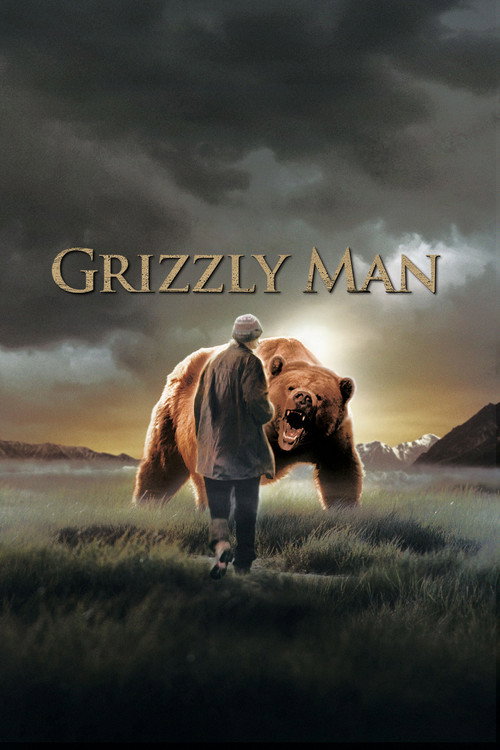
Grizzly Man2005
Same raw nature footage and grand landscapes, but Herzog's register is the opposite of Attenborough's reassurance — where Seven Worlds finds awe, this finds tragedy and warns against romanticising the wild.
Werner Herzog's unsettling documentary about a man who lived among Alaskan bears, using real wildlife footage to ask a much darker question about what humans project onto nature's indifference.
But Genuinely upsetting in places and offers none of the comforting wonder Seven Worlds is built on.
People
Cast
 David AttenboroughNarrator
Recommended by
Planet Earth II, Planet Earth, Blue Planet II, Frozen Planet, Africa, Dynasties, The Hunt, Human Planet, Planet Earth III, mixed-ish, The Life of Birds, DIY SOS, The Green Planet, Attenborough's Life in Colour, Attenborough and the Giant Dinosaur, Mammals