
Television series
Attenborough's Life in Colour
- Light-hearted
- Dip in and out
David Attenborough explores how colour shapes survival, reproduction, and behaviour across the animal kingdom, using cutting-edge filming technology to reveal hues invisible to the human eye. Visually stunning and endlessly curious, it's accessible nature documentary that treats colour as a character in its own right, perfect for anyone who loves watching the world differently.
If you liked this
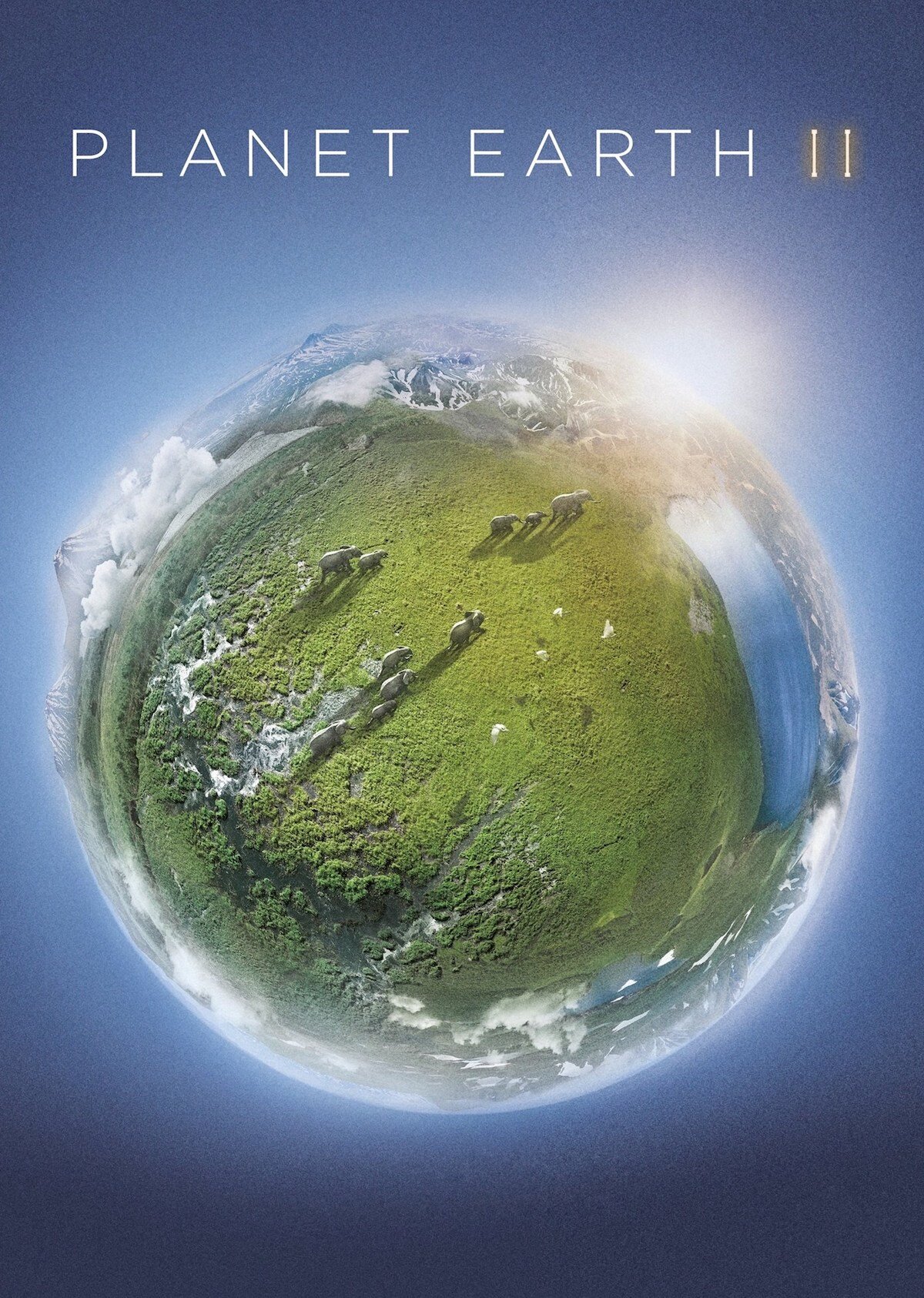
Planet Earth II2016
Attenborough's masterclass in making the everyday extraordinary. Follows animals across diverse habitats with the same visual ambition and intimate storytelling that makes Life in Colour sing.
But If you've seen the first series, the formula is familiar—and genuinely beautiful cinematography can feel slightly less revolutionary on a second viewing.
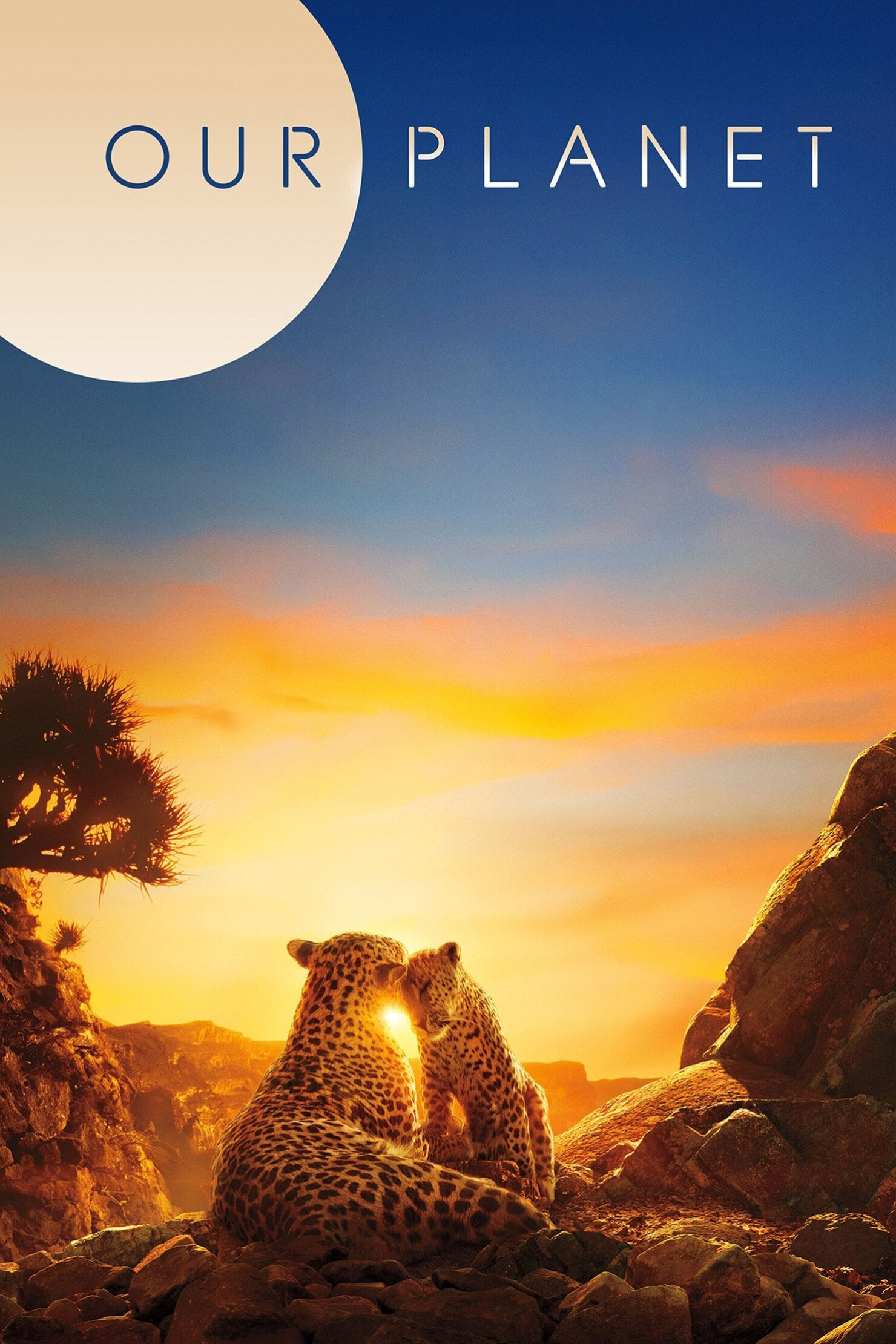
Our Planet2019
Another Attenborough series using state-of-the-art camera work to illuminate animal behaviour. Focuses on how species adapt to their environments with the same sense of wonder and meticulous observation.
But The environmental collapse angle, while important, can feel heavy-handed compared to the pure discovery of Life in Colour.
The Dating Game1965
Attenborough examines courtship rituals across species—essentially colour's closest cousin in the animal world. Funny, surprising, and shot with the same technical brilliance you'll recognize immediately.
But Sixty minutes of animals flirting might feel slight if you're looking for weightier themes about survival and adaptation.
Not sure tonight? Get a pick in a minute, starting from Attenborough's Life in Colour
The wildcard
Something you would not have found on your own.
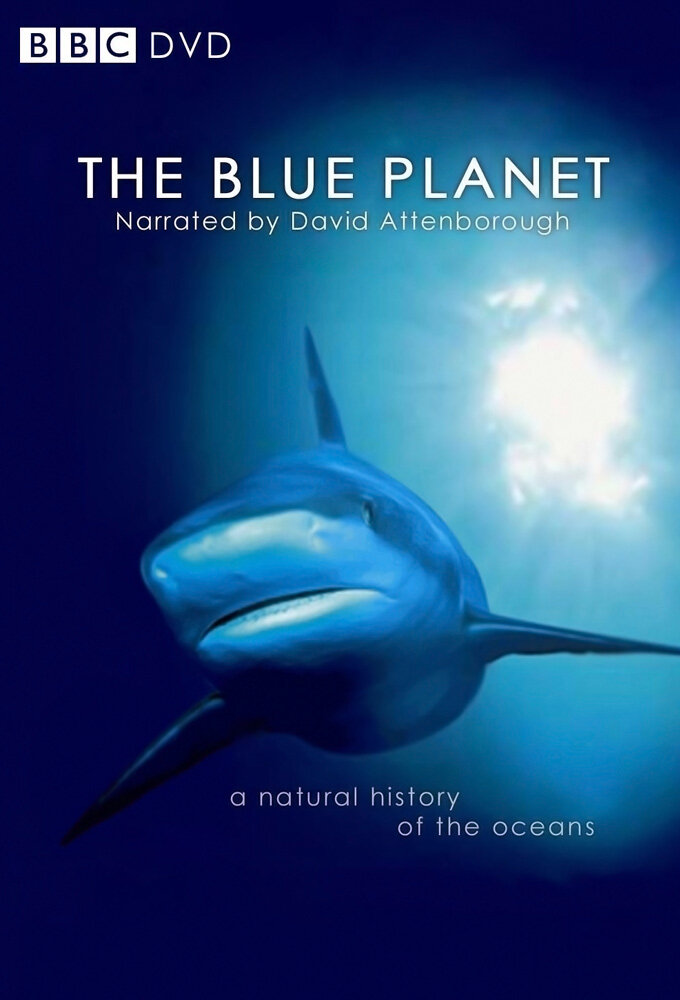
The Blue Planet2001
Both are structured around how colour (or light) functions as survival mechanism across a specific realm. The ocean *is* colour science made visible; Life in Colour simply extends the idea to all habitats.
The ocean is colour's true kingdom—bioluminescence, camouflage, symbiosis—and this proto-HD masterpiece captures it with wonder. A spiritual ancestor to Life in Colour that influenced everything Attenborough has made since.
But Shot on older technology; the image quality is noticeably softer than contemporary work, which might feel like a step backward visually.
More like this (8)
Life2007
The grandfather of modern nature television. Systematically unfolds how organisms survive, with narration so clear it teaches without lecturing. A foundational work that rewards revisiting.
But The cinematography, while stunning for 2009, hasn't aged as fluidly as more recent BBC productions. It can feel a touch slower.
Frozen Planet2011
Attenborough at the poles, where colour becomes scarce and survival becomes stark. The restraint and vastness create a meditative quality that complements Life in Colour's visual palette perfectly.
But Landscapes of ice and snow, no matter how beautiful, offer less chromatic variety than you might crave after Life in Colour.
The Hunt2015
Predator-prey relationships told with genuine suspense and empathy for both sides. The cinematography rivals Life in Colour; the storytelling has real dramatic weight without sentimentality.
But Some sequences of animal predation are genuinely distressing if you prefer gentler documentary viewing.
Seven Worlds, One Planet2019
Continent-by-continent survey of life on Earth, balancing scale with intimacy. Each episode feels like a complete world, filmed with the care and ingenuity you've come to expect from Attenborough's later work.
But Twelve episodes is a serious commitment. The breadth sometimes means individual sequences feel slightly rushed.
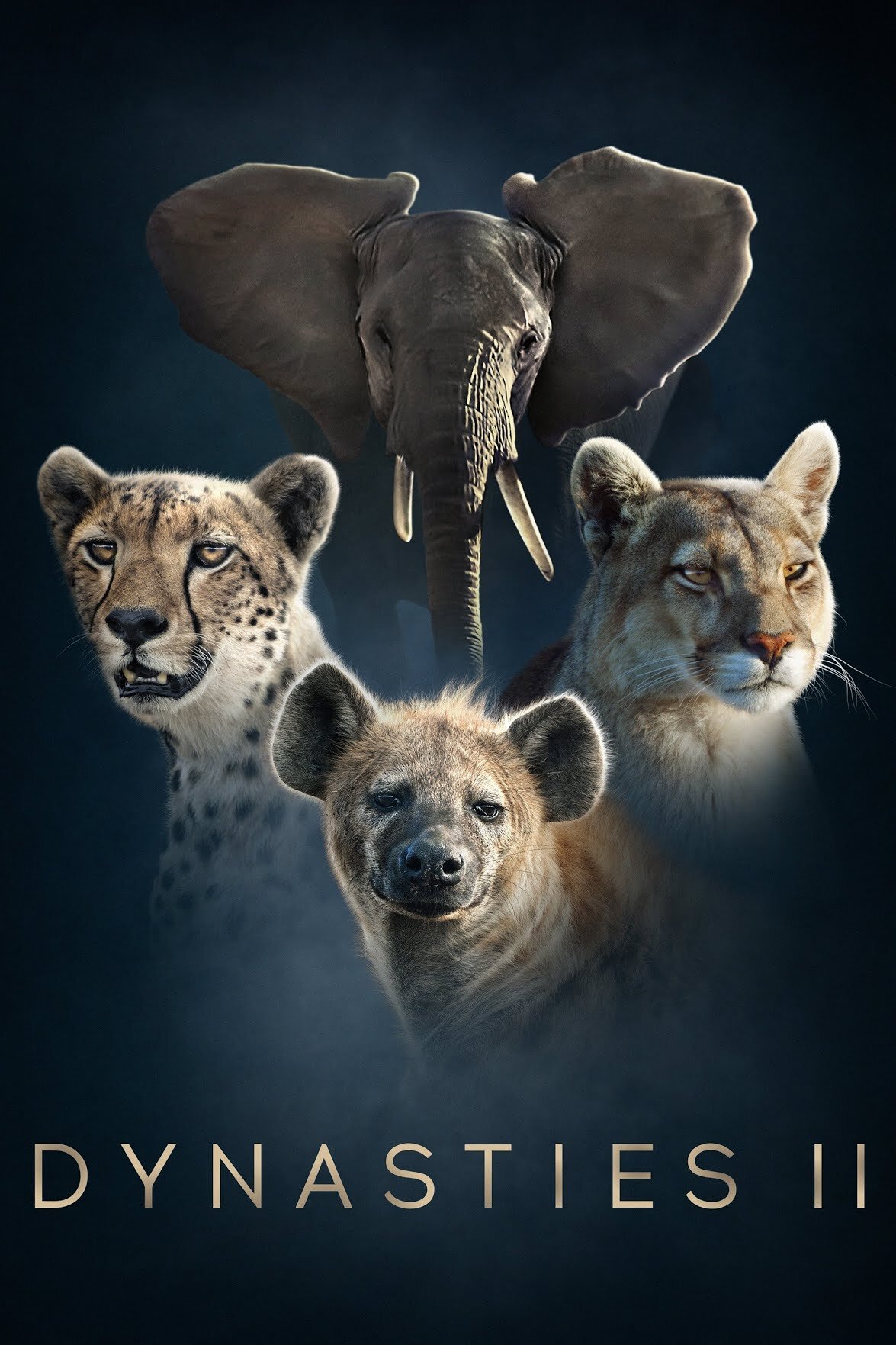
Dynasties2018
Long-form storytelling following animal families across seasons. More narrative-driven than Life in Colour, but equally obsessive about visual beauty and behavioural detail.
But The emotional investment required is heavier than pure exploration. Some animals don't survive, and it lands harder than nature-as-spectacle.
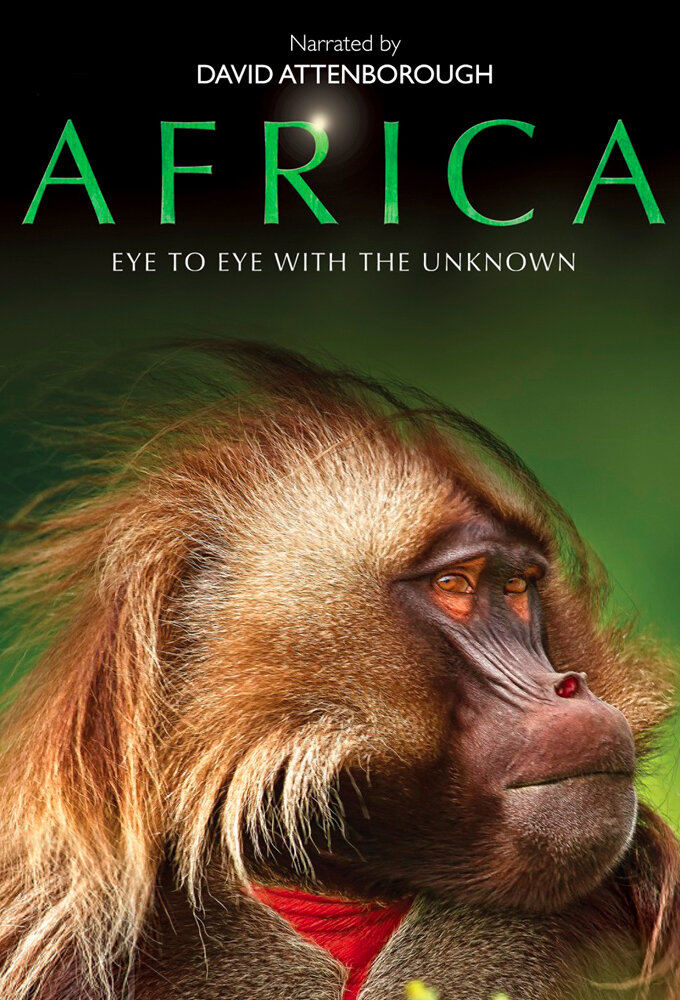
Africa2013
Five-part deep dive into a single continent. Showcases the range of visual environments and animal behaviour within one geography, with Attenborough's precision at its peak.
But If you've watched most Attenborough series, the structural beats start to feel familiar—each episode follows a similar arc.
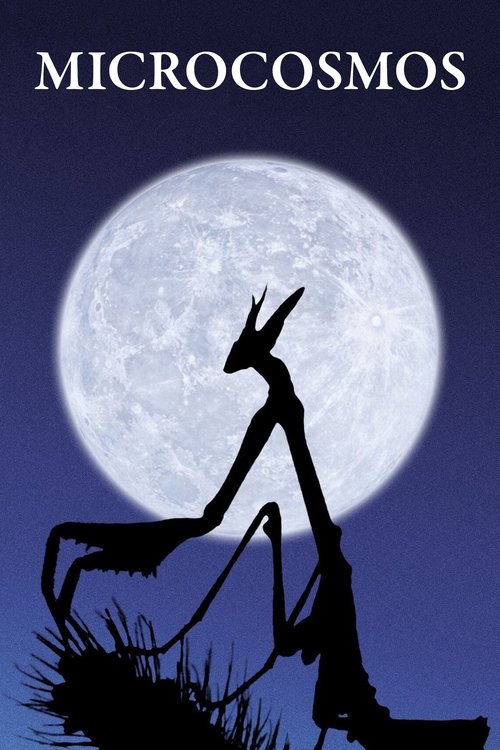
Microcosmos1996
Where Life in Colour uses advanced technology to reveal colour humans miss, Microcosmos uses microscopy to reveal a world at a completely different scale. Both say: look closer, and the world rewrites itself.
A feature-length meditation on insect life filmed with such obsessive close-up precision that you're seeing colour at a scale human eyes cannot. No narration—just sound design and pure visual revelation. Mesmerizing and totally singular.
But No dialogue, no explanation, no hand-holding. If you need context or narrative momentum, this will feel like abstract art rather than documentary.
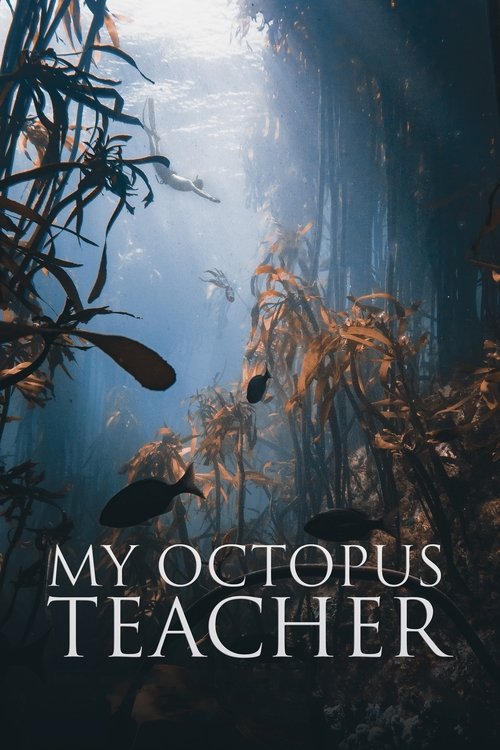
My Octopus Teacher2020
Both understand colour as a language animals speak. But where Life in Colour surveys the alphabet, this film learns to listen to one voice speak it fluently. Colour as intimacy rather than inventory.
A filmmaker spends a year with a single octopus, observing her colour-changing abilities as a form of communication and survival. Intimate, poetic, and genuinely moving in a way pure spectacle cannot touch.
But Slower and more personal than Life in Colour—some find it sentimental rather than scientific. The emotional core won't land for everyone.
People
Cast
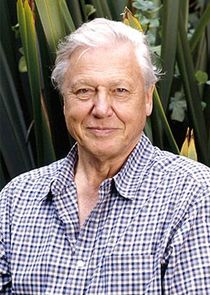 David AttenboroughPresenter