
Television series
Frozen Planet
David Attenborough's tour of the Arctic and Antarctic, filmed with the sort of patience and technology that makes ice floes feel like distant planets. It's slow, gorgeous, occasionally brutal television — killer whales tipping seals off ice, timelapse blizzards, penguins doing absurd things with total sincerity. Best watched properly, on a big screen, when you want the world to feel enormous again.
If you liked this
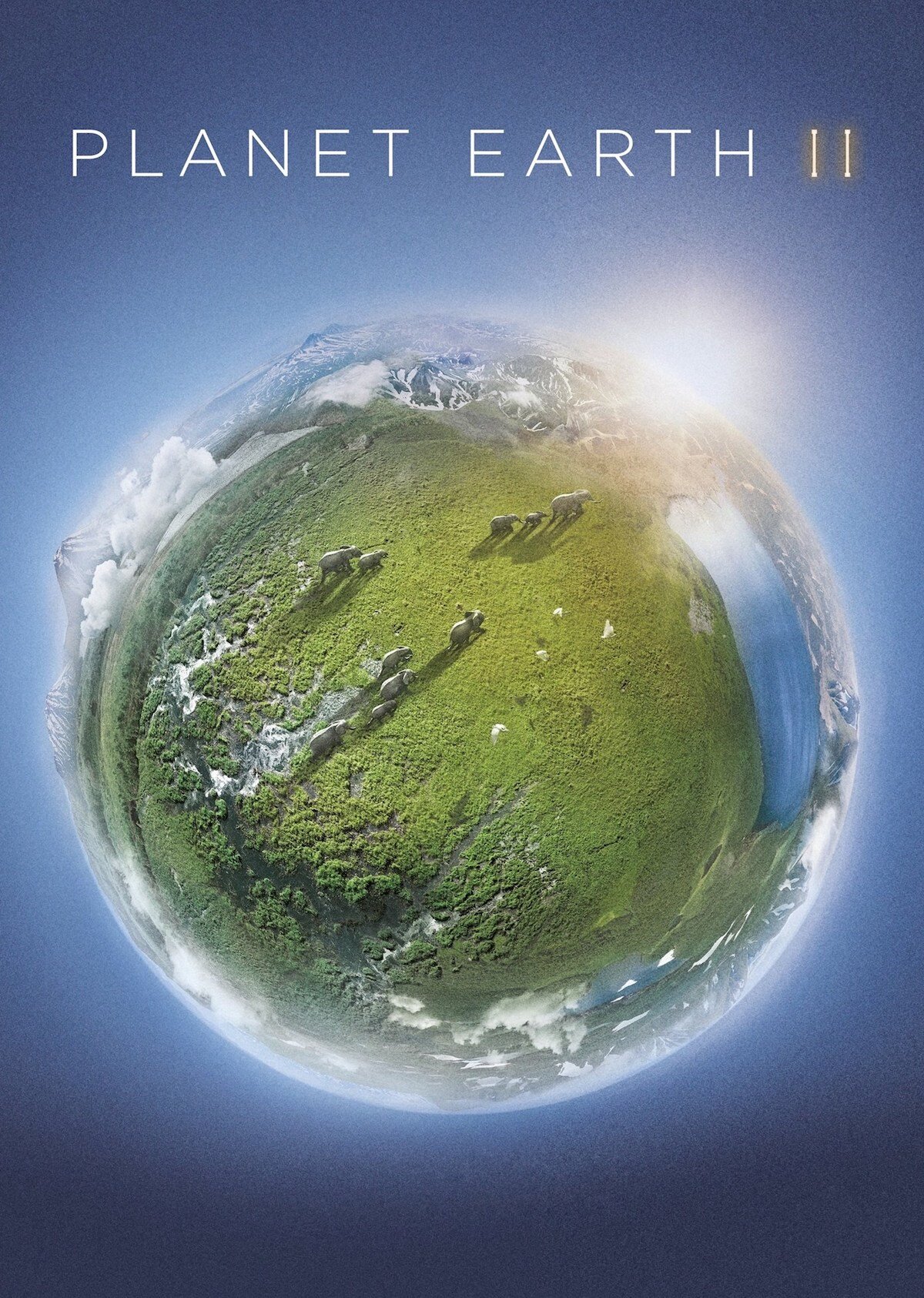
Planet Earth II2016
The natural successor in every sense — same team, sharper cameras, drone shots that make the whole planet feel newly discovered. The snow leopard sequence alone justifies the upgrade in technology.
But It's become the reference point for 'nature doc as spectacle,' so some of its tricks now feel familiar rather than astonishing.
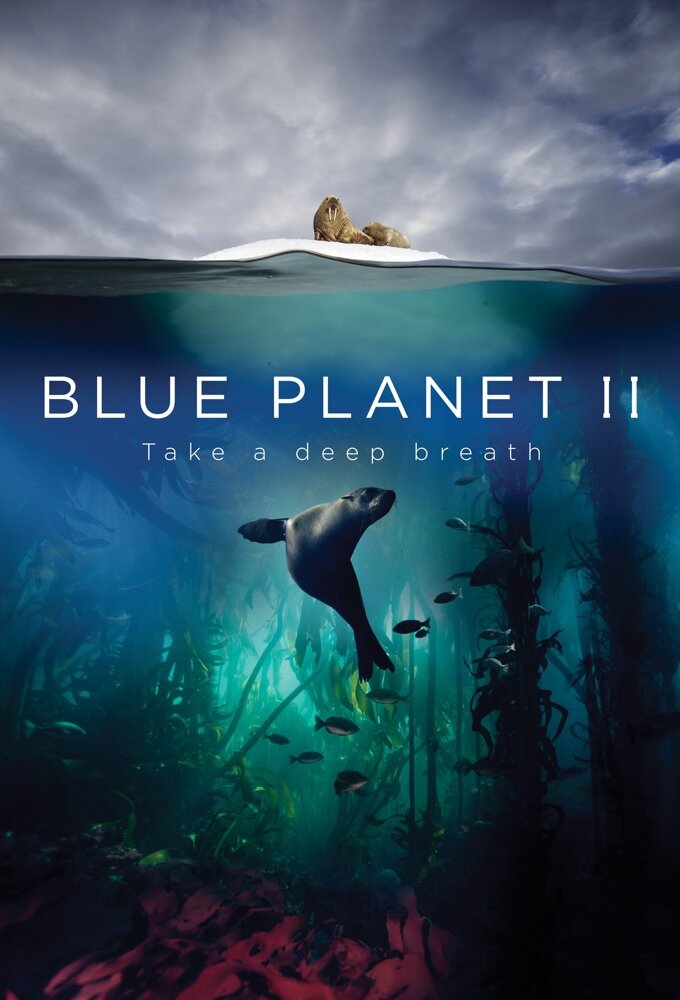
Blue Planet II2017
Swaps ice for ocean and finds the same sense of scale and strangeness underwater — coral cities, tool-using fish, walruses in genuine peril from melting ice.
But A few episodes lean hard into climate messaging, which some viewers find essential and others find heavy-handed for a nature show.
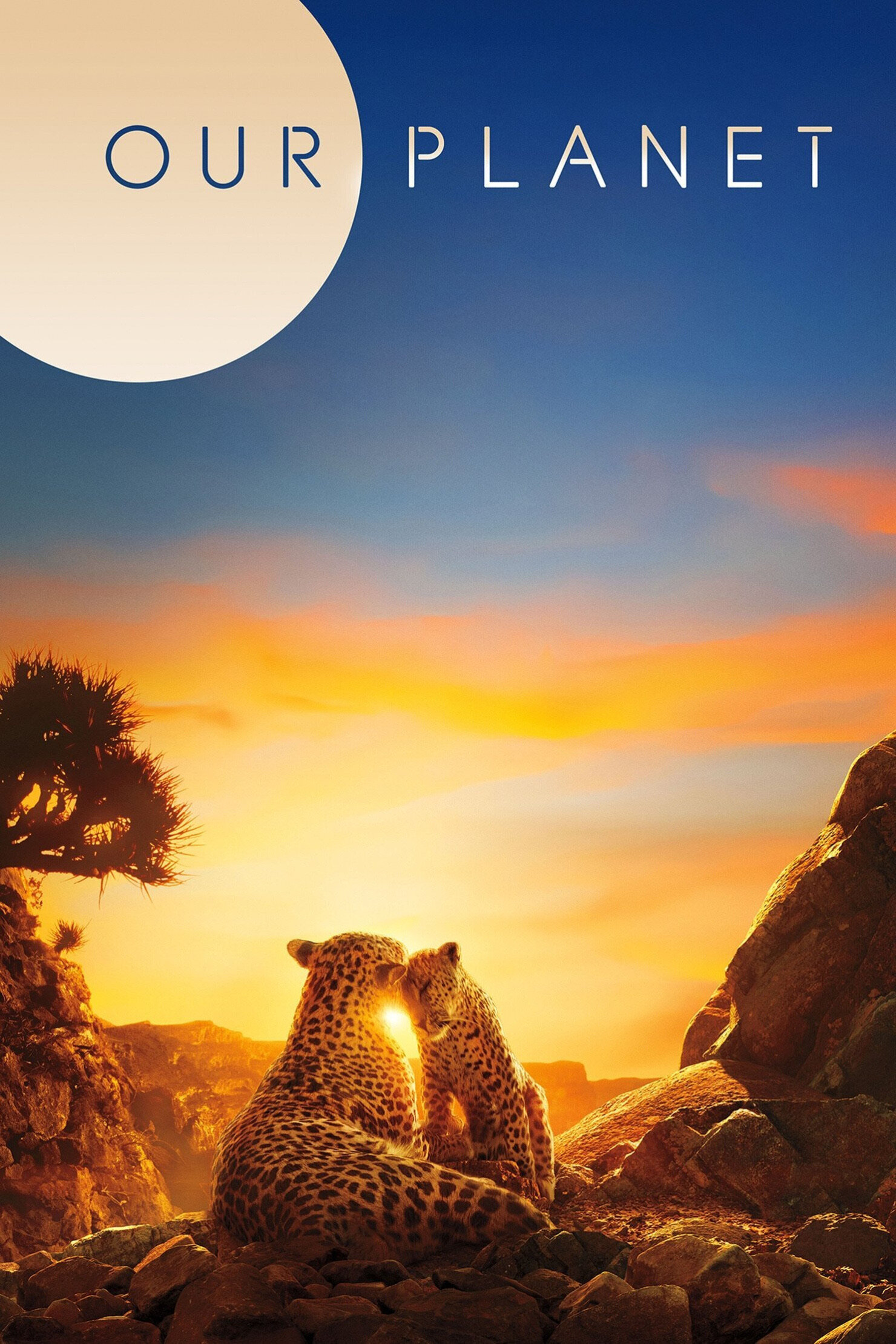
Our Planet2019
Same crews, same jaw-dropping footage, but made with explicit conservation urgency baked into the narration rather than tacked on at the end. Attenborough sounds genuinely worried.
But The grimness is constant rather than occasional — beautiful, but it doesn't let you forget why you should be uneasy.
The wildcard
Something you would not have found on your own.
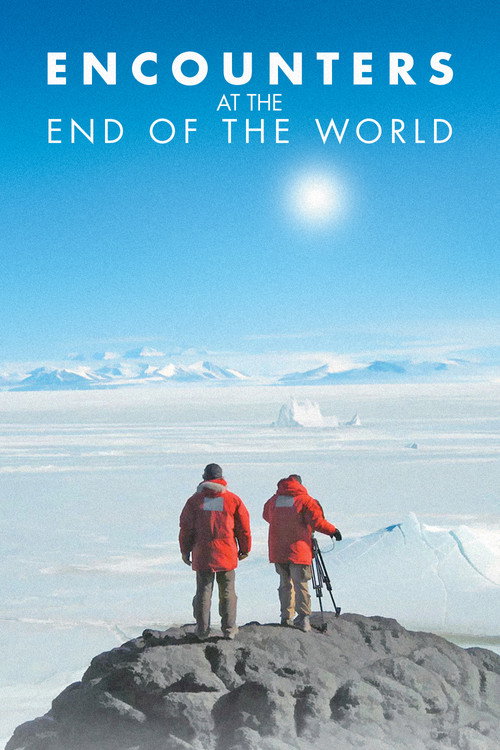
Encounters at the End of the World2007
Same continent, same extremity of place, but the register flips entirely from wonder-at-nature to wonder-at-why-anyone-would-live-here.
Werner Herzog goes to Antarctica and interviews the scientists and drifters who live there, producing something stranger, funnier, and more melancholic than any wildlife spectacle. It's about why humans go to the ice, not just what's on it.
But Herzog's narration is deadpan and philosophical rather than reassuring — this is not comfort television.
More like this (8)
Frozen Planet II2022no page yet
A direct sequel a decade on, with a decade's more warming to document and a decade's more camera technology to document it with. Genuinely harder-hitting than the original.
But If you've just finished the first series, the format and rhythms will feel very familiar rather than fresh.
Dynasties2018no page yet
Ditches the globe-trotting format for something closer to a soap opera — following single animal families through years of political infighting, betrayal, and survival.
But The tighter focus means less variety and more emotional gut-punches; it's a rougher, sadder watch than the anthology-style series.
The Hunt2015no page yet
Predator-and-prey dynamics get the full cinematic treatment, told with real tension and structure rather than just narrated wonder. Feels like a thriller with claws.
But It's relentlessly focused on chases and kills, which makes it more intense and less meditative than Frozen Planet's slower rhythms.
Seven Worlds, One Planet2019no page yet
Organised by continent rather than habitat, which gives it a nice geography-lesson structure and some genuinely obscure creatures you won't have seen filmed before.
But Covering seven continents in seven episodes means less time in any one place than Frozen Planet's deep polar focus.
Human Planet2011no page yet
Same production house, same year even, but turns the camera on people surviving in the planet's most extreme environments instead of animals — including some startling Arctic communities.
But The human stories occasionally feel staged for the camera in a way the wildlife footage never does.
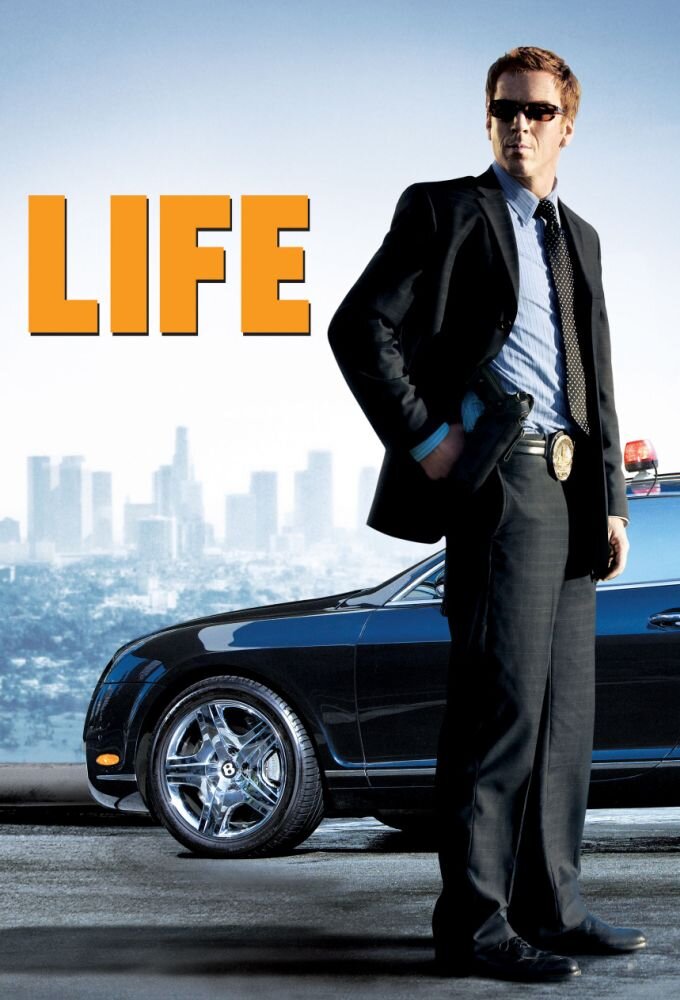
Life2007
An earlier Attenborough series with a broader brief — survival strategies across the whole animal kingdom — that rewards patience with some truly bizarre behaviour.
But Older visual technology means it can't match the sheer polish of the more recent series.
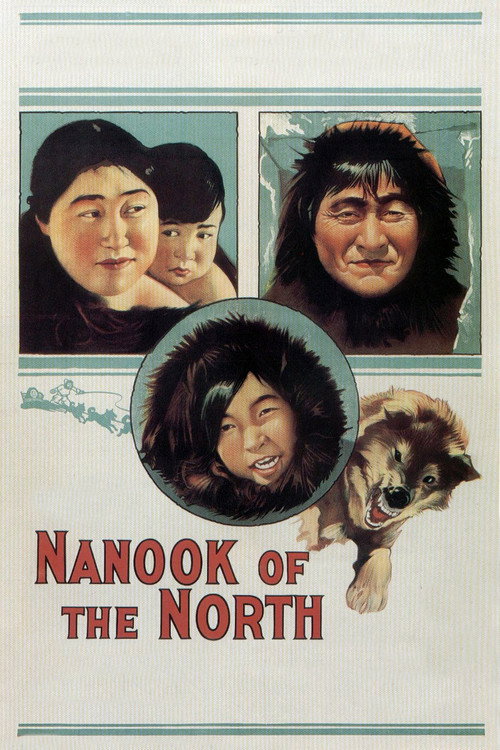
Nanook of the North1922
The earliest attempt to put polar survival on film, decades before the BBC turned it into spectacle — the same subject with none of the technology.
A silent film following an Inuit family's daily survival, shot nearly a century before drones and thermal cameras existed. It's the ancestor of every polar documentary that followed, including this one.
But Silent, staged in parts, and ethically dated by modern documentary standards — a genuine historical artefact rather than smooth viewing.
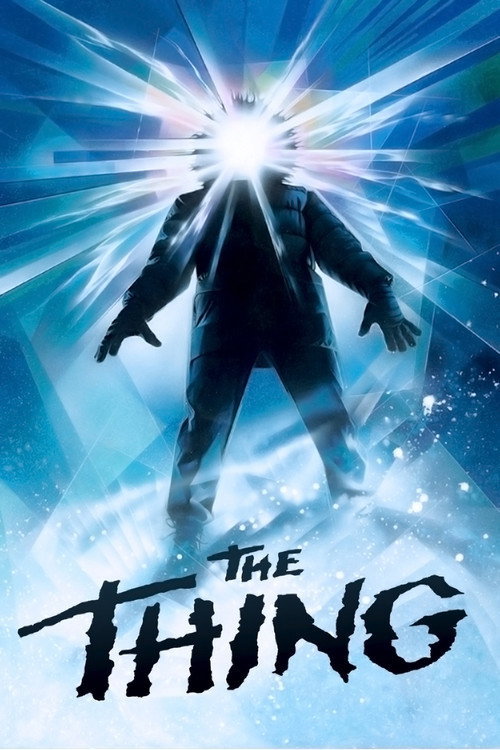
The Thing1982
Takes the exact setting — ice, isolation, extremity — and asks what happens when the environment turns actively hostile rather than merely indifferent.
An Antarctic research station, total isolation, and something monstrous frozen in the ice — John Carpenter turns the same landscape Attenborough marvels at into pure claustrophobic horror.
But Gruesome practical-effects body horror with zero wildlife-documentary calm; it will not soothe you before bed.
People
Cast

Recommended by
Earth, Planet Earth II, Planet Earth, Blue Planet II, Our Planet, Prehistoric Planet, Meerkat Manor