
Television series
The Trials of Life: A Natural History of Behaviour
Attenborough's 1990 masterclass in animal behaviour, structured around life's universal challenges: birth, feeding, shelter, courtship, competition, and survival. Twelve episodes, each exploring how wildly different creatures solve the same problems. Mesmerising, unhurried, occasionally brutal. Essential for anyone who thought nature documentaries were just pretty pictures.
Should you watch it?
Watch it if you find yourself thrilled by the small, hard-won moments of animal survival, like a newborn scrambling to its feet or a parent bargaining with danger, and want them told with patient, unhurried wonder.
Skip it if you want a fast, modern nature film with sweeping drone shots and a bright, zippy pace; this is a 1990 production with a more measured, talky rhythm that some will find slow.
What it asks of you: Twelve episodes of roughly fifty minutes each, built around one life stage or behaviour at a time, so it rewards settling in for a stretch rather than dipping in and out.
Not sure? Find tonight's pick in a minute.
If you liked this
Planet Earth2006
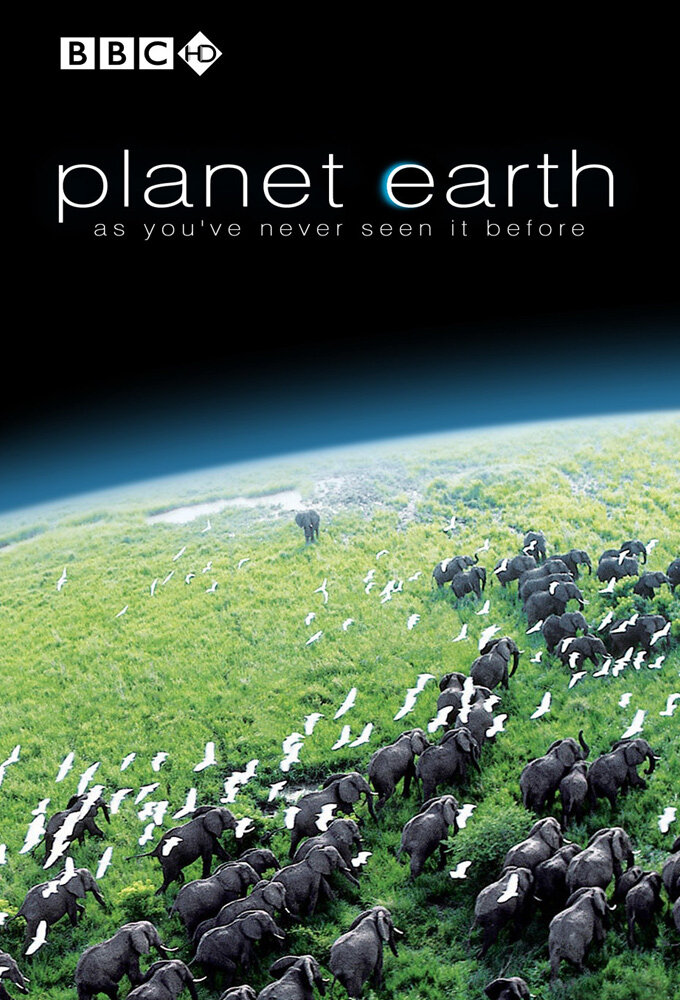
Cuts deeper into ecosystem relationships than pure spectacle. Scope rivals Attenborough's work while modern cinematography finds details he could only hint at. Feels like the natural heir.
But Occasionally lapses into environmental sermon-giving. The pacing is faster and less contemplative than Trials of Life.
Life2007
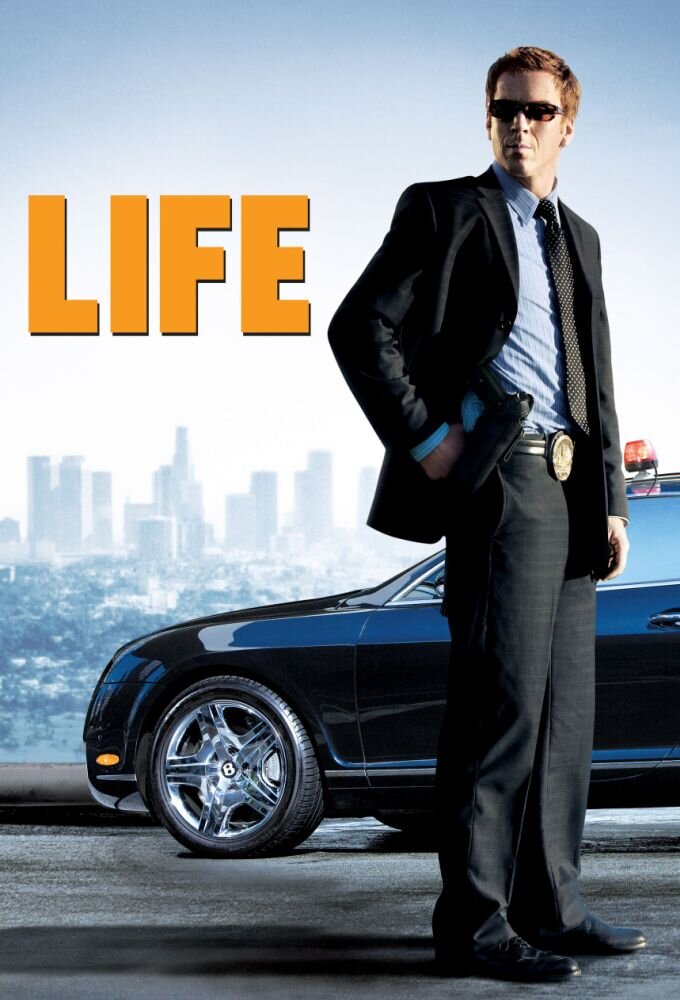
Attenborough himself as presenter, exploring the same life-cycle framework with the benefit of two decades of camera technology. Each episode is a master class in how creatures actually survive, not just exist.
But Covers familiar ground if you know Trials well. Some episodes feel overstretched to fill the running time.
Samsara2011
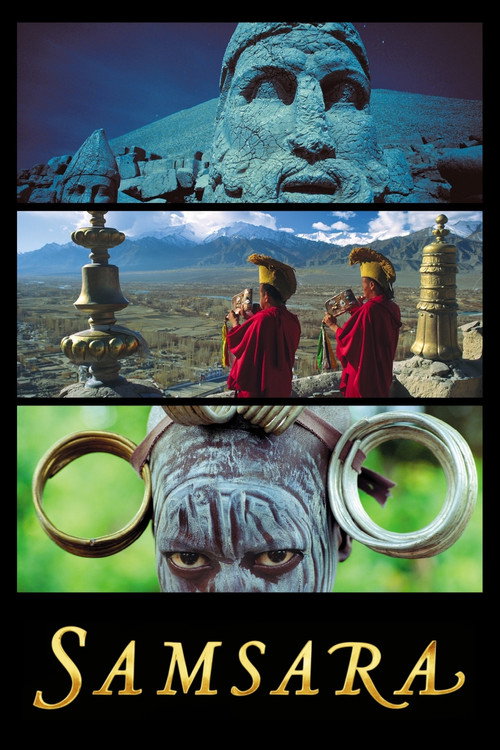
Non-narrative meditation on life cycles, behaviour, and pattern across human and animal worlds. Shot with extraordinary precision. No dialogue, just rhythm and observation.
But Requires patience and tolerance for abstraction. Some will find it pretentious; others will love exactly that quality.
Not sure tonight? Get a pick in a minute, starting from The Trials of Life: A Natural History of Behaviour
The wildcard
Something you would not have found on your own.
Microcosmos1996
Both strip away sentiment to show behaviour as pure survival strategy. Trials of Life tells you why animals do what they do; Microcosmos shows you the mechanisms, unmediated.
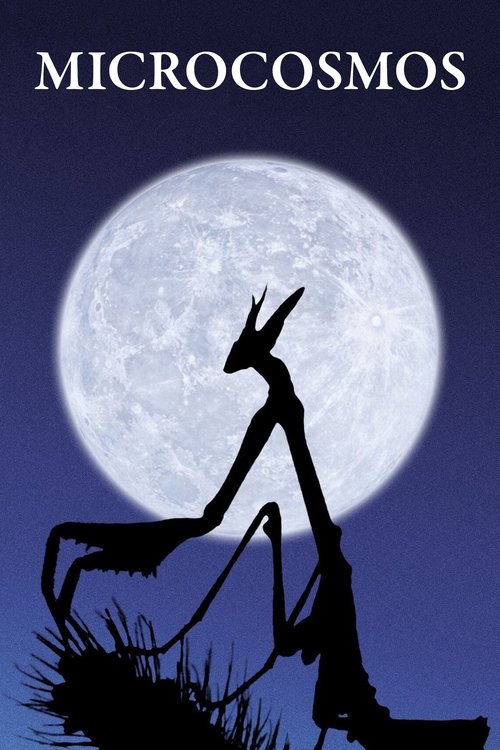
Close-up nature film about insects with virtually no narration. Shows behaviour at scales Attenborough could only allude to. Hypnotic, strange, occasionally absurd—ants farming aphids, beetles mating with bottles. You're watching a complete society in miniature.
But The lack of context can feel alienating. Extreme close-ups of reproduction and predation are genuinely unsettling for some viewers. It's beautiful but not comforting.
More like this (5)
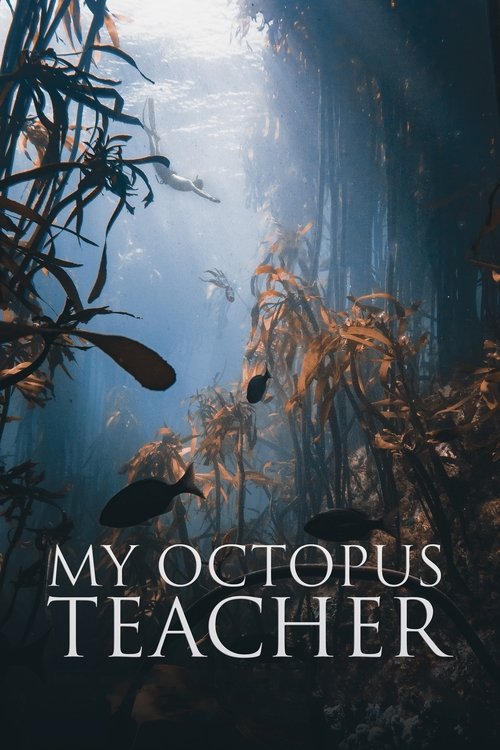
My Octopus Teacher2020
Year-long intimate study of one animal's behaviour and problem-solving. Attenborough's voice narrates. Combines Trials' curiosity with personal stakes that give it unexpected emotional depth.
But The human element can feel mawkish. Octopus intelligence is remarkable, but the film sometimes treats it as spiritual awakening rather than biology.
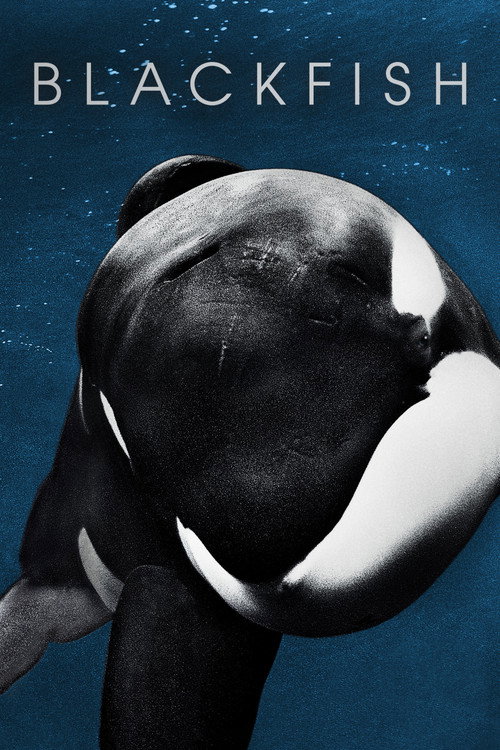
Blackfish2013
Documentary about orca behaviour in the wild versus captivity. Challenges your assumptions about what 'normal' behaviour means and how social hierarchies actually function in apex predators.
But Clearly an activist film with an agenda. Some sequences are distressing, particularly around animal treatment.
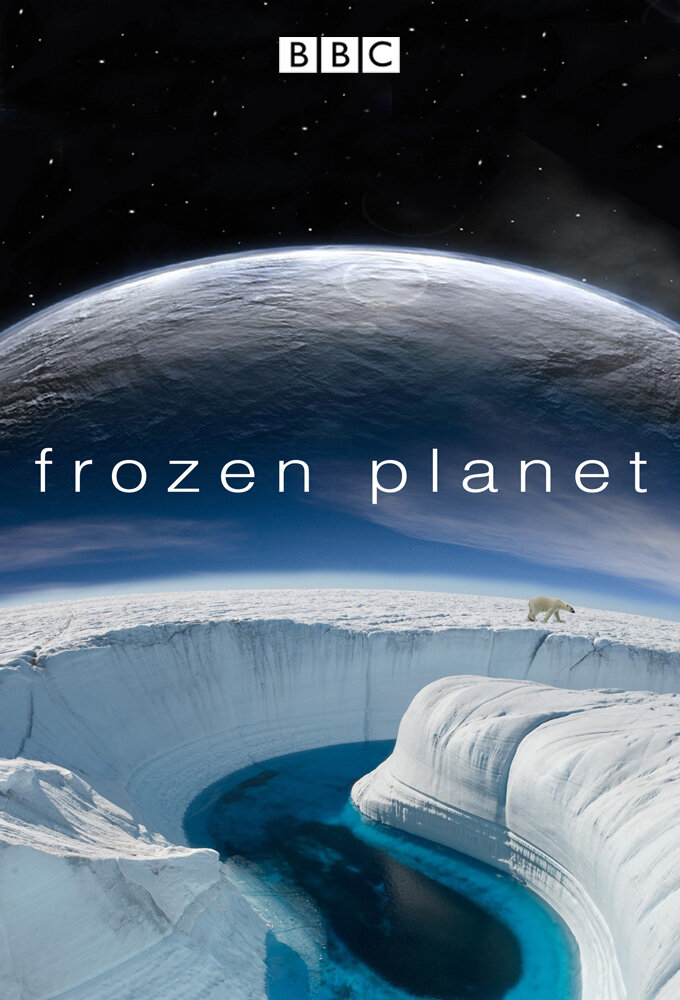
Frozen Planet2011
Attenborough exploring behaviour in Earth's harshest environments. Creatures solving problems at extremes reveal behavioural principles that universal principles that work everywhere else.
But Visual beauty sometimes outweighs behavioural insight. Some material is recycled from Planet Earth with different narration.
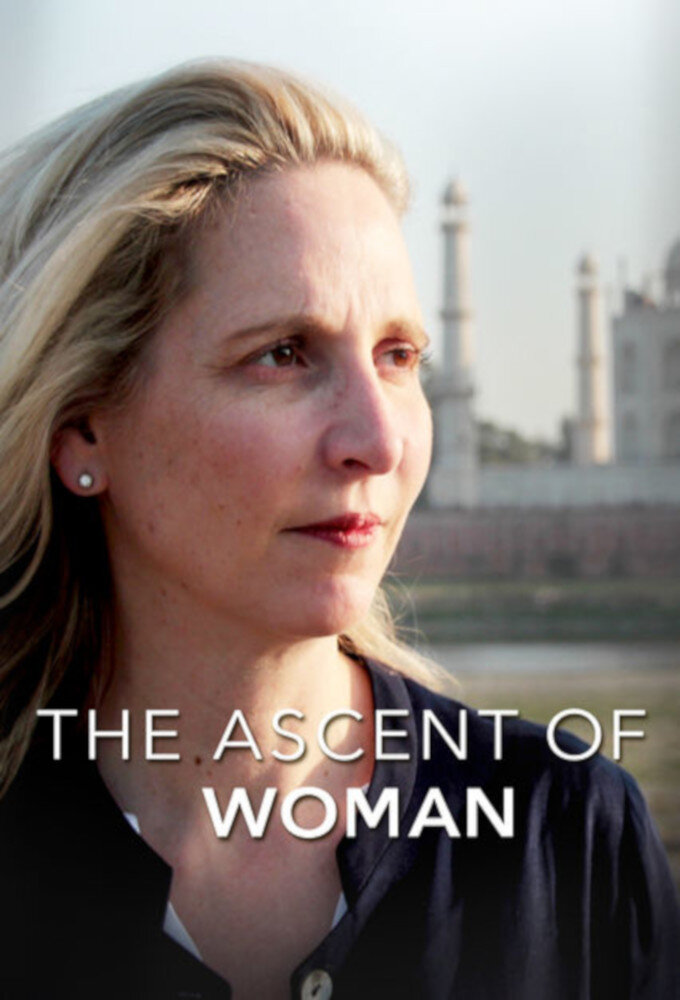
The Ascent of Woman2015
Trials of Life covers reproduction but largely accepts male-female behaviour as given. Ascent interrogates those same behaviours through a lens that reframes entire relationships and hierarchies.
Nature documentary about female animal behaviour—a category almost absent from traditional wildlife television. Shows how females navigate competition, reproduction, and survival without male-centric framing. Revelatory.
But Some episodes are visually less accomplished than BBC's mainstream output. Can feel preachy about gender, though the biology backs it up.
Synecdoche, New York2008
Both examine life's trials as structural inevitabilities: birth, growth, reproduction, death, competition. Attenborough finds them elegant. Kaufman finds them unbearable. Together they're complete.
Charlie Kaufman's film about an artist building a life-scale replica of his life inside a warehouse. It's about behaviour, ritual, reproduction, and the cycles of existence—treated as incomprehensible and tragic rather than instructive.
But Deliberately confusing, sometimes painful to watch, and utterly unresolved. Demands intellectual and emotional investment with no guarantee of payoff. Nothing like a nature documentary in tone or structure.

People
Cast
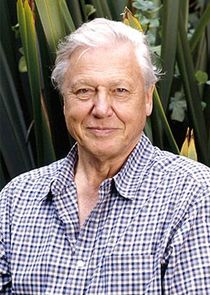 David AttenboroughPresenter
Recommended by
Life on Earth, The Private Life of Plants, The Creature Walks Among Us, The World About Us, Life, The Living Planet