
Television series
Life
Other titles called Life: the 2007 series (NBC), the 2017 film.
David Attenborough narrates BBC nature television at its most ambitious—a 10-part survey of survival strategies across the animal kingdom. Gorgeously shot, occasionally brutal, always precise. It's intimate footage of unfamiliar creatures solving immediate problems: egg-laying, feeding, mating, fleeing. For anyone who wants to understand life as adaptation, not metaphor.
If you liked this
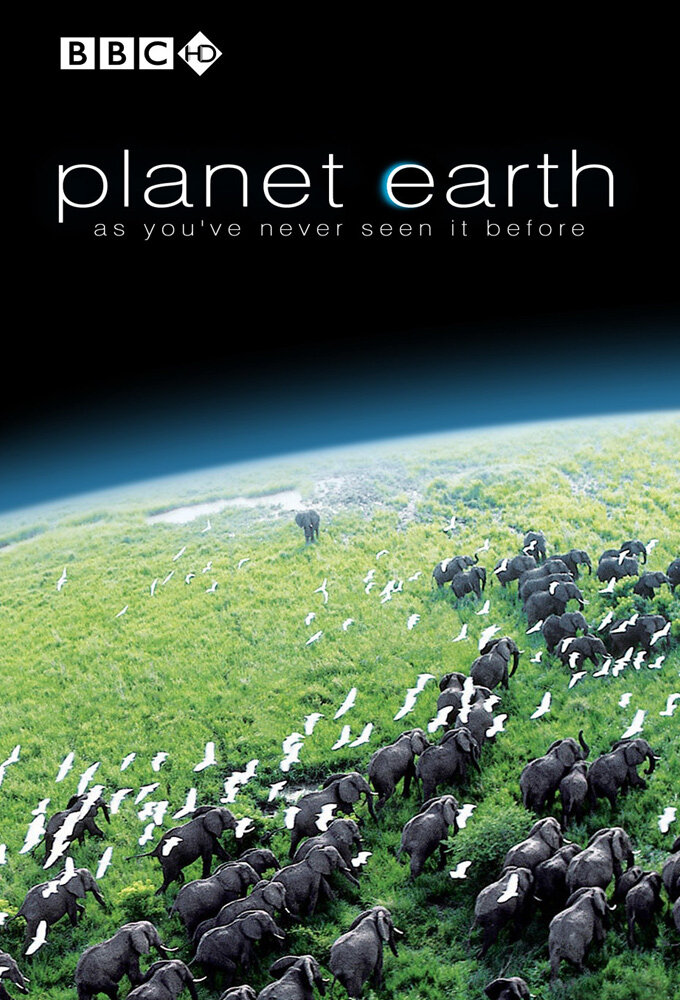
Planet Earth2006
The spiritual predecessor to Life, surveying habitats and their inhabitants with the same visual ambition and Attenborough narration. Landmark nature television that set the standard for intimate wildlife cinematography and scale.
But If you've seen it recently, this may feel like familiar ground. The pacing is slower than modern documentary expects.
The Blue Planet2001
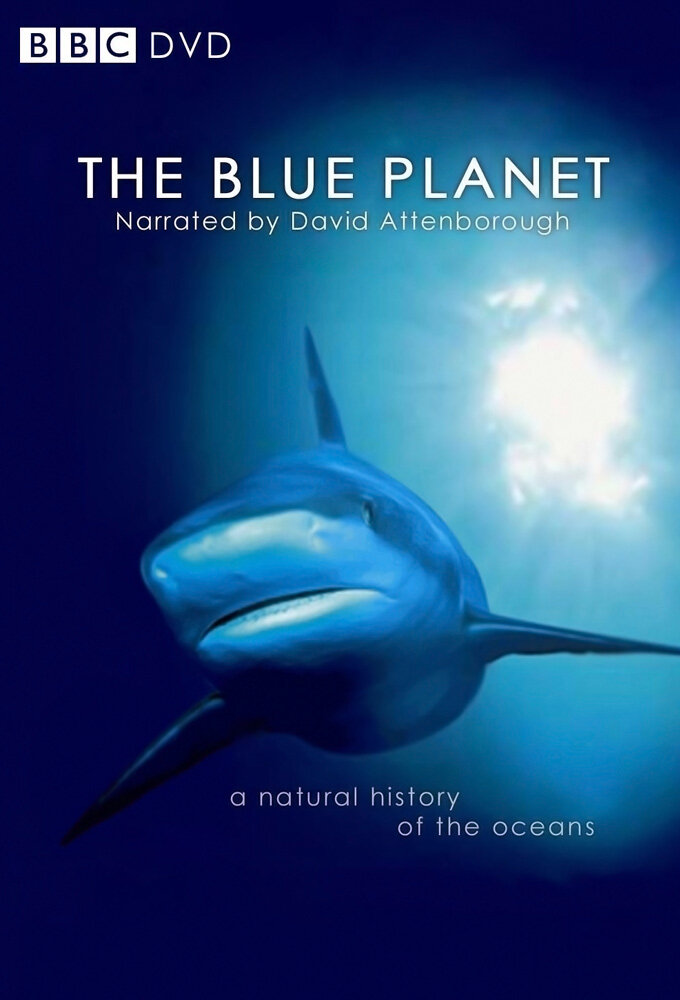
Attenborough explores ocean life with the same methodical wonder—predation, adaptation, survival in the deep. Equally gorgeous and equally obsessed with behaviour over spectacle, with sequences you won't see elsewhere.
But The oceanic setting means less relatable creatures for some viewers. Some sequences feel dated now, even by 2001 standards.
Frozen Planet2011
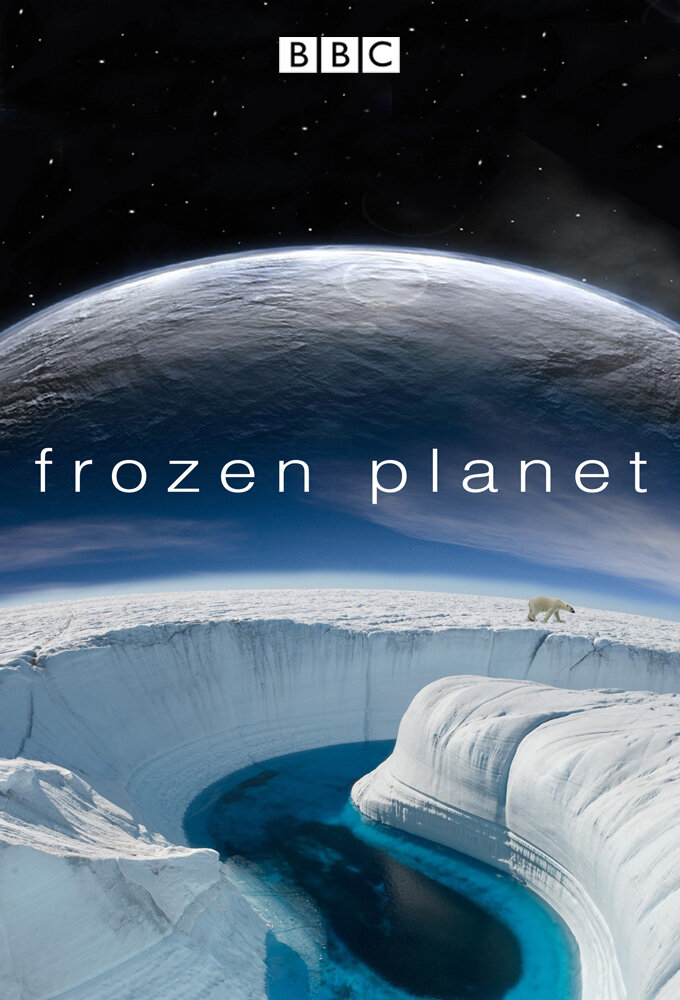
Life's polar counterpart, showing how animals survive in Earth's harshest zones. Same ambition, same Attenborough precision, same sense that you're witnessing something no camera has caught before.
But The slower pace of life at the poles means less visible action than Life's tropical abundance. Climate content may feel urgent rather than purely observational.
Not sure tonight? Get a pick in a minute, starting from Life
The wildcard
Something you would not have found on your own.
Microcosmos1996
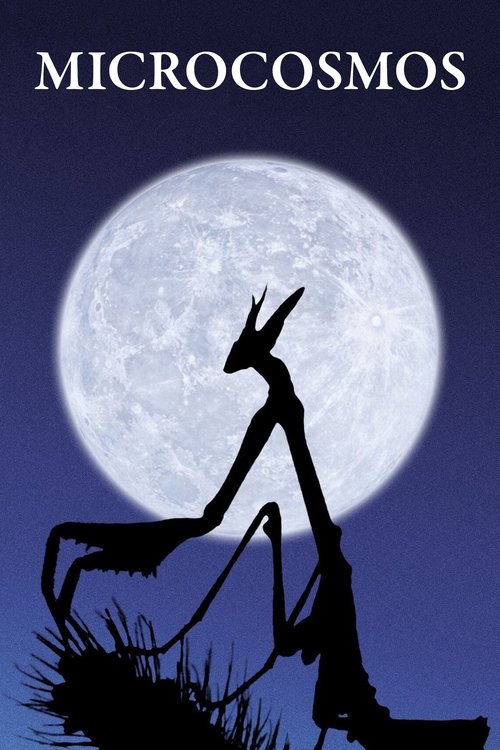
Same philosophy as Life—survival as behavior, predation as fact, no judgment. But the magnification makes the familiar foreign. A different key for the same song.
Claude Debussy and insects. A 90-minute macro-photography film of insects as protagonists, reproduction, predation, death—life at a different scale entirely. No narration, no human context. Just close observation of the impossible.
But No dialogue, no explanation. Some find it tedious; insects aren't relatable to everyone. Watching tiny creatures for 90 minutes requires patience most viewers don't bring to cinema.
More like this (7)
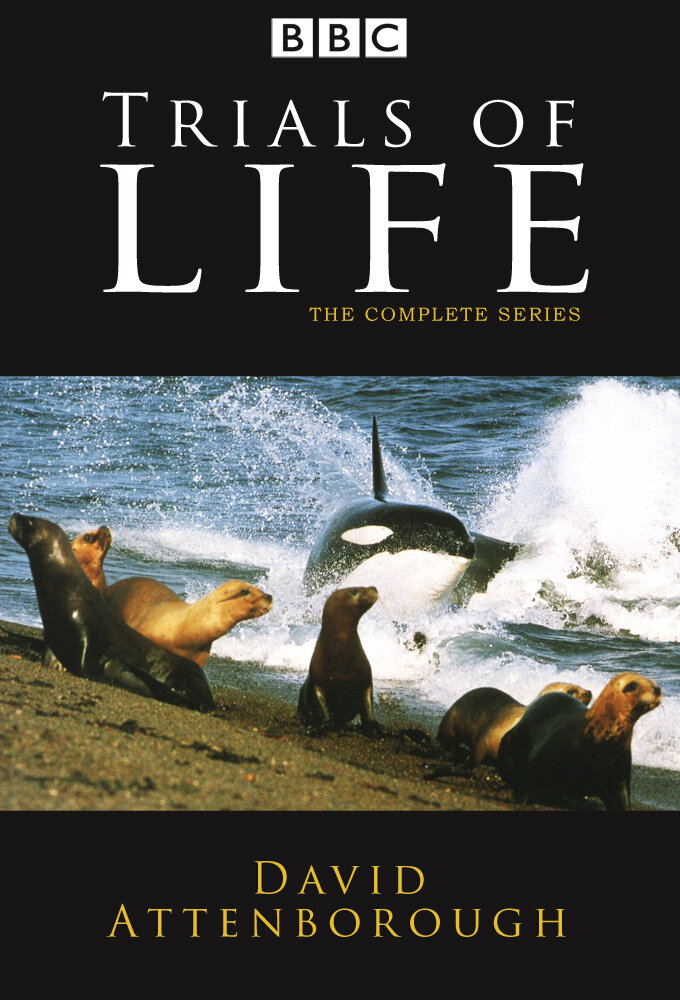
The Trials of Life: A Natural History of Behaviour1990
Attenborough's earlier series, almost identical in structure—survival strategies, behaviour, adaptation—but with 1990 camera technology. It's the DNA of Life, and rewarding for anyone wanting to see the lineage.
But Picture quality is noticeably softer. Some sequences feel patronising by modern standards. The pacing assumes a very patient viewer.
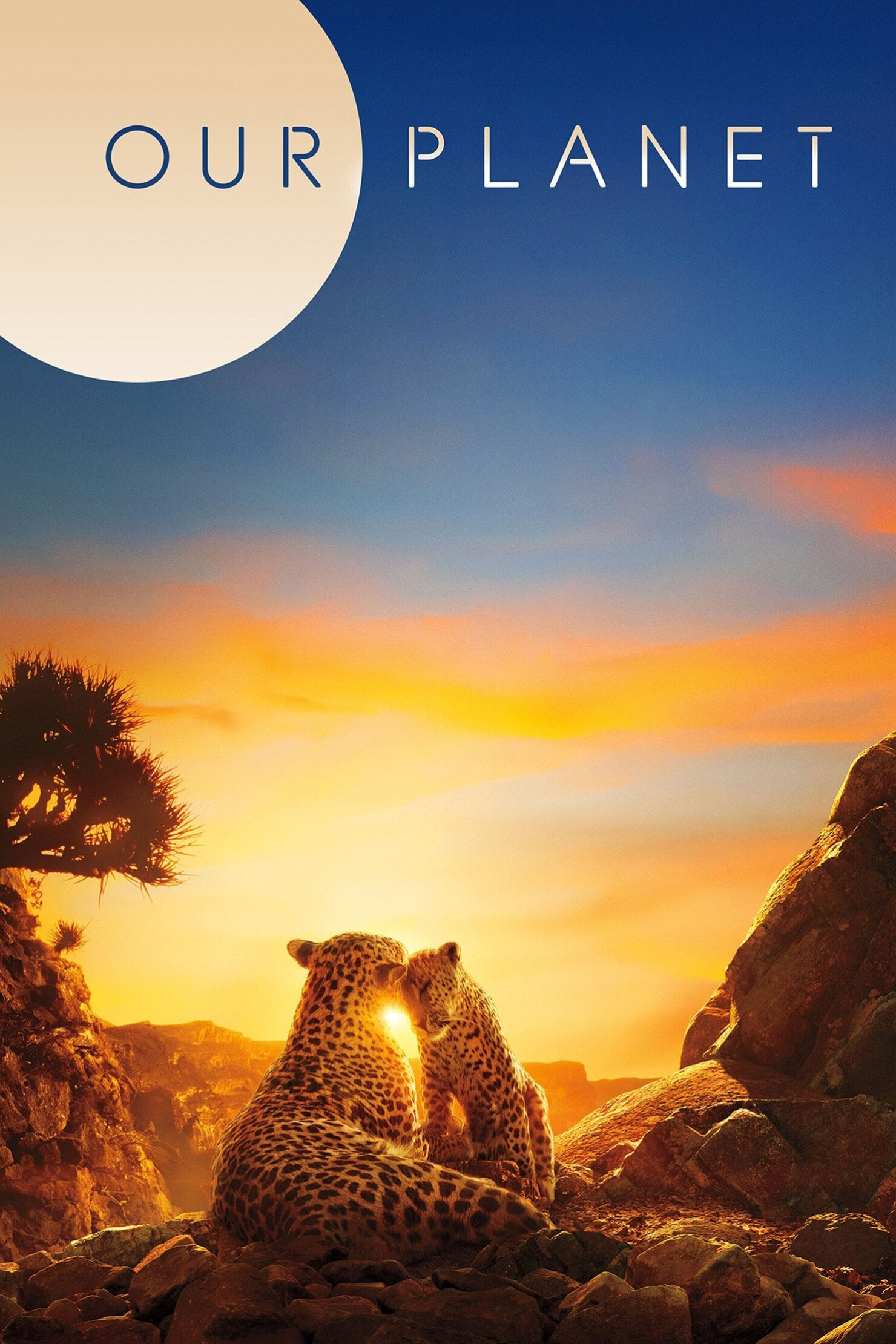
Our Planet2019
David Attenborough again, BBC scale again, but with climate change as the backbone. The same intimate behaviour shots but shaped by a larger argument about environmental collapse.
But The thematic weight can feel heavy-handed. It's advocacy dressed as observation, which changes what kind of film it is.
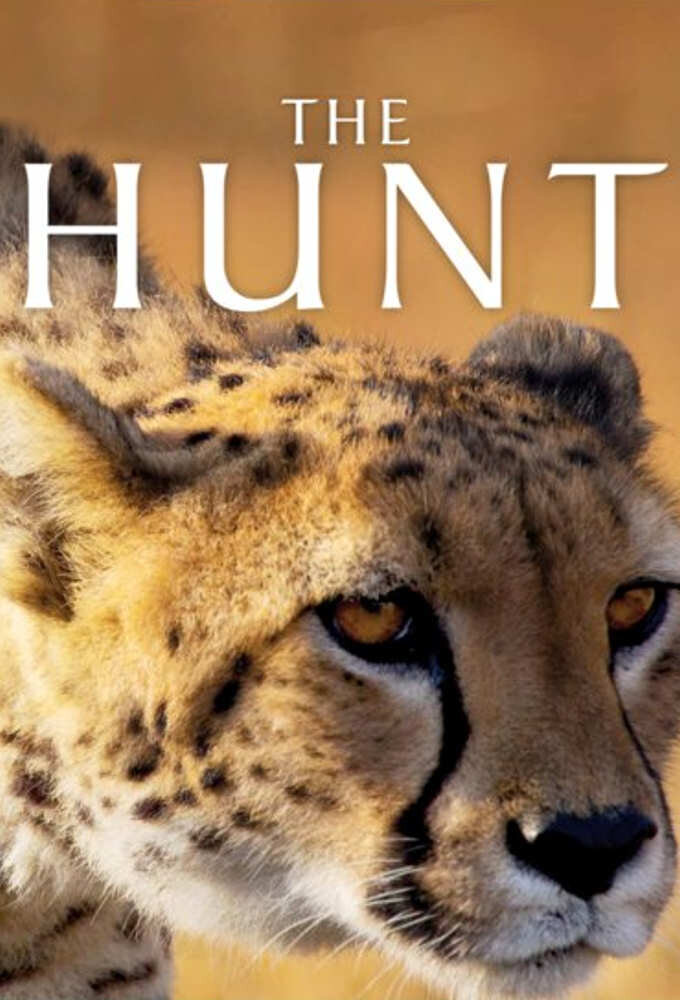
The Hunt2015
This series focuses specifically on predation—the hunt itself. Same production values, same Attenborough, but narrower in scope and more dramatic. Predator-prey relationships played out across the animal kingdom.
But It's repetitive in structure once you've watched two episodes. The focus on killing may alienate younger viewers, or anyone wanting escape rather than tension.
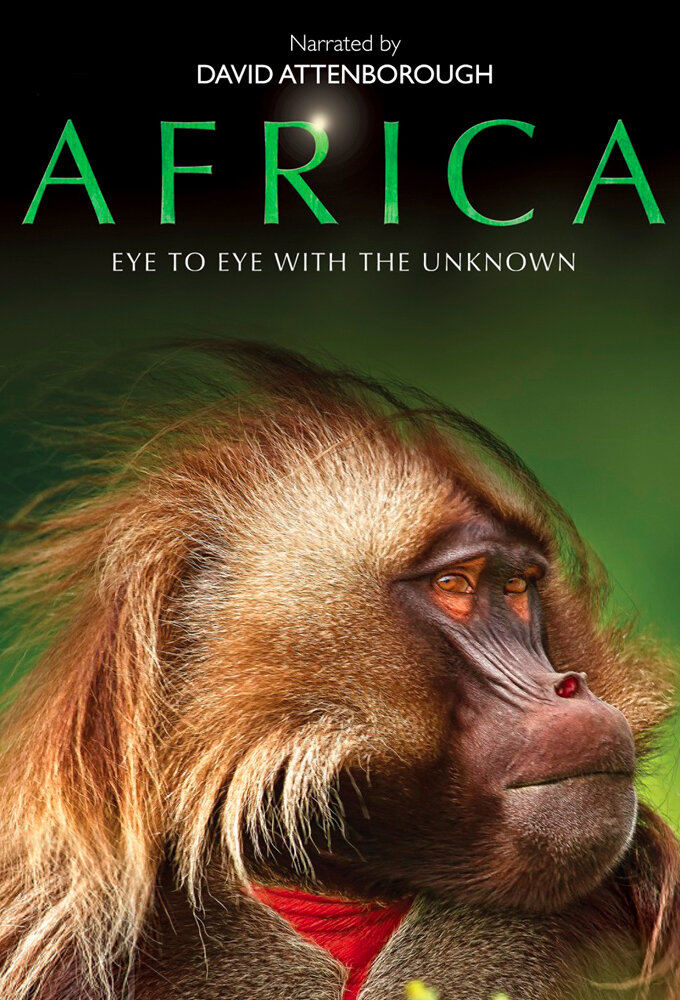
Africa2013
A continent-specific take on Life's template, with particular attention to seasonal rhythms and migration. Lush, episodic, often moving. The specificity lets the storytelling deepen.
But Focuses on charismatic megafauna that you've seen in documentaries before. The narrative arc feels predetermined by the geography rather than truly surprising.
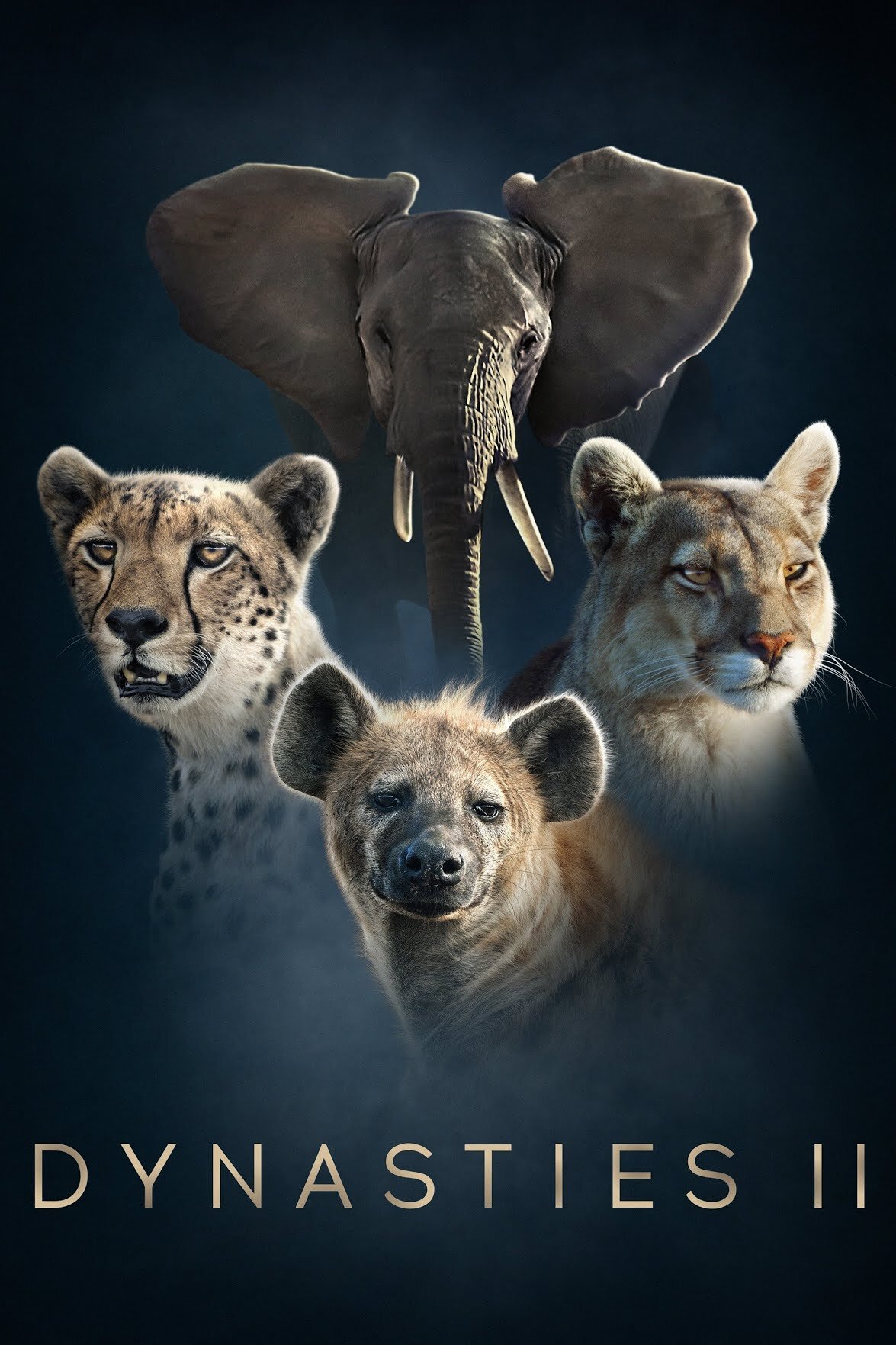
Dynasties2018
A tighter, more serialised approach than Life—each episode follows a family group (lions, chimpanzees, penguins) across years. More narrative than behavioural, but gorgeously shot and emotionally engaged.
But The anthropomorphised storytelling undercuts the observational precision. Some find the constructed narrative manipulative. Requires more commitment per episode.
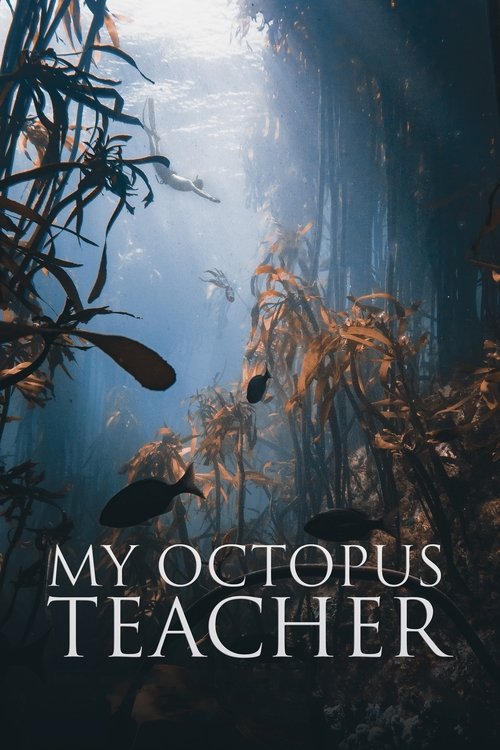
My Octopus Teacher2020
Both insist on looking closely enough that behavior becomes surprising. But this trades breadth for depth, and trades narrated authority for vulnerable witnessing.
A filmmaker documents one year with a wild octopus off South Africa. One creature, intimate observation, behavioral discovery. Transcendent and oddly moving—a single subject where Life would cross-cut a dozen.
But The human narrator's emotional arc can feel self-indulgent. It's less about the octopus than about the filmmaker's reckoning with it. Slower than you'd expect.
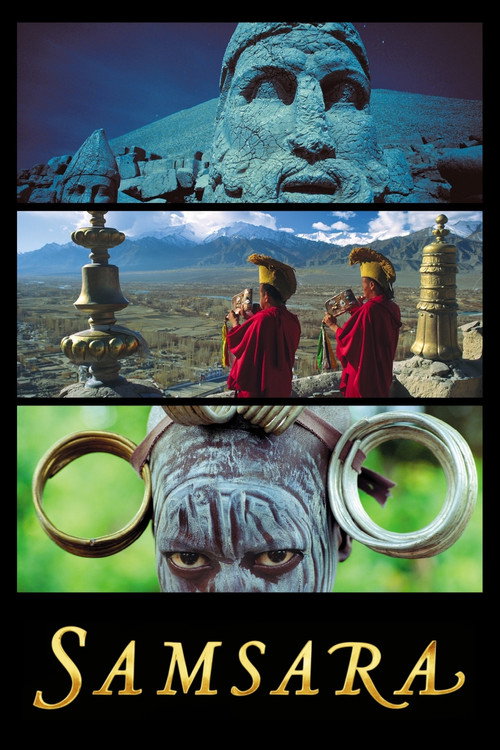
Samsara2011
Both use visual precision to show life as adaptation and transformation. But where Life explains, Samsara suggests. Where Life is generous with information, Samsara asks you to sit with image and feel.
A visual essay on life, death, transformation, birth—no narration, only cinematography and Philip Glass. Macro, micro, animal, human, industrial. It's Life's philosophical cousin, asking what all this survival means.
But No narrative structure whatsoever. The thematic ambition can feel pretentious. If you want story or information, this will frustrate you. It's abstract in form and mood.
People
Cast
 David AttenboroughNarrator
Recommended by
My Life as a Turkey, Countryfile, Wonders of Life, Storm Chasers, Dinosaur Planet, Life Story, South Pacific, The African Lion, Tiny World, Chasing Monsters, The Hidden World, What on Earth?, David Attenborough's Natural History Museum Alive, Prehistoric Park, Sea Monsters: A Prehistoric Adventure, The World About Us, The Last Place on Earth, Mammals, Bodysong, The Incredible Machine, Inside Nature's Giants