
Film
The African Lion
Disney's 1955 True-Life Adventures entry captures African lions in their natural habitat with stunning cinematography for the era. Narrated with gentle authority, it's a nature documentary that treats wildlife as drama—predation, family bonds, territorial conflict—without sentimentality. Perfect for anyone curious about how documentaries used to work, or who wants to see Africa through mid-century eyes.
If you liked this
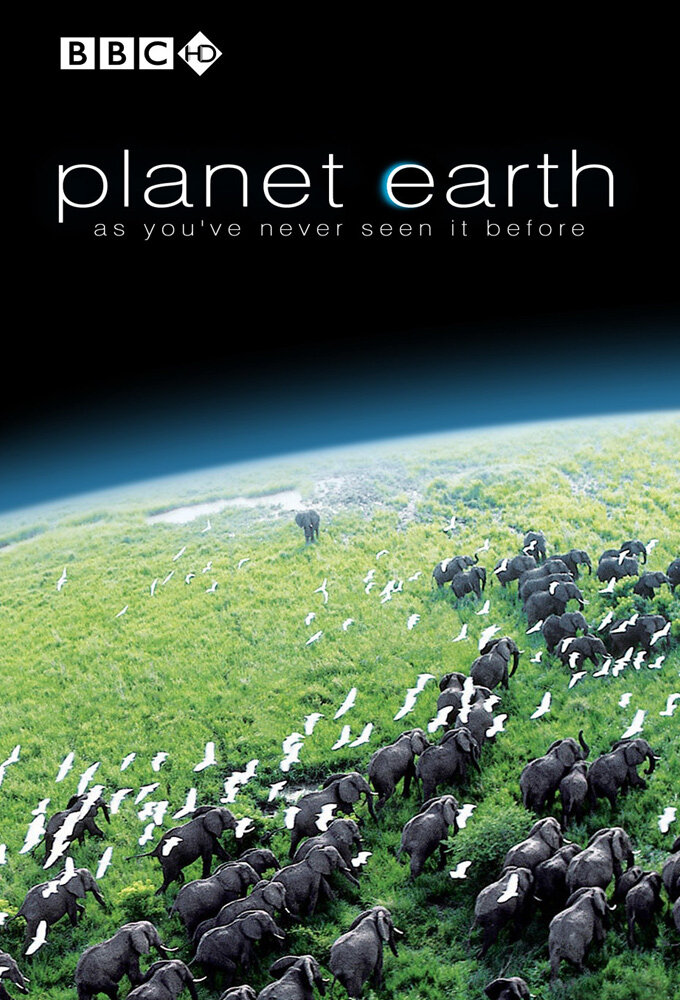
Planet Earth2006
BBC's landmark nature series with David Attenborough uses modern filming technology to reveal behaviors The African Lion could only suggest. The same reverence for wildlife, vastly more intimate access.
But Attenborough's narration, though excellent, sets a different tone—more intimate whisper than authoritative guide. Some find it slower-paced than expected.
The Serengeti Rules2018
Investigates how African ecosystems actually work through the lens of predator-prey dynamics. Uses real science to explain what True-Life Adventures could only beautifully observe without understanding.
But Denser and more academic than The African Lion. Less purely visual spectacle, more ecological theory.
The Elephant Man1980
Disneynature's intimate study of an elephant herd's migration. Uses the same patient observation style, but with decades of documentary craft refined. Gorgeous and genuinely moving.
But Focuses on one species rather than an ecosystem. More sentimental emotional score than The African Lion's restraint.
Not sure tonight? Get a pick in a minute, starting from The African Lion
The wildcard
Something you would not have found on your own.
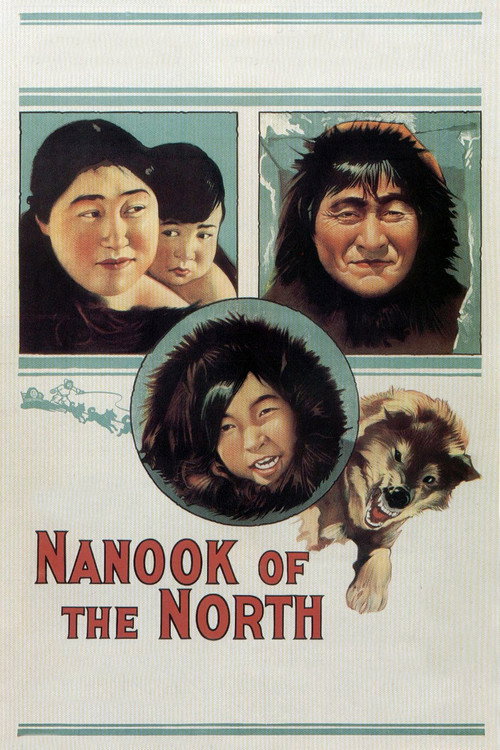
Nanook of the North1922
Both are founding texts of observational cinema—The African Lion learned everything from Nanook's template of following a community through natural cycles, then exported that method to wildlife.
The documentary that invented the form. Documents Inuit life with the same patient observation The African Lion uses, but three decades earlier and infinitely stranger in what it captures and how it frames survival.
But Deliberately staged in ways that trouble modern ethics. Extremely slow. Black and white, silent, demands full attention.
More like this (5)
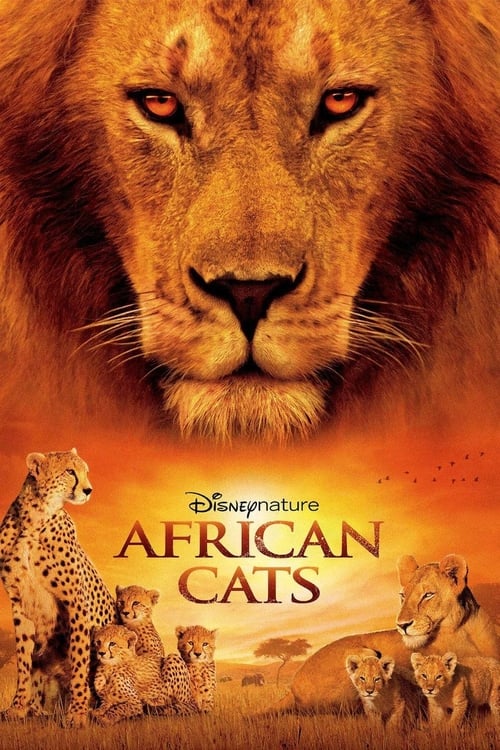
African Cats2011
Another Disneynature film, this one balancing lions and cheetahs. Maintains the True-Life Adventures' narrative-driven approach while using contemporary filmmaking.
But Feels like a direct product of its era in ways that date it. More polished than The African Lion, but less distinctive.
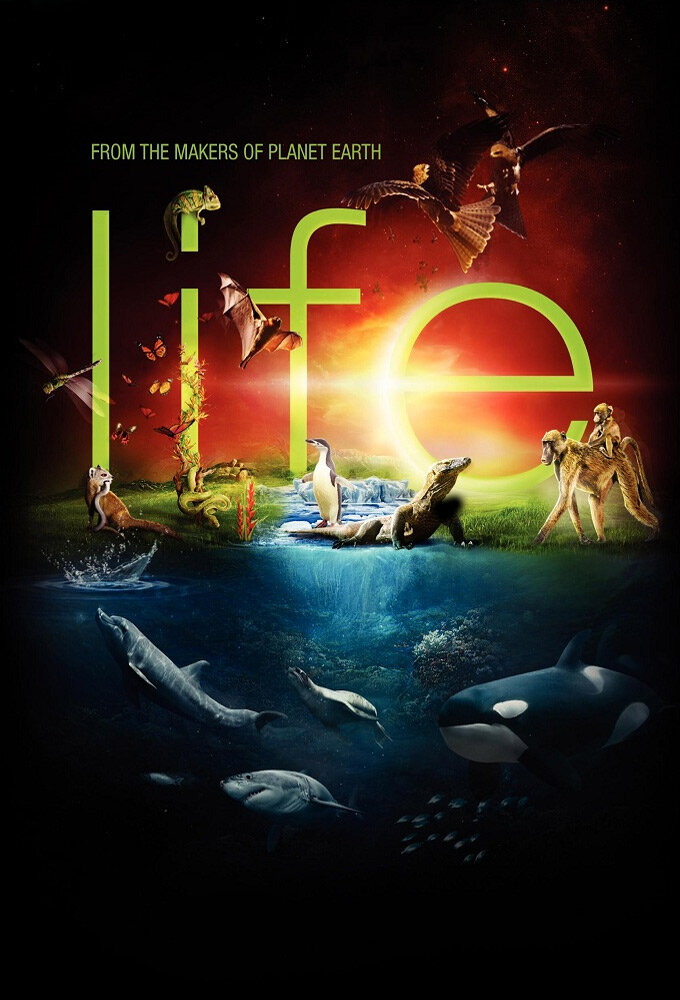
Life2009
BBC's monumental series examining survival strategies across the animal kingdom. Each episode is a masterclass in how to film wildlife cinematically, building on everything The African Lion established.
But Enormous undertaking—easy to get lost in the sheer volume. Requires real commitment.
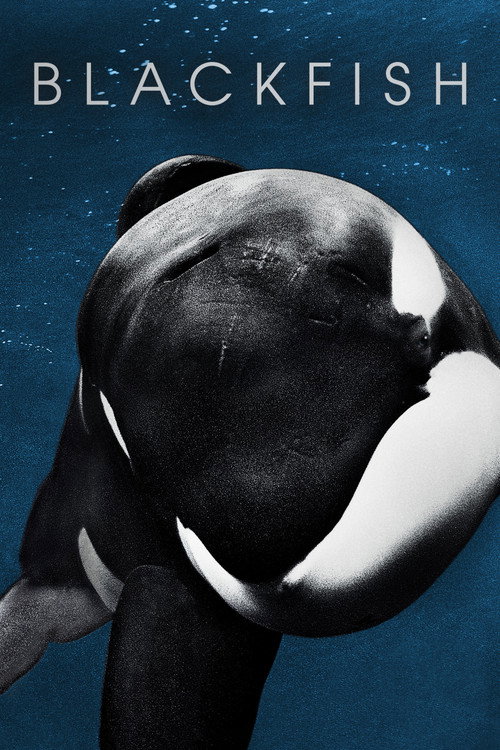
Blackfish2013
Investigative documentary that uses animal footage and testimony to examine captive wildlife. Challenges the assumptions embedded in older nature films about humanity's relationship to animals.
But Polemical and angry, very different in register. Not a celebration but an indictment.
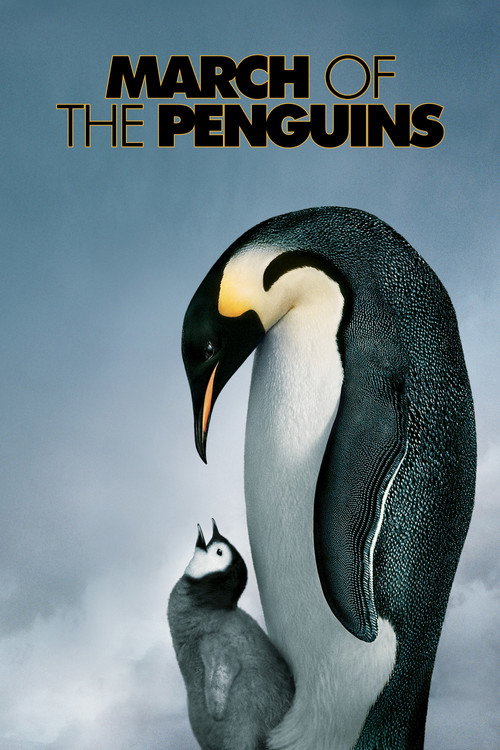
March of the Penguins2005
Simple, beautiful, focuses on a single species through one breeding season. Returns to the True-Life Adventures formula of letting animal behavior tell the story, without narration getting in the way.
But Extremely narrow in scope—just penguins in one season. Some find the focus claustrophobic compared to wider ecosystem views.
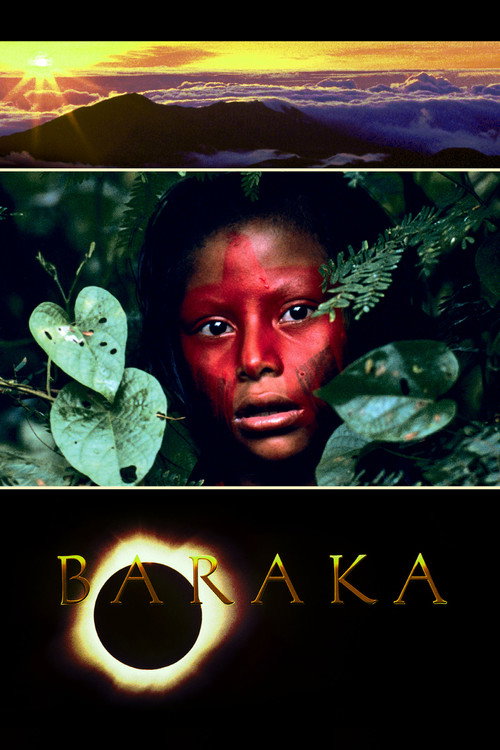
Baraka1992
Both trust the image completely and distrust explanation. The African Lion's narrator is restrained; Baraka has no narrator at all. Both argue that seeing is enough.
Wordless documentary shot on 70mm across dozens of countries and landscapes. Shows human and animal life in Africa and beyond with the pure visual poetry The African Lion could only approximate. A spiritual experience.
But No narration, no plot, no guide. Entirely abstract and meditative. Some find it beautiful, others find it frustratingly vague and self-indulgent.
People
Cast
 Winston HiblerNarrator
Directing
- James AlgarDirector