
Film
Nanook of the North
Robert Flaherty's silent record of an Inuit family's daily survival in the Canadian Arctic remains one of cinema's founding documents — and one of its most contested. Staged in places, undeniably beautiful throughout, it invented the vocabulary of the nature documentary while quietly editing out the modern tools its subjects actually used. Watch it as history, not truth, and it's still mesmerising: ice, hunger, ingenuity, silence.
If you liked this
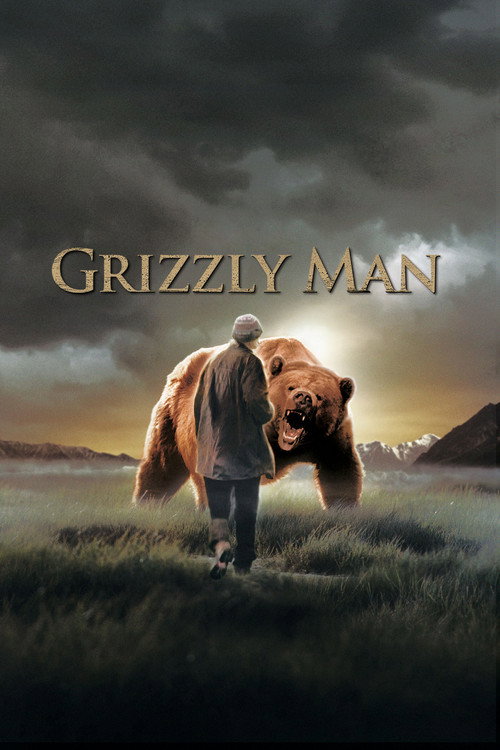
Grizzly Man2005
Herzog turns his camera on a man who filmed his own doomed obsession with wild bears, and finds the same tension Flaherty did — beauty, ego, and the impossibility of ever really documenting nature without shaping it.
But Herzog's narration is intrusive and opinionated; if you want a fly-on-the-wall doc, this constant editorializing voice will grate.
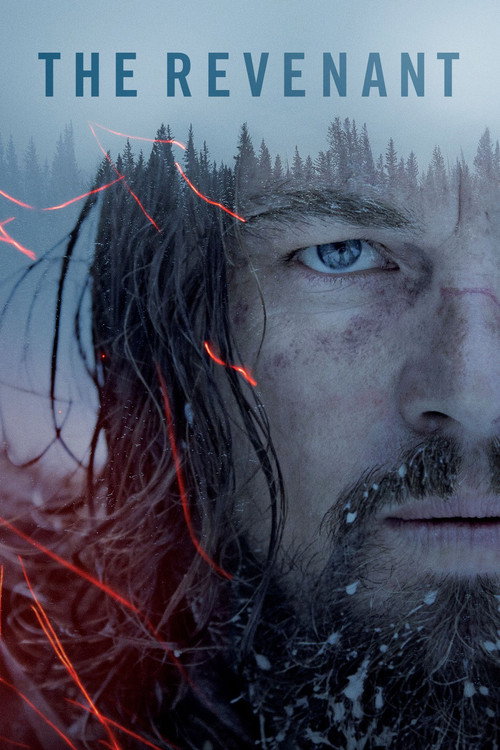
The Revenant2015
Same frozen wilderness, same theme of a man stripped to raw survival instinct, but shot with a punishing, immersive camera that makes you feel every degree of cold Nanook only implies.
But It's brutal, bleak, and over two hours long — more endurance test than entertainment, with little of the warmth found in Flaherty's family portrait.
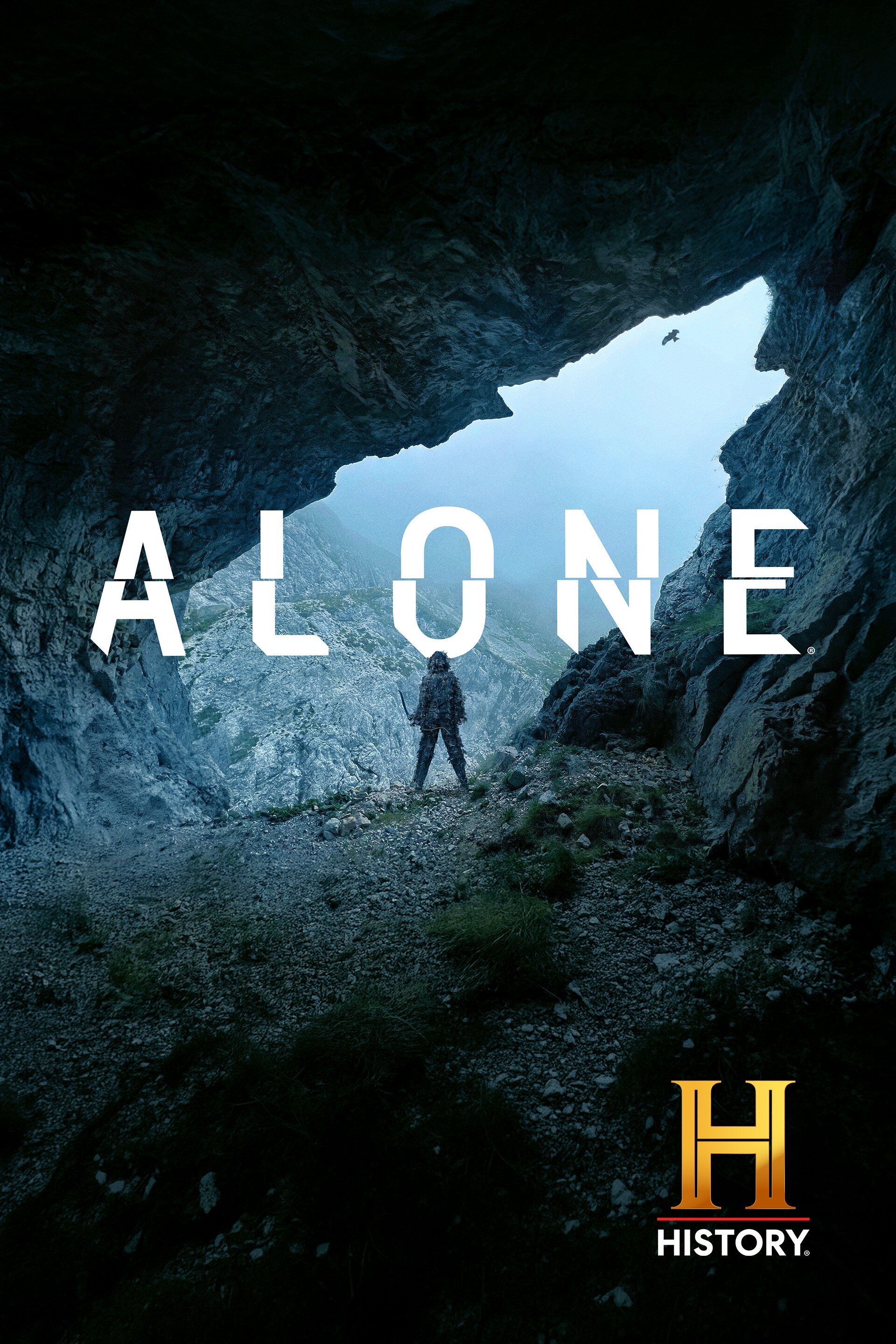
Alone2015
Modern-day survivalists dropped into remote wilderness with almost nothing, filming themselves — it's Nanook's project turned inside out, unstaged and unglamorous, with real hunger and real failure.
But Ten seasons deep, the format repeats itself; if you've seen one season the beats of rationing and shelter-building start to blur.
The wildcard
Something you would not have found on your own.
Atanarjuat: The Fast Runner2002no page yet
It's the corrective Nanook never got to give itself — the same landscape and people, this time telling their own story rather than performing one for an outside camera.
An Inuit-made epic, shot in Inuktitut with an entirely Inuit cast, telling a legend of jealousy and survival on the same ice Flaherty filmed — but from inside the culture he filmed as an outsider.
But At over two and a half hours, with a story rooted in oral tradition and unfamiliar pacing, it asks more patience than most viewers expect.
More like this (7)
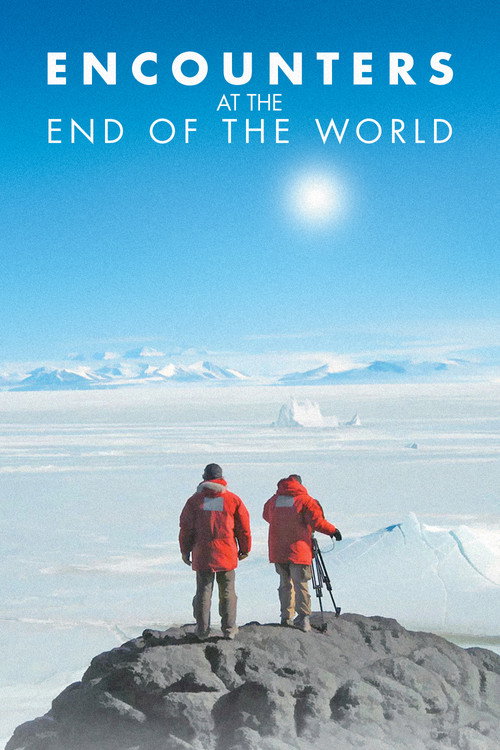
Encounters at the End of the World2007
Herzog again, this time in Antarctica, chasing the same question Flaherty asked eighty years earlier — what draws people to live at the edge of the world, and what does the camera owe them?
But It wanders into philosophical tangents about aliens and doomsday that some viewers will find indulgent rather than illuminating.
Happy People: A Year in the Taiga2010no page yet
Herzog and Dmitry Vasyukov follow Siberian trappers living almost exactly as Nanook's family did — building shelter, hunting, surviving a brutal winter — but this time the camera doesn't stage a thing.
But It's slow and observational by design; nothing is dramatised for you, so patience is required.
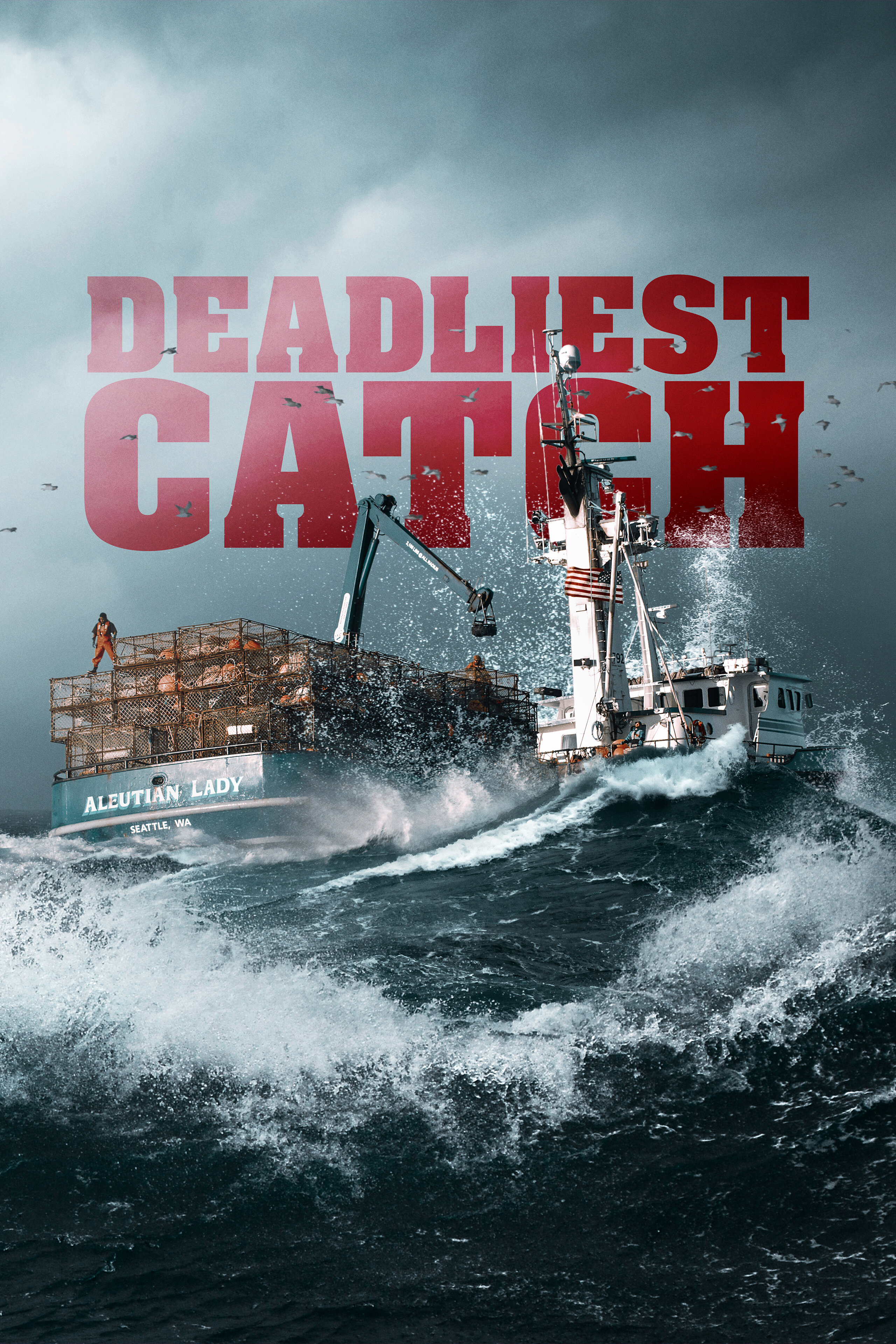
Deadliest Catch2005
Trade the igloo for a crab boat and you've got the same elemental fight — humans against freezing water and a landscape that doesn't care if you live — just with more swearing.
But It's reality TV through and through, with all the manufactured drama and network editing that implies; don't expect anthropological rigor.
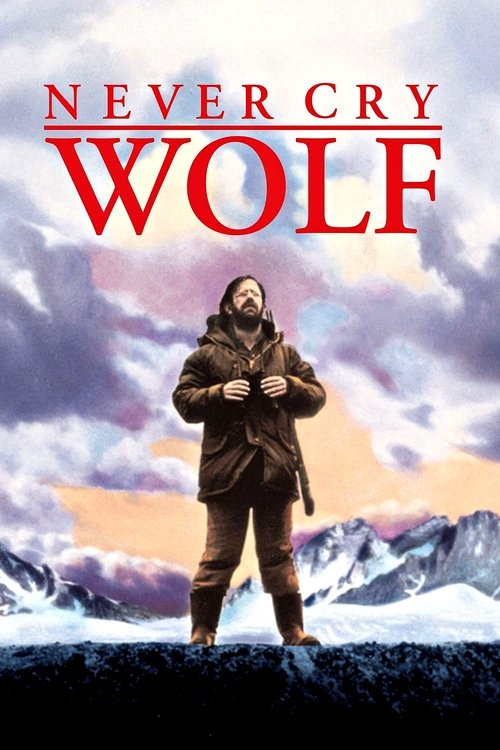
Never Cry Wolf1983
A biologist sent to study wolves in the Arctic ends up living something close to Nanook's world — isolation, cold, and a slow dismantling of what he thought he knew about survival.
But It's gentle and meditative rather than tense; if you want drama or conflict, this quiet film won't deliver much.
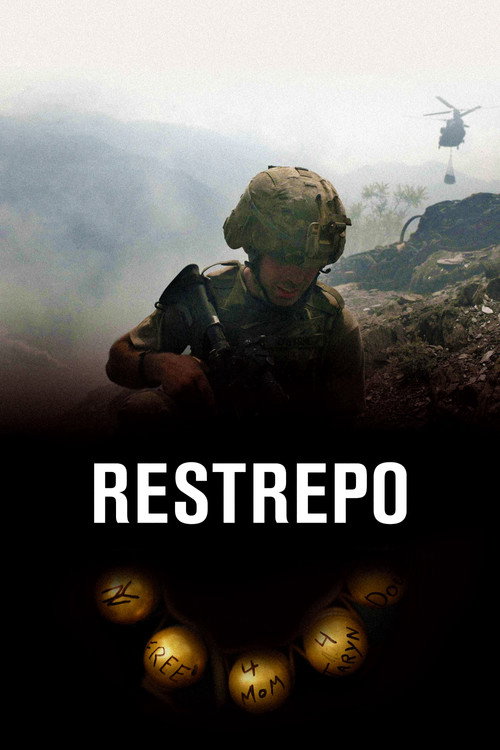
Restrepo2010
A different kind of harsh terrain — an Afghan outpost instead of the Arctic — but the same commitment to living alongside your subjects long enough that the camera stops mattering.
But It's a war documentary with real danger and death on screen; not a comfortable watch, and unrelated in subject beyond method.
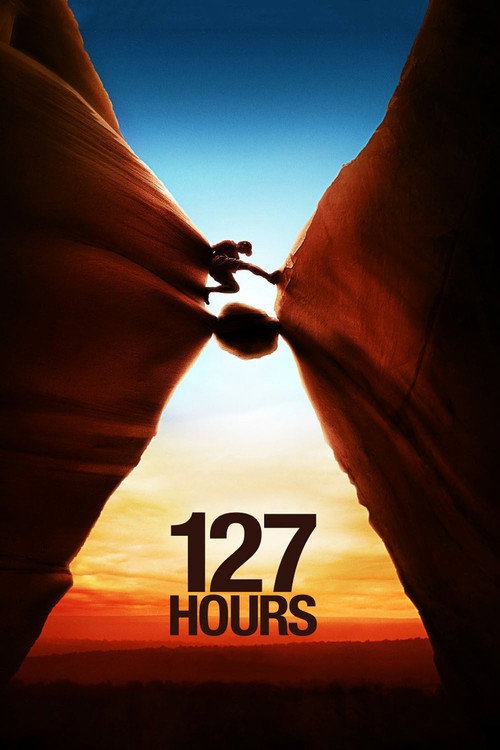
127 Hours2010
One man, one unforgiving landscape, no one coming to help — a stripped-back survival story that shares Nanook's fascination with what the body can endure when it has no choice.
But It's claustrophobic and intense, built around one grim, famous act of self-rescue that some viewers won't be able to stomach.
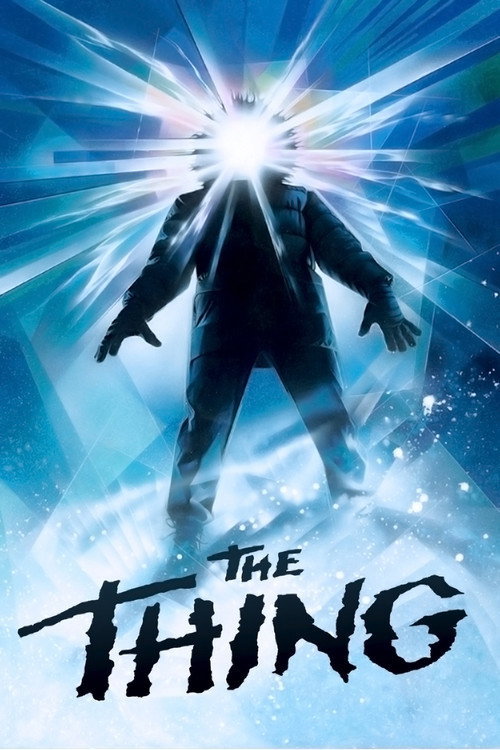
The Thing1982
Same frozen isolation, same question of what the cold does to people trapped inside it — but turned from documentary reverence into pure genre terror.
Take the same isolated Arctic outpost, the same total dependence on the ice around you, and add a shape-shifting monster — suddenly the awe Flaherty filmed curdles into paranoia and dread.
But It's graphic body horror with real gore; if you came for quiet observational survival, this will feel like a different planet.
People
Cast
- AllakariallakNanook
- Alice NevalingaNanook's Wife - the Smiling One
- CunayouCunayou - Nanook's Daughter
- AllegooAllegoo - Nanook's Son
- AlleeAllee - Nanook's Son
Directing
- Robert FlahertyDirector
Writing
- Frances H. FlahertyIdea
- Robert FlahertyWriter
Production
- John RévillonExecutive Producer
- Thierry MallettExecutive Producer
- Robert FlahertyProducer
Recommended by
Dersu Uzala, Grizzly Man, Gates of Heaven, The Gold Rush, March of the Penguins, Never Cry Wolf, Fitzcarraldo, Documentary Now!, Babies, Man with a Movie Camera, White Fang, Frozen Planet, Alone, Sweetgrass, Walkabout, Heart of the Beast, Into Great Silence, Kon-Tiki, Togo, Reel Injun, One Million Years B.C., Man of Aran, Survivorman, The Naked Prey, The Plow That Broke the Plains