
Film
Moana
Other titles called Moana: the 2016 film, the 2026 film.
- Light-hearted
- Slow-burning
Robert Flaherty's 1926 documentary captures daily life in a Samoan village with extraordinary visual grace. It's ethnographic cinema as poetry—rituals, fishing, coming-of-age ceremonies rendered in luminous black and white. The film celebrates physical beauty and communal belonging with an admiring but occasionally romanticized eye. Essential early cinema.
Should you watch it?
Watch it if you are drawn to slow, silent films that treat ordinary daily rituals like art, and you don't mind letting a camera simply watch people at work and play.
Skip it if you need a plot, or a clear storyline; its idealised, posed view of island life can feel repetitive and sits uneasily with modern eyes.
What it asks of you: Nearly an hour and forty minutes of unhurried images, with intertitles to read and a willingness to let scenes linger rather than build toward anything.
Not sure? Find tonight's pick in a minute.
If you liked this
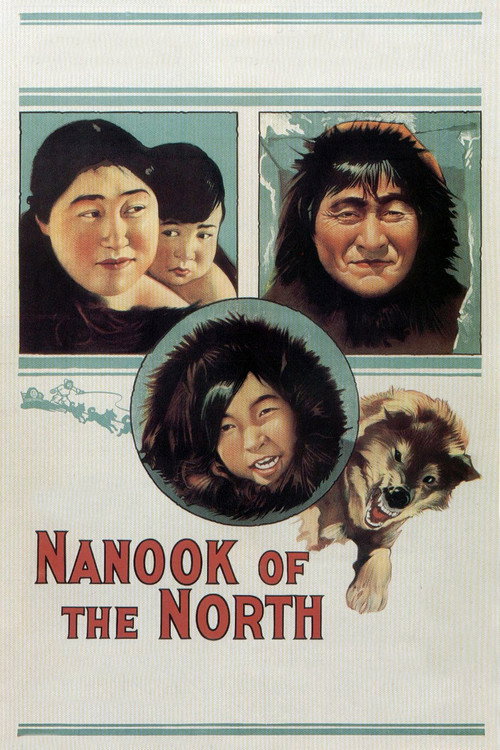
Nanook of the North1922
Flaherty's earlier masterpiece about Inuit life, shot with the same poetic attention to survival, skill, and human dignity. If Moana moved you, this is where the method began—pioneering, intimate, visually stunning.
But The construction is deliberate and staged; it's cinema, not pure documentation. Some sequences feel shaped for drama rather than truth, which creates ethical questions about representation.
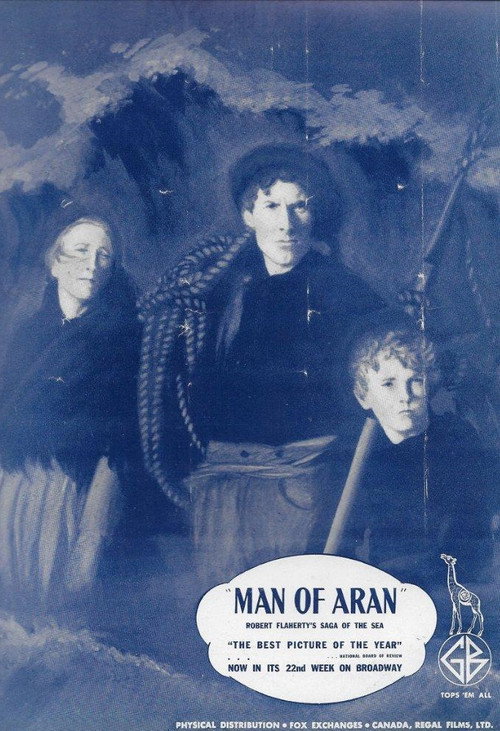
Man of Aran1934
Flaherty again, this time on the Irish coast. Same visual mastery, same deep focus on human labour and community bonds. A companion piece that shows his range and his obsessions across continents.
But Slow, with minimal narrative. If you watch Moana for story, this will feel even more austere and patience-demanding.
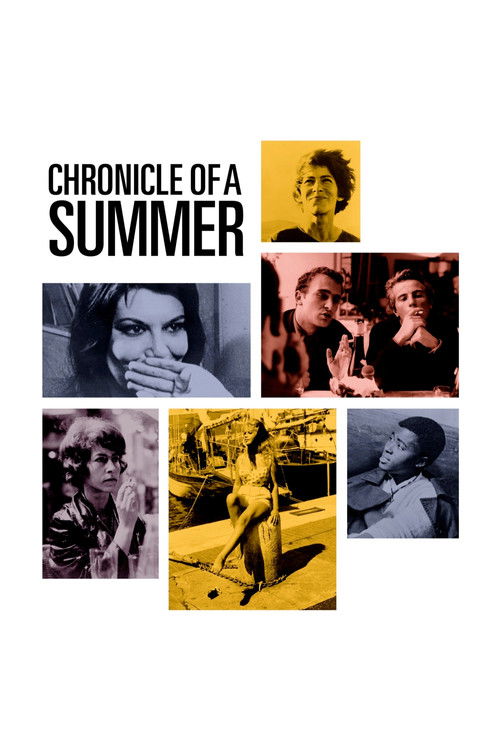
Chronicle of a Summer1961
A watershed documentary that questions what cinema can truthfully capture. Shot in Paris with hand-held cameras and direct address, it's a conversation with the tradition Flaherty helped create—respectful but curious and critical.
But Deliberately self-aware and formally experimental. It won't give you the immersive beauty of Moana; it interrupts and reflects instead.
Not sure tonight? Get a pick in a minute, starting from Moana
The wildcard
Something you would not have found on your own.
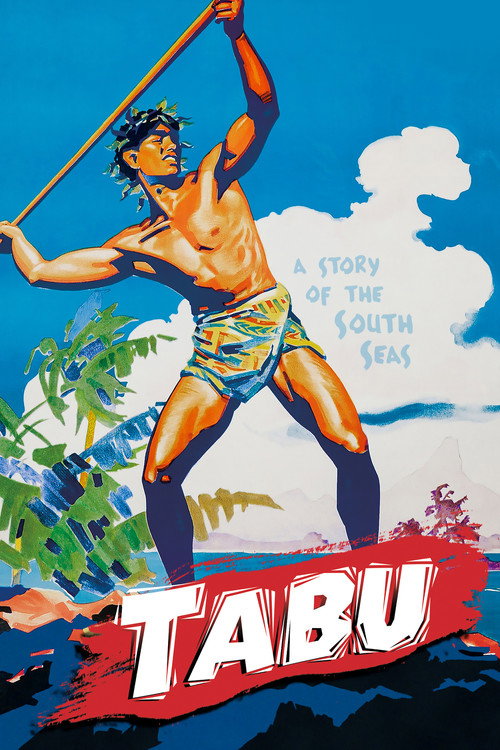
Tabu: A Story of the South Seas1931
Flaherty's own exploration of how to film the Pacific and indigenous life through a narrative lens, made immediately after Moana with many of the same obsessions but turned toward melodrama.
Flaherty himself directed this narrative feature set in Tahiti, casting non-actors and shooting on location with the documentary's eye for landscape and light. It's what happens when his ethnographic vision meets fiction—raw, sensual, and morally complex about colonial desire.
But The story is uncomfortable: a forbidden love plot shaped by colonial power dynamics, with romance that reads now as extraction. The film doesn't hide this; it's inescapable, which some find painful to watch.
More like this (6)
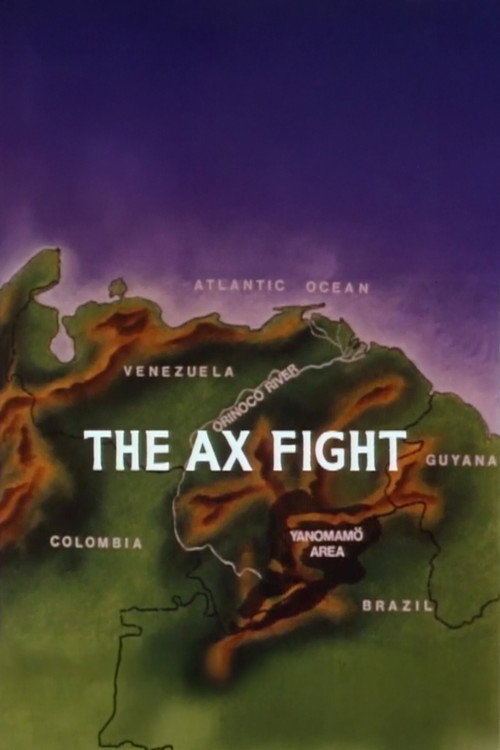
The Ax Fight1975
Twenty-two minutes of a village dispute among the Yanomamö, presented three ways—raw footage, with narration, with analysis. A brilliant deconstruction of what documentary shows and hides, building directly on Flaherty's legacy.
But It's essentially a filmed argument without resolution. The experimental format frustrates rather than satisfies some viewers.
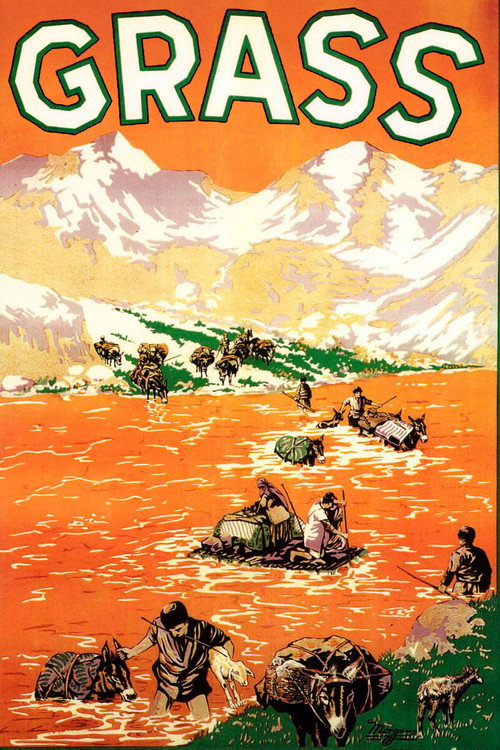
Grass: A Nation's Battle for Life1925
A lost film rediscovered—Merian C. Cooper's epic of the Bakhtiari people migrating across Persia with their herds. Epic in scale and visual ambition, made in the same era as Moana with comparable poetic force.
But The surviving prints are damaged and fragmentary. You're watching reconstruction, not pristine vision, which can distance you from the experience.
Sunrise: A Song of Two Humans1927
F.W. Murnau's contemporary masterpiece, a narrative film with Flaherty's visual poetry—shadow, light, composition used to show feeling and beauty. Proof that the techniques of Moana belonged to cinema itself, not just documentary.
But It's a melodrama about infidelity and attempted murder. The emotional register is worlds away from Moana's celebration of community.

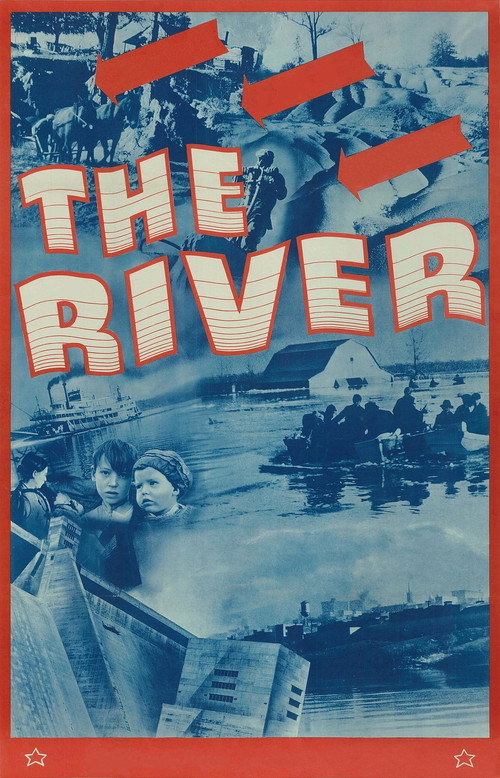
The River1938
Pare Lorentz's documentary about the Mississippi and the communities it sustains, with the observational grace and social consciousness Flaherty pioneered. American landscape treated with the same reverence Flaherty gave Samoa.
But Overtly political, with narration and music that shape the message. It's less pure observation, more argument about land and progress.
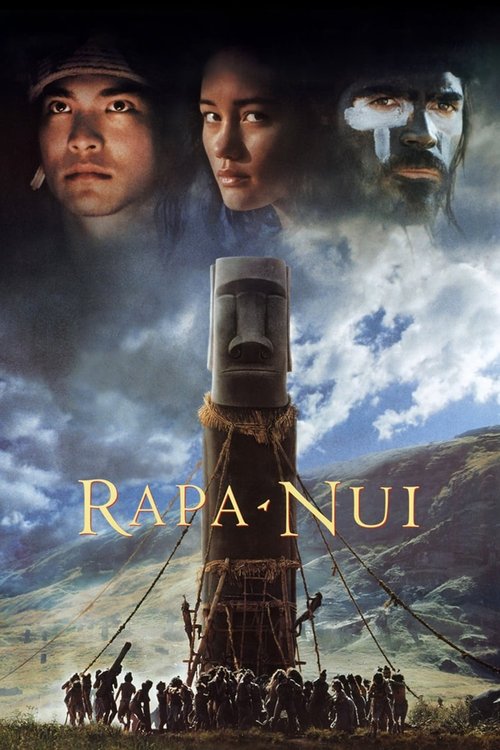
Rapa Nui1994
Both celebrate Pacific island cultures with visual splendour, but Rapa Nui asks darker questions about civilisation and collapse—it's Moana looking forward to what comes after the beauty.
Kevin Reynolds' epic about Easter Island's culture and collapse, shot on location with immense visual ambition and genuine investment in Polynesian cosmology and society. It has Moana's reverence for island cultures but scaled to historical tragedy and spiritual stakes.
But A big, expensive Hollywood film that some purists dismiss as appropriation. The casting, dialogue, and dramatic choices can feel like white Western myth-making rather than authentic telling.
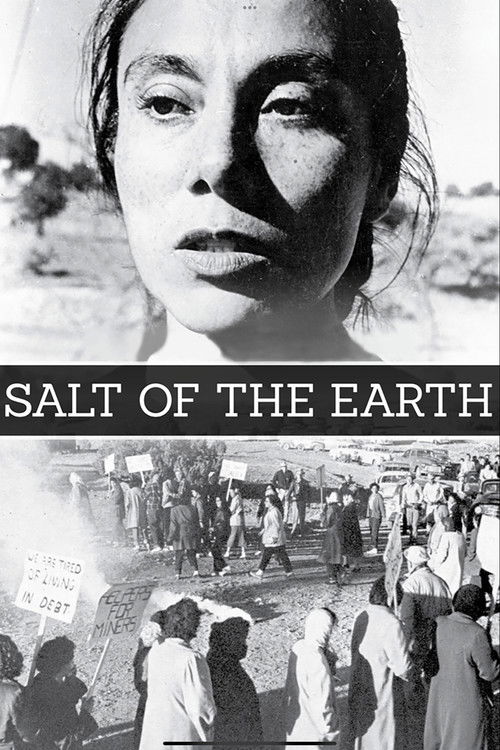
Salt of the Earth1954
Both use visual poetry to celebrate human dignity and communal bonds, but where Moana finds these in traditional ritual, Salt shows them emerging through collective resistance—the same eye applied to different stakes.
Herbert Biberman's stunning black-and-white film about a New Mexico mining strike, shot with the same compositional grace as Moana but focused on labour, dignity, and resistance. Proves documentary beauty serves revolutionary purpose—community and ritual in struggle rather than idyll.
But Explicitly political, made to inspire unionisation. If you want observation without argument, the propagandistic intent will feel heavy-handed and didactic.
People
Cast
- Ta'avaleMoana
- Fa'amgaseMoana's Fiancé
- TamaMoana's Father
- T'ugaitaMoana's Mother
- Pe'aMoana's Younger Brother
- LeupengaMoana's Older Brother
Directing
- Frances H. FlahertyDirector
- Robert FlahertyDirector
Writing
- Frances H. FlahertyScreenplay
- Robert FlahertyScreenplay
- Julian JohnsonWriter
Production
- Adolph ZukorExecutive Producer
- Jesse L. LaskyExecutive Producer
- Frances H. FlahertyProducer
- Robert FlahertyProducer