
Film
Man of Aran
- Survival adventure
- Slow-burning
Robert Flaherty's romantic docudrama restages the daily battles of Aran Islanders against wind, rock and sea — a widow's fishing, a father's shark hunt — using real islanders playing dramatised versions of themselves for the camera. It's less ethnography than myth-making: austere, silent-cinema visuals married to sparse sound, built for viewers drawn to man-versus-nature stories, early documentary history, and the murky ethics of staged 'authenticity.'
Should you watch it?
Watch it if you are drawn to films that observe work and weather with patience, where a documentary's quiet watchfulness slowly becomes a kind of myth about a hard, stubborn way of life.
Skip it if you want a plot with clear turns and talk; dialogue is sparse, and the staged reconstructions can feel more posed than lived-in.
What it asks of you: It runs about seventy-six minutes and moves at the pace of tides and labour, so you give it long unhurried stretches of looking rather than following a story.
Not sure? Find tonight's pick in a minute.
If you liked this
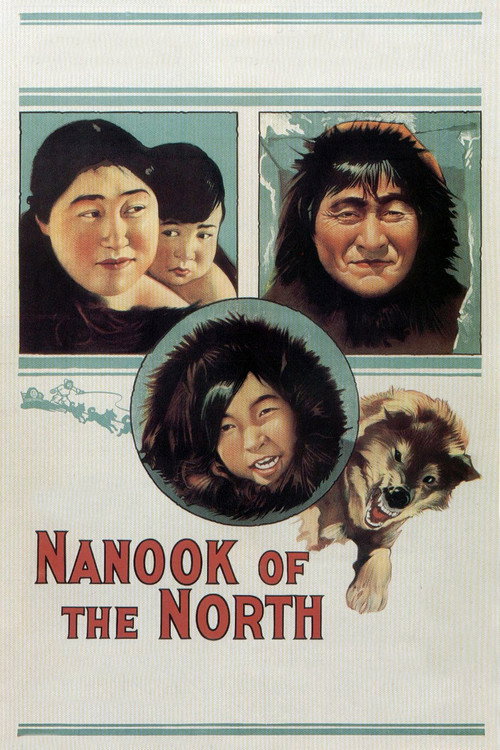
Nanook of the North1922
Flaherty's first foray into staged 'documentary,' this time following an Inuit family's survival — same director, same hunger to romanticise hardship into myth, and the film that basically invented the genre Man of Aran perfected.
But The staging is even more blatant, and its portrayal of its subjects has aged into uncomfortable colonial condescension.
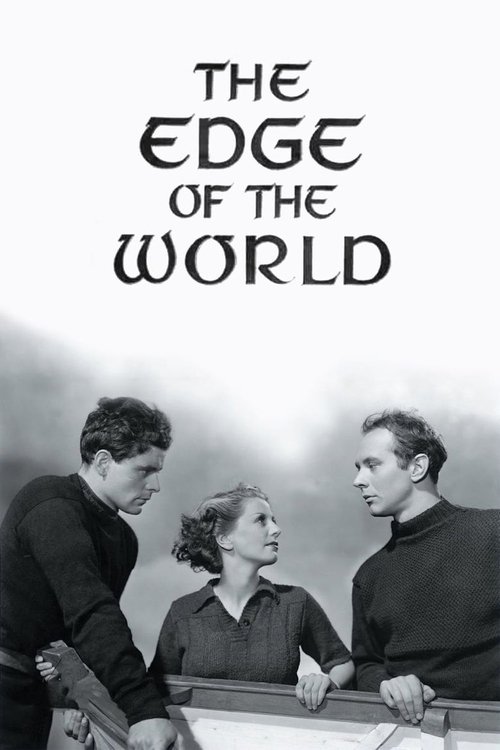
The Edge of the World1937
Michael Powell's early masterpiece follows a Shetland-like island community forced to abandon their home to the sea — the same elemental struggle, shot with the same awe for bleak, beautiful terrain.
But It's more melodramatic than Man of Aran, and its pacing shows Powell still finding his voice.
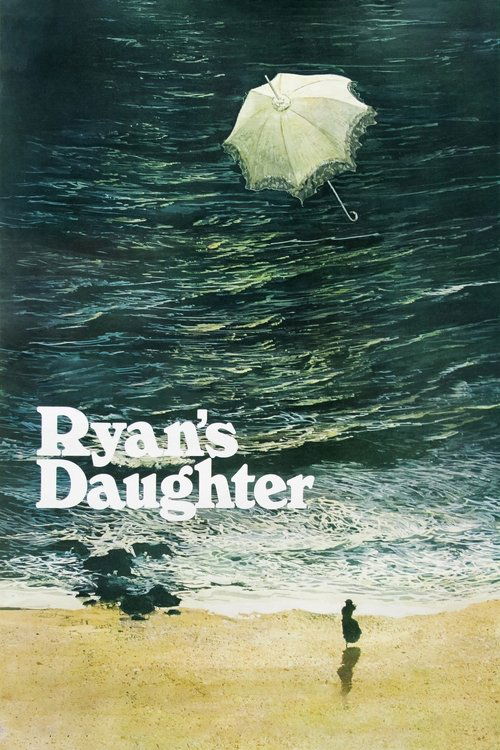
Ryan's Daughter1970
David Lean turns the wild Irish coast into a vast, wind-battered backdrop for a doomed love story, with cinematography that treats the Atlantic as a character in its own right.
But Three hours long and unabashedly melodramatic — patience for slow-burn romance required.
Not sure tonight? Get a pick in a minute, starting from Man of Aran
The wildcard
Something you would not have found on your own.
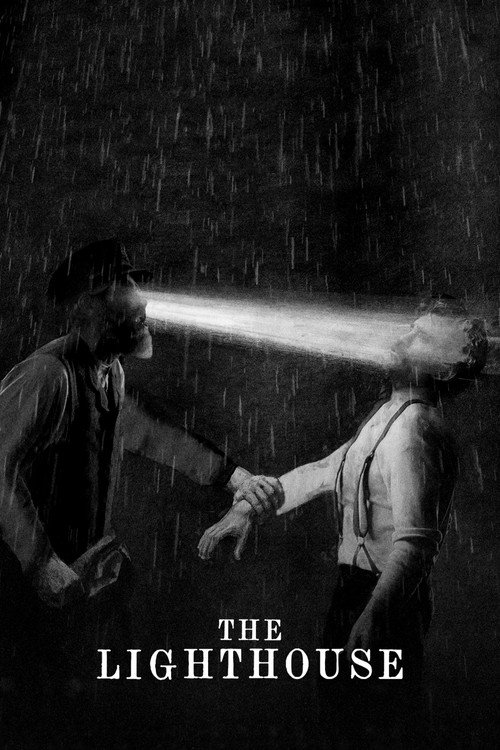
The Lighthouse2019
Both use monochrome and a hostile Atlantic coastline to strip men down to something primal; Eggers takes the same visual grammar of rock, wind and isolation and pushes it from noble myth into madness.
Two keepers unravel in claustrophobic black-and-white as sea and weather close in — the same stark, elemental photography as Man of Aran, pushed into full gothic horror.
But It's deliberately disorienting, grotesque and surreal — a fever dream, not a quiet study of endurance.
More like this (8)
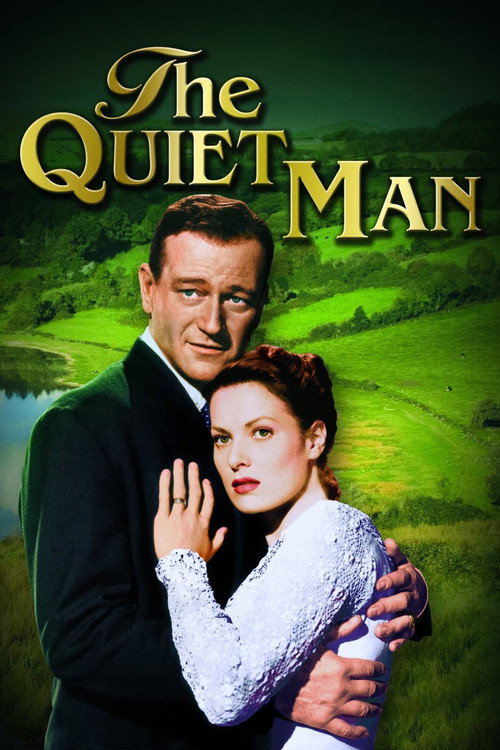
The Quiet Man1952
John Ford's warm, funny vision of rural Ireland gives you the flip side of Flaherty's austerity — the same landscape mythologised as paradise rather than trial.
But It's sentimental Hollywood blarney through and through, with none of the grit.
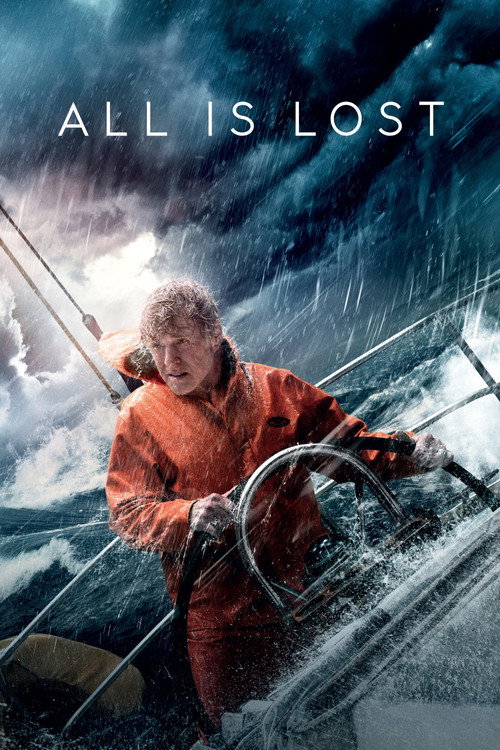
All Is Lost2013
Robert Redford, alone on a sinking boat, wordless for nearly the entire runtime — pure elemental survival cinema, stripped down to man, ocean, and will.
But The near-total absence of dialogue and plot can feel more like an exercise than a story.
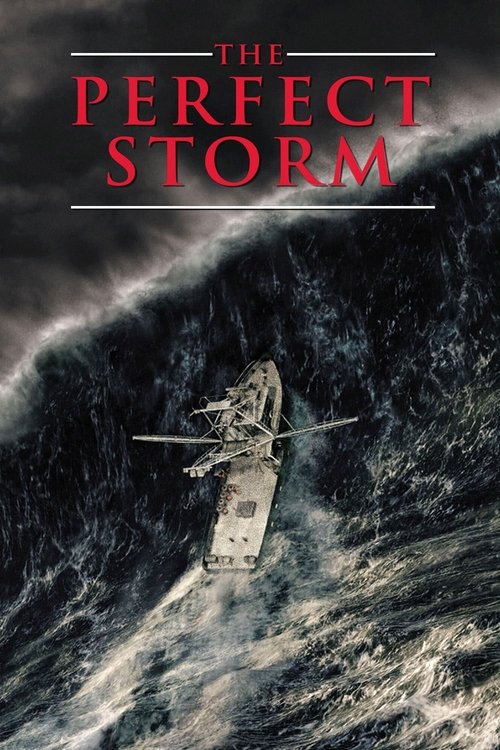
The Perfect Storm2000
A Hollywood-scale disaster movie about fishermen who refuse to bow to a killer storm — bombastic where Man of Aran is spare, but driven by the same respect for people who make a living off a merciless sea.
But It trades austerity for CGI spectacle and movie-star charisma; subtlety is not the point.
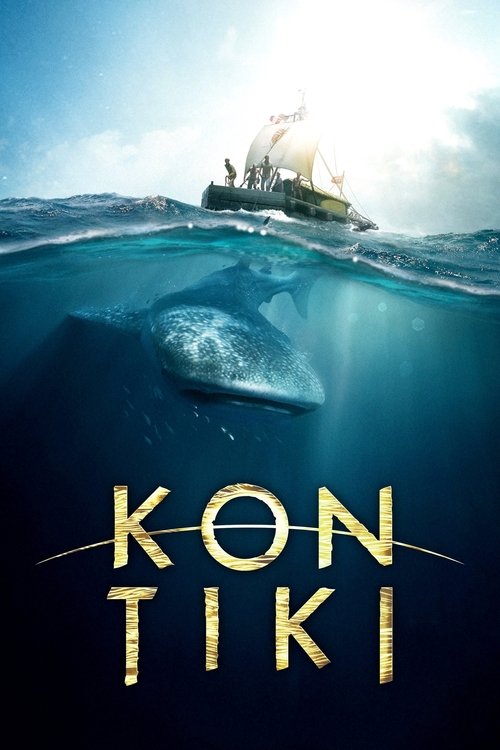
Kon-Tiki2012
A dramatized true story of a raft crossing the Pacific, this Norwegian adventure shares Man of Aran's fascination with ordinary people testing themselves against open water.
But It leans more toward crowd-pleasing adventure than the meditative rhythms of Flaherty's film.
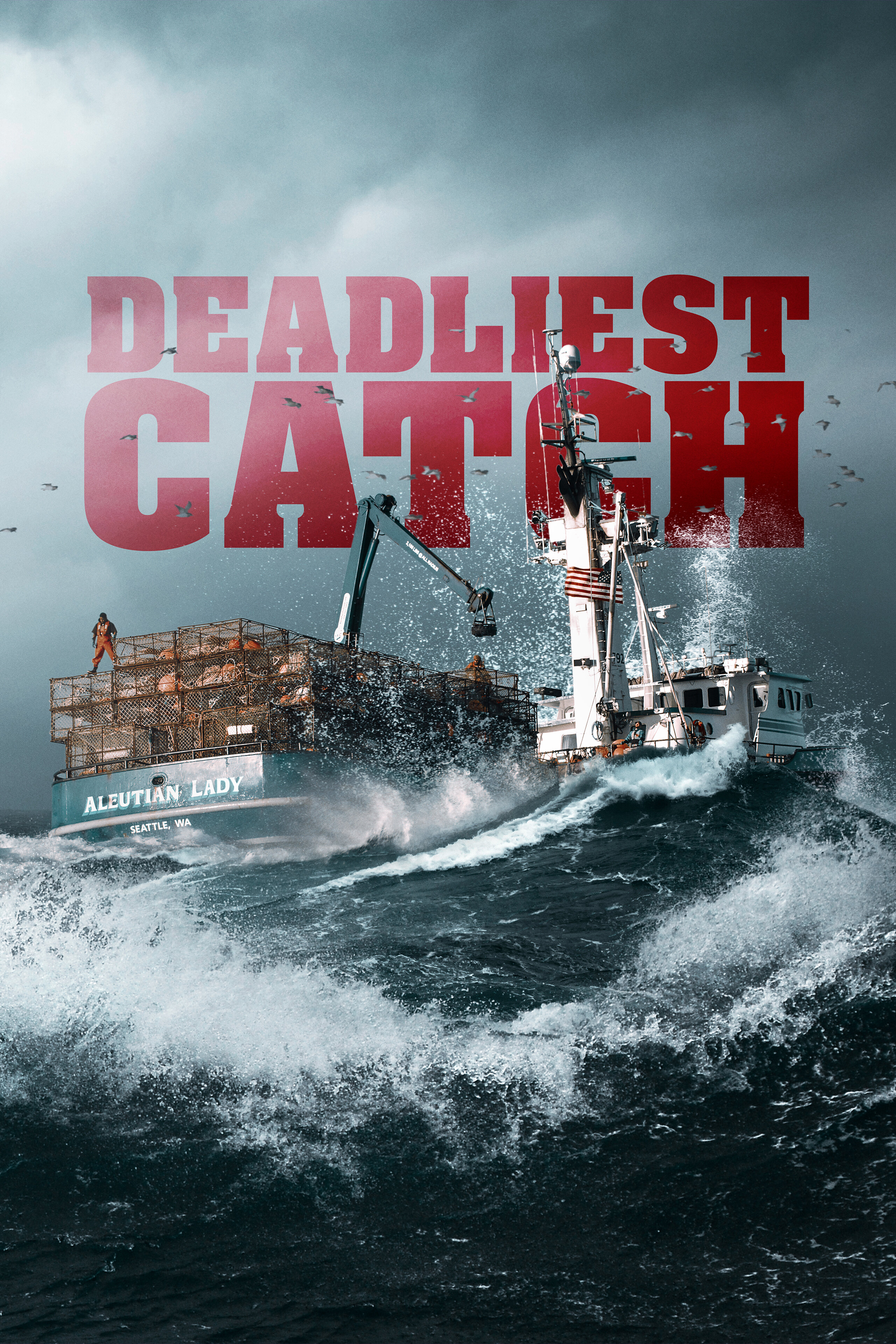
Deadliest Catch2005
Real crab fishermen in the Bering Sea, filmed with no script and constant danger — the modern, unromanticised descendant of Man of Aran's shark hunters.
But Reality-TV editing and manufactured tension can feel a world away from Flaherty's poetic restraint.
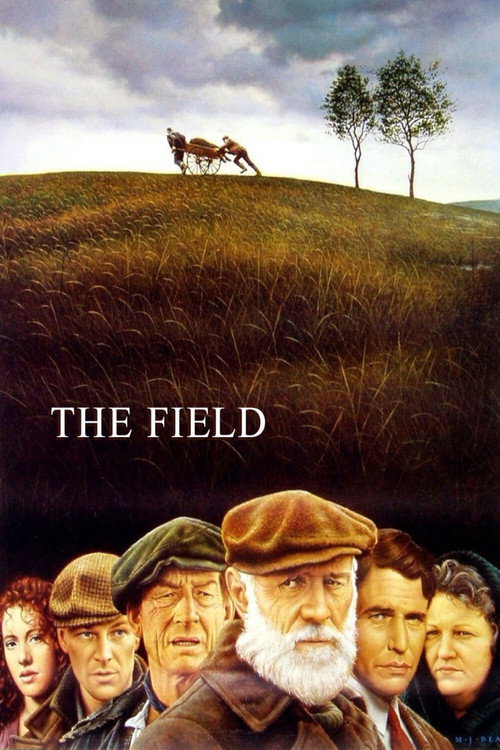
The Field1990
Richard Harris is towering as an Irish farmer whose obsession with a scrap of land echoes the same fierce, almost mythic relationship to hostile ground.
But It's a stagey, theatrical drama, heavier on shouting and tragedy than Flaherty's quiet observation.
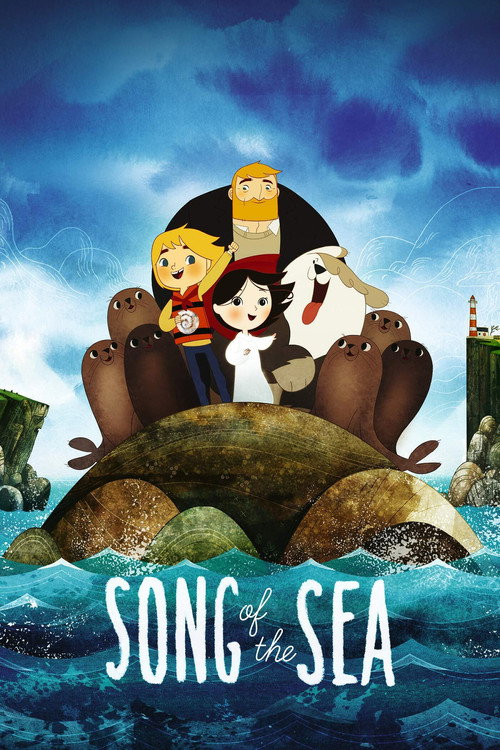
Song of the Sea2014
Both mythologise the Irish coast as a place where the sea makes and unmakes families; one does it through staged 'reality,' the other through fantasy, but the reverence for the same landscape is identical.
An animated Irish fable about a selkie child and the sea's pull on a family, gorgeously hand-drawn and steeped in the same coastal folklore Flaherty was chasing.
But It's gentle and family-friendly — you'll want the softness of animation, not documentary grit.
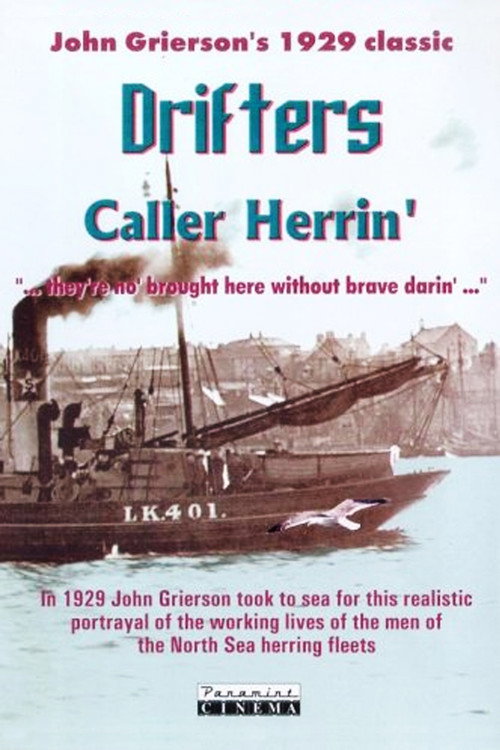
Drifters1929
Grierson's film is the documentary tradition Flaherty was reacting against and borrowing from — same era, same man-versus-sea subject, but rigorously observational instead of theatrically staged.
John Grierson's silent documentary follows North Sea herring fishermen at work — a bracingly unsentimental industrial counterpart made just five years before Flaherty's film, showing the same labour without the myth-making.
But It's silent, rougher, and more procedural — no staged drama, no central family, just the machinery of the catch.
People
Cast
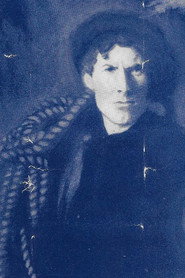 Colman 'Tiger' KingA Man of Aran
 Maggie DirraneHis Wife
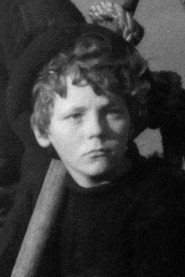 Michael DirraneTheir Son
- Pat Mullin of AranShark Hunter
- Patch 'Red Beard' RuadhShark Hunter
- Patcheen FahertyShark Hunter
- Tommy O'RourkeShark Hunter
- Stephen DirraneCanoeman
- Pat McDonoughCanoeman
Directing
- Pat Mullin of AranAssistant Director
- Robert FlahertyDirector
Writing
- Robert FlahertyWriter
Production
- Michael BalconProducer
Recommended by
Whisky Galore!, The Secret of Roan Inish, Happy People: A Year in the Taiga, The Old Man and the Sea, Honeyland, Leviathan, The Edge of the World, The Iron Mask, Moana, Winstanley, Drifters, Elephant Boy, Seal Island, Chang: A Drama of the Wilderness, The Hunters, Rope of Sand, Coal Face, The Savage Innocents, The Peak District, The Green Wall, Trader Horn, In Old Chicago, The High Country, S.O.S. Iceberg, Storm Over Mont Blanc