
Film
Chang: A Drama of the Wilderness
A 1927 silent film documenting the real life of a Lao family in northern Thailand as they face threats from wild elephants and jungle predators. Shot on location with non-professional actors, it's a thrilling hybrid of ethnographic observation and adventure cinema—tense, gorgeous, and entirely dependent on intertitles and natural sound. For anyone curious about early cinema's relationship with the natural world and other cultures.
Should you watch it?
Watch it if you love silent films that stage real jungle life with a documentarian's patience, and find a wild, almost folkloric pleasure in watching animals and people share a frame with only intertitles to explain them.
Skip it if you want a pure nature record, since this mixes staged family drama with real jungle footage and the acting can feel stagey to modern eyes.
What it asks of you: Expect a short, silent, slow-building film in which the pictures do all the talking, so you'll need to read the title cards and let scenes breathe.
Not sure? Find tonight's pick in a minute.
If you liked this
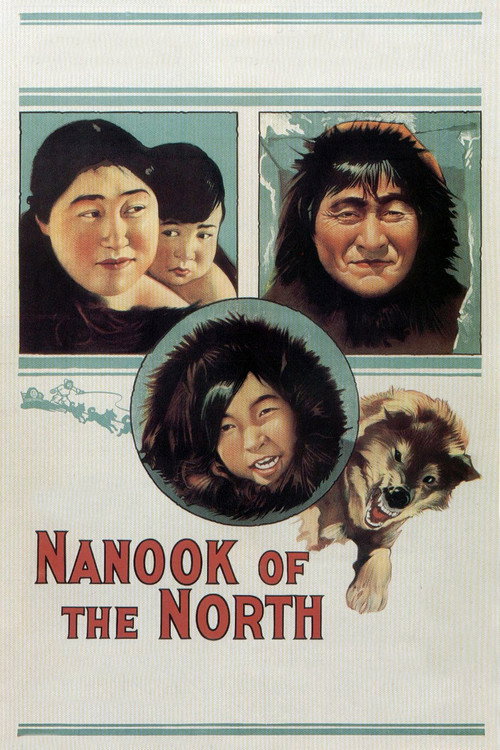
Nanook of the North1922
The grandfather of nature documentaries. Follows an Inuit family hunting and surviving in the Arctic with extraordinary intimacy. Invented the language of cinematic observation that Chang speaks.
But Also silent and ethnographic, with its own problematic framing. Some sequences were staged, which was standard then but feels deceptive now.
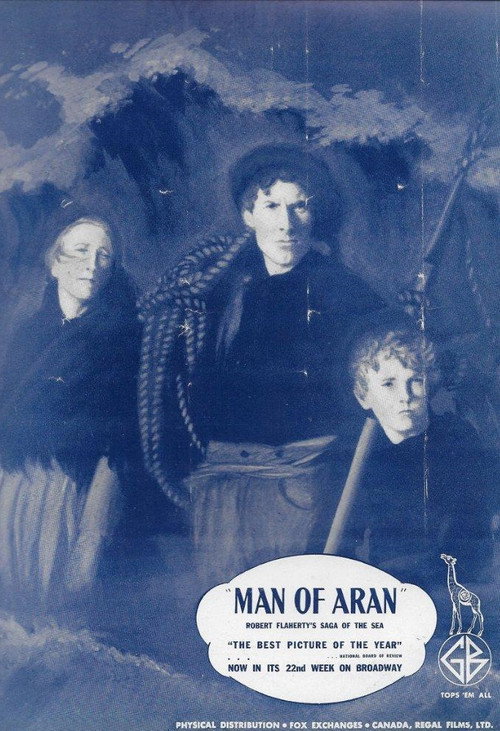
Man of Aran1934
A poetic documentary about fishermen on the Irish coast, gorgeously composed and thrillingly suspenseful. Proves that non-fiction cinema could be both authentic and dramatically shaped.
But Slower and more contemplative than Chang. Some find it overly romanticized; others find it perfect.
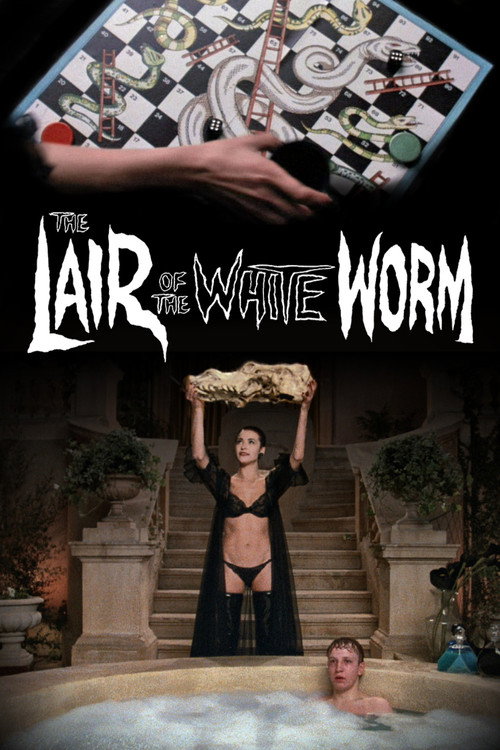
The Lair of the White Worm1988
Ken Russell's deranged adaptation of Bram Stoker, all baroque sexuality and hallucinatory landscapes. If you want wild animals and primal threat channeled through a very different sensibility.
But It's utterly bonkers—campy, vulgar, nothing like Chang except the mood. Not for anyone wanting something grounded.
Not sure tonight? Get a pick in a minute, starting from Chang: A Drama of the Wilderness
The wildcard
Something you would not have found on your own.
Häxan1922
Both films treat their subjects with a kind of ritualistic seriousness, blending observation with performance and fear. They're documentaries that use cinematic language to create emotional truth rather than just report facts.
Benjamin Christensen's silent phantasmagoria about witchcraft beliefs—equal parts documentary, drama, and nightmare. It proves early cinema could be ethnographic and hallucinatory at once, creating a kind of truth through surrealism.
But Deeply unsettling and genuinely weird. It's playful horror dressed as scholarship, which means it's disorienting rather than reassuring. Not what you'd call fun.

More like this (5)
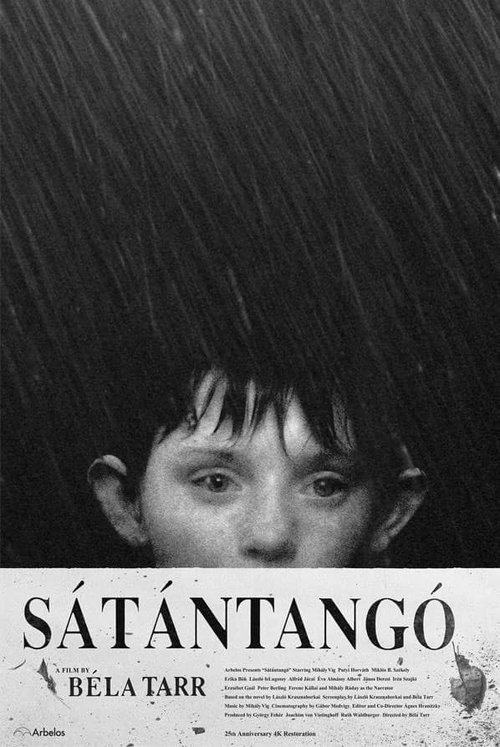
Satantango1994
Béla Tarr's seven-hour portrait of a Hungarian village is about communities under threat, shot with painterly patience. The scale and depth might recalibrate what you expect from observational cinema.
But Seven hours. Black and white. Deliberately paced. If you need plot momentum or color, this will test you.
The Leopard1963
Visconti's Sicilian epic about a family navigating upheaval and irrelevance. A meditation on threat and change in a closed world, but human drama instead of nature.
But Entirely different register—European, ornate, civilized. The elephant threat is replaced by history and mortality.

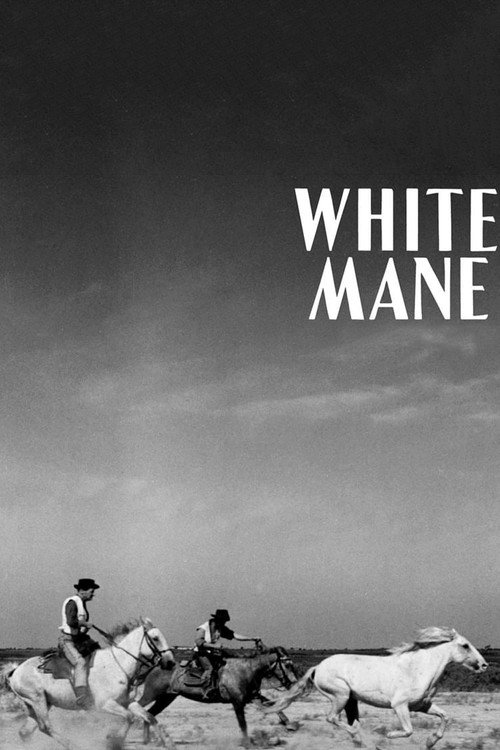
White Mane1953
Albert Lamorisse's lyrical film about a boy and a wild horse in the Camargue. Smaller in scale than Chang but with similar attentiveness to animal behavior and child-against-nature stakes.
But Gentler and more poetic. If you want visceral danger and threat, this trades urgency for beauty.
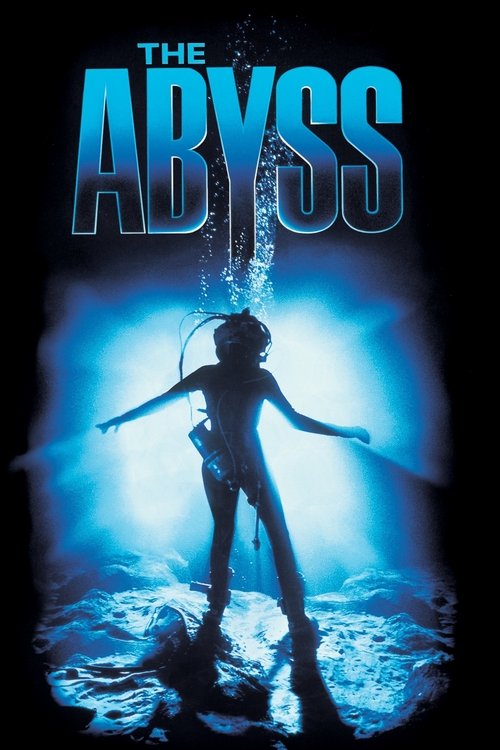
The Abyss1989
Both films root their drama in the honest vulnerability of humans facing environment and creatures. They share a mood of dread mixed with wonder, and both refuse to let technology or civilization protect you.
James Cameron's underwater thriller about a crew threatened by an alien presence in the deep. It captures the same primal tension as Chang—humans as guests in a hostile, beautiful environment they don't control or understand.
But Entirely contemporary and technical. Some find it bloated; the second half trades exploration for action-movie plotting.
The Holy Mountain1973
Both films use non-professional actors and untamed landscapes to suggest something larger than plot. Both treat wilderness not as backdrop but as a force that demands recognition and humility.
Jodorowsky's surrealist odyssey follows a spiritual journey up a mountain through landscapes that feel primordial and dangerous. Spiritual where Chang is material, but equally committed to showing humans as small creatures in overwhelming wilderness.
But Deliberately obscure and symbolic. It asks you to accept strangeness without explanation. If you need narrative clarity or emotional realism, this will feel pretentious or impenetrable.

People
Cast
- Natives of the WildThemselves
- Wild BeastsThemselves
- The JungleItself
- KruKru - the Lao Tribesman
- ChantuiChantui - His Wife
- NahNah - Son and Heir of the House of Kru
- LadahTheir Little Girl
- ThanA Friend from the Lao Village
Directing
- Ernest B. SchoedsackDirector
- Merian C. CooperDirector
Writing
- Achmed AbdullahWriter
- Ernest B. SchoedsackWriter
- Merian C. CooperWriter
Production
- Ernest B. SchoedsackProducer
- Merian C. CooperProducer