
Film
The Living Desert
The film that helped invent the modern nature documentary formula: gorgeous desert photography turned into a jaunty, music-scored morality play, where scorpions square dance and tarantulas duel wasps to Winston Hibler's twinkly narration. It's Disney's True-Life Adventures at their most beloved and most manipulative — sincere, funny, occasionally a bit much, and still visually astonishing seventy years on.
Should you watch it?
Watch it if you love nature films that linger on small, patient wonders, like the slow unfolding of a desert bloom or the quiet choreography of creatures sharing a harsh landscape.
Skip it if you need a narrative pull or human characters to stay engaged, since this is observation first, with a voiceover guiding you past one natural curiosity to the next.
What it asks of you: Around seventy minutes of steady, unhurried looking, with a calm narrator and few interruptions, so it rewards a patient mind more than a restless one.
Not sure? Find tonight's pick in a minute.
If you liked this
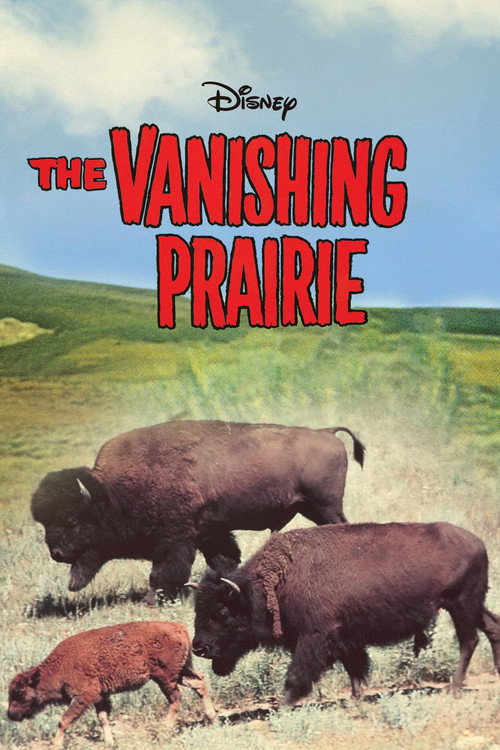
The Vanishing Prairie1954
The direct sequel from the same True-Life Adventures team, swapping cactus for grassland but keeping every trick — narrated melodrama, comic music cues, and a genuinely moving birth-of-a-bison sequence that still lands.
But Same cutesy anthropomorphizing you either loved or tolerated here, just applied to bison instead of scorpions.
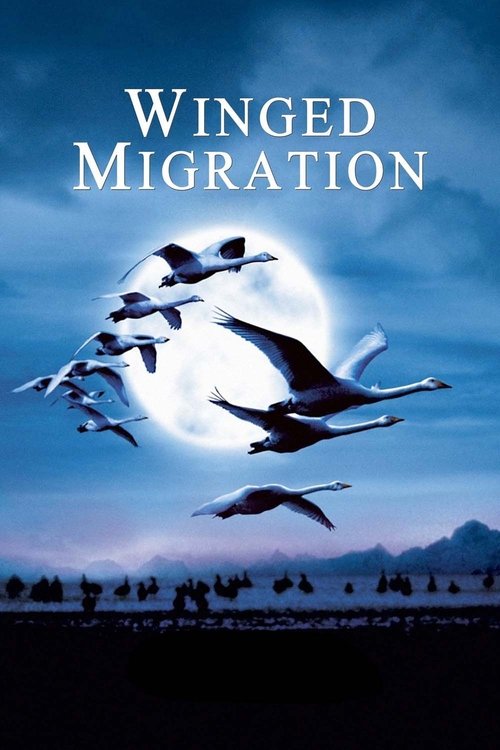
Winged Migration2001
No jokes, no narrator mugging for laughs — just birds filmed from among the flock, an aerial intimacy that makes the desert's ground-level wonder feel almost quaint by comparison.
But Slow, hypnotic, and light on story; if you need a plot, this won't give you one.
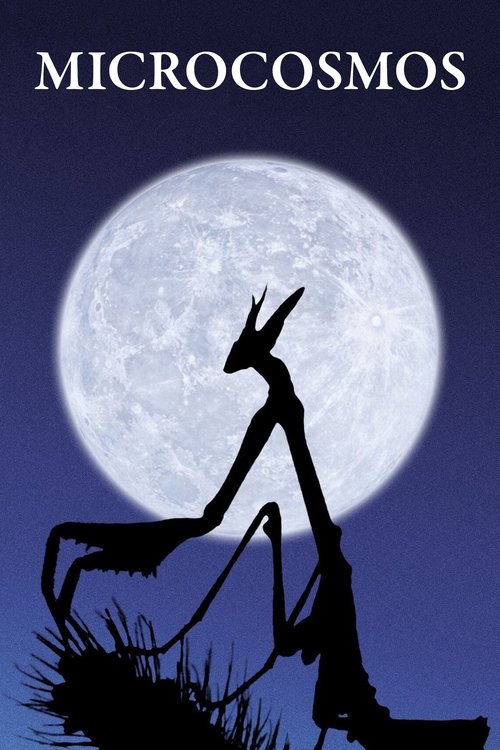
Microcosmos1996
Takes the same instinct — treat insects like tiny actors in a tiny opera — and pushes it to extremes, with macro photography so close you can see a snail's slime trail glisten.
But Almost entirely without narration or story; some will find it mesmerizing, others merely slow.
Not sure tonight? Get a pick in a minute, starting from The Living Desert
The wildcard
Something you would not have found on your own.
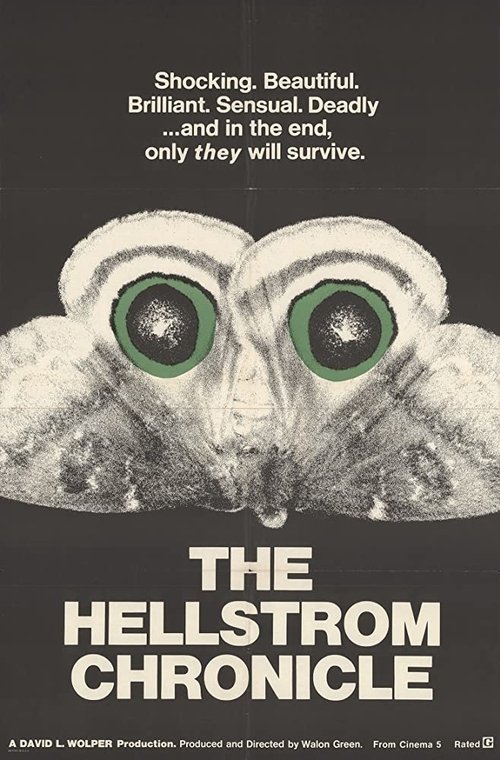
The Hellstrom Chronicle1971
Same pseudo-documentary trick of scripting insect behaviour into human drama, and it even won the same Best Documentary Oscar category a couple decades later — but plays every beat as looming horror instead of comedy.
Takes The Living Desert's exact method — real insect footage narrated into a story — and turns it into full-blown 1970s dread, a mockumentary warning that insects will inherit the earth.
But It's alarmist pseudo-science dressed as fact, and the tone swings from creepy-crawly footage to outright fearmongering.
More like this (7)
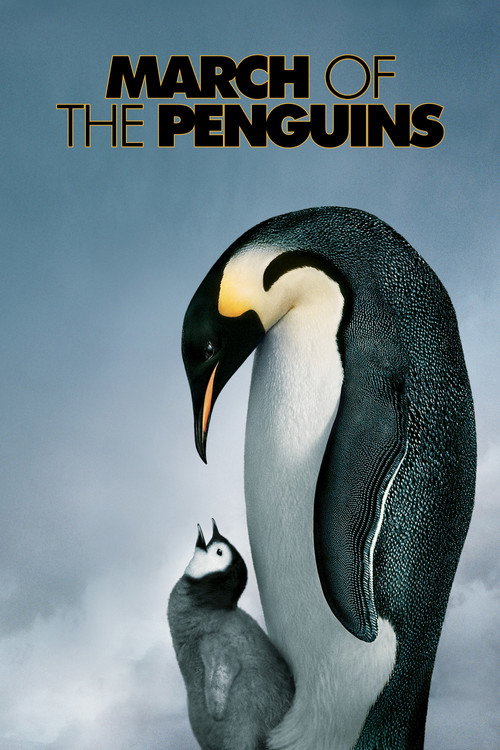
March of the Penguins2005
Same warm, avuncular narration trick — this time Morgan Freeman standing in for Hibler — turning brutal Antarctic survival into an oddly comforting bedtime story.
But The sentimentality is turned up even higher than Disney's; if that grated here, it will grate more.
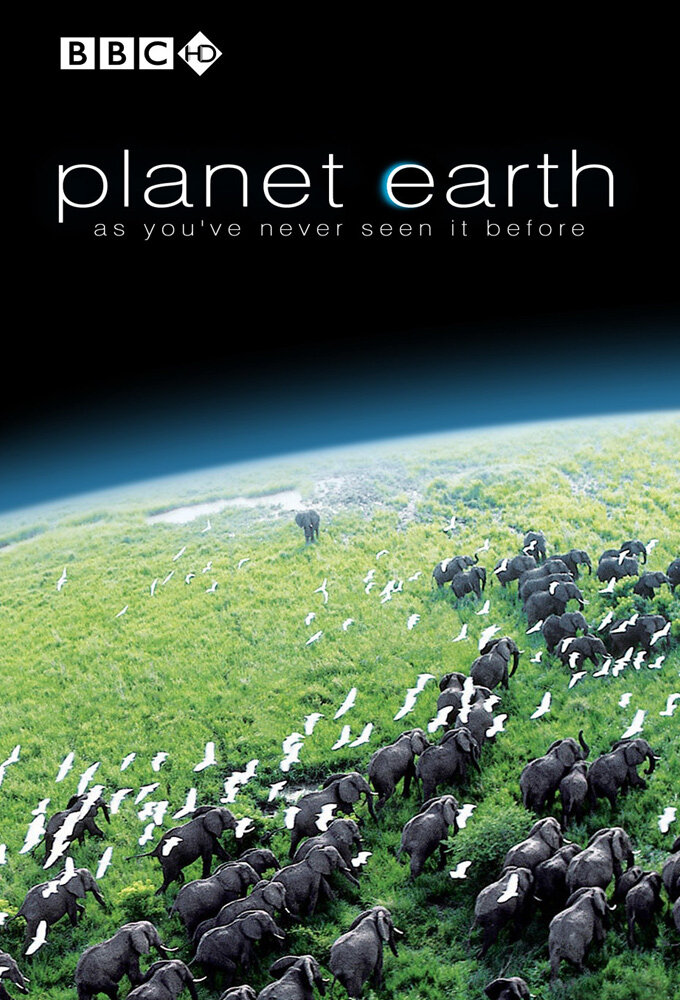
Planet Earth2006
The gold standard this film's whole genre eventually grew into — the same wonder and drama, but with helicopter cameras, a decade of patience per shot, and Attenborough's unmistakable hush.
But It's a seven-hour commitment across the whole series, not a tidy hour like this one.
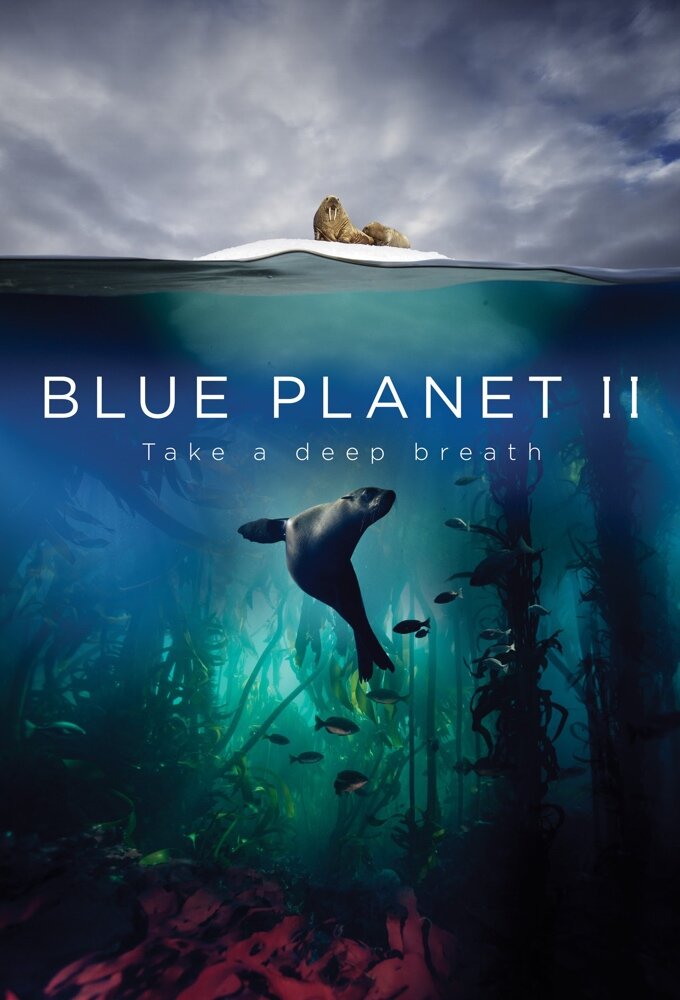
Blue Planet II2017
If The Living Desert made you wonder what a landscape you've never seen up close is really like, this does the same trick for the ocean — stranger, darker, and far bigger.
But Distressing footage of plastic pollution and climate stress creeps in; not quite the innocent tone you just watched.
Life2007
Another anthology of survival stories told species by species, but shot with sixty years more technology and none of the cuteness — the drama comes from the animals, not the script.
But Ten episodes is a lot if what you actually wanted was something under seventy minutes.
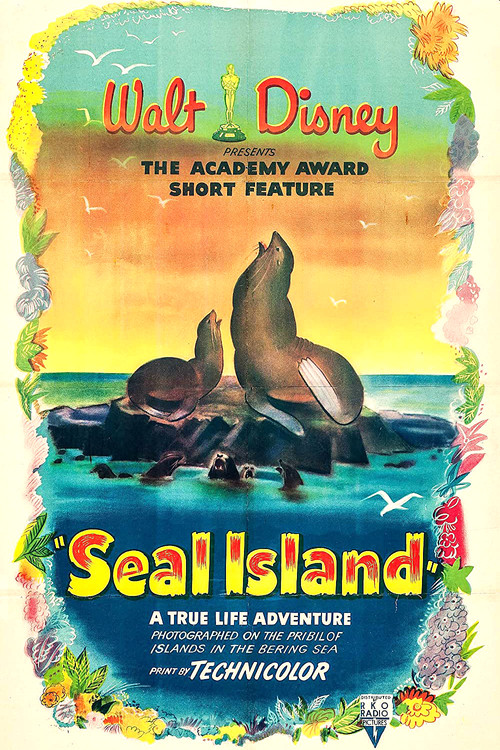
Seal Island1948
The prototype: the short that started this whole studio formula, rougher and stranger, filmed on a remote Alaskan island where nobody expected the crew to survive the winter.
But Thin as a standalone watch and only twenty-seven minutes — more a historical curiosity than a full evening.
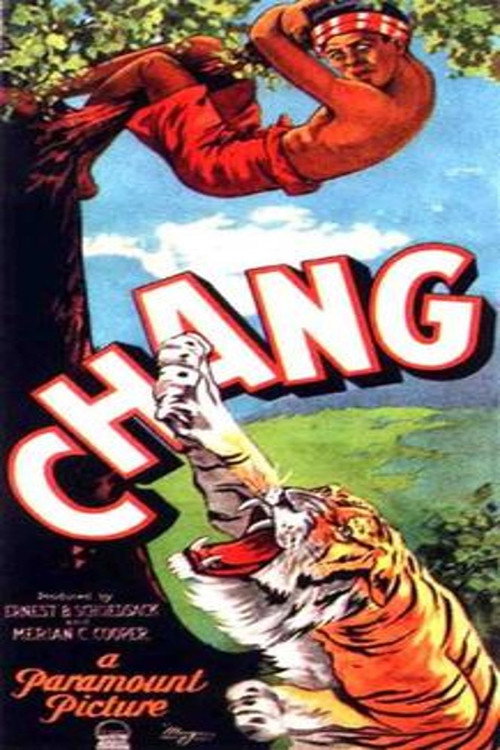
Chang: A Drama of the Wilderness1927
This is where the 'staged wildlife drama' trick actually began — a silent 1927 film scripting real jungle animals into a suspense narrative, decades before Disney's team refined it into an Oscar-winning formula.
See the technique in its raw, silent-era form: real tigers, real elephants, real peril for the human family filming them, cut together with title cards instead of a chirpy narrator.
But Silent, scratchy, and ethically dicier by modern standards — animals were reportedly harmed for some shots.
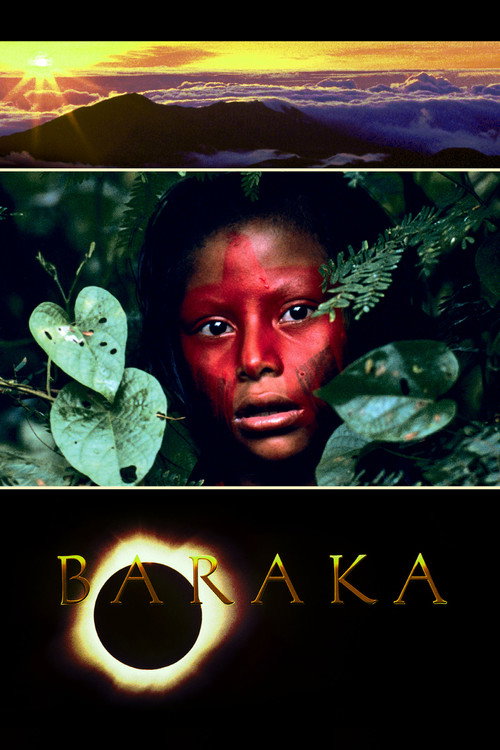
Baraka1992
Same premise — the planet's textures and rhythms filmed as spectacle — but stripped of narration, music-cue jokes, and anthropomorphism entirely; it's what The Living Desert would be if it trusted the images alone.
A wordless, meditative tour across deserts, temples, and cities that asks you to supply your own meaning instead of a narrator doing it for you — a genuinely different kind of watching.
But No narration, no plot, no jokes — some find it profound, others find ninety minutes of silence a slog.
People
Cast
 Winston HiblerNarrator
Recommended by
Winged Migration, Earth, Planet Earth, Meerkat Manor, White Wilderness