
Film
White Wilderness
White Wilderness is a 1958 Disney documentary that sweeps you through Arctic and subarctic environments—polar bears, musk oxen, migrating birds—with lush cinematography and a measured, authoritative narration. It's a nature film designed to awe rather than instruct, made for families but genuinely beautiful. If you want to see how wilderness felt to mid-century audiences, this is it.
If you liked this
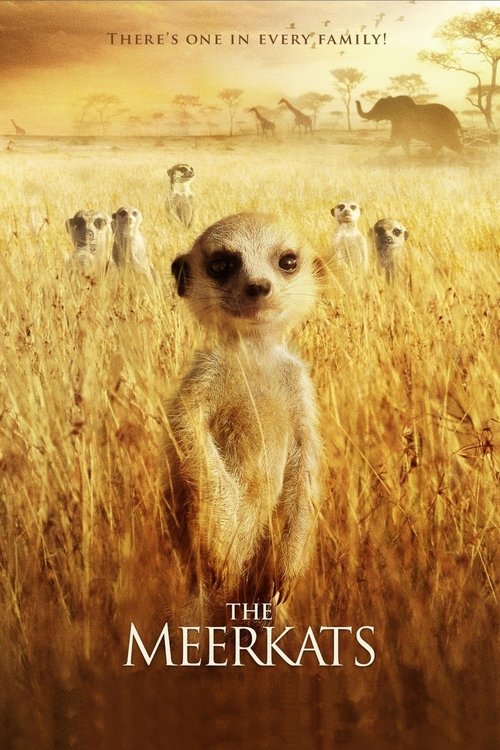
The Meerkats2008
Treats African wildlife with the same reverence and intimate framing as White Wilderness, but updated with modern cinematography and narration. Warm and funny without being patronizing.
But Focuses on a single animal group rather than a whole ecosystem, which feels narrower in scope. Also slower-paced than you might expect.
Planet Earth2006
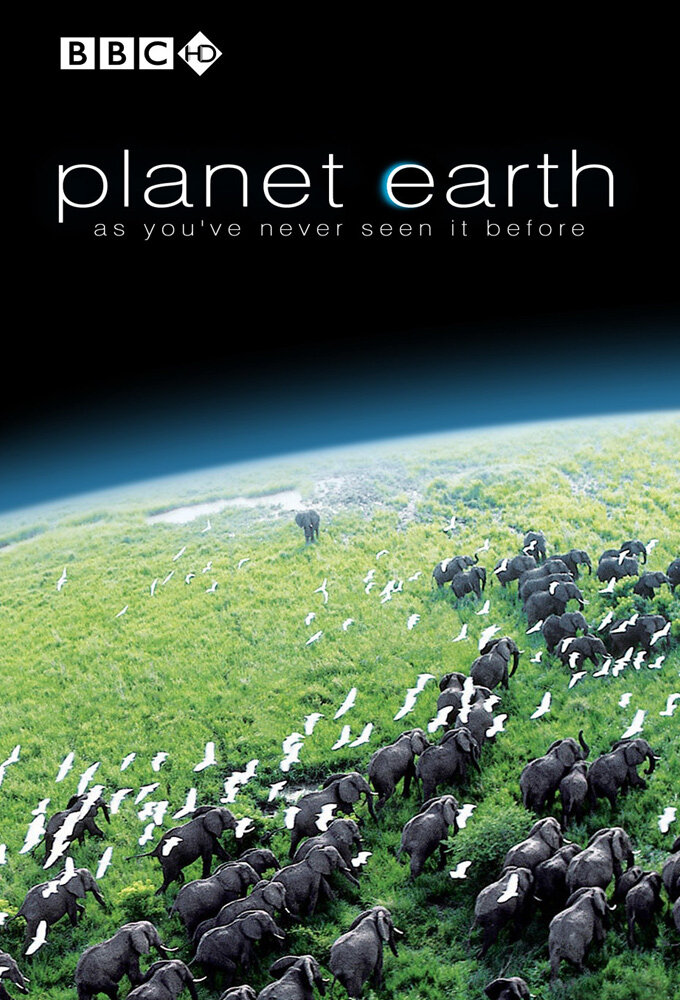
The spiritual successor to Disney's approach—sweeping landscapes, patient observation, David Attenborough's voice lending gravitas. Each episode is a masterclass in nature cinematography across wildly different biomes.
But At eleven hours total it's a commitment. Some episodes lean heavily into predator-prey sequences that can be distressing.
Pale Blue Dot
Restores wonder to nature documentary by focusing on interconnection rather than spectacle. Visually stunning and philosophically grounded, it shares White Wilderness's sense that looking at nature should change how you think.
But Newer series so may be harder to find. Slower pacing than typical prestige documentary might frustrate viewers after plot-driven television.
Not sure tonight? Get a pick in a minute, starting from White Wilderness
The wildcard
Something you would not have found on your own.
Baraka1992
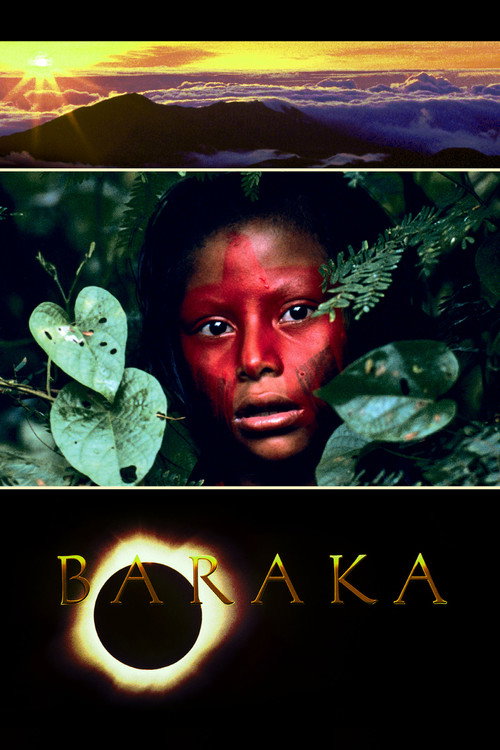
Both films believe that simply showing beauty—without argument or explanation—is enough reason to sit in the dark. Both trust the image and the viewer's capacity for wonder.
A wordless, globally-shot documentary of pure visual poetry—nature, cities, rituals, landscapes, all cut to haunting music. It's what White Wilderness would look like if a poet filmed it instead of a scientist. Sublime.
But No narration, no plot, no throughline. Some find it self-indulgent or exhaustingly abstract. You must surrender to it rather than follow it.
More like this (8)
The Living Desert1953
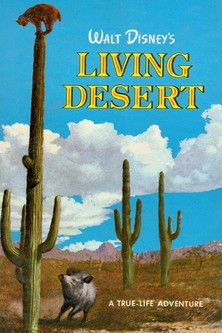
Disney's earlier True-Life Adventure in the same style, capturing the Mojave with the same painterly eye. Shorter and tighter; a perfect entry point to this particular mode of nature filmmaking.
But Feels dated in ways that might undercut the immersion. Some animal behaviour is now thought to have been staged or misrepresented.
My Octopus Teacher2020
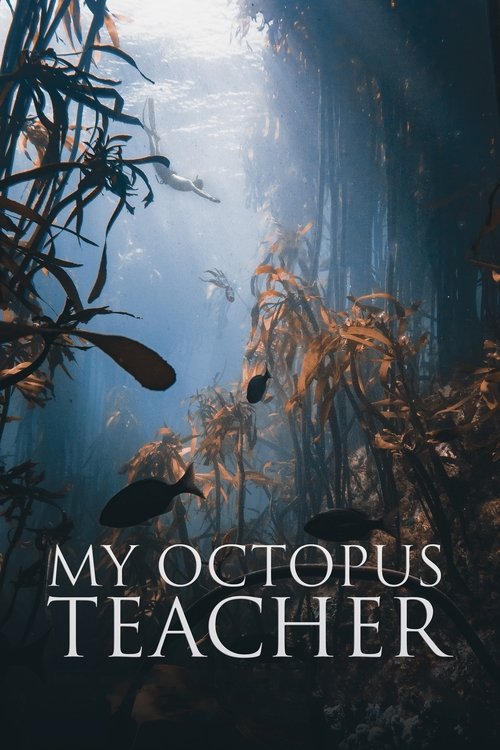
Returns to intimate, one-on-one observation of a single creature, building a genuine relationship over time. Combines visceral beauty with real emotional stakes in a way that honors White Wilderness's spirit.
But Heavy on metaphor and personal journey, which some find indulgent. The human element dominates as much as the animal does.
Life2007
BBC nature documentary of astonishing technical ambition—follows animals across continents through their lifecycles. Narrated by David Attenborough. Feels like the ultimate realization of what White Wilderness was reaching for.
But So thorough it can feel exhausting. Some episodes are genuinely harrowing if you're sensitive to predation or animal suffering.

Chasing Ice2012
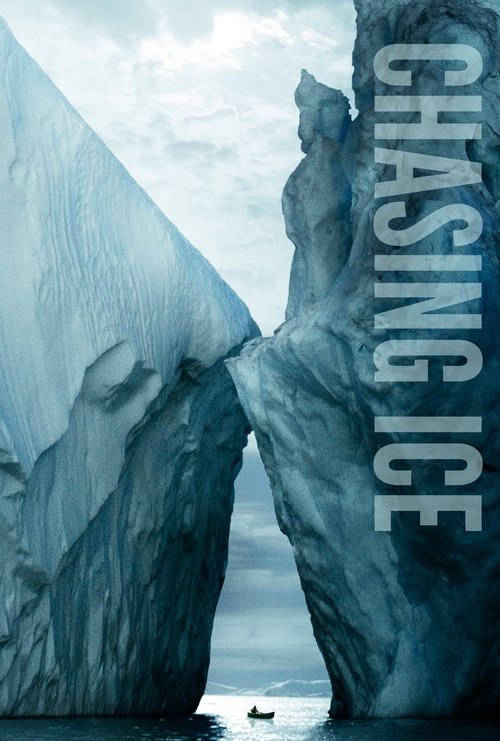
Arctic and glacial landscapes filmed with the same sense of vast, sublime beauty as White Wilderness. Merges natural grandeur with urgent environmental observation. Genuinely moving.
But The environmental argument becomes explicit and polemical—some viewers will feel lectured. Time-lapse technique can feel manipulative.
Frozen Planet2011
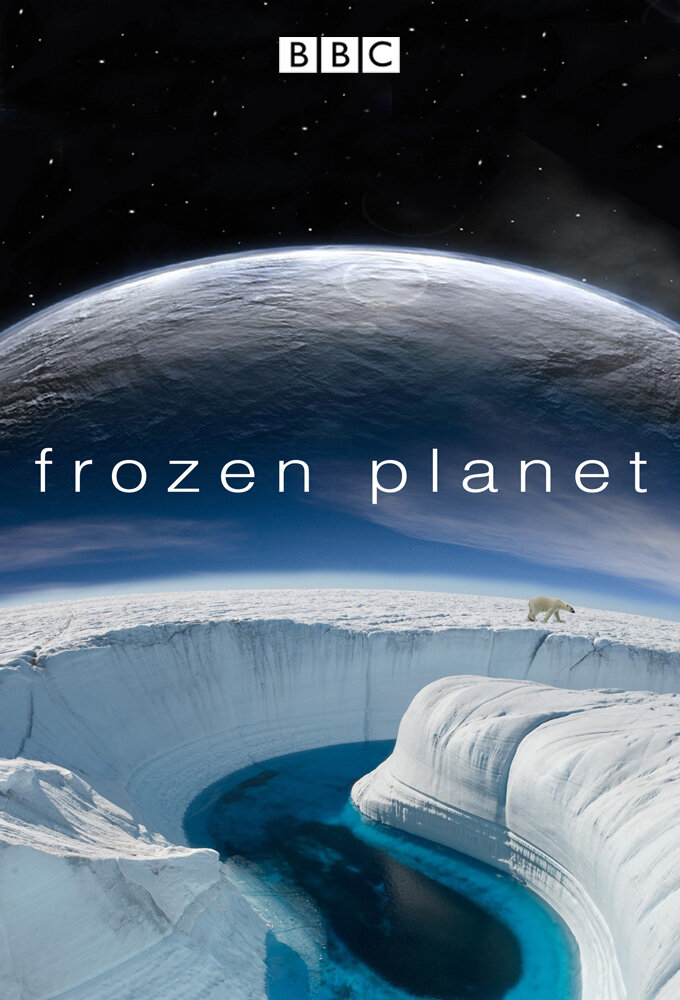
Focuses entirely on polar regions and their wildlife, which is exactly White Wilderness's territory. Attenborough's narration and the cinematography are sumptuous. Each episode is a perfect microcosm.
But Some sequences contain distressing animal deaths. Later episodes can feel repetitive if watched back-to-back.
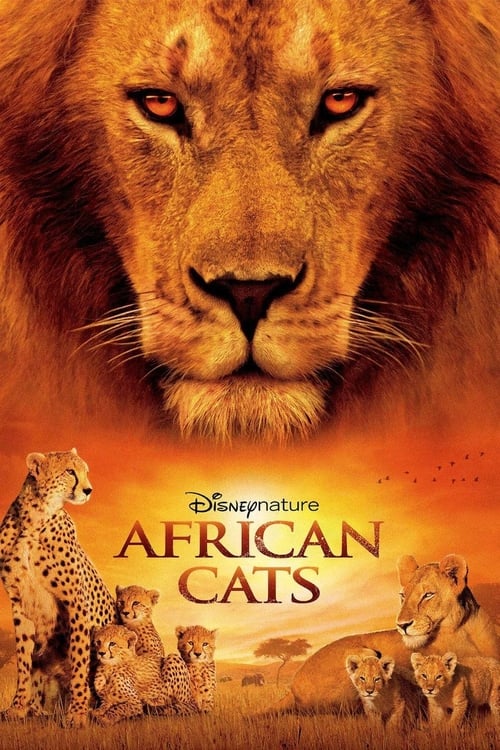
African Cats2011
Maintains the reverent, observational tone of mid-century nature documentary but with contemporary camera technology. Focuses on lion and leopard families across a season. Genuinely thrilling without being sensationalist.
But Occasionally slips into melodramatic family-saga language that feels forced. Shorter than the scope of the story might warrant.
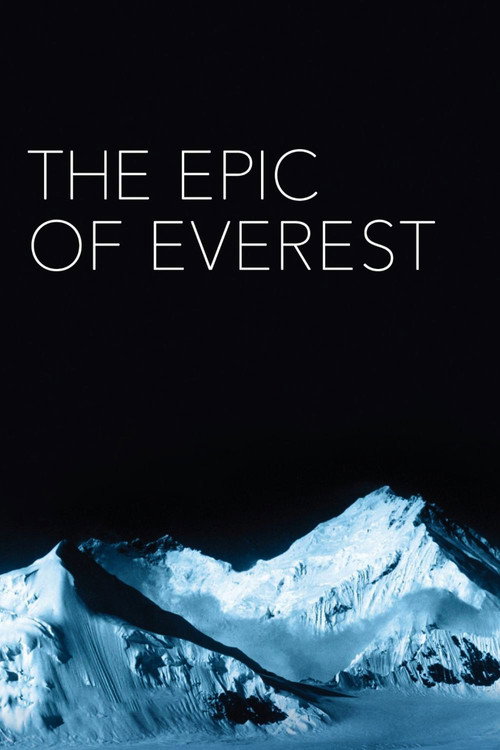
The Epic of Everest1924
Both are encounters with inhuman wilderness filmed as pilgrimage—that sense that you are witnessing something that doesn't need you to matter. Both are primarily about strangeness and endurance.
Silent footage from the 1924 Everest expedition, recently restored. Raw, unmediated mountain wilderness from a generation before White Wilderness. The humans matter as much as the landscape. Historically extraordinary.
But Silent film with intertitles, which requires patience and a different kind of attention. Pacing is glacial. Some sequences feel distant or unclear because the technology was primitive.
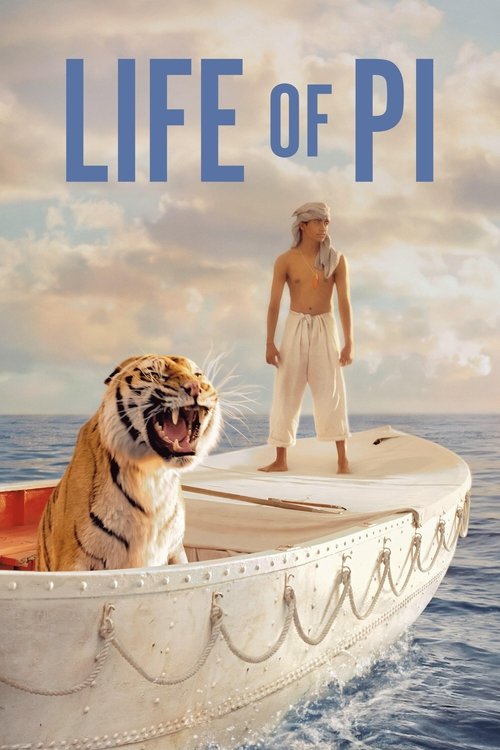
Life of Pi2012
Both films are fundamentally about solitude in wilderness, about the human being rendered small and insignificant by beauty and force. Both propose that this is not tragedy but enlightenment.
Treats the natural world with the same mixture of awe and indifference as White Wilderness, but through narrative fiction and Ang Lee's visual obsession. The ocean and animals are as much character as landscape. Visually rapturous.
But Heavy on metaphor and spiritual meaning, which some find cloying. The story's plausibility questions may undermine immersion for viewers seeking realism.
People
Cast
 Winston HiblerNarrator
Directing
- James AlgarDirector