
Film
Baraka
Ron Fricke's wordless, plotless odyssey stitches together temples, factories, deserts and slums into one continuous visual poem about being alive on Earth. There's no narration, no argument, just time-lapse clouds, ritual dance, assembly lines and human faces held in unbearable close-up. It's less a film to follow than a state to enter — best watched large, loud, and patient.
If you liked this
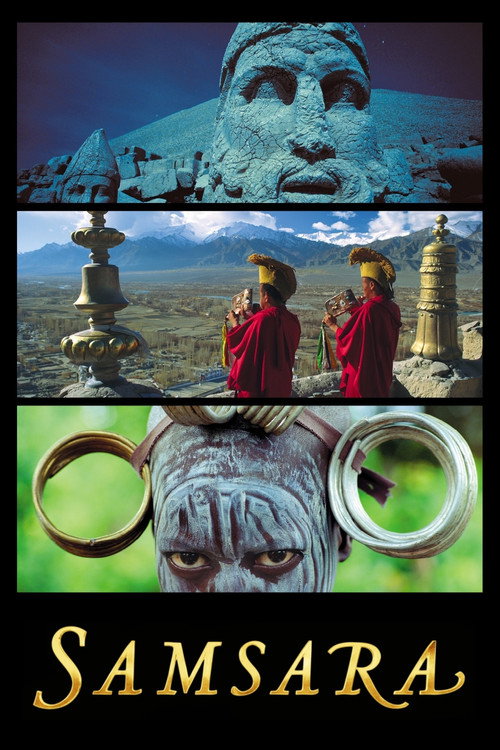
Samsara2011
Fricke's own spiritual sequel, shot decades later on digital cameras that let him go even further into extremes of beauty and grotesquerie. Same wordless method, sharper images, darker detours.
But If Baraka's approach already felt like enough, this is more of the same idea rather than a new one.
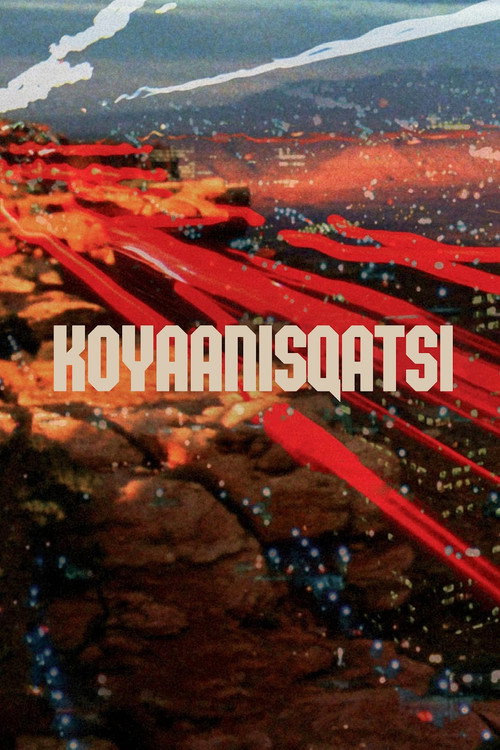
Koyaanisqatsi1983
The Godfrey Reggio film that invented this whole genre and directly inspired Fricke, who shot it. Glass's score alone is worth the ninety minutes; the imagery of nature versus machine still lands hard.
But Rougher, more overtly political than Baraka, and its 1980s time-lapse city footage now reads as a period piece.
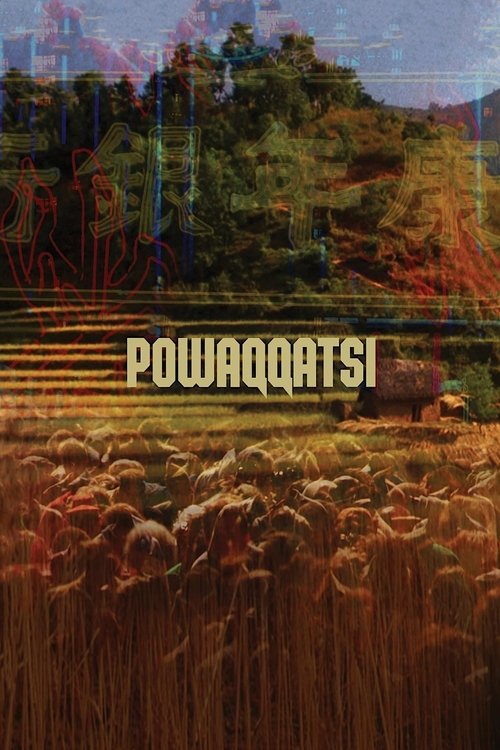
Powaqqatsi1988
Reggio's follow-up trades cityscapes for labour and ritual in the developing world, closer in spirit and structure to Baraka's global village of faces and hands.
But Its focus on poverty and manual work can feel more like an argument than Baraka's wider, more ambivalent gaze.
The wildcard
Something you would not have found on your own.
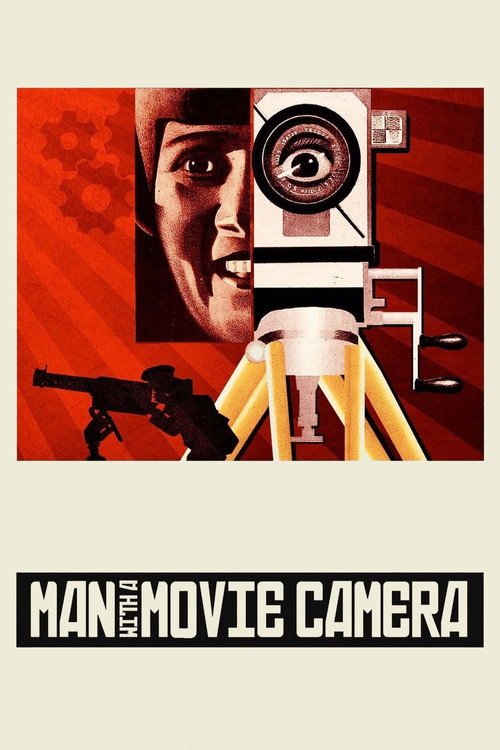
Man with a Movie Camera1929
This is the ancestor of the whole non-narrative-montage-of-humanity idea — same structural gamble, made when the technique was brand new and the century was still young.
Dziga Vertov's silent Soviet montage of a day in city life — factories, births, funerals, trains — invented the idea of assembling the world without plot or dialogue, sixty years before Fricke picked it up.
But Silent, black-and-white, and openly propagandistic about Soviet modernity in ways Baraka carefully avoids.
More like this (8)
Chronos1985no page yet
Fricke's earlier, shorter IMAX experiment — ancient ruins and modern cities dissolved into pure time-lapse. A useful look at the sketch before the masterpiece.
But Slighter and more repetitive; feels like a study for Baraka rather than a destination itself.
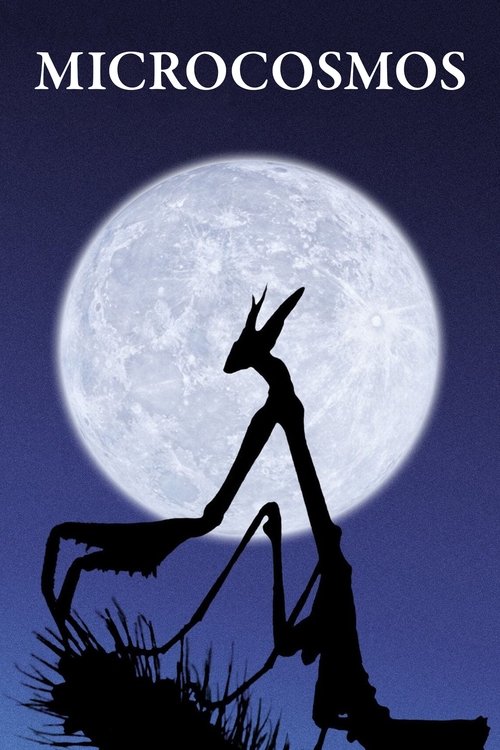
Microcosmos1996
Same wordless awe, radically rescaled: a French crew spends a summer filming insects at magnifications that turn dewdrops into oceans. Genuinely astonishing macro photography.
But Zero human content and a tighter focus mean it lacks Baraka's sweep across cultures and continents.
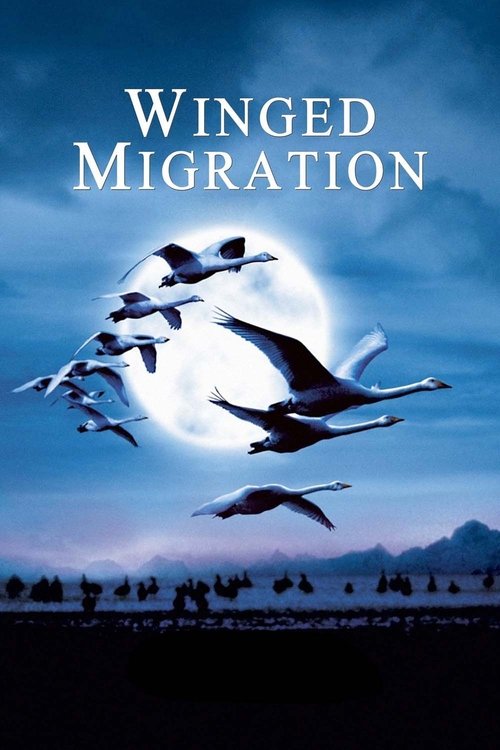
Winged Migration2001
Cameras mounted on planes and gliders follow birds across the entire planet, achieving a similarly vertiginous sense of scale and distance without a single talking head.
But Narrower subject matter and occasional narration make it a gentler, more conventional nature film by comparison.
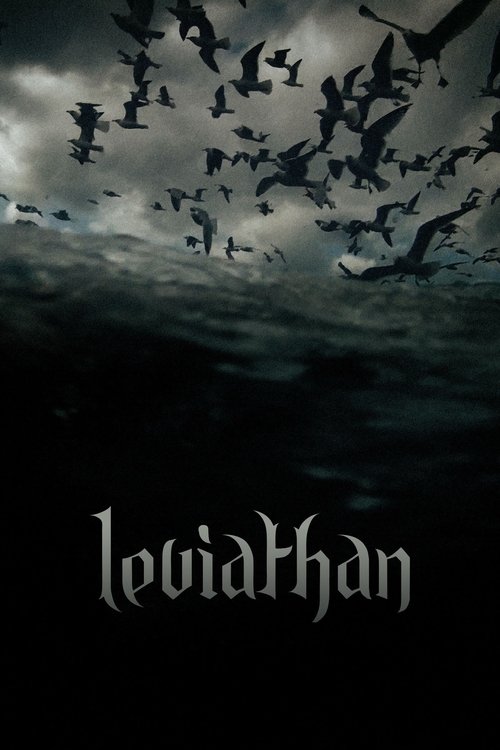
Leviathan2013
An industrial fishing trawler shot with GoPros lashed to nets and hulls, turning brutal manual labour into something abstract and nearly hallucinatory. Fricke's sensibility gone feral.
But Deliberately disorienting and grimy rather than transcendent — this is beauty found in exhaustion, not serenity.
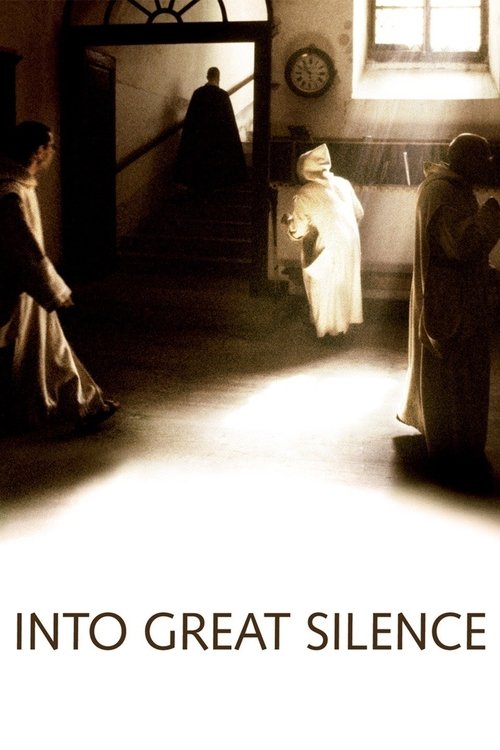
Into Great Silence2005
Nearly three hours inside a Carthusian monastery, almost entirely without dialogue. If Baraka's ritual footage moved you, this sits inside one ritual for good.
But Its stillness is extreme even by this genre's standards — a real test of patience, not just openness.
Genesis2004no page yet
Claude Nuridsany and Marie Pérennou's meditation on the origins of life, mixing tribal storytelling with extraordinary nature cinematography in a similarly non-narrative register.
But Its framing device of an African griot narrating creation myths gives it more structure and voice than Baraka ever uses.
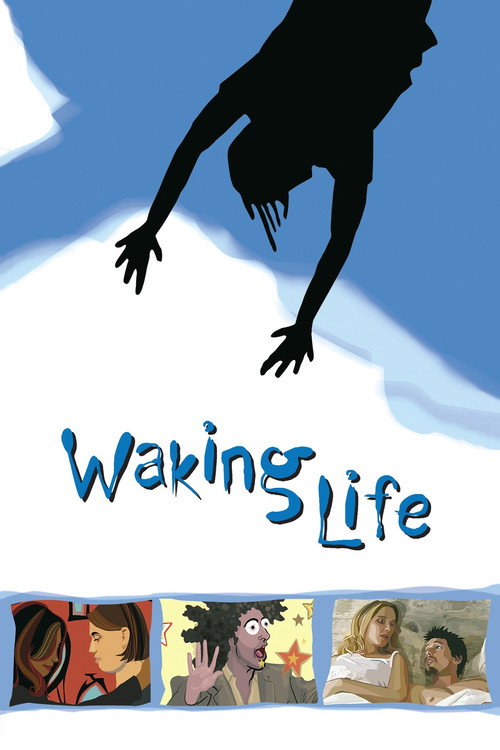
Waking Life2001
Where Baraka reaches for the transcendent through pure image, this reaches for the same state through pure conversation — animated instead of documentary, spoken instead of silent.
A young man drifts through a dreamlike series of philosophical conversations, the whole thing rotoscoped into shifting, painterly animation. It shares Baraka's interest in consciousness and transcendence but talks the whole way through.
But Wall-to-wall dialogue and monologue — the opposite of Baraka's silence, and some will find it talky and student-lounge earnest.
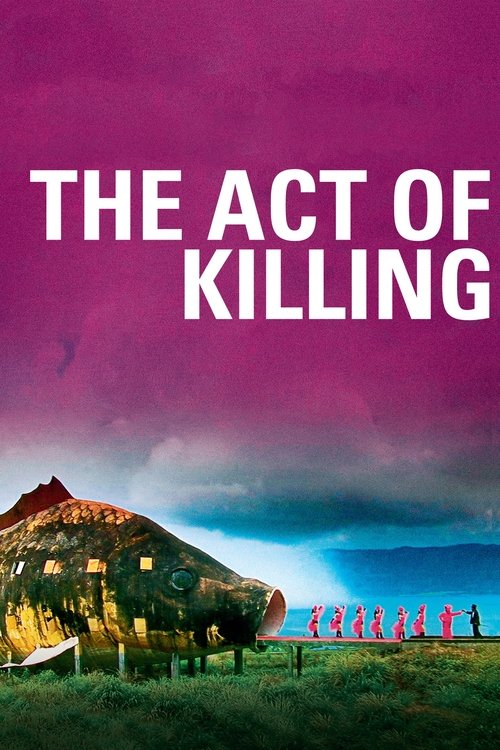
The Act of Killing2012
Baraka's montage includes footage of concentration camps and industrial slaughter among its images of grace; this film stays right there, in humanity's capacity for horror, and refuses to look away or find peace in it.
Joshua Oppenheimer gets Indonesian death-squad leaders to reenact their 1965 massacres as movie scenes, producing one of the most disturbing documentaries ever made about how people live with atrocity.
But Genuinely upsetting and morally vertiginous — nothing about it offers Baraka's consolations of beauty or transcendence.
People
Cast
- Patrick DisantoJourneyman (uncredited)
Directing
- Ron FrickeDirector
Writing
- Constantine NicholasWriter
- Genevieve NicholasWriter
- Mark MagidsonWriter
- Ron FrickeWriter
Production
- Alton WalpoleProducer
- Mark MagidsonProducer
Recommended by
Wings of Desire, Koyaanisqatsi, Microcosmos, Encounters at the End of the World, The Black Stallion, Babies, Life in a Day, Samsara, Powaqqatsi, Man with a Movie Camera, Leviathan, Fantastic Fungi, Into Great Silence, Sans Soleil, Gunda