
Film
Koyaanisqatsi
A wordless, plotless collage of American landscapes, cities and machinery, cut to Philip Glass's hypnotic score. There's no narrator telling you what to think, just relentless juxtaposition — canyons dissolving into freeways, commuters moving like assembly-line parts. It's less a film than an 86-minute mood, built for anyone willing to let images and rhythm do the arguing instead of words.
If you liked this
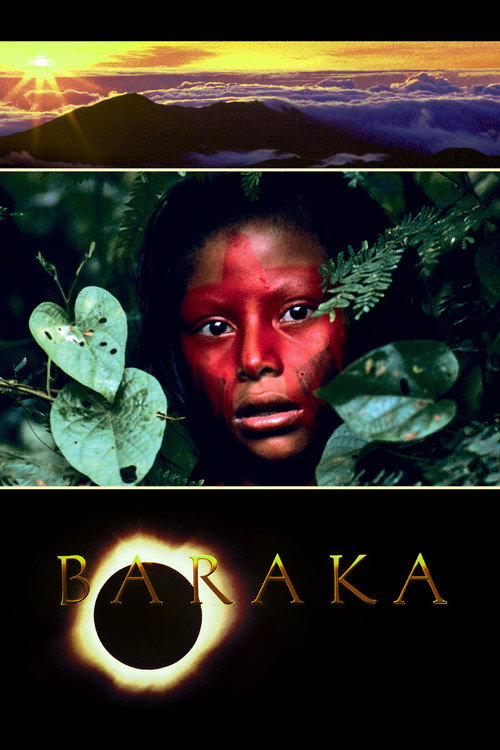
Baraka1992
Ron Fricke, Koyaanisqatsi's own cinematographer, took the same wordless-tone-poem formula worldwide and shot it on gorgeous 70mm. Bigger canvas, same trance.
But It leans more spiritual-tourism than industrial critique, which can feel softer and less pointed than what you just watched.
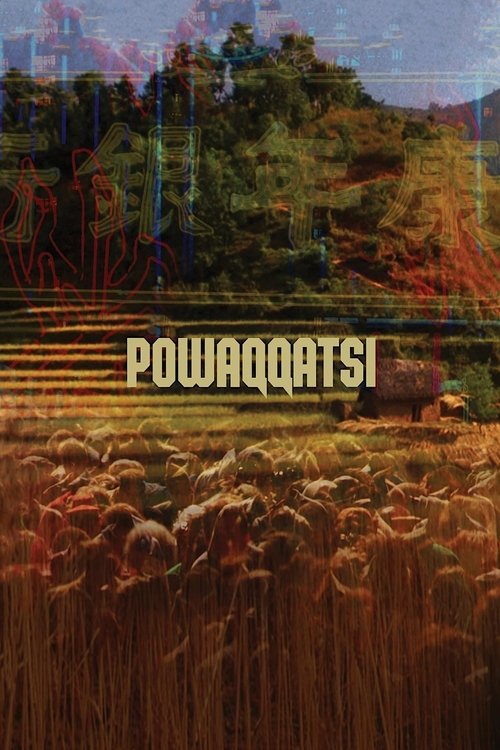
Powaqqatsi1988
The direct sequel, swapping the developed world for the Global South and slowing the tempo — Glass's score here is warmer, drum-and-voice heavy, and genuinely stunning.
But Less structurally daring than the original; some find it repeats the trick without sharpening it.
Naqoyqatsi2002no page yet
The trilogy's odd, digital-heavy closer, all processed and manipulated footage instead of raw film — a genuine formal left turn if you want to see where this idea ends up.
But Feels colder and more abstract; the least loved of the three for a reason.
The wildcard
Something you would not have found on your own.
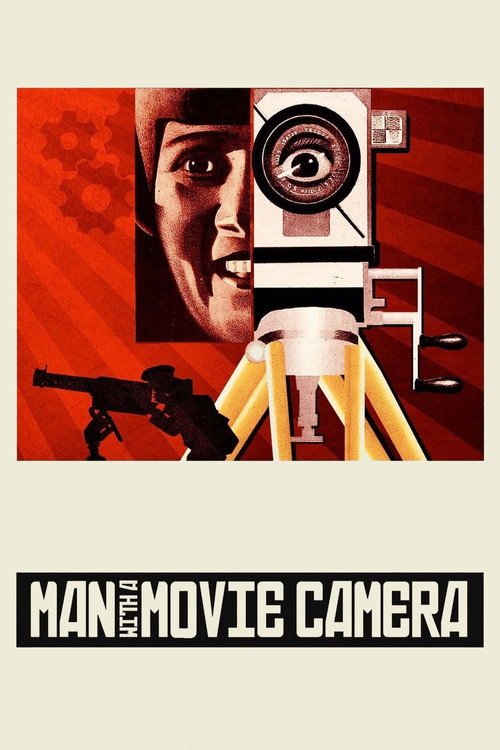
Man with a Movie Camera1929
This invented the technique Reggio inherited: showing modern life through pure image-rhythm rather than narration. Vertov thought the machine age was glorious; Reggio thought it was a catastrophe. Same tool, opposite verdict.
The great-grandfather of this whole genre — a silent Soviet 'city symphony' built entirely from montage, no titles or dialogue, cutting factories and crowds into pure rhythm.
But Silent, scratchy, and openly propagandistic — it's celebrating industrial modernity, the opposite of Koyaanisqatsi's dread.
More like this (8)
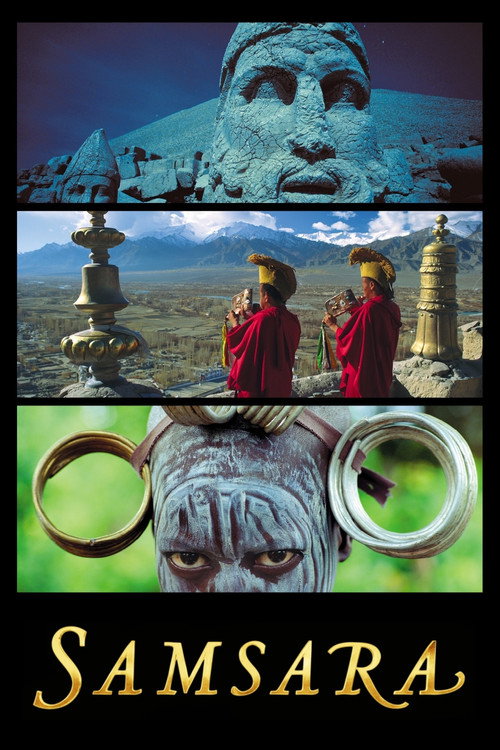
Samsara2011
Fricke's spiritual sequel to Baraka, twenty years on — sharper digital clarity, an even more global sweep, still no dialogue, still built to be felt rather than followed.
But Some images (a slaughterhouse sequence especially) are more graphic than Koyaanisqatsi ever gets.
Chronos1985no page yet
Fricke's earlier IMAX experiment, obsessed with time-lapse and scale — ancient ruins against modern cities, narrated only by Michael Stearns's score. A rawer, shorter cousin.
But Harder to find and thinner in ambition; more curiosity piece than must-see.
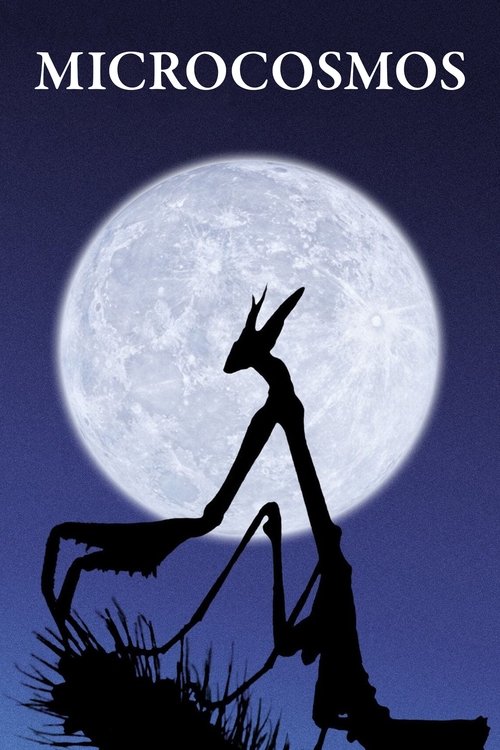
Microcosmos1996
Same commitment to pure image and sound, radically different scale — a wordless, narration-free plunge into insect life, shot with startling macro intimacy.
But If you wanted more human/industrial commentary, this pivots entirely into nature and loses that thread.
Manufactured Landscapes2006no page yet
Follows photographer Edward Burtynsky through quarries, factories and e-waste dumps — Koyaanisqatsi's anxieties made explicit, with interviews instead of silence.
But More conventional documentary structure; loses some of the pure-cinema mystery you might be craving.
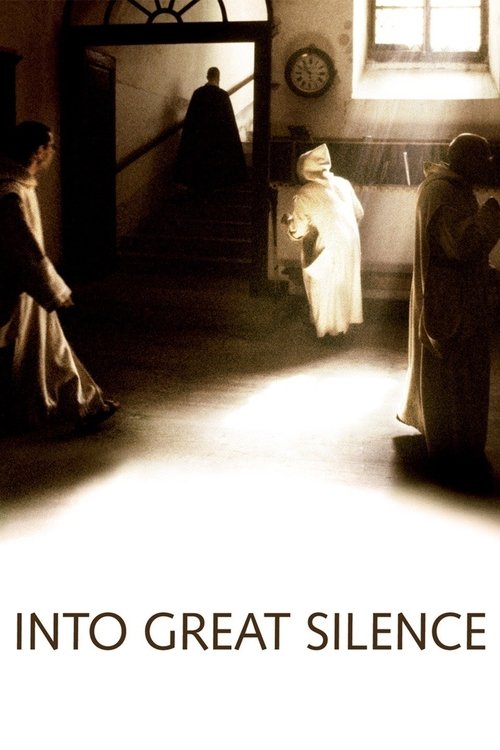
Into Great Silence2005
A monastery documentary with almost no dialogue, built entirely from ritual, light and sound — proof the same patient, meditative technique works turned inward instead of outward.
But Very slow even by this list's standards; three hours of near-total quiet will test anyone.
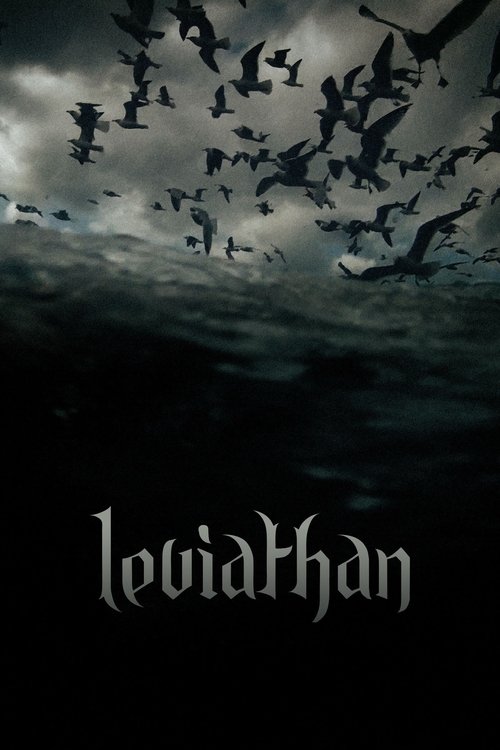
Leviathan2013
A commercial fishing boat shot with GoPros lashed to nets and hulls — disorienting, sensory, almost abstract. The industrial-machine-versus-flesh idea pushed to something nastier and more visceral.
But Genuinely nauseating in parts; it's confrontational where Koyaanisqatsi is contemplative.
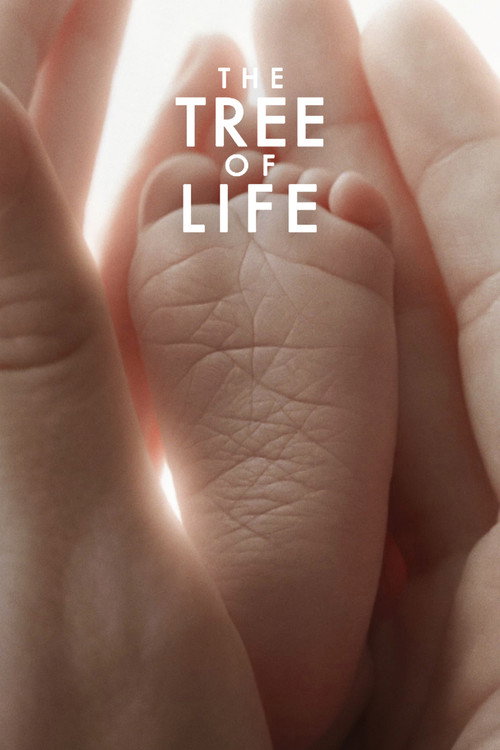
The Tree of Life2011
Malick borrows the exact grammar — no dialogue, imagery scaled from cosmic to microscopic, meaning built through juxtaposition — and turns it toward one family's private sorrow instead of a whole civilization's.
Malick smuggles Koyaanisqatsi's wordless cosmic montage — creation, geology, time-lapse galaxies — into the middle of an intimate 1950s family drama.
But It's a narrative feature with characters and grief at its centre; the tone-poem stretch is only part of a much more personal film.
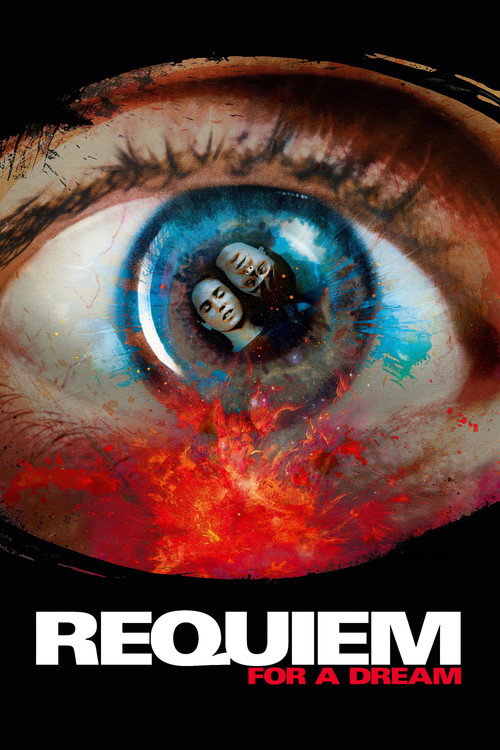
Requiem for a Dream2000
It takes Koyaanisqatsi's technique — accelerating montage as moral argument, technology and repetition as a trap — and injects it into pulpy, visceral genre filmmaking. Same machine, dressed as a horror movie.
Aronofsky has openly cited Reggio's influence: same hypnotic montage and mounting dread, here compressed into a devastating addiction drama with a driving, Glass-adjacent score.
But Trashy, brutal and deliberately punishing in its back half — a very different evening than a meditative art film.
People
Cast
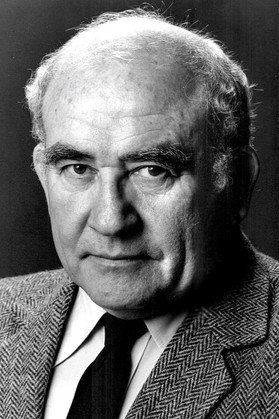 Ed AsnerSelf (archive footage)
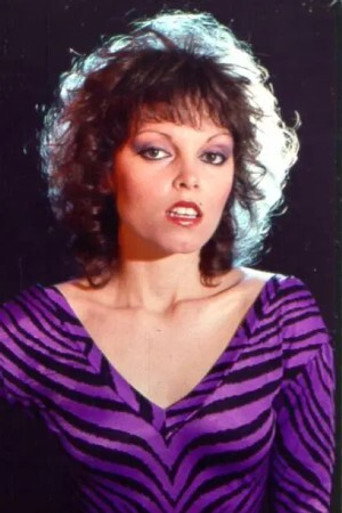 Pat BenatarSelf
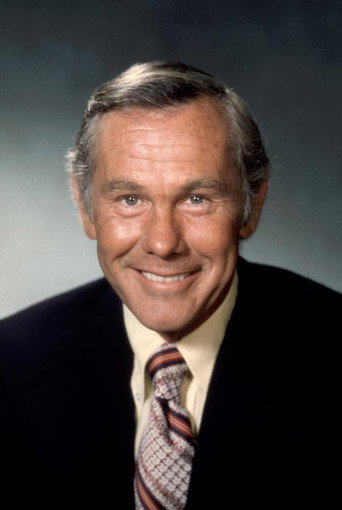 Johnny CarsonSelf (archive footage)
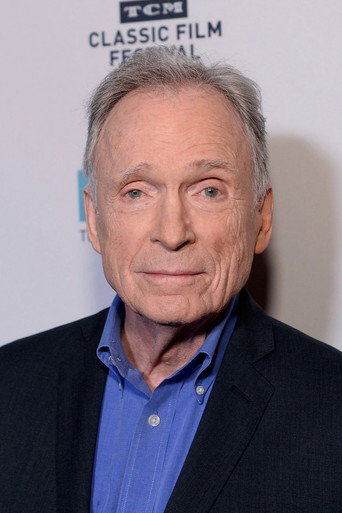 Dick CavettSelf (archive footage)
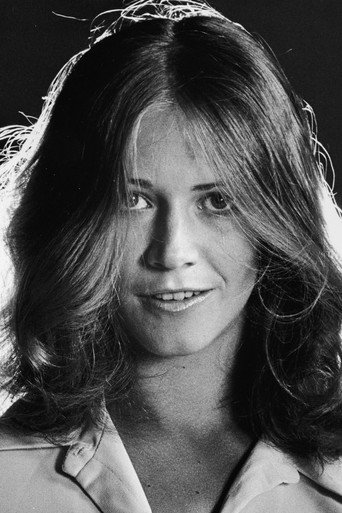 Marilyn ChambersSelf (archive footage)
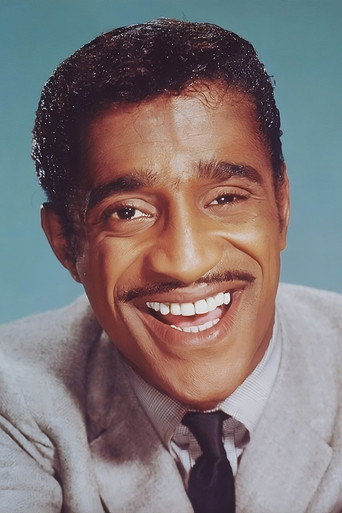 Sammy Davis Jr.Self (archive footage)
 Lou DobbsSelf (archive footage)
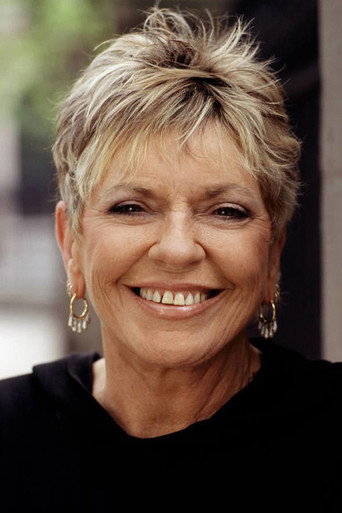 Linda EllerbeeSelf (archive footage)
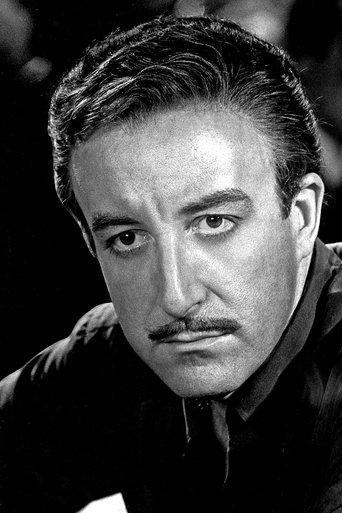 Peter SellersSelf (archive footage)
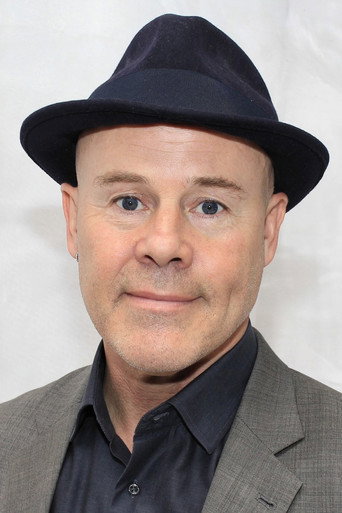 Thomas DolbySelf (archive footage)
Directing
- Godfrey ReggioDirector
Writing
- David MonongyeIdea
- Guy DebordIdea
- Ivan IllichIdea
- Jacques EllulIdea
- Leopold KohrIdea
- Alton WalpoleScreenplay
- Godfrey ReggioScreenplay
- Michael HoenigScreenplay
- Ron FrickeScreenplay
Production
- Alton WalpoleAssociate Producer
- Lawrence TaubAssociate Producer
- Mel LawrenceAssociate Producer
- Roger McNewAssociate Producer
- T. Michael PowersAssociate Producer
- Francis Ford CoppolaExecutive Producer
- Godfrey ReggioProducer
Recommended by
Warriors of the Wind, PlayTime, For All Mankind, Baraka, Life in a Day, Our Planet, Samsara, Powaqqatsi, Man with a Movie Camera, Waking Life, The Tree of Life, Soylent Green, Sans Soleil, Gunda, mother!