
Film
The Crimson Wing: Mystery of the Flamingos
- Mystery
- Slow-burning
A luminous documentary following the life cycle of flamingos at Lake Natron in Tanzania. Gorgeously shot, meditative rather than explanatory, it treats a single ecosystem as a complete world. Perfect for nature lovers who appreciate visual storytelling over narration, or anyone needing ninety minutes of pure aesthetic calm.
Should you watch it?
Watch it if you love nature documentaries that let a single remote place and its creatures carry the whole film, with patient, wide-open photography and no urge to lecture you.
Skip it if you want a human story, a fast cut, or a sharp hook; this is slow, observational and mostly watches birds doing what birds do, so the appeal is entirely in the looking.
What it asks of you: Seventy-eight minutes of patience: long unhurried shots, a narrator who mostly sets the scene, and no plot to hold on to, so you settle in rather than follow along.
Not sure? Find tonight's pick in a minute.
If you liked this
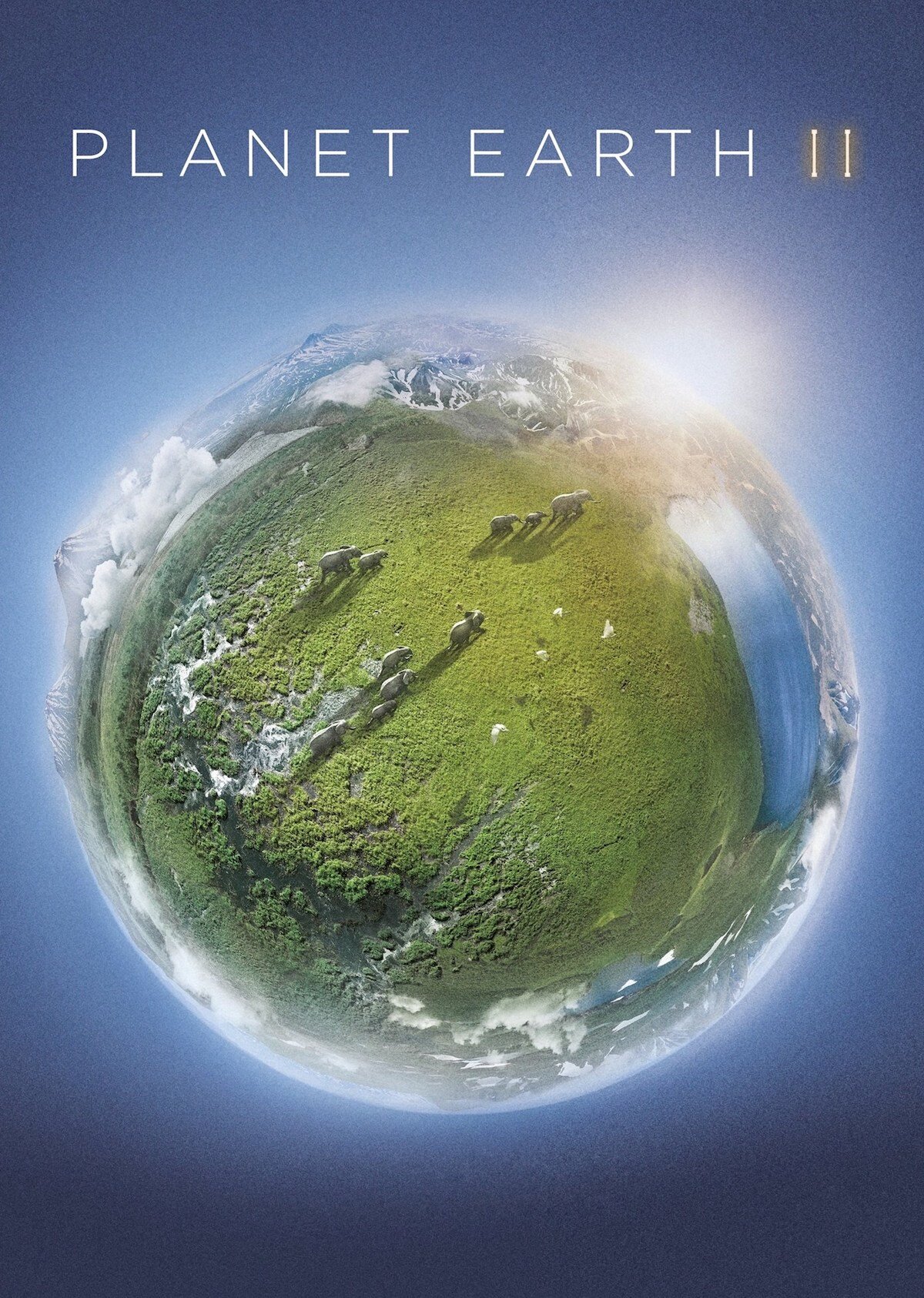
Planet Earth II2016
Shares the same visual philosophy: sweeping cinematography that lets landscapes and animal behaviour speak first, narration second. Focuses on how creatures survive in extreme environments across the globe.
But Each episode is a complete story; committing to the series requires patience for a slower observational pace that some find static.
Life2007
A companion piece in ambition and scope: nine hours tracking survival strategies across every habitat on Earth. The same meticulous patience with nature, the same sense of witnessing something forbidden.
But Television format means it's a genuine time commitment, and the breadth sometimes works against intimate focus on any single story.
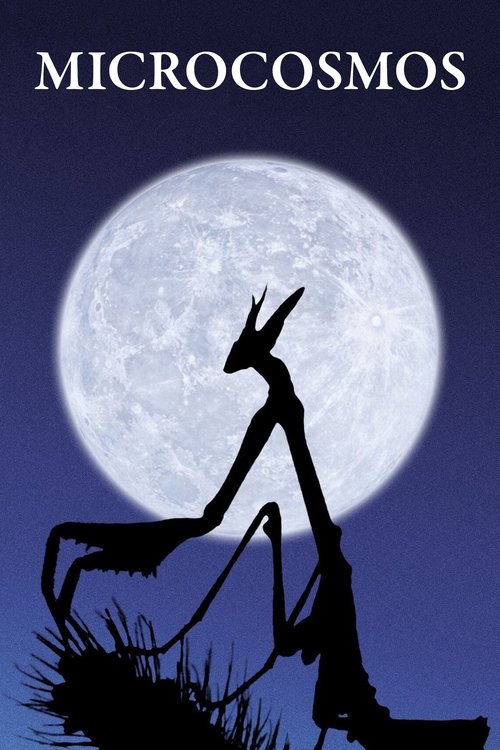
Microcosmos1996
Claude Moufflet's masterpiece of extreme close-up cinematography—insects in a meadow become an entire civilization. Like Flamingos, it finds profound drama in the ordinary, scaled to a different kingdom.
But The abstraction of scale and the minimal narrative can feel puzzling or underdeveloped if you're used to more conventional documentary structure.
Not sure tonight? Get a pick in a minute, starting from The Crimson Wing: Mystery of the Flamingos
The wildcard
Something you would not have found on your own.
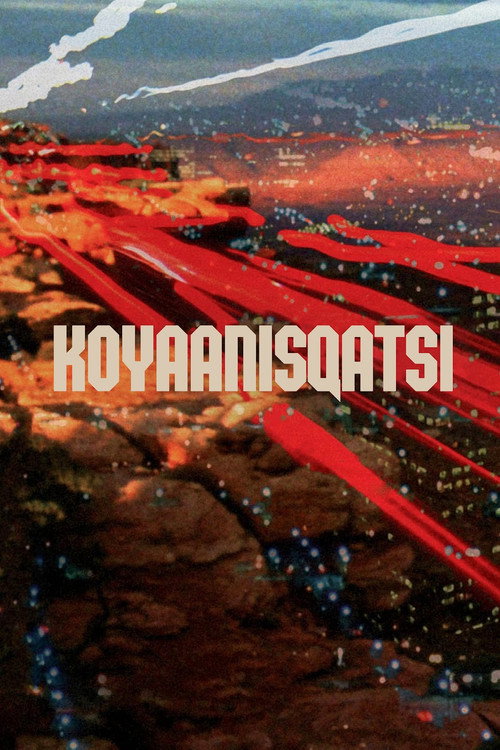
Koyaanisqatsi1983
Both films are non-narrative meditations on systems and cycles. Both use repetition and rhythm to make the ordinary feel monumental. Both ask you to sit quietly and watch something happen.
No plot, no narration, only images of natural and human systems in motion set to Philip Glass. Like Flamingos, it trusts you to find meaning in the rhythm and scale of what you're watching.
But Nearly forty years old, formally experimental, and deliberately hypnotic—it's closer to visual music than cinema. Patience isn't optional, it's the entire premise.
More like this (7)
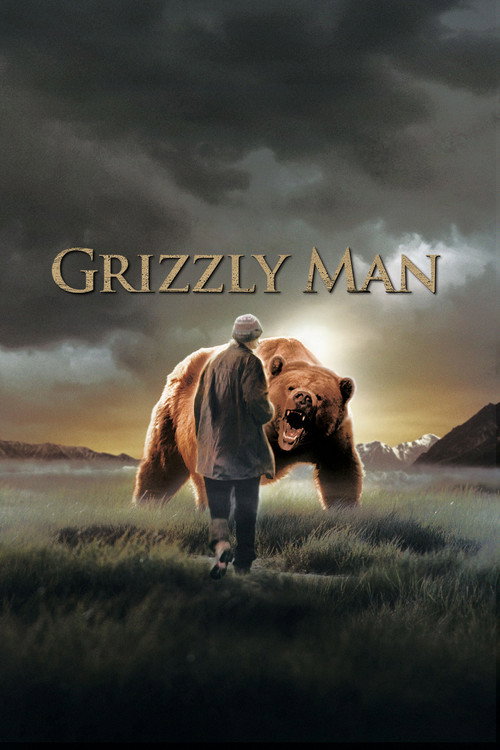
Grizzly Man2005
Werner Herzog's meditation on a man and bears, nature and obsession. It shares Flamingos' willingness to sit with a subject until something true emerges, though pointed in a very different emotional direction.
But This is a tragedy wearing a nature documentary mask; the mood is unsettling and the ending is not uplifting.
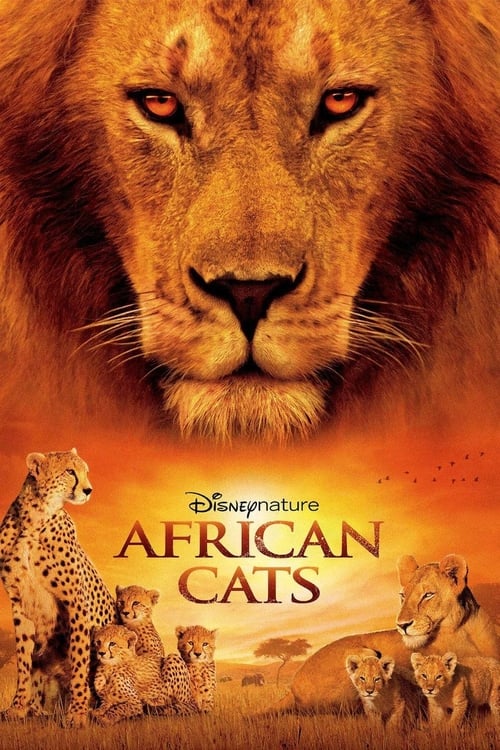
African Cats2011
Disney's take on the savanna with genuine stakes and real predation. Visually lush and dramatically structured without feeling manipulative, it captures ecosystem drama at scale.
But It leans harder into narrative and character than Flamingos does; some find the anthropomorphism and music choices saccharine.
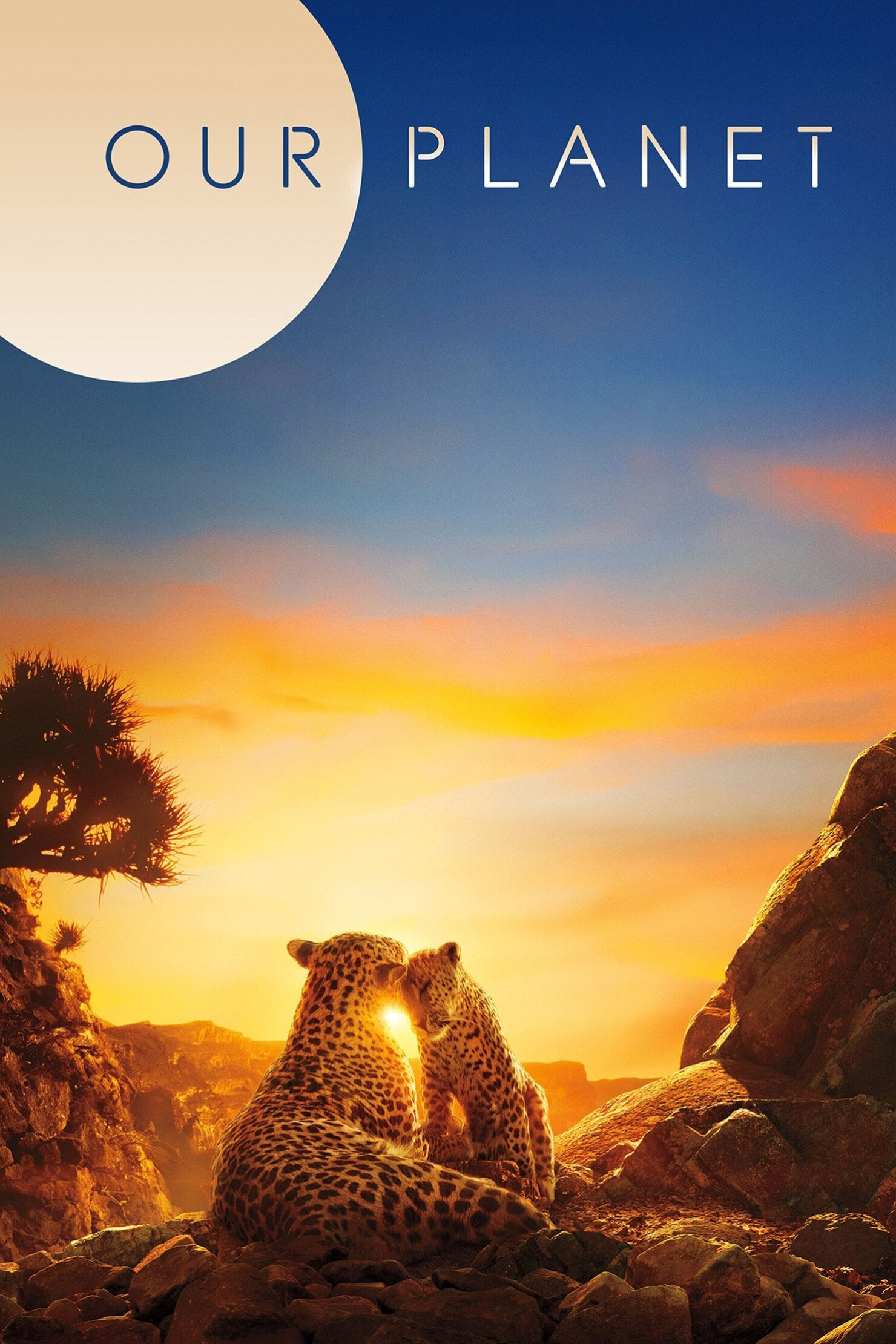
Our Planet2019
Netflix's planet-spanning look at biodiversity and climate. Combines Flamingos' visual generosity with contemporary urgency, asking what we're losing as we watch.
But The environmental message is explicit and sometimes heavy-handed; it's harder to sink into pure observation when you're being prompted to feel responsible.
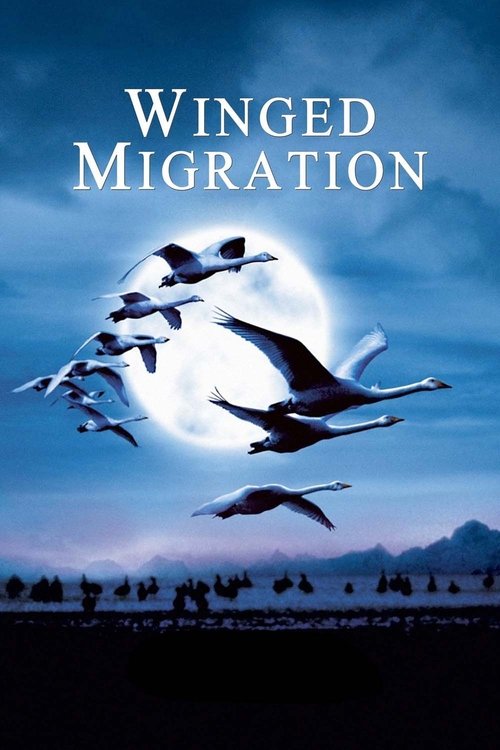
Winged Migration2001
A film about birds crossing continents, shot over four years with equipment that gets you inside the migration. The scale is epic but the feeling is intimate and almost spiritual.
But There is virtually no narrative structure; if you need plot or explanation, this will frustrate you rather than transport you.
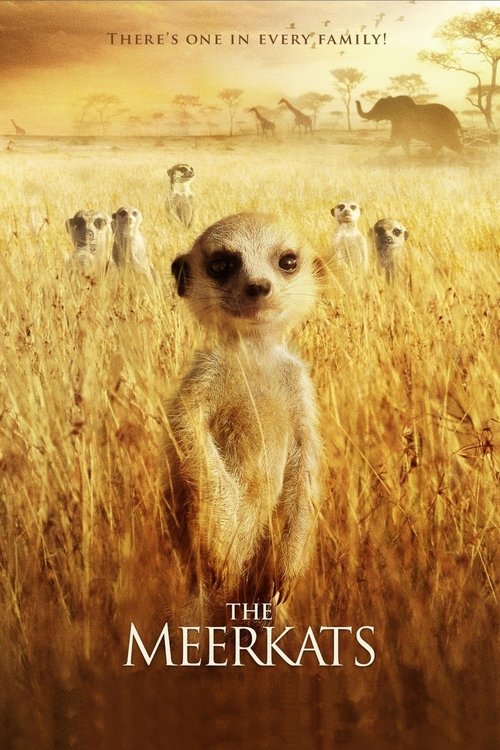
The Meerkats2008
A focused study of one family in the Kalahari across seasons. It shares Crimson Wing's willingness to let a small corner of the world become everything, though with more dramatic tension.
But Meerkat society isn't as visually striking as flamingos, and the documentary leans harder into conventional storytelling than pure observation.
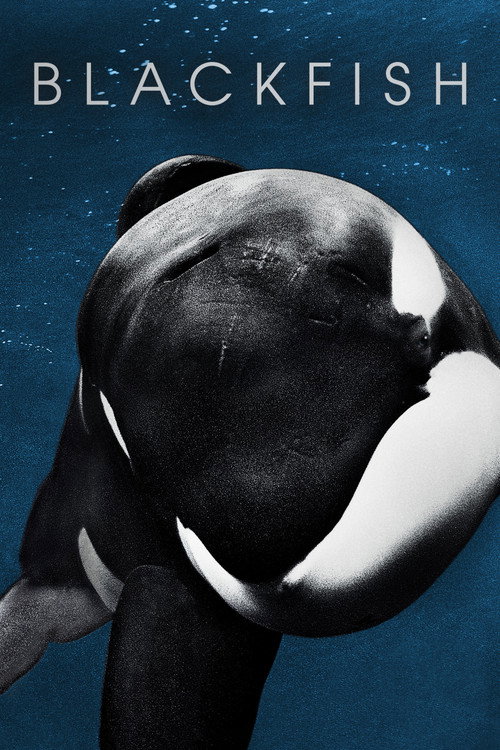
Blackfish2013
A nature documentary with a political spine—orcas in captivity become a meditation on what we do to animals we think we understand. Gorgeously made and genuinely important.
But It's an argument as much as an observation, and once you see the thesis, you're being guided rather than discovering; some find it didactic.
The Act of Killing2012
Both films are about what happens when you point a camera at the world and let it run. Both ask: what is the responsibility of the person behind the lens? Both trust the image over easy answers.
A documentary that reverses the usual approach: it asks perpetrators of genocide to reconstruct their crimes on film. It's about memory, performance, and the nature of documentary truth itself—radically different from nature film but equally about witnessing something true.
But It's disturbing and morally complex; the film doesn't resolve whether it's ethical to make, and that tension is the point. Demanding in a completely different register than Flamingos.

People
Cast
 Mariella FrostrupNarrator
 Zabou BreitmanNarrator (French version) (voice)
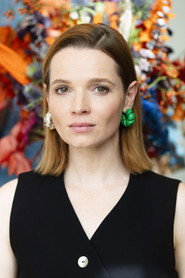 Karoline HerfurthNarrator (German version) (voice)
Directing
- Leander WardDirector
- Matthew AeberhardDirector
Writing
- Melanie FinnWriter
Production
- Stephen GarrettExecutive Producer
- Leander WardProducer
- Matthew AeberhardProducer
- Paul WebsterProducer