
Film
African Cats
African Cats is a gorgeously shot documentary following lions and cheetahs across the African savanna, narrated by Samuel L. Jackson and Patrick Stewart. It's a family film that treats its animal subjects with genuine dramatic weight—births, hunts, deaths, alliances—without sentiment. Perfect for anyone who wants the immersion of a nature documentary with the shape and stakes of a character-driven story.
Should you watch it?
Watch it if you love nature films that follow individual animals like characters, with patient cameras that let a lioness's quiet routine turn into real suspense and affection.
Skip it if you want a documentary that explains its science or digs into conservation politics, since this one stays close to the animals and mostly lets the footage speak for itself.
What it asks of you: It runs about ninety minutes and moves at the unhurried pace of wildlife watching, so you will need to settle in and accept long stretches of waiting before the action arrives.
Not sure? Find tonight's pick in a minute.
If you liked this
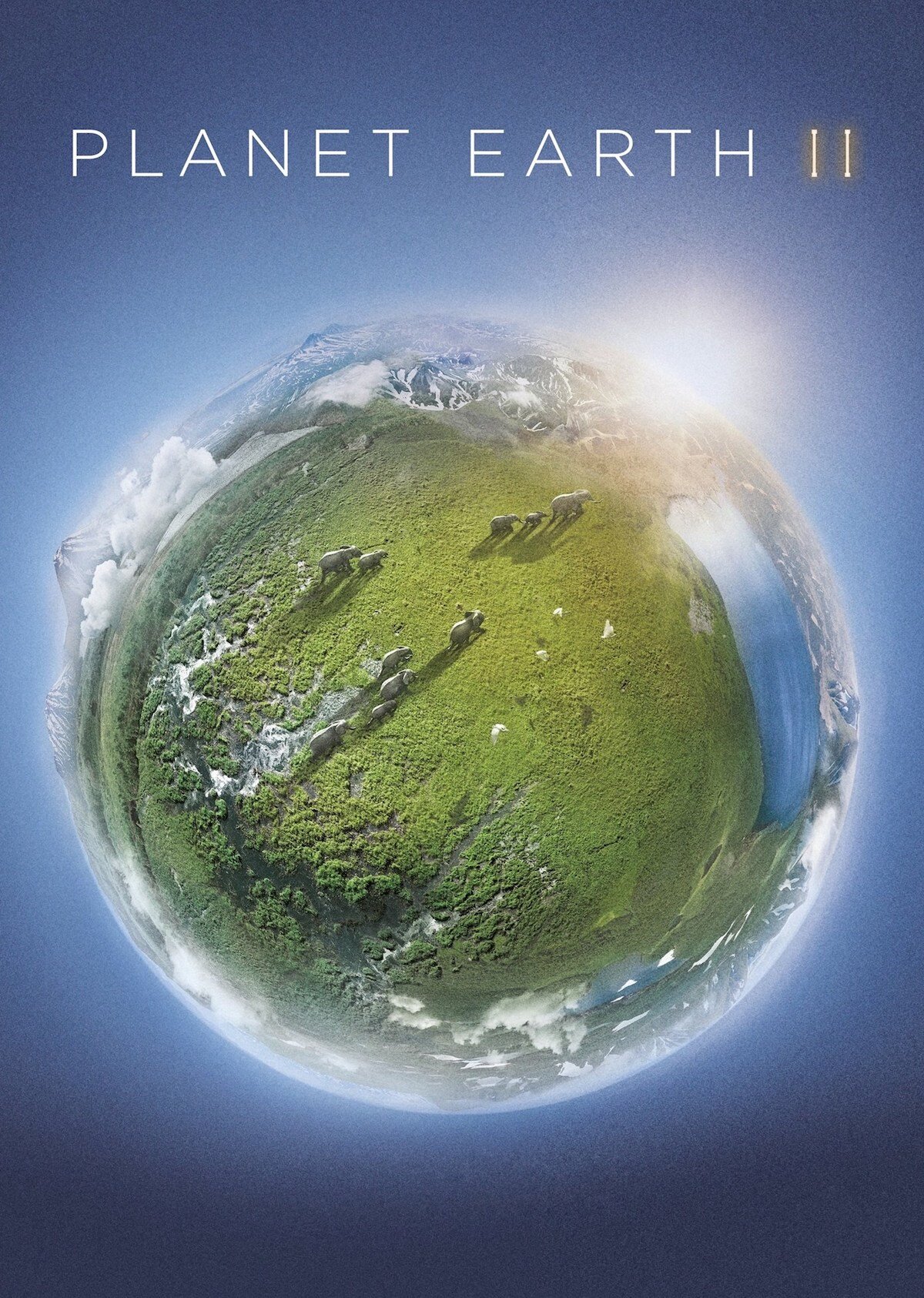
Planet Earth II2016
Cuts between species across globe-spanning habitats with the same cinematic language and narrative drive. Each episode builds toward moments of stunning survival and failure. Narration by David Attenborough that lets visuals lead.
But Six hours is a commitment. Some creatures are shown only briefly; if you come for the snow leopards, you might not find enough of them.
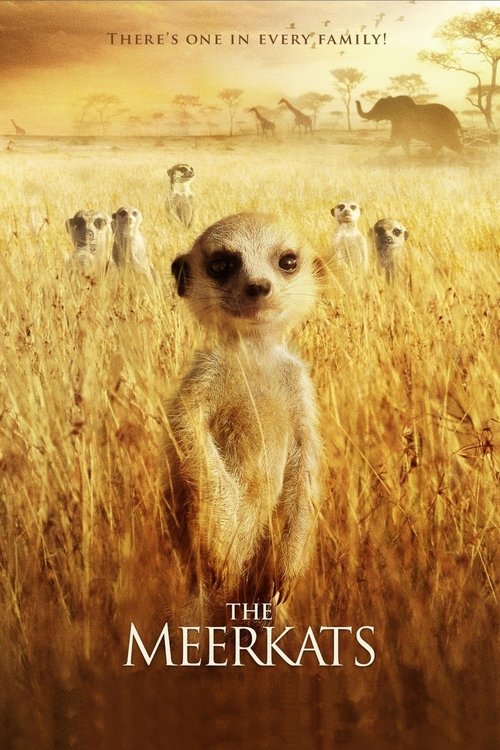
The Meerkats2008
Disney nature doc with the same lean, focused storytelling as African Cats. Follows one family through a single season on the Kalahari, building toward real jeopardy. Narrated by Bill Nighy with warmth and wit.
But Shorter and cozier in tone; less of the raw predator-prey tension. If you want visceral survival stakes, this tilts gentler.
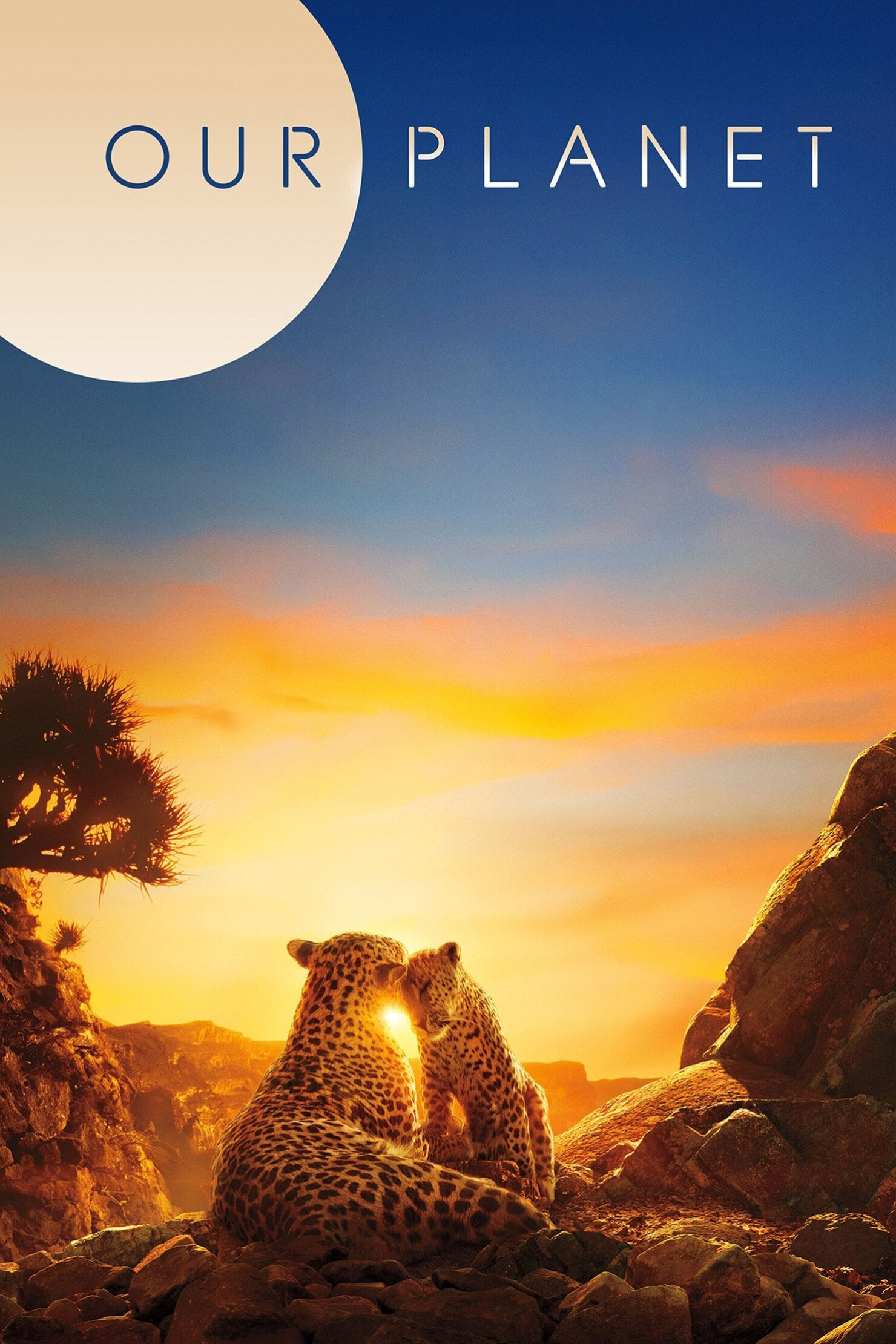
Our Planet2019
Sweeping environmental documentary with sequences as visually stunning and narratively gripping as anything in African Cats. Attenborough lends gravitas. Spans mammals, birds, marine life across every ecosystem.
But The climate crisis is woven throughout. If you want your nature doc uncomplicated by existential dread, this isn't it.
Not sure tonight? Get a pick in a minute, starting from African Cats
The wildcard
Something you would not have found on your own.
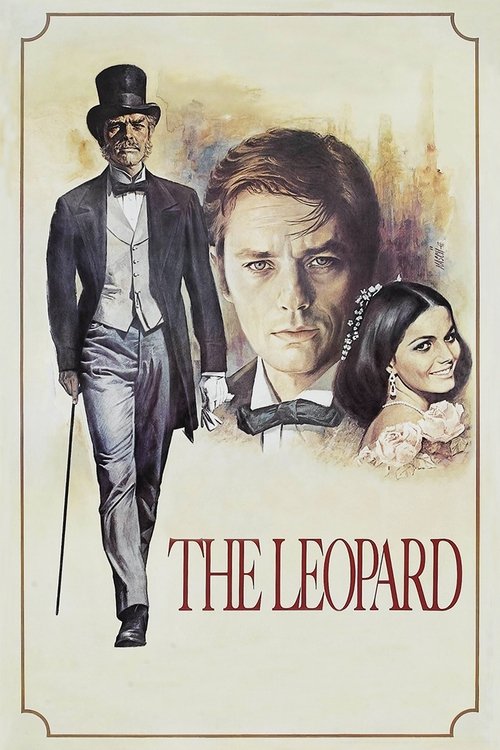
The Leopard1963
Both are elegies about power, succession, and the cost of maintaining position. Both treat their subjects—whether nobility or predators—with unflinching attention to what survival actually requires.
Visconti's masterpiece is about a Sicilian aristocrat watching his world crumble. Utterly different genre and era, but it shares African Cats' obsession with hierarchy, family survival, and individuals trapped within systems they cannot change. Stunning cinematography that makes landscape and social order inseparable.
But It's a 205-minute Italian drama in black and white with philosophical speeches. If you want straightforward narrative momentum, this is the opposite. Some viewers find it glacial.
More like this (6)
Life2007
BBC series with narration by David Attenborough that zooms into individual creatures and species in extraordinary detail. More meditative than African Cats but equally stunning. Ten episodes, each examining a different survival strategy.
But Slower pacing. There's no overarching story pulling you forward, just exquisite moments. Some find that contemplative, others find it draggy.

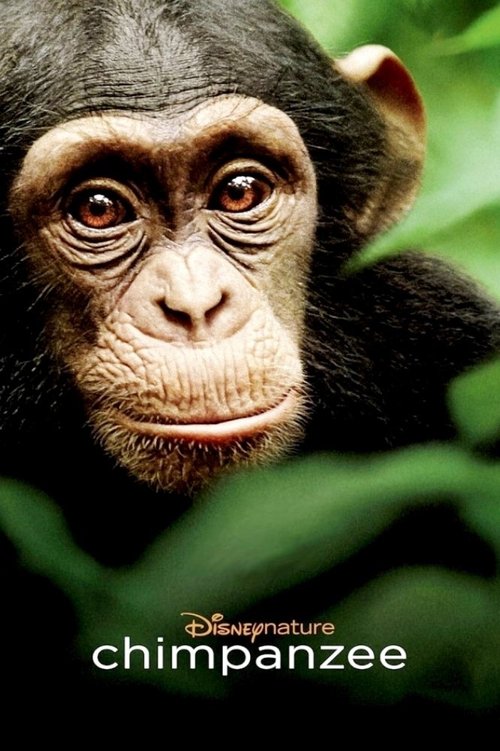
Chimpanzee2012
Another Disney nature doc about a young chimp learning to survive and lead, with the same tight focus and character-driven arc. Narrated by Tim Roth as the chimp's 'father.' Warm without being saccharine.
But The emotional beats can feel manipulated. If you prefer your docs to let you draw conclusions yourself, the narration does a lot of work for you.
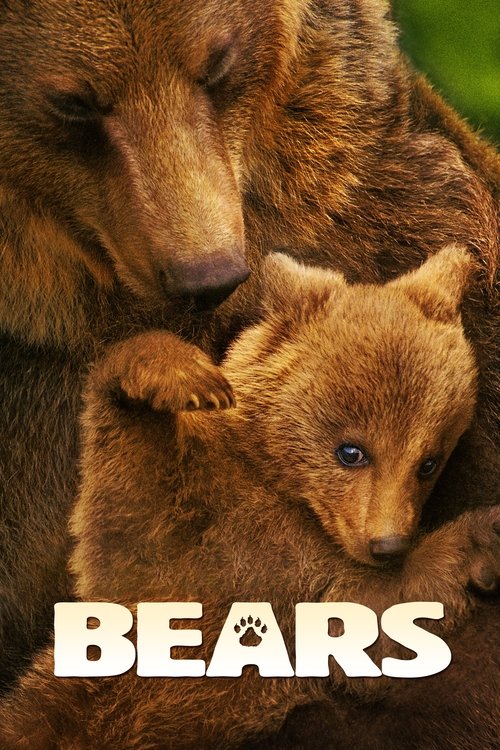
Bears2014
Follows a bear family through a year in Alaska with African Cats' formula: intimate animal photography, character arcs, real stakes. Narrated by John C. Reilly. 80 minutes of pure immersion.
But The scale is smaller and the landscape less varied. If you came for African diversity, single-ecosystem focus might feel narrow.
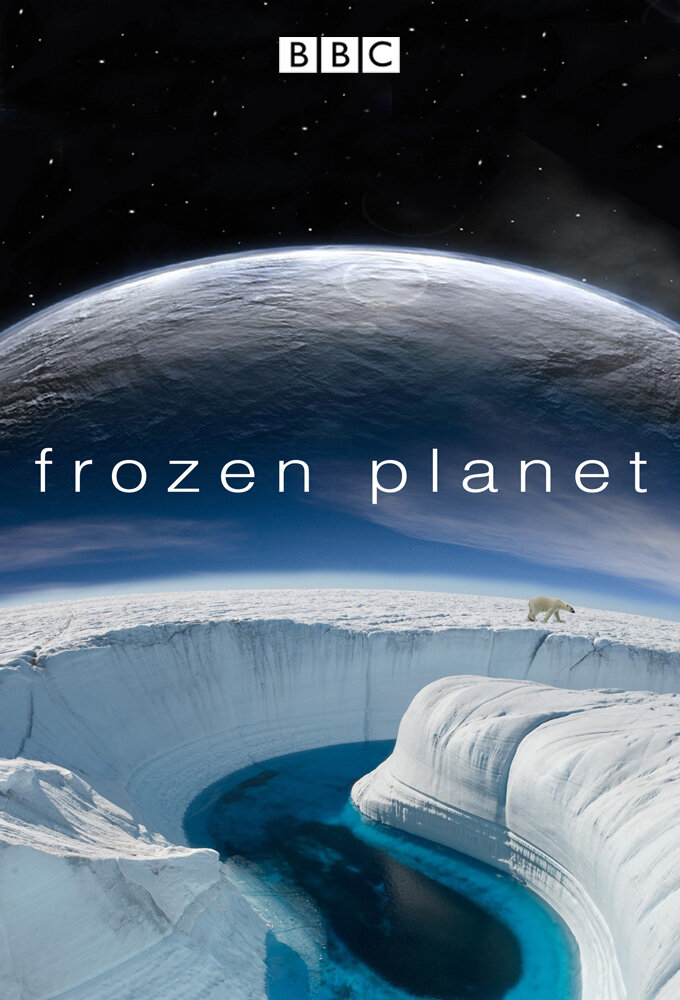
Frozen Planet2011
Same year as African Cats but takes you to polar regions. Attenborough narrates. The creatures are less charismatic than cats, but the survival challenges are extraordinary. Seven episodes of pristine, harsh beauty.
But Arctic foxes and seals are harder to root for. The landscape, while stunning, can feel monotonous compared to the savanna's visual variety.
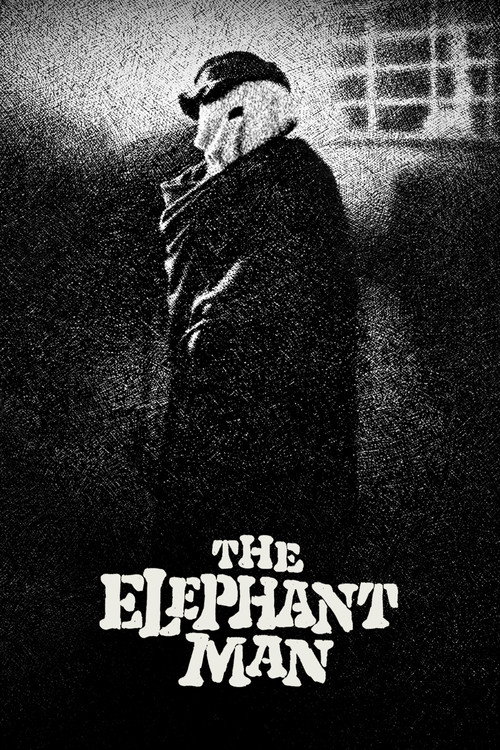
The Elephant Man1980
Follows an elephant herd across the African landscape in search of water during a drought. Uses the same cinematic grammar as African Cats but centers on multigenerational family bonds and loss. Narrated by Meghan Markle.
But The drought creates a relentless tone of danger. It's less playful than African Cats, heavier in its emotional weight. Some find that tiresome over 90 minutes.
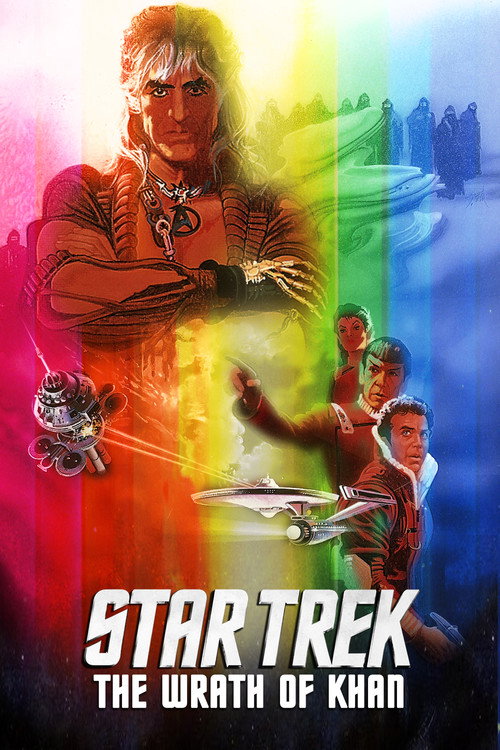
Star Trek II: The Wrath of Khan1982
Both center on the burden of aging leadership, the challenge from younger rivals, and the calculation of survival in a social hierarchy. Khan is Shakespeare played by lions. African Cats is Shakespeare played by lions. They speak the same language about power.
Seems irrelevant until you realize it and African Cats are both about rival predators, generational conflict, pride, and the moment when an aging leader must face obsolescence. Khan and Sita operate from the same logic: dominance or death. Spectacularly scored, propulsive, operatic.
But It's a 1982 Star Trek film with ridiculous hair and earnest space-naval dialogue. The grandiosity is a barrier for anyone who wants realism. Genre affection is required.
People
Cast
 Samuel L. JacksonNarrator (voice)
 Patrick StewartNarrator (voice)
Directing
- Alastair FothergillDirector
- Keith ScholeyDirector
Writing
- John TrubyScreenplay
- Keith ScholeyScreenplay
Production
- Alex TidmarshProducer
- Keith ScholeyProducer
Recommended by
Earth, Chimpanzee, The Crimson Wing: Mystery of the Flamingos, Penguins, Human Planet, Duma, Big Cat Diary, Serengeti, Serengeti Shall Not Die, The African Lion, Africa: Earth's Wild Home, The Meerkats, Bears, The Legend of Pale Male, The Zoo, The Reserve, White Wilderness