Television series
The Reserve
A documentary series following Balule, a South African private reserve locked in a desperate fight to protect its rhino population from poaching. It's intimate and urgent—you're watching real people risk their lives for conservation, not distant nature footage. For anyone who loves wildlife stories with stakes, activism, and the human cost of preservation.
Should you watch it?
Watch it if you like nature documentaries that follow people doing hard, practical work on the ground, where the drama comes from logistics, weather and stubborn persistence rather than narration pushing you toward tears.
Skip it if you want a fast, tightly edited wildlife spectacle; this one takes its time with conservation routines, and its emotional stakes build slowly across four fairly long episodes.
What it asks of you: Four episodes of roughly an hour in total, so settle in for an unhurried watch that rewards patience more than quick cuts or constant animal action.
Not sure? Find tonight's pick in a minute.
If you liked this
Planet Earth II2016
Stunning cinematography of animals in their habitats, but with storytelling that emphasizes survival and adaptation. Shows why these species matter before desperation sets in.
But Pure nature spectacle can feel detached from the urgency that drives The Reserve's narrative momentum.
Our Planet2019
Combines jaw-dropping wildlife footage with explicit focus on human impact and climate crisis. Emotionally direct about what we're losing and why it matters right now.
But Heavy environmental messaging throughout; less intimate character study than observational crisis doc.
The Ivory Game2016
Documentary about undercover agents battling the ivory trade in real time. Same kind of on-the-ground conservation warfare, same moral clarity, genuine tension.
But Focuses on poaching networks rather than reserve operations; different angle on the same conflict.
Not sure tonight? Get a pick in a minute, starting from The Reserve
The wildcard
Something you would not have found on your own.
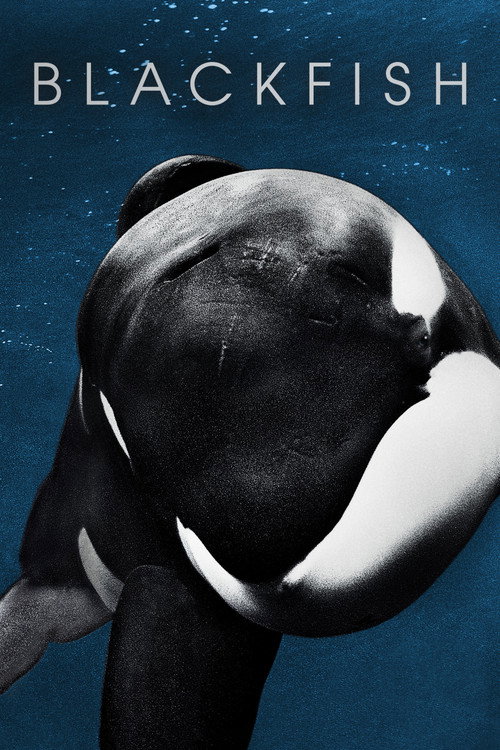
Blackfish2013
Both examine whether humans can truly protect wild animals, and both follow dedicated people wrestling with that question in real time. Both ask: what does it cost?
Documentary about captive orcas and the ethics of containment. Investigative, propulsive, asks hard questions about whether reserves—even well-intentioned ones—truly serve conservation or control.
But Marine animals, not land wildlife; also becomes a critique of the reserve model itself rather than celebration of it.
More like this (8)
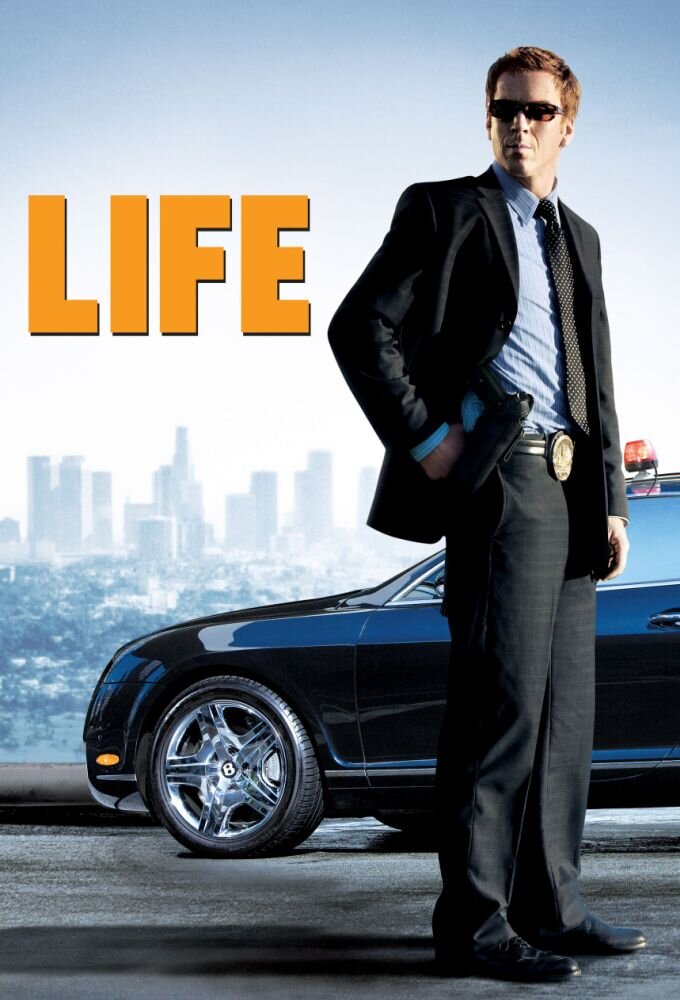
Life2007
BBC series about animal survival strategies and adaptation. Beautiful, authoritative natural history that deepens your appreciation for what reserves like Balule are protecting.
But Contemplative and broad rather than urgent and focused on a single battle.
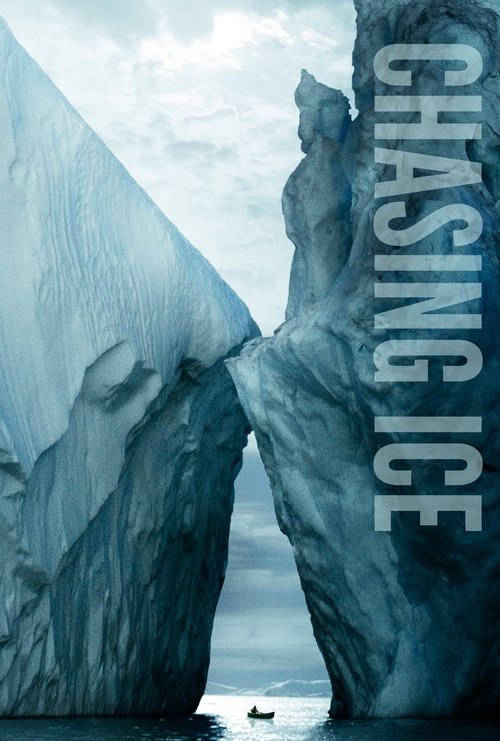
Chasing Ice2012
Photographer documents climate change with visual obsession and personal stakes. Same driven intensity, same 'witnessing disaster unfold' energy as Balule's rangers.
But About glaciers, not wildlife; slower paced and more meditative than action-driven conservation work.
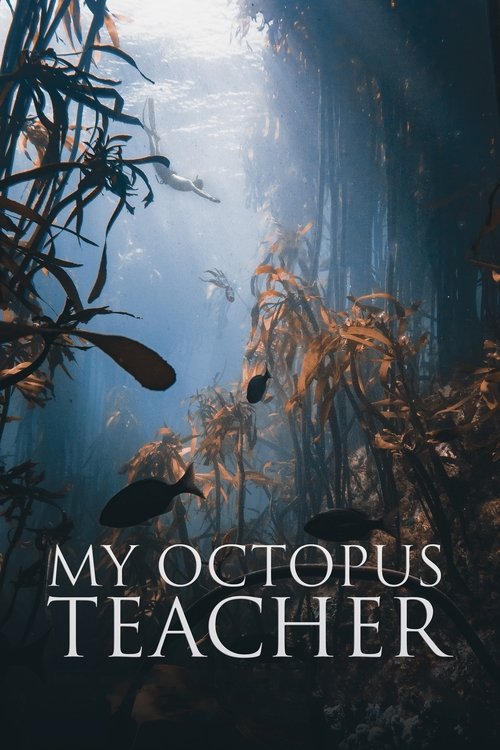
My Octopus Teacher2020
A filmmaker builds relationship with a wild creature over a year. Intimate, patient, reveals how personal connection fuels conservation passion—core to why rangers risk everything.
But Quiet and introspective; lacks the conflict and high stakes of anti-poaching operations.
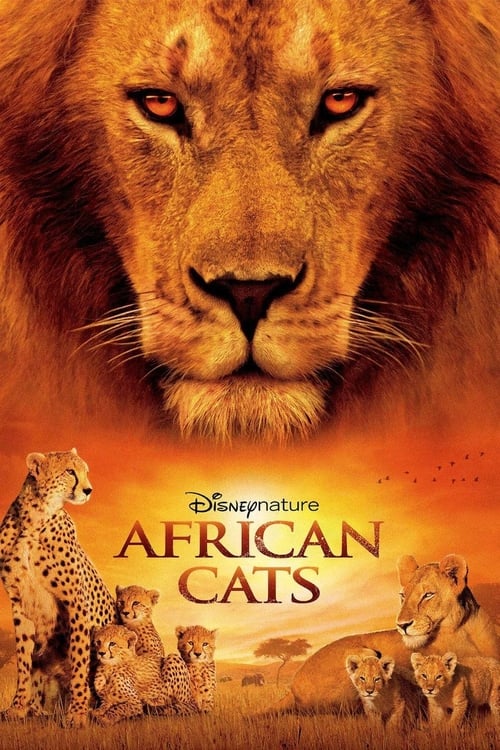
African Cats2011
Follows lion and leopard families across an African reserve; shows predator-prey dynamics and territorial struggle. Closer to Balule's landscape and the fragility of wildlife there.
But Disney-style narration and family drama; less focused on human intervention and threat.
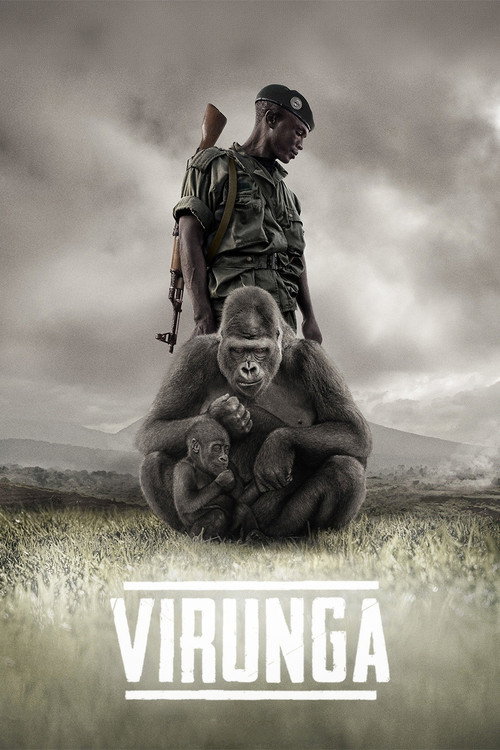
Virunga2014
Rangers in a Congo national park defend gorillas against militia and poachers. Raw, dangerous conservation work with genuine personal stakes and moral complexity.
But Darker and more politically tangled; less about a single reserve's strategy and more about chaos.
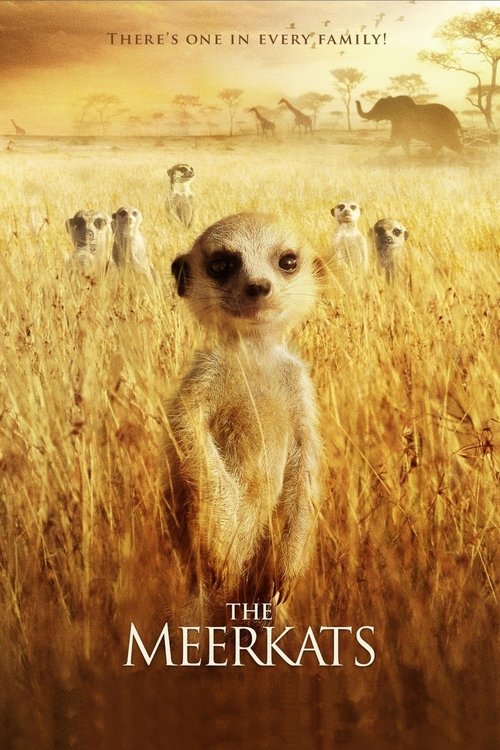
The Meerkats2008
Small-scale wildlife documentary following one family's survival in the Kalahari. Intimate scope and character-driven storytelling show how reserves think about individual animals.
But Very gentle; almost no human presence or active intervention; won't scratch the urgency itch.
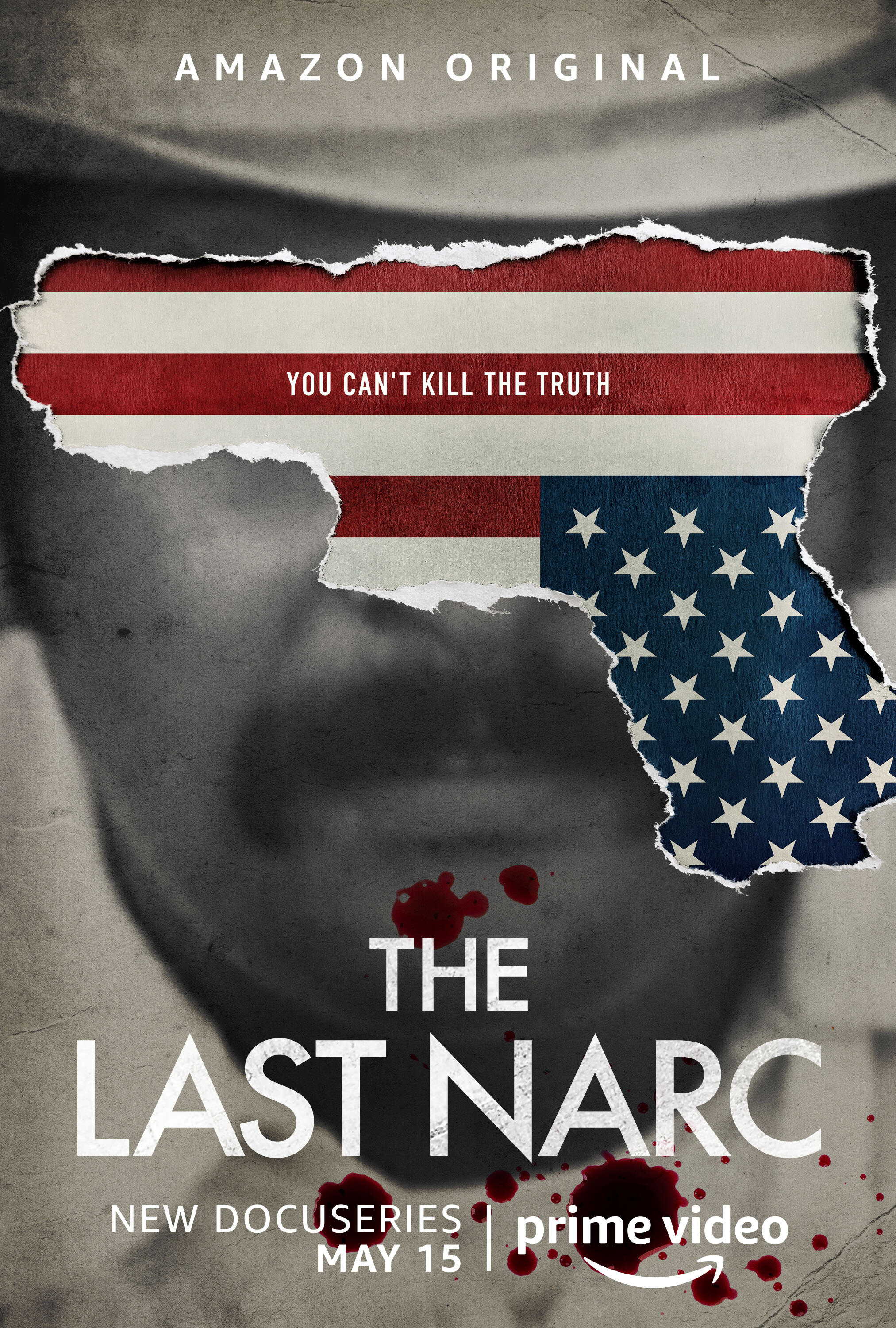
The Last Narc2020
Both are contemporary documentaries about ordinary people in extraordinary danger, doing unglamorous, relentless work against a criminal enterprise. Same rhythm of surveillance, near-misses, and personal toll.
Documentary series about an undercover DEA agent investigating cartels. Same genre as Balule—embedded in dangerous fieldwork, following individuals risking their lives for a cause.
But War on drugs, not wildlife; much darker moral territory; may feel tonally removed from nature doc expectations.
The Biggest Little Farm2019
Both documents people radically reorganizing land and wildlife management through obsessive daily work. Both argue for a different relationship with nature than extraction or pure preservation—something more reciprocal and lived-in.
Couple builds a regenerative farm from wasteland, learning ecological systems the hard way. Long-form observation of humans learning to live with, not against, nature. Peaceful alternative to combat-framing.
But Californian, optimistic, almost meditative; zero conflict or urgency; won't satisfy if you're seeking the adrenaline of The Reserve's anti-poaching ops.