
Film
Virunga
Virunga follows the rangers and journalists defending Africa's oldest national park and its last mountain gorillas against armed militias, corrupt officials, and oil interests in the Democratic Republic of Congo. It's urgent and intimate—a thriller about conservation that never loses sight of the people and animals at its heart. For anyone who wants to understand how environmental destruction and geopolitical chaos intersect, and what resistance actually looks like.
Should you watch it?
Watch it if you want a documentary that works like a thriller, where rangers, reporters and a fragile gorilla population share the same ticking clock and every frame carries real stakes.
Skip it if you come to documentaries for quiet observation; this one leans into urgency, hidden cameras and an activist's pulse, so the tension rarely lets up for long.
What it asks of you: Around a hundred minutes of close attention to danger and politics, with sharp shifts from tender animal moments to grim, unvarnished footage that stays with you.
Not sure? Find tonight's pick in a minute.
If you liked this
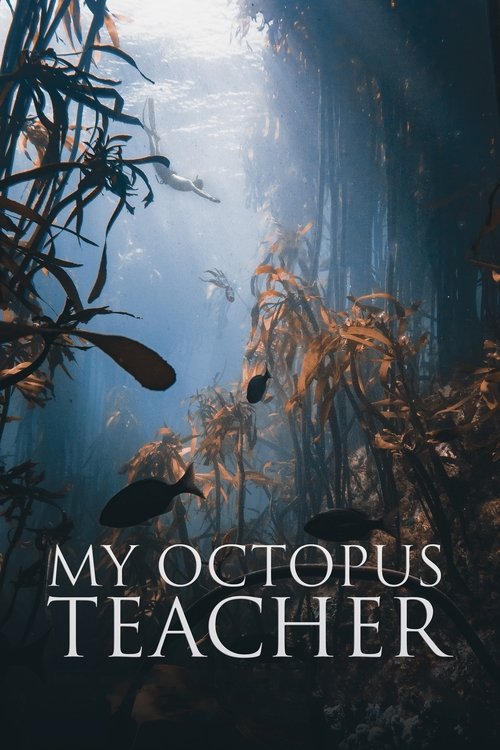
My Octopus Teacher2020
A filmmaker forms a profound bond with an octopus while documenting a year in a South African kelp forest. Like Virunga, it finds deep humanity in observing wild creatures under pressure, combining scientific wonder with quiet emotional power.
But The pace is meditative and slow. If you want action or conflict, this gentle, almost spiritual approach might feel too soft.
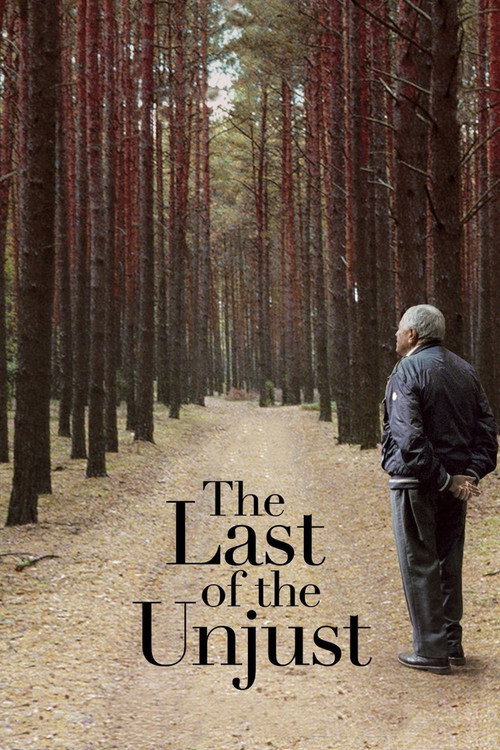
The Last of the Unjust2013
Claude Lanzmann's four-hour interview with a Nazi ghetto elder unfolds like detective work, uncovering complicity and moral compromise in impossible circumstances. Both films ask what courage means when systems are stacked against you.
But Extremely long, dialogue-heavy, and ethically claustrophobic. Not a film that releases you easily.
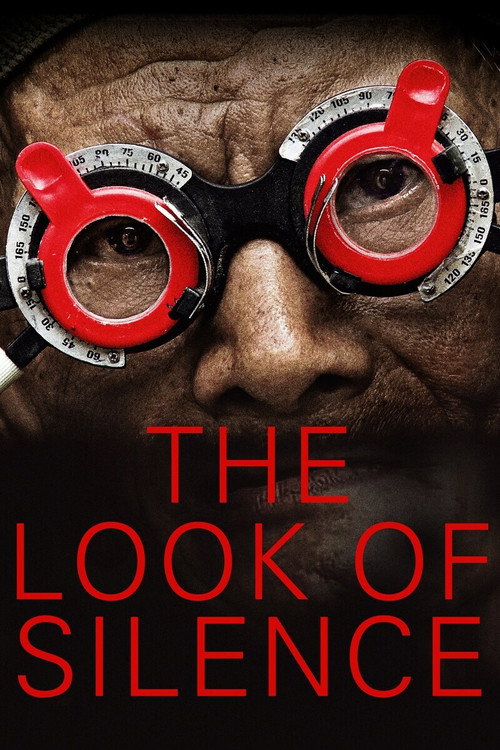
The Look of Silence2014
Joshua Oppenheimer's companion to The Act of Killing turns the camera on survivors of Indonesian genocide, asking perpetrators direct questions about their crimes. Like Virunga, it documents both atrocity and the moral weight of bearing witness.
But Painfully slow and confrontational. Watching people evade accountability for mass murder is deliberately uncomfortable.
Not sure tonight? Get a pick in a minute, starting from Virunga
The wildcard
Something you would not have found on your own.
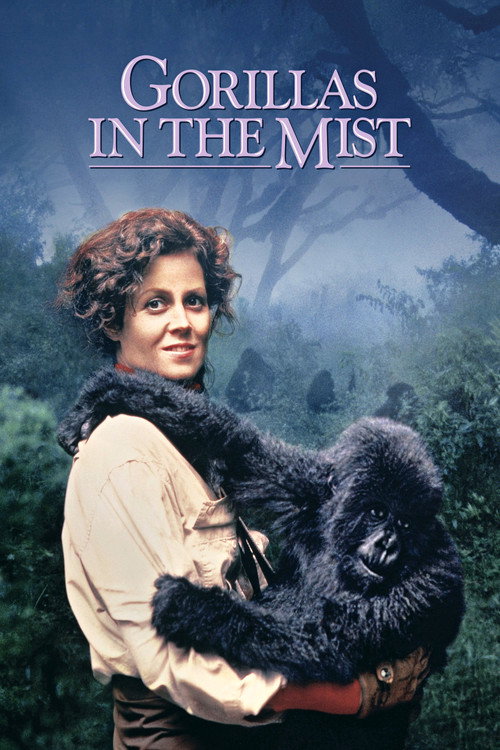
Gorillas in the Mist1988
Both centre on individuals willing to die to protect African gorillas from human exploitation. Both are set in the same region and wrestle with the same moral weight, but one is lived reality and one is cinematic myth.
Sigourney Weaver as primatologist Dian Fossey, murdered for her conservation work in Rwanda. Where Virunga is urgent journalism, this is a character-driven drama about the personal cost of fighting for what you believe in. Same war, different approach—one shows you the moment, one shows you the lifetime.
But A studio drama from the 1980s, so it feels theatrical and sometimes saccharine compared to Virunga's raw documentary footage. Fosse's story is also complicated by allegations she was less noble than the film suggests.
More like this (7)
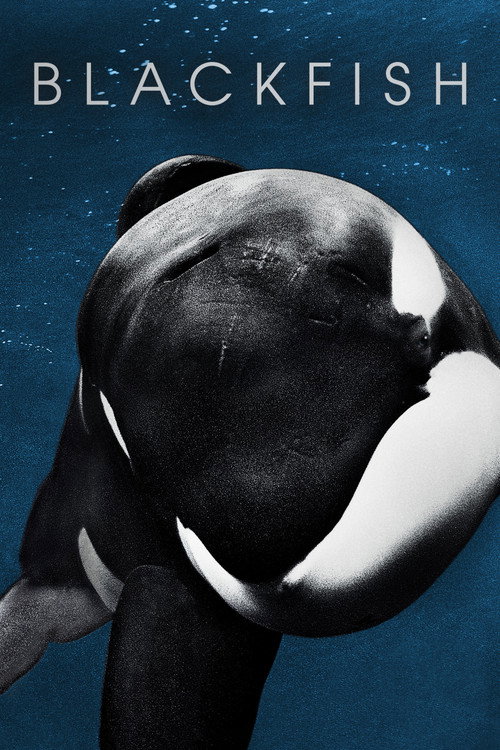
Blackfish2013
An investigation into SeaWorld's treatment of captive orcas that escalates into a thriller about corporate concealment and animal suffering. It has Virunga's momentum—the slow revelation of a system protecting itself over truth.
But Feels somewhat dated now, and the narrative can be blunt. Some see it as polemical rather than balanced.
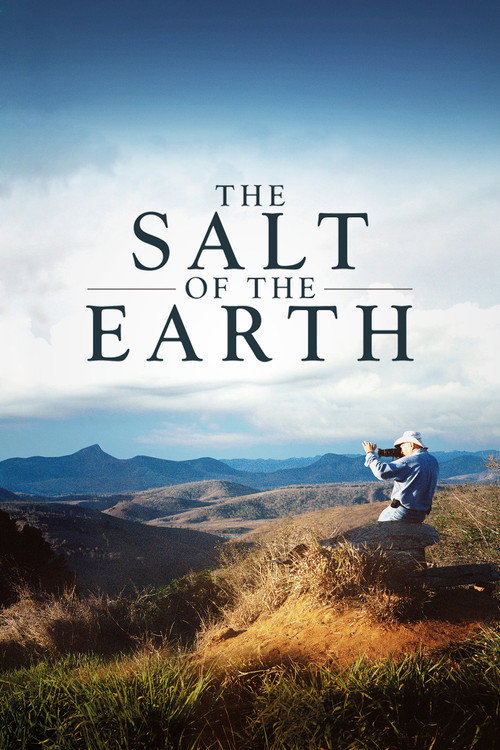
The Salt of the Earth2014
Wim Wenders documents photographer Sebastião Salgado's decades capturing human suffering and environmental collapse across the globe. Meditative and vast, it shares Virunga's rage at injustice tempered by faith in human resilience.
But Three and a half hours of stunning but often harrowing images. The pacing prioritizes beauty over narrative momentum.
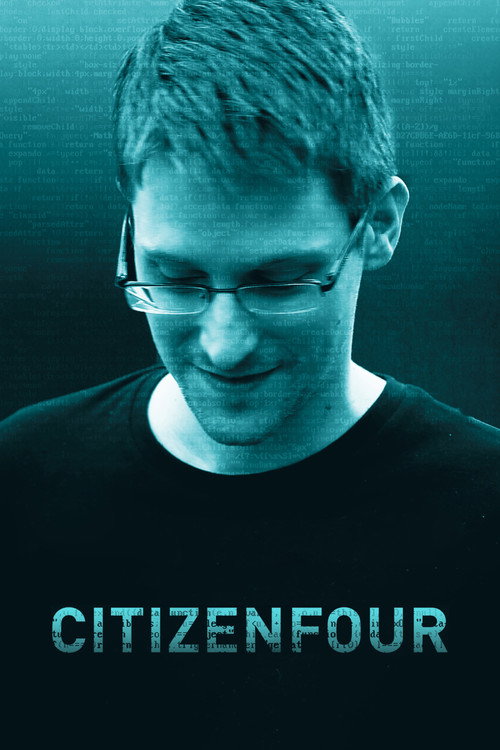
Citizenfour2014
Laura Poitras's real-time documentary about Edward Snowden's NSA revelations has Virunga's urgency and moral clarity—ordinary people risking everything to expose institutional corruption that no one can afford to ignore.
But Heavy on technical detail and geopolitical abstraction. If you want tangible stakes, this operates at the level of systems rather than faces.
The Act of Killing2012
Oppenheimer asks Indonesian death-squad leaders to reenact their mass murders, creating a surreal, horrifying portrait of conscience (or its absence). Boldly original and morally urgent, like Virunga it refuses easy answers.
But Extremely disturbing and formally challenging. The reenactments blur documentary and performance in ways some find manipulative or unbearable.

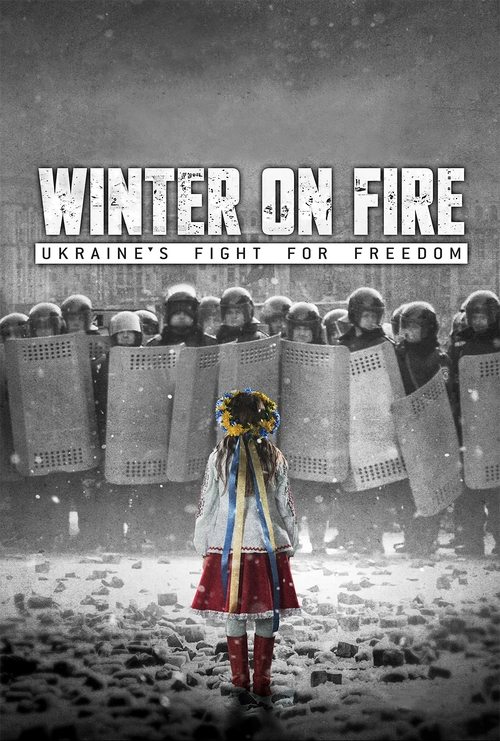
Winter on Fire: Ukraine's Fight for Freedom2015
Evgeny Afineevsky captures the 2013-14 Euromaidan uprising with visceral, real-time footage. It shares Virunga's portrait of ordinary people defying state violence, though with more explicit revolutionary fervor.
But Strongly pro-protest in its framing. If you prefer documentaries that maintain strict neutrality, this wears its sympathies openly.
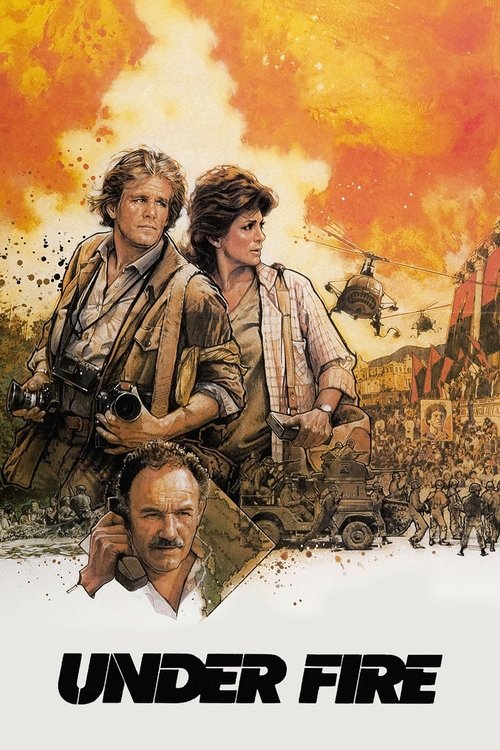
Under Fire1983
War photographers document the Nicaraguan revolution, torn between journalistic duty and moral complicity. An older, grittier take on what it means to witness atrocity and whether bearing witness changes anything.
But Made in 1983, it can feel dated. The geopolitics require some historical scaffolding to fully land.
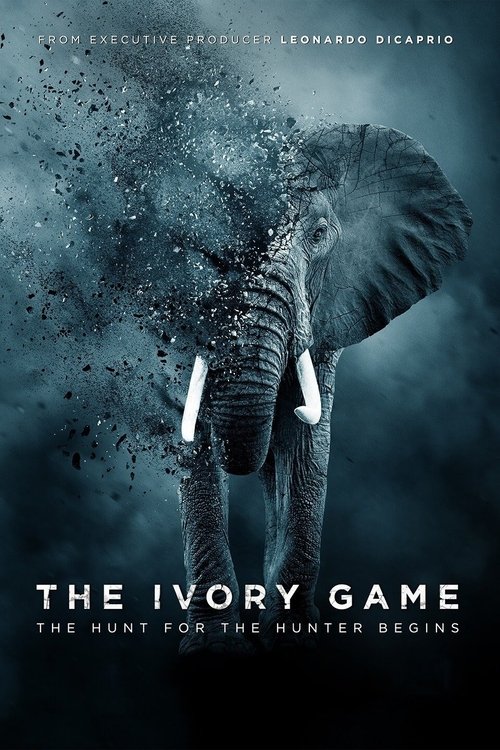
The Ivory Game2016
Both are intimate environmental thrillers about African megafauna facing extinction from poaching and corruption. Both profile rangers and journalists as heroes. Both show how organized crime and state failure weaponize wildlife loss. They're almost companion pieces.
Richard Ladkani and Keith Scholey's doc follows rangers, poachers, traffickers, and conservationists in the African elephant crisis. It mirrors Virunga's structure—ground-level heroes against industrial-scale destruction—but scales the conflict differently: ivory vs. oil, elephants vs. gorillas, across multiple nations.
But Slightly more conventional in structure and pacing than Virunga. Some find it less emotionally intimate because it pulls back to show the supply chain rather than staying close to the rangers.
People
Cast
Directing
- Orlando von EinsiedelDirector
Writing
- Orlando von EinsiedelWriter
Production
- Leonardo DiCaprioExecutive Producer
- Joanna NatasegaraProducer
- Orlando von EinsiedelProducer
Recommended by
Blackfish, The Cove, Seaspiracy, Racing Extinction, The Territory, Nuclear Nation, Chasing Coral, The Ivory Game, Jane, Nénette, The End of the Line, Gorillas in the Mist, Africa: Earth's Wild Home, Waterlife, La Longue Marche, Darwin's Nightmare, Sea of Shadows, The Reserve, The Last Place on Earth, Spark: A Burning Man Story