
Film
The End of the Line
- Horror
- Very dark
A urgent documentary about industrial fishing's devastation of global marine ecosystems. Following bluefin tuna from spawning grounds to sushi restaurants, it traces how relentless demand is collapsing fish populations and triggering ecological cascades—jellyfish blooms, starving seabirds, the prospect of fishless oceans. Grounded, angry, essential viewing for anyone who eats fish or inhabits the planet.
Should you watch it?
Watch it if you want a documentary that builds its case step by step, with hard numbers and interviews, and you are willing to let an argument about what ends up on your plate unsettle you.
Skip it if you want a lively, character-driven film; this one is essentially a sustained argument, with long stretches of talking heads and charts that can feel repetitive.
What it asks of you: At 86 minutes it runs briskly, but it stays grave throughout, cutting between expert interviews, archive footage and ocean imagery with little room for lightness.
Not sure? Find tonight's pick in a minute.
If you liked this
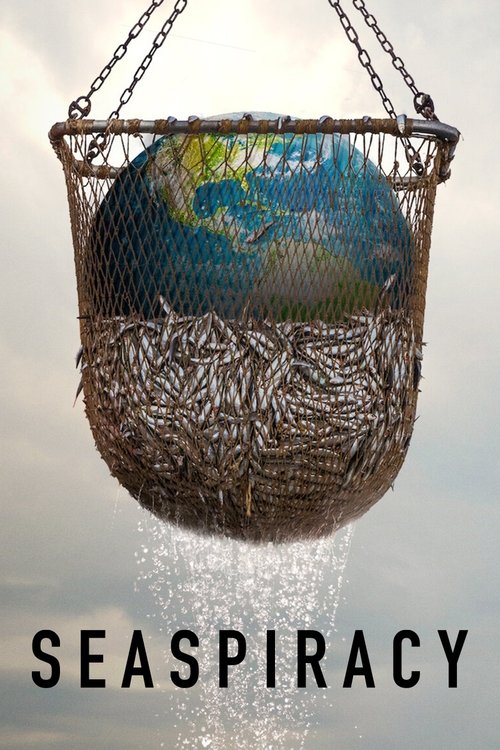
Seaspiracy2021
A more recent, visually stunning companion piece that expands the argument beyond tuna to the entire fishing industry, with even more damning evidence of how fishing practices destroy ocean ecosystems and coastal communities alike.
But Moves toward veganism advocacy in ways that feel preachy; some of its statistics have been challenged by marine biologists, which undermines its authority.
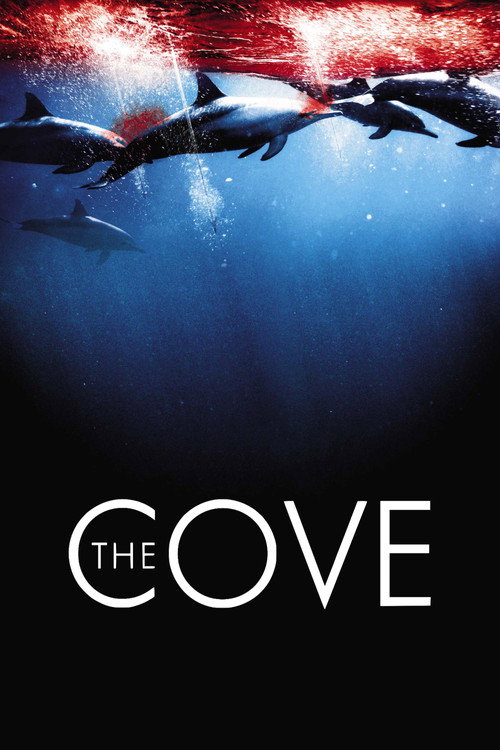
The Cove2009
Investigates dolphin hunting in Japan with the urgency and moral clarity of a thriller, combining documentary evidence with undercover cinematography. Infuriating and moving in equal measure.
But The cultural politics are blunt and the film doesn't deeply explore why these practices persist economically or culturally—it's more outrage than understanding.
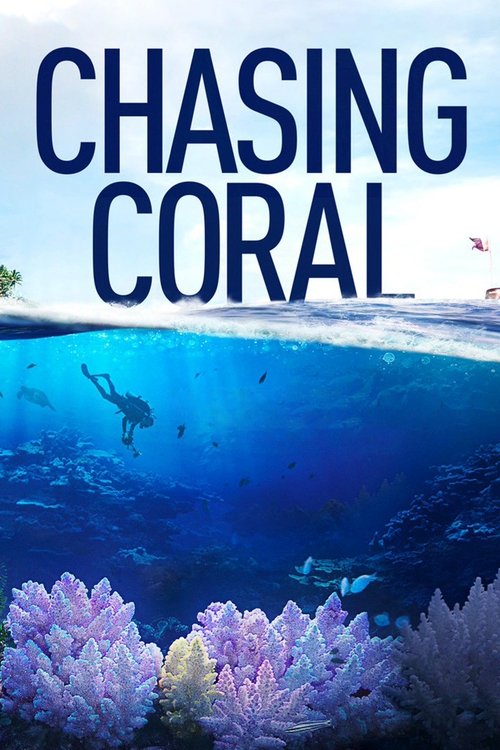
Chasing Coral2017
Beautiful, technically inventive documentation of coral bleaching in real time. Less about blame, more about loss—watching ecosystems die on screen is genuinely heartbreaking.
But Gorgeous cinematography can feel at odds with the horror of what you're watching, creating an oddly passive emotional tone for such urgent subject matter.
Not sure tonight? Get a pick in a minute, starting from The End of the Line
The wildcard
Something you would not have found on your own.
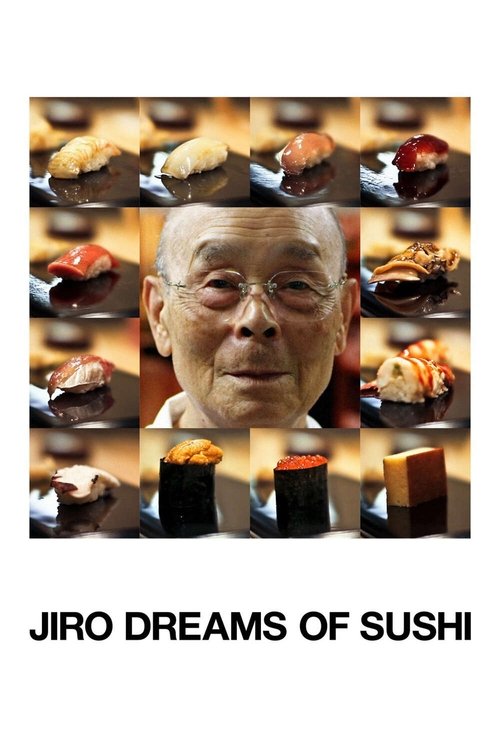
Jiro Dreams of Sushi2011
Both films examine bluefin tuna through opposite lenses: The End of the Line asks who dies so we can eat it; Jiro celebrates the discipline of preparing it. Together they illuminate the gulf between reverence and destruction.
A meditative portrait of an aging sushi master and his obsessive quest for perfection. It's a love letter to craft and mastery that forces you to confront what you're actually eating when you order bluefin—and who pays the price for perfectionism.
But Slow, contemplative, and almost elegiac—some will find it precious or self-indulgent, especially if you're expecting a food-industry exposé.
More like this (8)
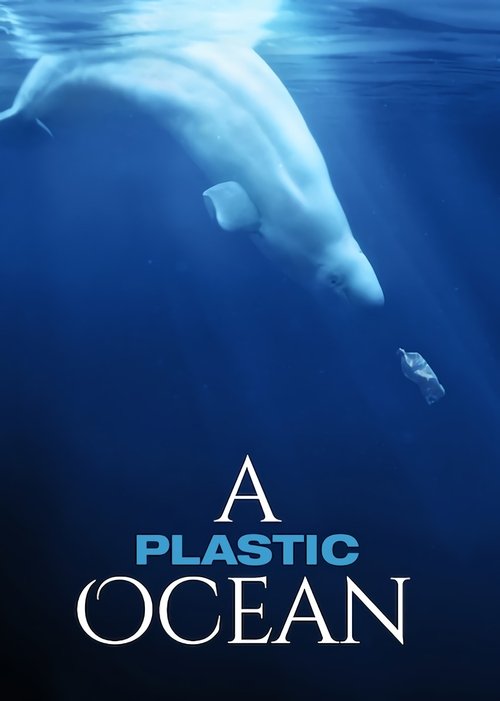
A Plastic Ocean2016
Follows a sailor documenting plastic pollution across the world's oceans, connecting industrial fishing nets and microplastics to human health. Methodical and genuinely haunting.
But The scope becomes overwhelming—by the end, the problem feels so vast that solutions feel impossible, which can lead to despair rather than action.
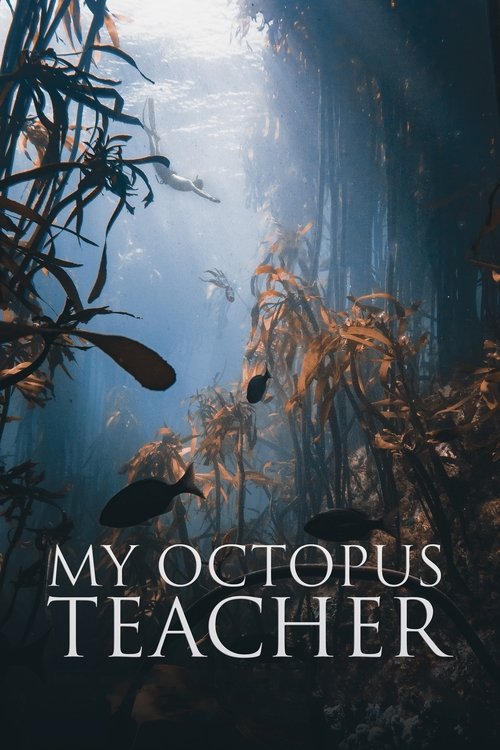
My Octopus Teacher2020
A South African filmmaker spends a year with an octopus in a kelp forest, discovering intelligence and personality in a creature we know almost nothing about. Meditative and revelatory.
But Deeply personal and slow-paced in a way that might feel indulgent if you're looking for documentary urgency rather than intimate observation.
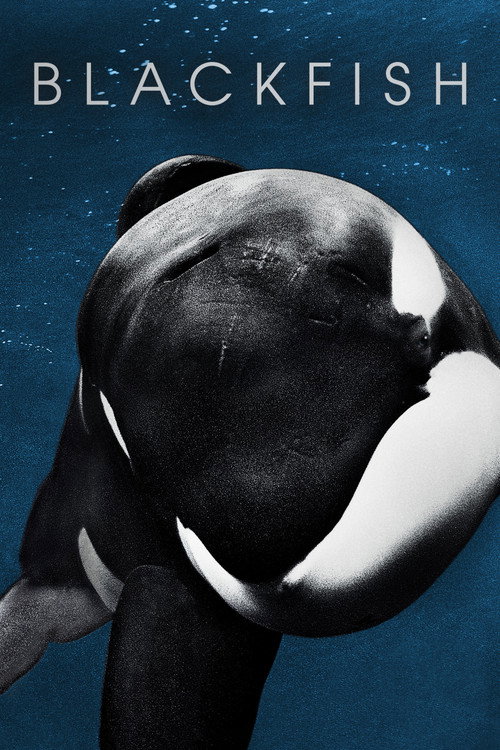
Blackfish2013
Examines captive orca breeding programs and their psychological consequences through a specific tragedy at SeaWorld. Emotionally devastating and structurally brilliant as an investigation.
But Focuses on a single narrative rather than systemic problems; some defending SeaWorld's practices have critiqued the film for selective editing.
The True Cost2015
While primarily about fashion, it illuminates global industrial supply chains and the human and environmental cost of cheap consumption—the same logic driving overfishing.
But Wanders across too many issues without the depth any single one deserves; the environmental connection to fishing is implicit rather than explicit.

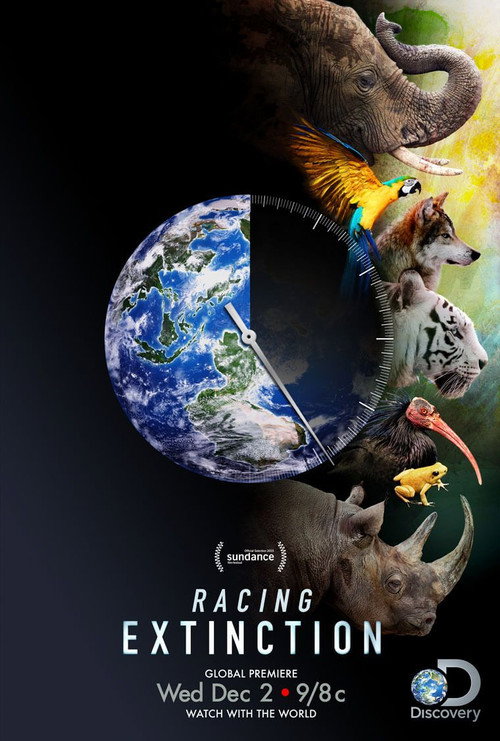
Racing Extinction2015
Uses undercover investigation and stunning wildlife cinematography to document species collapse across ecosystems, with a focus on how consumer choices drive extinction.
But Tries to cover too much ground—multiple ecosystems, species, and industries—leaving each section feeling slightly shallow and the narrative scattered.
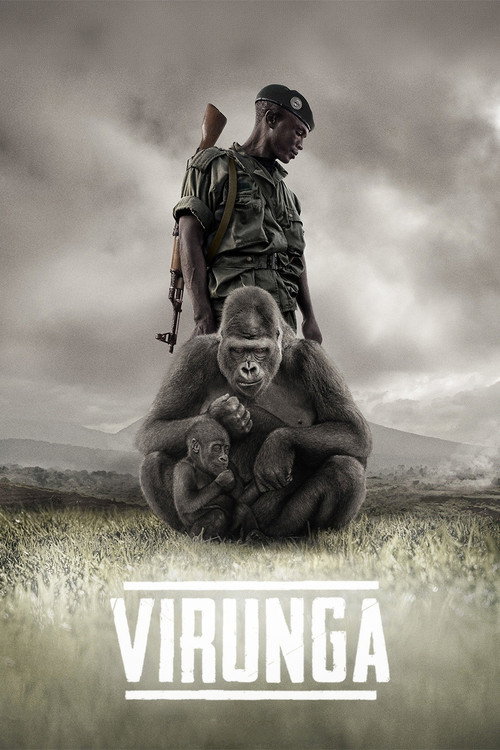
Virunga2014
A conservation documentary that captures the fight to protect a Congolese national park from industrial exploitation, with real danger and visceral stakes.
But The focus on gorillas and oil rather than fishing means it's tangential to the core argument, and some viewers may find it geographically distant and therefore less urgent.
Synecdoche, New York2008
Both explore how human ambition and appetite hollow out systems from within: fishing empties oceans; the protagonist's ambition empties his life. Same engine, different scale.
Charlie Kaufman's spiral into a production designer's obsessive, failing life. It's obliquely about how humans remake the world according to our desires and delusions, leaving wreckage in our wake—a formal, philosophical mirror to industrial fishing's logic.
But Deliberately confusing, emotionally bleak, and three hours long. If you want straightforward documentary argument, this will frustrate you profoundly.

Departures2008
A Japanese meditation on respectful relationship with the dead; The End of the Line documents how we treat living creatures without respect. Both ask: what are our obligations to what we consume?
A Japanese film about a man who becomes a death ritual specialist, preparing the dead for their next life. Deeply meditative on waste, respect, and what we owe the things we use.
But Quiet, elegiac, and about mortality—nothing like the urgency or anger of a protest documentary. Some will find it emotionally heavy rather than galvanizing.

People
Cast
 Ted DansonNarrator (voice)
 Ben BradshawSelf - UK Fisheries Minister 2003-2007
- Roberto Mielgo BragazziSelf - Former Tuna Farmer
- Charles CloverSelf - Author, "The End of the Line"
- John CrosbieSelf - Fisheries Minister, Canada (archive footage)
- Haidar El AliSelf - Diver, Senegal
- Ray HilbornSelf - University of Washington
- Jeffrey HutchingsSelf - Dalhousie University, Canada
 Mélanie LaurentNarrator for France (voice)
- Manolo Pacheco LuisSelf - Fisherman, Straits of Gibraltar
- Patricia MajlufSelf - Cayetano Heredia University, Peru
- John T. MaxwellSelf - American Television Chef (archive footage)
Directing
- Rupert MurrayDirector
Writing
- Charles CloverBook
Production
- Olly WilliamsAssociate Producer
- Donald RosenfeldCo-Executive Producer
- Alexis ZoullasExecutive Producer
- Chris Gorell BarnesExecutive Producer
- Christopher HirdExecutive Producer
- Erica KnieExecutive Producer
- Jess SearchExecutive Producer
- Ted WaittExecutive Producer
- Sandra LeemingLine Producer
- Claire LewisProducer
- George DuffieldProducer
- Norman ClarkeProduction Accountant
- Paula NightingaleProduction Assistant
- Jenny WilliamsProduction Coordinator
- Sam BrookmanProduction Coordinator
- Joanne KneafseyProduction Manager
- Tim RidingProduction Manager
- Ana GarciaResearcher
- Jenny WilliamsResearcher
Recommended by
Seaspiracy, The Linguists, 2040, Earthlings, Into Eternity: A Film for the Future, DamNation