
Film
Seaspiracy
- White-collar crime
- Very dark
Seaspiracy is a high-octane environmental exposé that transforms ocean conservation into a thriller. Director Ali Tabrizi investigates industrial fishing's devastation to marine ecosystems, uncovering corruption and cover-ups that feel almost criminal. It's compulsively watchable—urgent, angry, visually stunning—designed to radicalize you before the credits roll. For anyone who cares about what we're doing to the planet.
Should you watch it?
Watch it if you want a restless, first-person exposé that trades in shock and momentum, and you can enjoy a film that argues hard even when you suspect it overreaches.
Skip it if you need careful sourcing and measured argument, since its sweeping claims about the fishing industry are often loud on thin evidence and the outrage rarely lets up.
What it asks of you: Under ninety minutes of brisk, unsubtle momentum, moving from road-trip detours to hard footage of slaughter, with little room to pause and reflect between arguments.
Not sure? Find tonight's pick in a minute.
If you liked this
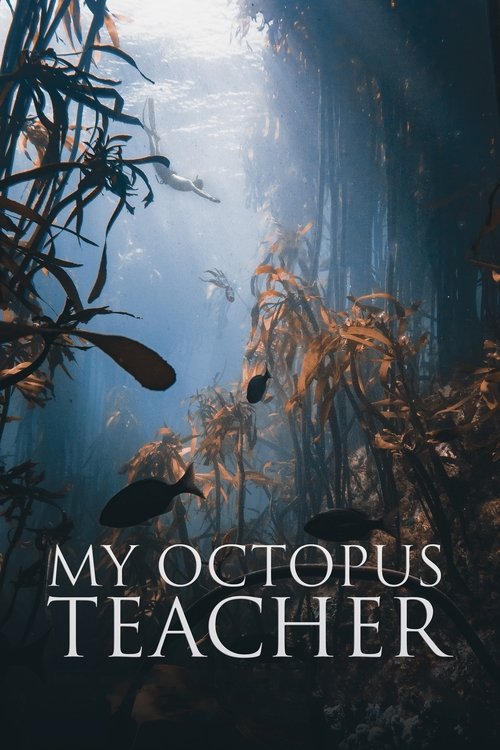
My Octopus Teacher2020
A transcendent meditation on observation and connection. Cameraman Craig Foster documents a year with a wild octopus off South Africa's coast in intimate, gorgeous detail. Equally profound about marine wonder and human vulnerability.
But Slower and more philosophical than Seaspiracy—this is contemplation, not combat. Some find it precious or overly sentimental.
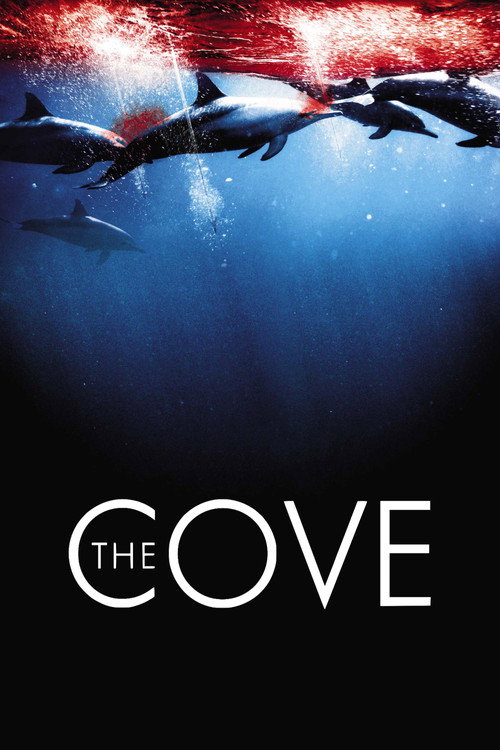
The Cove2009
The prototype for ocean-crime documentaries. A covert operation to expose dolphin slaughter in Japan, shot like a heist film. Galvanizing, brilliantly structured, and genuinely thrilling.
But Framed partly through a Western perspective on Japanese culture; some audiences find the approach patronizing or oversimplified.
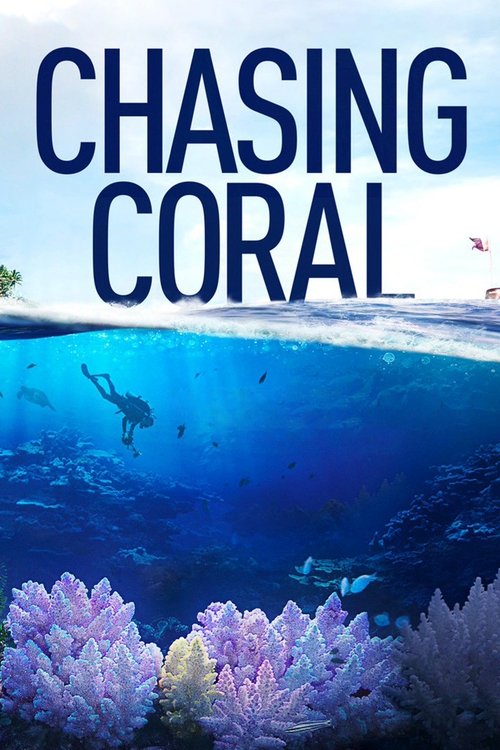
Chasing Coral2017
Breathtaking underwater cinematography chronicles coral bleaching in real time. Combines scientific urgency with intimate human stakes. Visually ravishing and heartbreaking.
But Less investigative than Seaspiracy—it's more about witnessing catastrophe than uncovering conspiracy. Slow in places.
Not sure tonight? Get a pick in a minute, starting from Seaspiracy
The wildcard
Something you would not have found on your own.
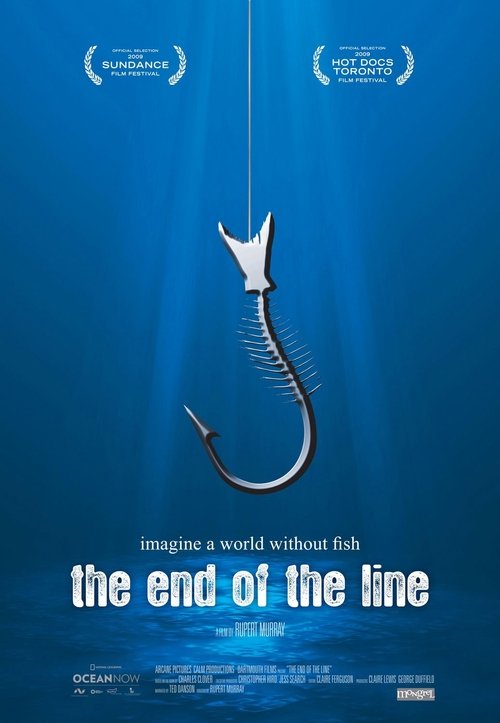
The End of the Line2009
Both are fishing-industry exposés built on the same core argument: industrial overfishing is destroying marine ecosystems. The End of the Line is the original investigation; Seaspiracy is the remake with better cameras and more anger.
Predates Seaspiracy by over a decade but hit the same beats: overfishing, corruption, systemic collapse. Rupert Murray's documentary is methodical and devastating. Less flashy than Seaspiracy but equally well-researched and prescient—it called this crisis before the mainstream knew.
But Lower production values and slower pacing than modern docs. Feels academic where Seaspiracy feels like a thriller. Older interview footage.
More like this (7)
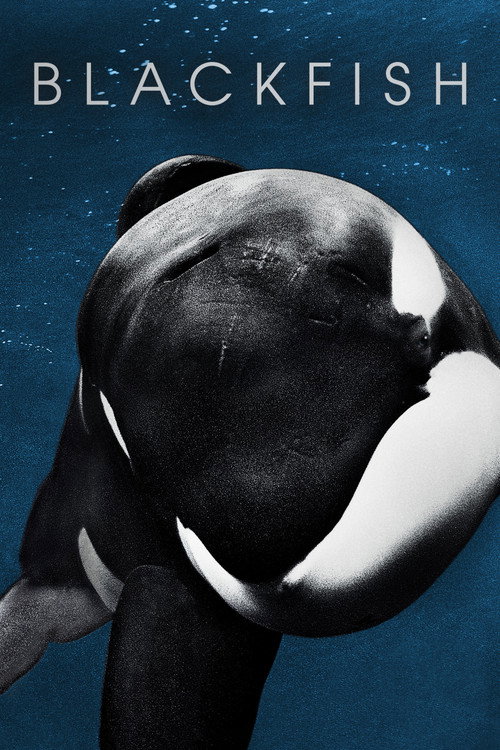
Blackfish2013
Methodical investigation into SeaWorld's orca captivity program. Builds a damning case through interviews, footage, and forensic detail. Launched a real-world movement.
But Accused of selective editing and one-sidedness by some. Feels dated now; the industry has shifted since 2013.
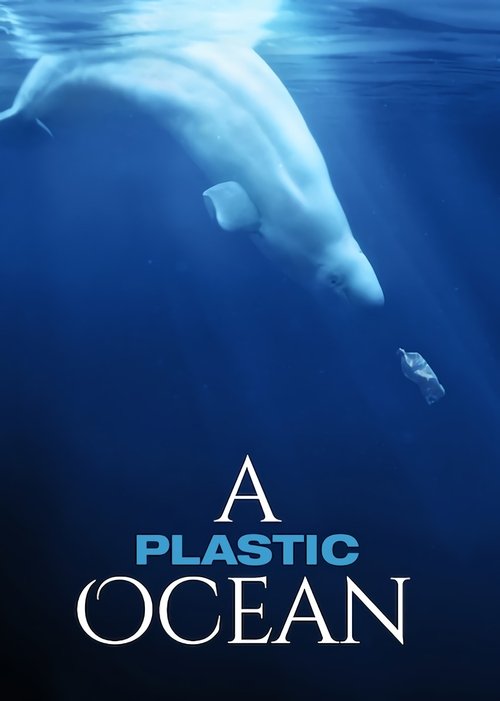
A Plastic Ocean2016
Companion piece to Seaspiracy: follows filmmaker Craig Leeson documenting plastic pollution across the globe. Visually devastating and personally motivated. Extends the conversation.
But Less focused than Seaspiracy. Jumps between themes and locations; can feel scattered rather than building a coherent argument.
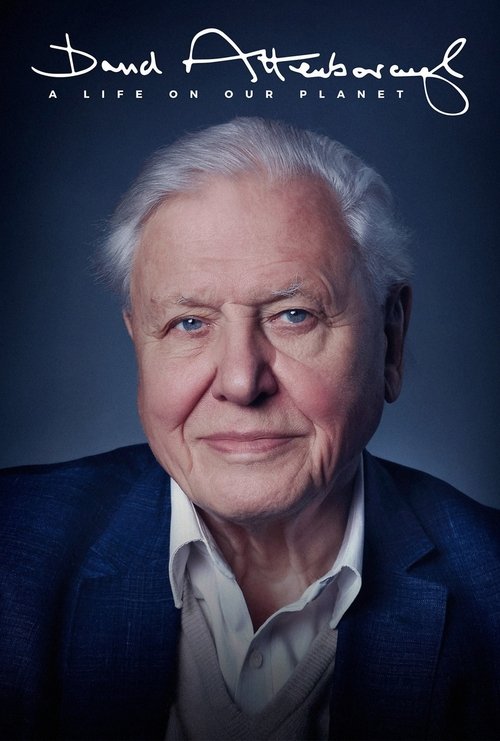
David Attenborough: A Life on Our Planet2020
Attenborough's autobiography layered over ecological collapse footage. His voice and authority lend gravitas. Hopeful despite its horrors—he proposes solutions alongside the diagnosis.
But Familiar Attenborough formula; some find his narration more calming than alarming, which defangs the message.
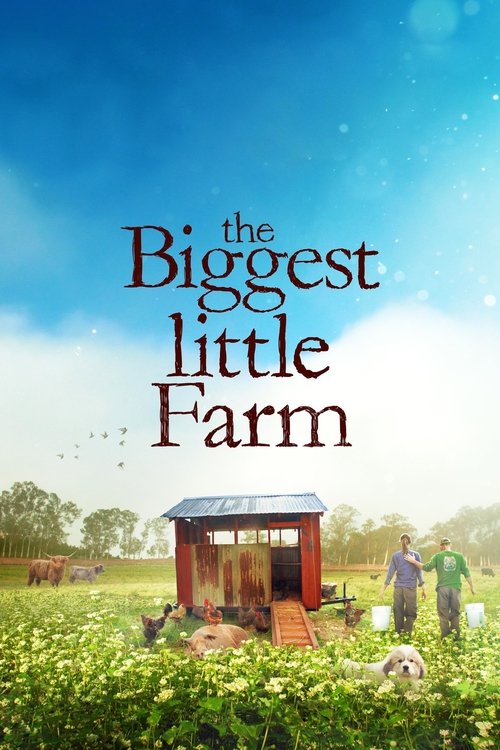
The Biggest Little Farm2019
California couple builds a regenerative farm from wasteland. Beautifully shot, genuinely moving, shows what healing looks like. Optimistic without being naive.
But Focuses on land, not ocean. Slower and more hopeful than Seaspiracy's anger. Some find it too feel-good.
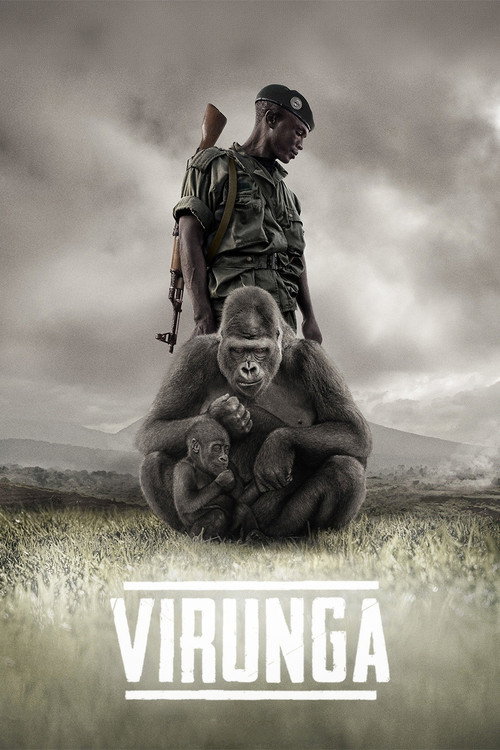
Virunga2014
Intimate profile of rangers protecting a Congolese national park from poachers and corporate oil interests. Personal, suspenseful, stakes you genuinely care about.
But Less cinematically polished than Seaspiracy. Focuses on land conservation, not marine. Some sequences are repetitive.
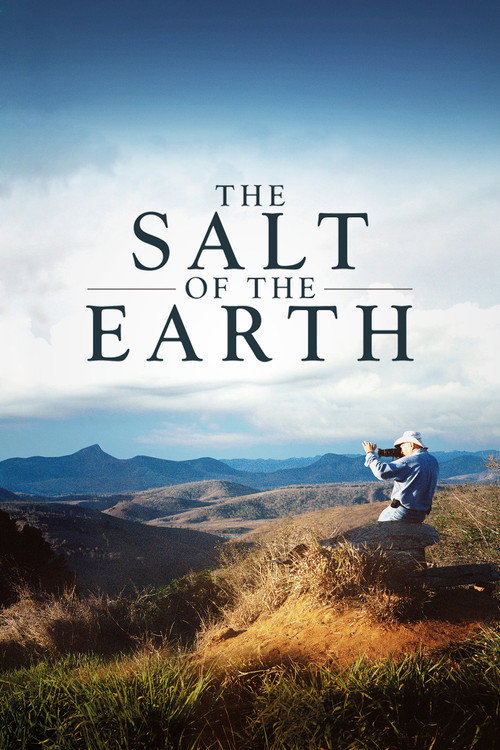
The Salt of the Earth2014
Both pair stunning visual evidence of environmental/human catastrophe with a filmmaker's personal moral awakening. But where Seaspiracy wants to inflame you into action, Salgado wants you to bear witness to beauty and suffering at once. Opposite emotional registers, same core conviction: we must see what we've done.
Sebastião Salgado's documentary about his global photojournalism career—wars, famine, environmental destruction. Shot by Wim Wenders in luminous black-and-white. It's art, activism, and autobiography merged into something transcendent. Ravishing to watch even when heartbreaking.
But Deeply meditative rather than urgent. No narrative momentum or villains to blame. Demands patience and contemplation. Some find it exhausting.
Iris2014
Not thematic—stylistic. Both are documentaries built around a singular, passionate, unbending voice (Tabrizi, Apfel). Both use visual maximalism and propulsive energy to seduce you into caring about something specific. After Seaspiracy's rage, Iris shows you that documentary can be about pure joy. Same engine, totally different fuel.
Documentary portrait of iris Apfel, a 93-year-old fashion icon, living her maximalist, joyful life. Absolutely unrelated to Seaspiracy thematically, but structurally it's a masterclass: one person's obsessive vision, infectious enthusiasm, and refusal to compromise. A palette cleanser that reminds you why documentary works.
But No environmental message whatsoever. Some find it frivolous. About fashion and style, not the planet or justice.

People
Cast
- Ali TabriziSelf
 Sylvia EarleSelf
 Richard O'BarrySelf
 Paul de GelderSelf
- Lucy TabriziSelf
 George MonbiotSelf
- Michael KlaperSelf
Directing
- Lucy TabriziAssistant Director
- Ali TabriziDirector
Writing
- Ali TabriziStory
- Lucy TabriziStory
- Kip AndersenStory Editor
Production
- Dale VinceExecutive Producer
- Jim GreenbaumExecutive Producer
- Kip AndersenExecutive Producer
- Lucy TabriziLine Producer
- Kip AndersenProducer
Recommended by
Blackfish, The Cove, Racing Extinction, Forks Over Knives, Cowspiracy: The Sustainability Secret, Whale Wars, Mission Blue, Before the Flood, Kiss the Ground, Ice on Fire, Years of Living Dangerously, The Loneliest Whale: The Search for 52, A Plastic Ocean, The End of the Line, Dominion, RiverBlue, Vanishing of the Bees, Becoming Cousteau, Fat Fiction, The Real Manhunt: The Night Stalker