
Film
RiverBlue
RiverBlue follows paddler Mark Angelo on a global river expedition that becomes an investigation into fashion industry pollution. It's a documentary that moves between the beauty of wild water and the ugly truth of how clothes get made. For anyone who cares about the environment but didn't know where to start getting angry.
Should you watch it?
Watch it if you care about where your clothes come from and want an activist documentary that follows a paddler's river journey, with the water itself as the main character.
Skip it if you want a tight, punchy investigation; this one wanders between scenic river footage and advocacy, and its 95 minutes can feel loosely stitched together.
What it asks of you: Settle in for a little under ninety-five minutes of steady, travelogue-paced looking, with the mood shifting from awe at wild rivers to growing anger about pollution.
Not sure? Find tonight's pick in a minute.
If you liked this
The True Cost2015
Investigates the human and environmental cost of fast fashion through workers, communities, and systems. Rigorous, infuriating, essential context for understanding why RiverBlue's rivers are dying.
But Heavy on statistics and talking heads; less propulsive narrative than RiverBlue's adventure framing. Can feel like you're sitting through a lecture.

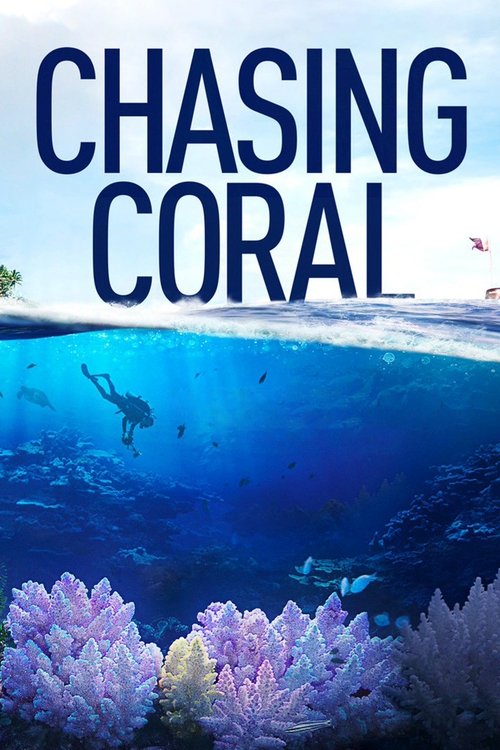
Chasing Coral2017
Beautiful underwater cinematography paired with a growing sense of ecological dread. Scientists chase evidence of coral bleaching across the globe with urgency and heart. Same DNA as RiverBlue—adventure as vessel for climate truth.
But The pacing is meditative; some viewers find it slow. The outcome, once you understand it, is bleak.
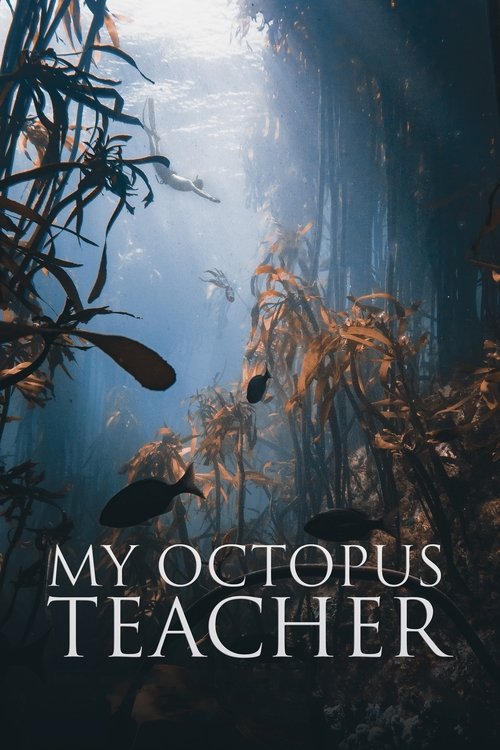
My Octopus Teacher2020
A filmmaker in the South African sea documents a year with one octopus. Gorgeously shot, deeply moving, and smuggles in conversations about ocean health and human connection to nature.
But If you're looking for activism or outrage, this is quieter and more personal. Some find it sentimental.
Not sure tonight? Get a pick in a minute, starting from RiverBlue
The wildcard
Something you would not have found on your own.
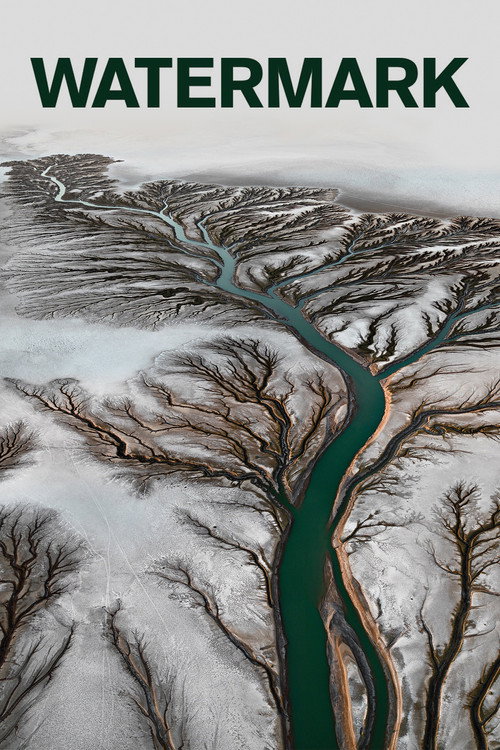
Watermark2013
Both use water itself as the protagonist. RiverBlue follows rivers as a way to document extraction and pollution; Watermark follows water to document human meaning and reverence. One exposes the darkness, one invokes the sacred.
Filmmaker Jennifer Baichwal documents humanity's relationship with water through stunning photography and interviews with monks, farmers, architects, and activists. Abstract and poetic where RiverBlue is investigative—it asks what water means to us rather than just how we're destroying it.
But More meditative than urgent; minimal narrative drive. Some sequences feel artsy to the point of obscurity, and there's no villain to blame.
More like this (7)
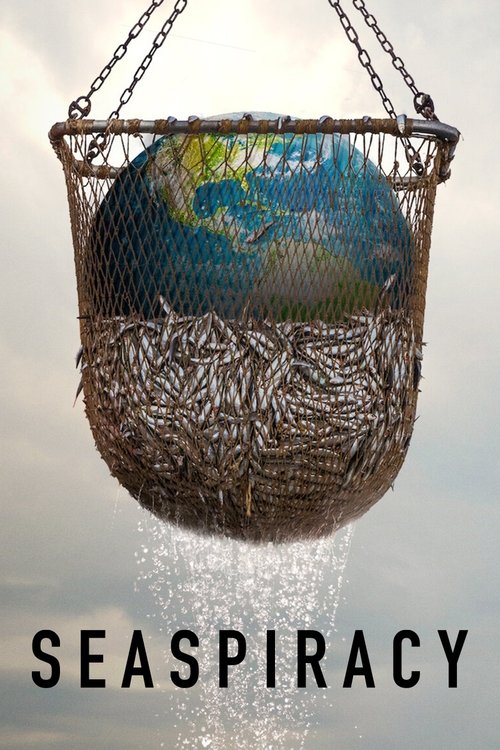
Seaspiracy2021
Exposes industrial fishing's environmental devastation with a documentary that feels like a thriller. Fast-paced, visually striking, and connects global supply chains to individual choices.
But Some critics argue it oversimplifies fishing's complexity and cherry-picks facts to maximize shock value. The rhetoric occasionally outpaces nuance.
Before the Flood2016
Leonardo DiCaprio travels the world documenting climate change impacts with urgency and celebrity access. Spans the same global scale as RiverBlue and makes abstract threats feel immediate.
But The celebrity-as-messenger angle can feel hollow. Some sequences prioritize spectacle over substance, and solutions offered are thin.
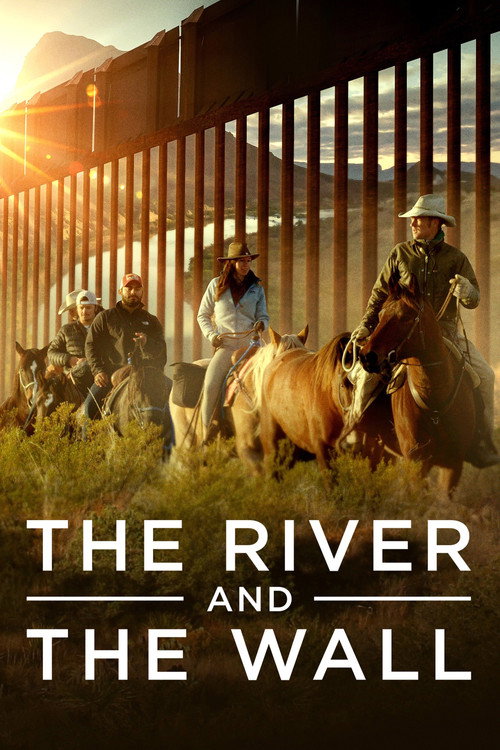
The River and the Wall2019
Paddlers descend a remote Texas river while reckoning with the politics of border walls, conservation, and land use. Combines adventure narrative with genuine ideological tension and beautiful cinematography.
But Divided attention between conservation and politics can leave both themes underdeveloped. Slower pacing than typical river documentaries.
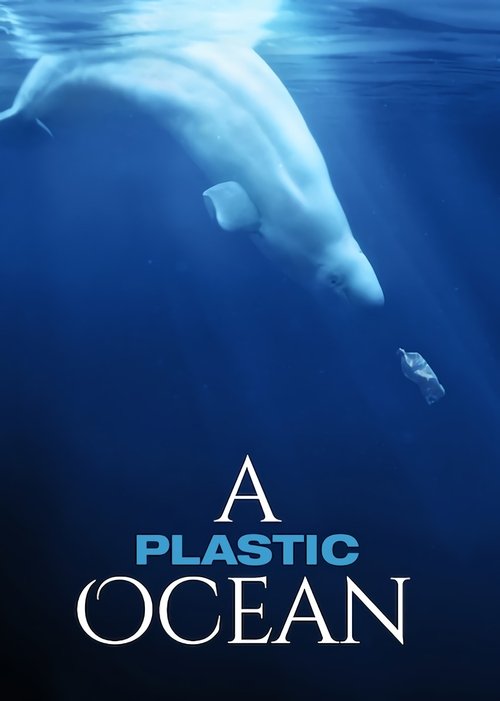
A Plastic Ocean2016
Investigates plastic pollution in the oceans with underwater footage and on-the-ground research in vulnerable communities. Complements RiverBlue's concern for water systems with a focus on one pollutant's journey.
But Some sequences feel repetitive. The scale of the problem can trigger despair rather than motivation, and solutions aren't deeply explored.
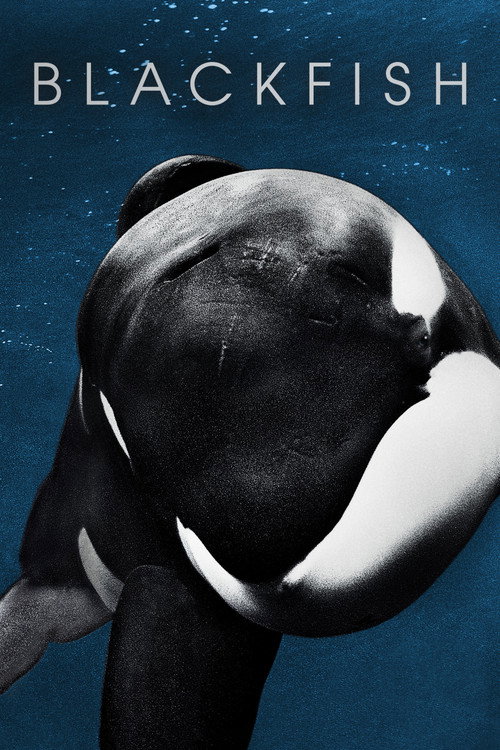
Blackfish2013
Documentary investigating captive orcas at SeaWorld. It's a masterclass in investigative documentary: builds a case methodically, uses victim testimony, and changes minds. Enraging in the best way.
But The subject matter is emotionally brutal. Some of the early interviews feel cherry-picked, and the film has been criticized for one-sidedness.
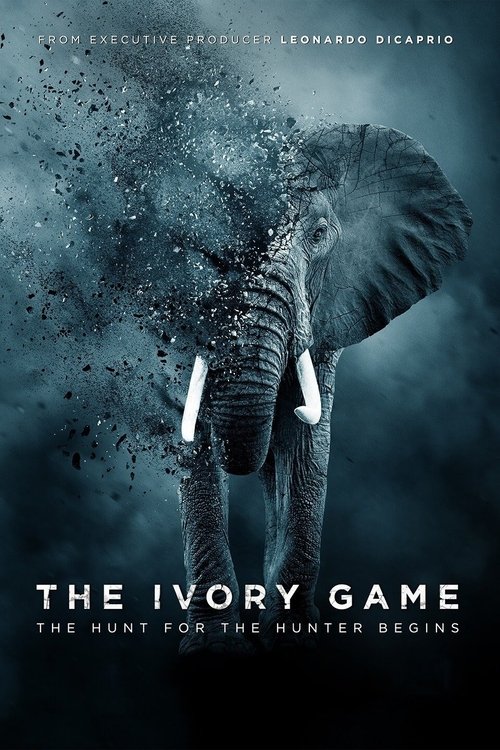
The Ivory Game2016
Takes viewers inside the effort to stop elephant poaching, moving between the poachers themselves, rangers, and conservationists. Complex moral landscape and genuine stakes make it compelling.
But Feels more hopeful than RiverBlue—some viewers find that tone mismatched to the problem's scale. The pacing sags in the middle.
Erin Brockovich2000
Both are about water contamination as a crime. RiverBlue documents the fashion industry's casual poisoning as a system; Erin Brockovich shows what happens when one community says no and fights back. Different registers, same rage.
Julia Roberts as a legal assistant who takes down a corporation poisoning a town's water supply. Thrilling procedural about ordinary people fighting systems, with genuine stakes and a protagonist you'll root for wildly.
But It's a conventional Hollywood film, not a documentary. The court drama doesn't have the moral ambiguity that makes some prefer unflinching documentaries.

People
Cast
- Mark AngeloHimself
 Jason PriestleyHimself/ Narrator
- Orsola De CastroHerself
- Kumi NaidooHerselft
- Ma JunHimself
- François GirbaudHimselft
- Peter GoldingHimself
- Lukus EichmannHimself
- Nicole BridgerHimself
- Stuart BunnHimselft
Directing
- David McIlvrideDirector
- Roger WilliamsDirector
Writing
- David McIlvrideWriter