
Film
Watermark
- Slow-burning
Burtynsky and Baichwal's visual essay on water transforms environmental crisis into landscape poetry. Through stunning aerial and ground-level photography, they trace humanity's relationship with this elemental resource across continents—dams, rivers, ice fields, sewage systems. It's meditative rather than didactic, asking you to *see* before it asks you to judge. Essential for anyone who thinks documentaries have to choose between beauty and urgency.
Should you watch it?
Watch it if you like documentaries built from sweeping, patient images, where the beauty of an aerial shot does the arguing and the commentary stays out of the way.
Skip it if you need a clear story or a presenter steering the argument, since this leans on images and loose threads rather than sharp, step-by-step explaining.
What it asks of you: Ninety-two minutes of mostly unhurried wandering across huge landscapes and industrial sites, so settle in and let each long shot sink in before the next one arrives.
Not sure? Find tonight's pick in a minute.
If you liked this
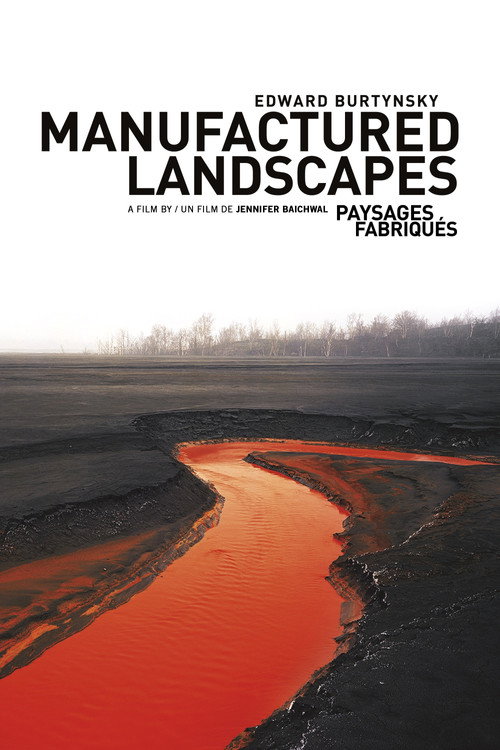
Manufactured Landscapes2006
The same creative partnership working the same vein—Burtynsky's massive-scale photography of industrial transformation becomes almost spiritual. Essential context and equally mesmerizing.
But Nearly two hours of static shots of factories and landscapes. If you need narrative momentum or music to stay engaged, this will test your patience.
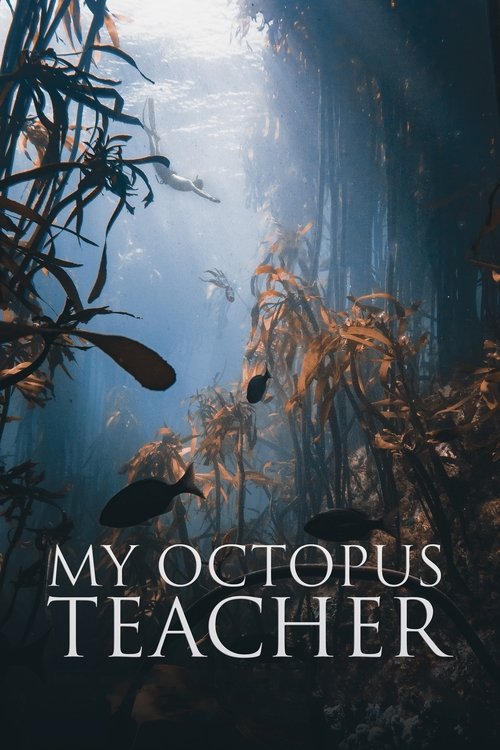
My Octopus Teacher2020
A quiet, patient documentary about observation and relationship. Like Watermark, it finds poetry in the nonhuman world and rewards sustained attention with genuine wonder.
But The personal essay angle—one man, one beach, one year—might feel slight if you're looking for broader environmental advocacy or solutions.
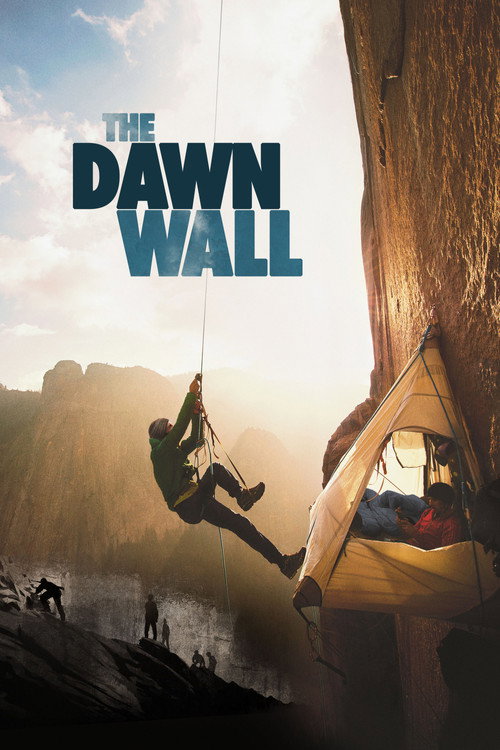
The Dawn Wall2017
Stunning cinematography of climbers scaling impossible granite. Captures that meditative state where humans engage with a vast, indifferent natural system—thematically aligned with Watermark's tone.
But It's adventure film at heart. If you came for environmental critique rather than vertical beauty, this pivots away from urgency.
Not sure tonight? Get a pick in a minute, starting from Watermark
The wildcard
Something you would not have found on your own.
Sans Soleil1983
Both use photography and film to think spatially and poetically rather than argumentatively. Both believe the world is the argument.
A essay-film about memory, time, and geography using footage from across the globe. Like Watermark, it refuses narrative and argues through images and voice. Visually stunning and structurally daring in ways that influenced how documentarians think about the medium.
But Made in 1983, deliberately fragmented, philosophical rather than concrete. Not mainstream and can feel hermetic. Demands active interpretation rather than passive viewing.

More like this (6)
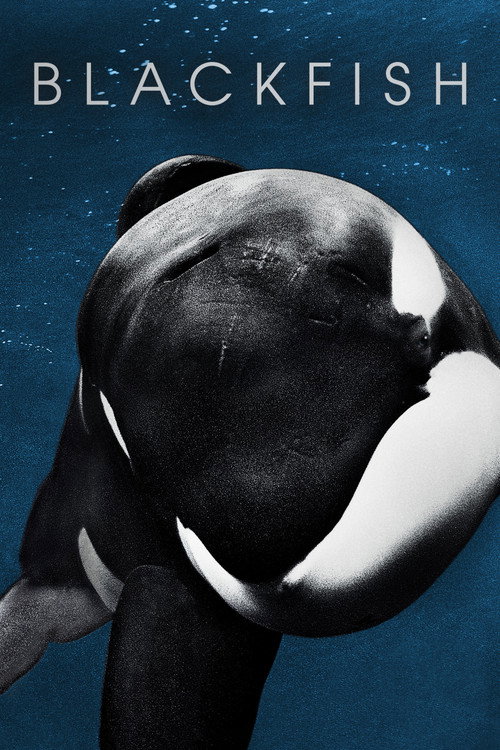
Blackfish2013
An investigative documentary with the same release year as Watermark and an equally complicated relationship with how we contain and control nature. Gripping and morally urgent.
But More conventional documentary structure with clear villains. Lacks Watermark's poetic distance—much angrier, much less meditative.
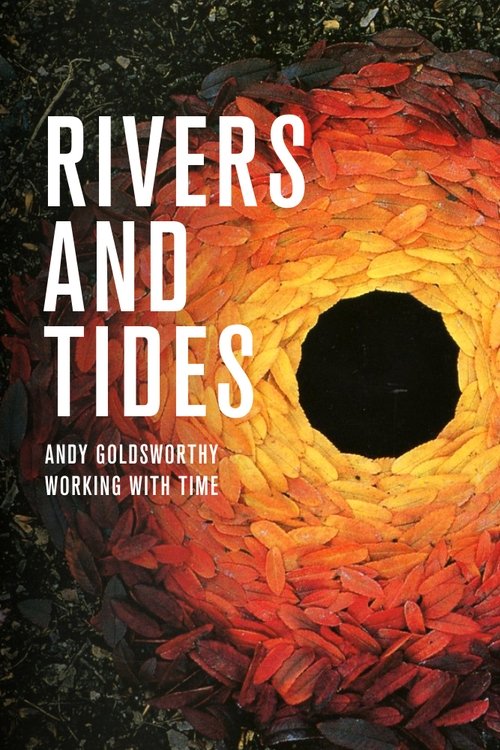
Rivers and Tides2001
Andy Goldsworthy making temporary art from natural materials in wild places. Shares Watermark's fascination with human intervention in nature, but gentler and more playful about it.
But Slower and more artisanal than Watermark. Some find it precious or overly meditative; it's definitely not urgent environmental activism.
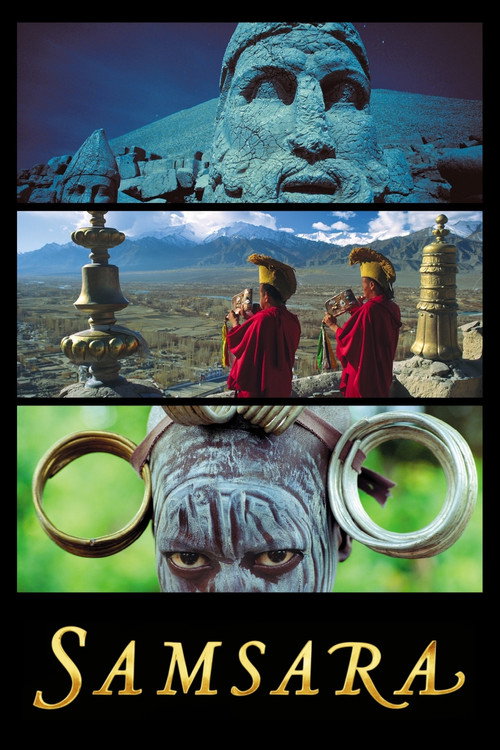
Samsara2011
A non-narrative visual journey across human and natural systems, using timelapse and slow-motion to estrange the familiar. Pure cinema, thematically aligned with Watermark's scope.
But No dialogue, no interviews, no argument—just images. Some experience this as profound; others find it exhaustingly abstract or vague.
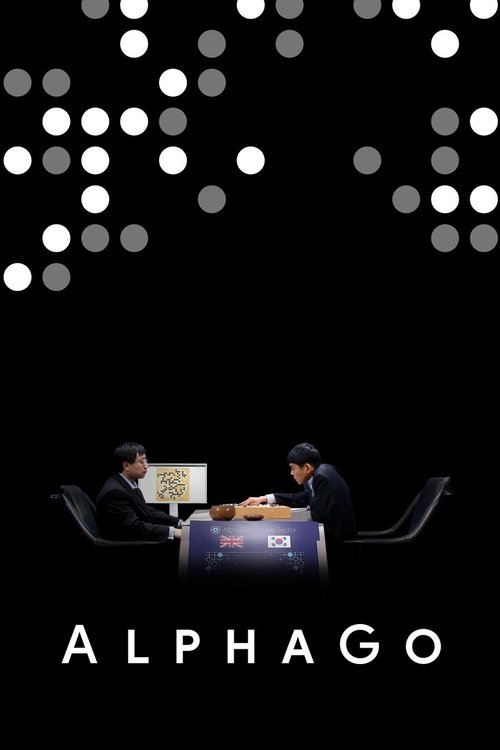
AlphaGo2017
A documentary about systems and intelligence that builds quietly and inevitably, much like Watermark. Beautiful cinematography and an obsessive focus that rewards patient attention.
But It's about artificial intelligence and a Go match. If water and environmental themes drew you here, the subject matter is completely different.
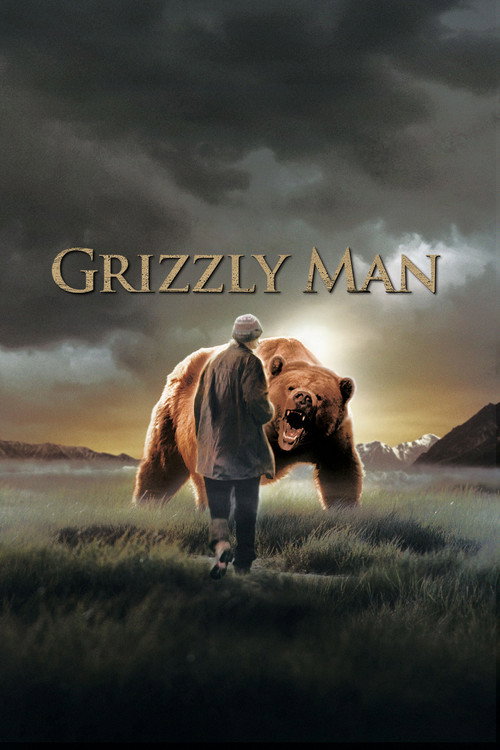
Grizzly Man2005
Werner Herzog examining obsession, nature, and human ego through a man who lived with bears. Complex and troubling where Watermark is serene—both meditate on our place in the natural world.
But Darker and more unsettling in tone. Contains real footage of tragedy. If you want Watermark's visual beauty without existential dread, this is not it.
La Haine1995
Both understand that *how* you show something matters more than *what* you show. Both achieve critique through aesthetic choice, not message.
Black-and-white fiction film about excluded youth in Paris, shot with the same formal precision and visual intelligence as Watermark. Proof that visual mastery can make politics felt rather than stated.
But It's narrative fiction, not documentary. French, confrontational, about urban decay rather than water. Feels unrelated until you notice both films use photography as moral statement.

People
Directing
- Edward BurtynskyDirector
- Jennifer BaichwalDirector
Writing
- Jennifer BaichwalWriter
Production
- Daniel IronExecutive Producer
- Edward BurtynskyExecutive Producer
- Nick de PencierProducer
Recommended by
Powaqqatsi, Anthropocene: The Human Epoch, RiverBlue, Objectified