
Film
Rivers and Tides
- Light-hearted
- Slow-burning
Andy Goldsworthy makes sculptures from leaves, ice, stone and water—and then lets them fall apart. This film follows the British artist as he works in remote landscapes, wrestling with materials that don't want to cooperate. It's meditative, occasionally frustrating, always beautiful. For anyone who's felt the pull of making something with their hands.
Should you watch it?
Watch it if you are drawn to art that lives outdoors and gets undone by weather, and you enjoy watching a patient maker wrestle with stone, leaves and tide until something unexpected appears.
Skip it if you want a documentary with interviews, context and talking heads explaining the work, since this one mostly lets the making and the landscape do the talking.
What it asks of you: Ninety minutes of unhurried watching, with long stretches of quiet observation and few cuts, so it rewards a viewer willing to sit still and look closely.
Not sure? Find tonight's pick in a minute.
If you liked this
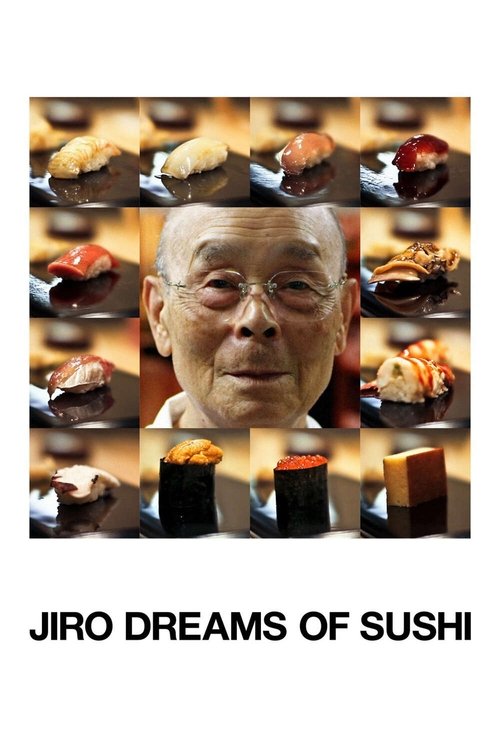
Jiro Dreams of Sushi2011
A 90-minute study of an 85-year-old sushi master's relentless pursuit of perfection. Like Goldsworthy, it's about process, dedication, and finding meaning in mastery of a craft that most people underestimate.
But It's very quiet and very slow. If you expect plot or drama in the traditional sense, you'll be disappointed.
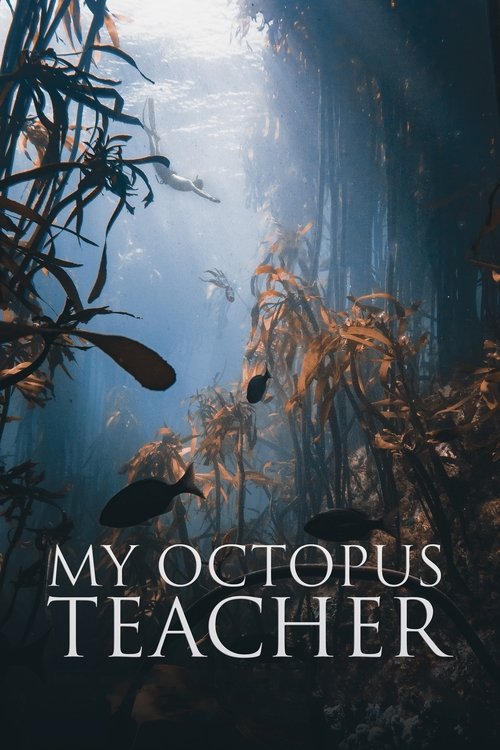
My Octopus Teacher2020
A filmmaker spends a year with an octopus in a South African kelp forest, documenting their relationship. Same sense of wonder at nature's intelligence and the profound calm that comes from patient observation.
But The emotional beats are sometimes manipulative. You might feel like you're being led toward tears rather than arriving there naturally.
Leviathan2013
A documentary filmed almost entirely on a fishing boat in the Barents Sea. Hypnotic, strange, and deeply engaged with how humans interact with nature—though from a much harsher angle than Goldsworthy.
But It's experimental and deliberately disorienting. Long stretches have minimal narration and little context. You have to sit with confusion.
Not sure tonight? Get a pick in a minute, starting from Rivers and Tides
The wildcard
Something you would not have found on your own.
The Act of Killing2012
Both use the act of making—artistic creation in one case, literal reenactment in the other—as a tool for understanding the self and reckoning with time.
A documentary where Indonesian death-squad leaders reenact their murders for the camera. It sounds exploitative but it's a profound meditation on memory, denial, and whether making something helps us reckon with it. Both films are about creation as a way to process reality.
But It's extremely disturbing and morally vertiginous. There's no comfort here, and the filmmaking itself feels complicit in ways that will stay with you uncomfortably.

More like this (6)
The Salt of Life2011
Werner Herzog documents the work of Wim Wenders in a completely unconventional way. Like Rivers and Tides, it's a portrait of an artist at work, shot with real tenderness and curiosity about the creative process.
But Herzog's philosophical tangents can feel pretentious. If you want straightforward filmmaking, this isn't it.
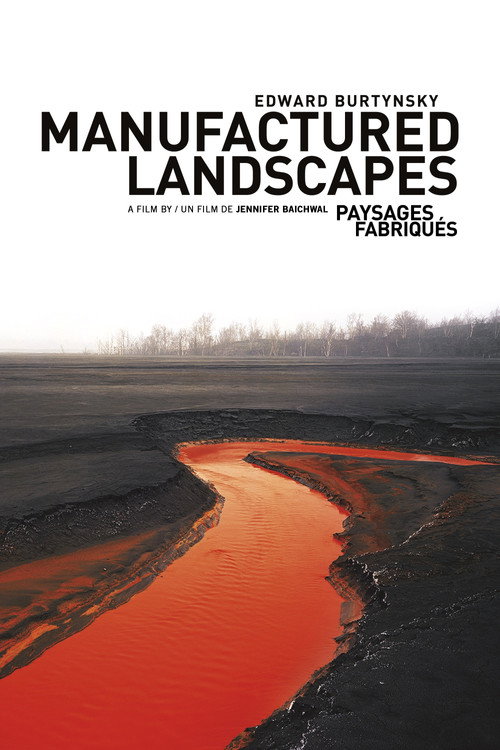
Manufactured Landscapes2006
Jennifer Baichwal films photographer Edward Burtynsky documenting industrial landscapes. Another meditation on transformation and impermanence, but focused on human-made scale and consequence.
But The subject matter—factory towns, open-pit mines—is depressing. There's no redemptive message, just scale and ruin.
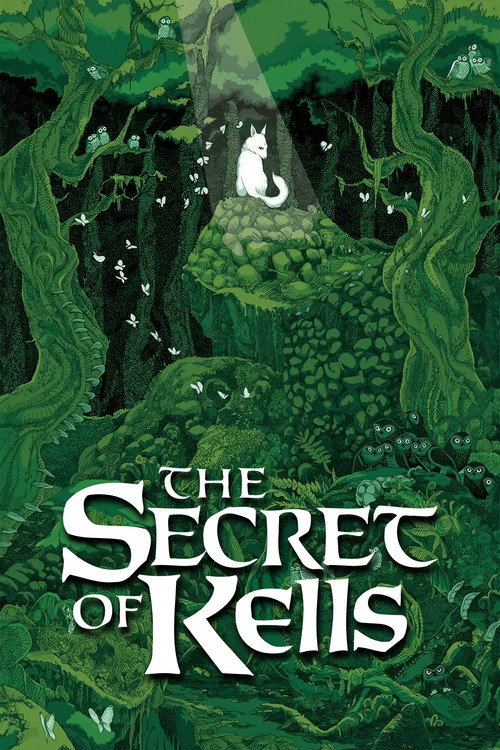
The Secret of Kells2009
An animated film about Irish monks creating an illuminated manuscript. Shares Goldsworthy's reverence for handmade beauty and the idea that some work is worth doing even if it won't last forever.
But It's aimed at children, which some adults find patronizing. The narrative is lightweight compared to the visual artistry.
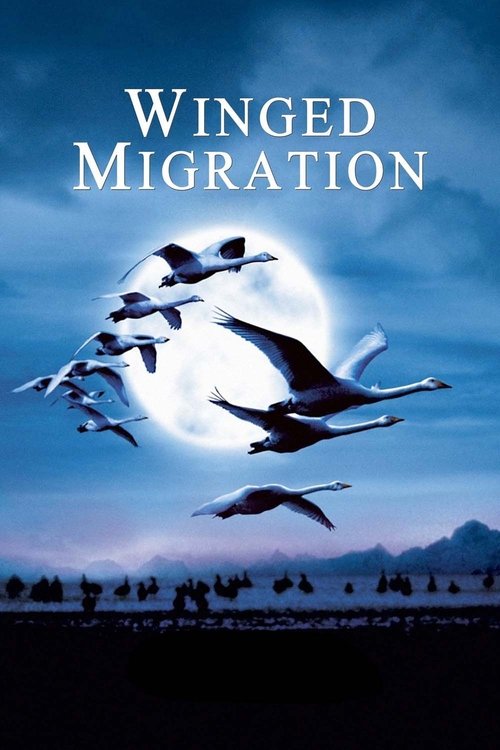
Winged Migration2001
A documentary that follows bird migration patterns across continents. No narration, just footage of animals moving through landscapes with the same patient eye Goldsworthy brings to stone and water.
But The lack of context can feel aimless. Without a guide explaining what you're seeing, it's easy to drift out of engagement.
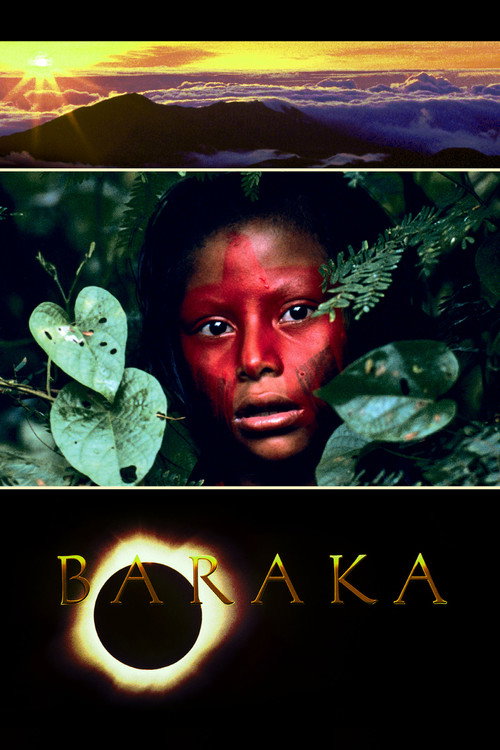
Baraka1992
A non-narrative film of landscapes and human rituals from around the world, set to an extraordinary soundtrack. Pure visual poetry with the same sense of fleeting moments that defines Goldsworthy's work.
But With no dialogue or plot, it demands active engagement. For some viewers it will feel like watching a screensaver, no matter how beautiful.
Stalker1979
Both are meditations on absence—Goldsworthy by letting his art dissolve, Tarkovsky through long takes of empty corridors and still water. Both argue that watching something disappear is more meaningful than watching it be built.
Tarkovsky's sci-fi masterpiece about a guide leading two men through a mysterious zone to a room that grants wishes. Glacially slow, visually hypnotic, obsessed with the same questions about desire, impermanence, and what matters. This is what happens when you point a camera at profound emptiness.
But It's 163 minutes long and nothing happens in the way you'd expect from plot. If you hate Terrence Malick, you'll hate this more. Patience isn't optional.

People
Cast
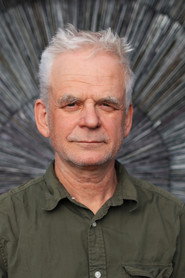 Andy GoldsworthyHimself
Directing
- Thomas RiedelsheimerDirector
Writing
- Thomas RiedelsheimerWriter
Production
- Leslie HillsCo-Producer
- Trevor DaviesCo-Producer
- Annedore von DonopProducer
- Jörg RotheProduction Manager
Recommended by
Born into Brothels: Calcutta's Red Light Kids, Genesis, The Genius of Marian, Faces Places, Feels Good Man, Watermark, National Gallery, Gerhard Richter Painting, City of God: 10 Years Later, The Story of Stuff, Rams, The Road Movie, Aloft, Made in China, The Story of the Weeping Camel, Urbanized, The Man Who Planted Trees, In Pursuit of Silence, Waste Land, Expedition Happiness, All That Breathes, Nomadic