
Film
The Story of the Weeping Camel
- Family drama
- Slow-burning
A Mongolian family's camel rejects her newborn colt, and they call in a musician to perform a ritual healing. This is a true documentary hybrid—real people, real crisis, real resolution—that watches like narrative cinema. Quiet, patient, deeply moving. For anyone who finds intimacy in ordinary moments and cultures unlike their own.
Should you watch it?
Watch it if you are drawn to slow, patient films where a small domestic problem opens onto a whole way of life, and you don't mind watching a landscape and routine do the talking.
Skip it if you want a fast, sharp story with tension and clear stakes; this one is gentle in its drama and never pushes hard.
What it asks of you: Settle in for ninety-one minutes of patience: long still takes, a rhythm set by herding, milking and weather, and a gaze that stays with ordinary chores rather than story beats.
Not sure? Find tonight's pick in a minute.
If you liked this
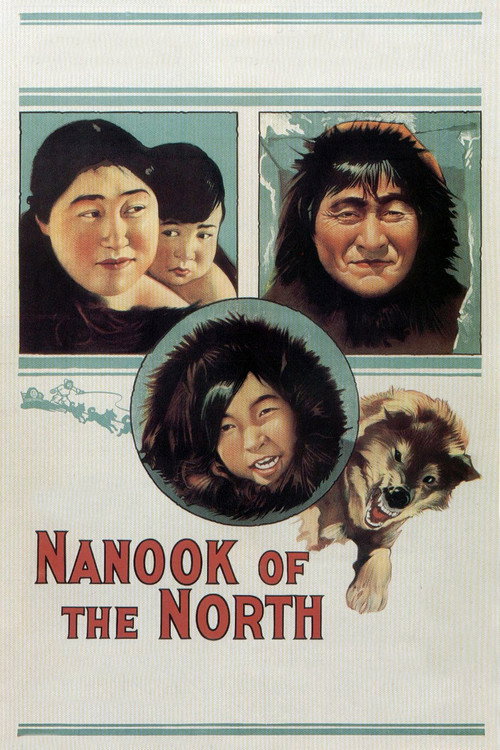
Nanook of the North1922
The grandfather of observational cinema—a film crew documents an Inuit family's survival in the Arctic. Like Weeping Camel, it finds epic stakes in daily life and the relationship between humans and their environment.
But Shot in 1922 with heavy staging and now-uncomfortable ethnographic framing; some scenes are recreated or manipulated rather than purely observed.
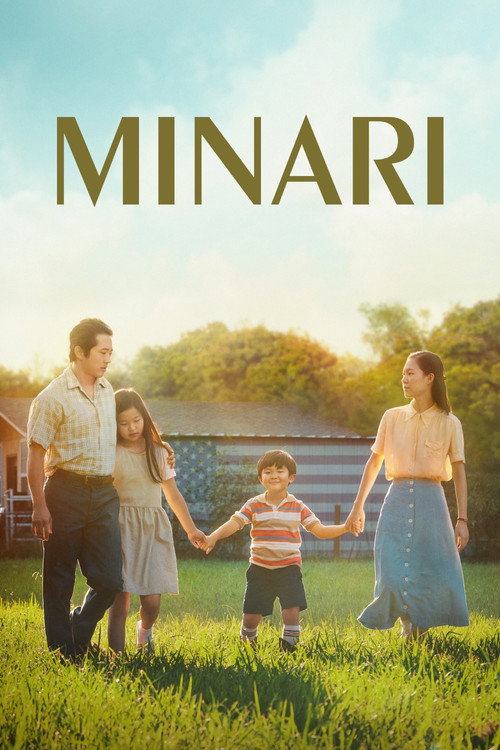
Minari2021
A Korean family stakes everything on an Arkansas farm. It has the same quiet moral weight, the same sense of watching people you come to love work against long odds, the same non-performative tenderness.
But Shot in English with some non-professional actors; a few scenes feel gently didactic about immigrant experience rather than lived.
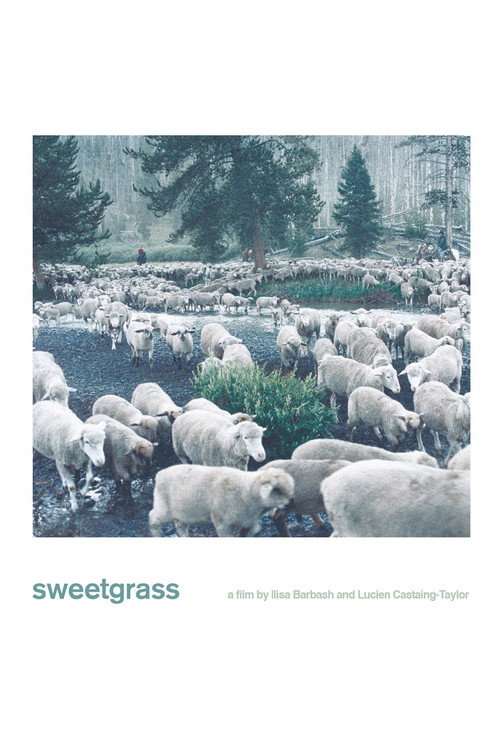
Sweetgrass2009
A Wyoming shepherd drives 3,000 sheep into the high country. Pure observation—no narration, no score, just people and landscape and the texture of hard work. The same patience, the same payoff.
But Deliberately austere filmmaking. If you need narrative momentum or clear emotional beats, this will feel slow.
Not sure tonight? Get a pick in a minute, starting from The Story of the Weeping Camel
The wildcard
Something you would not have found on your own.
Kes1970
Both films find spiritual transformation in the bond between a human and an animal—not cute or sentimental, but genuine and redemptive.
A working-class Yorkshire boy bonds with a wild hawk. Ken Loach's masterpiece has the same texture of real life interrupted by transcendence—the ordinary made luminous. British social realism meeting near-mysticism, exactly as Weeping Camel does.
But Heavy regional dialect; shot in 1969 with a deliberately unglamorous aesthetic. Some viewers find it depressing rather than moving.

More like this (8)
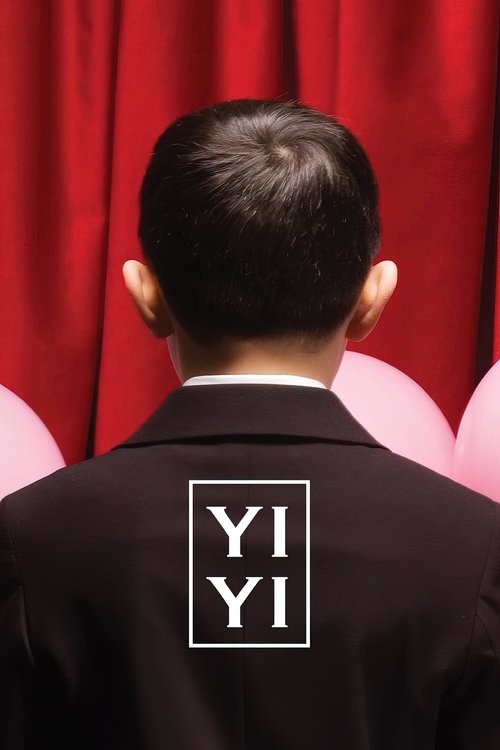
Yi Yi2000
A Taiwanese family navigates marriage, illness, work and aging across four generations. The same attentiveness to small moments, the same refusal to sentimentalize kinship, the same deep affection underneath.
But Three hours long; structured as episodic vignettes rather than a forward-driving plot.
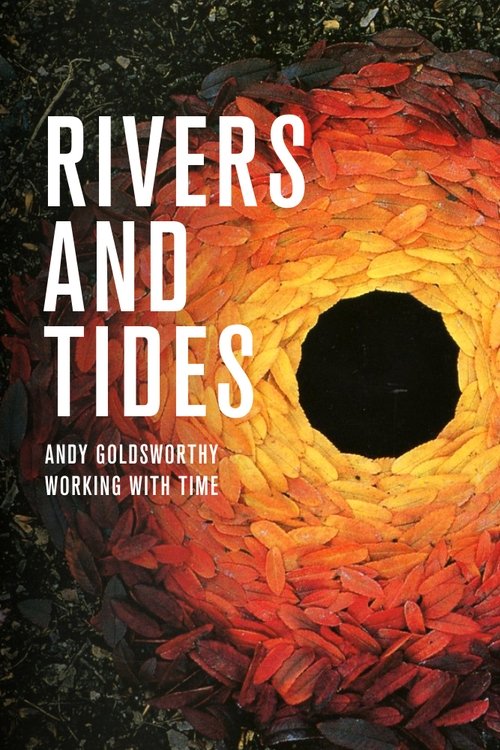
Rivers and Tides2001
Filmmaker documents artist Andy Goldsworthy creating ephemeral works in nature. Like Weeping Camel, it's about ritual, patience, the relationship between humans and the natural world, and faith that the work matters even when it's temporary.
But Structurally repetitive—each new location follows the same pattern. If you want to see Goldsworthy *talk* about his process, you won't get much of that.
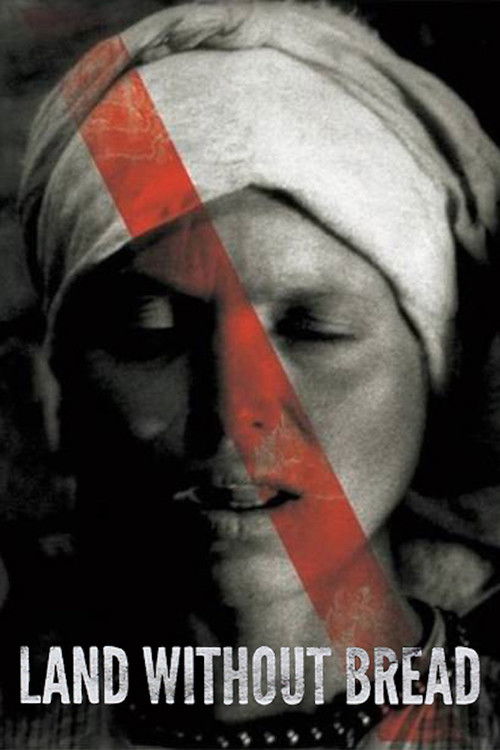
Land Without Bread1933
Buñuel's documentary of an impoverished Spanish region treats its subjects with unsentimental dignity. Strange, hypnotic, and genuinely about a real place and real people in crisis.
But The narration is ironic and sometimes cruel; the poverty is overwhelming. This is not a comfortable watch.
The Act of Killing2012
A filmmaker meets with Indonesian death squad leaders and lets them restage their crimes. It's documentarian patience applied to something unflinching; the ritual here is moral reckoning rather than healing.
But Extremely disturbing. You will watch confessed murderers laugh about mass atrocity. It's necessary cinema but not a gentle evening.

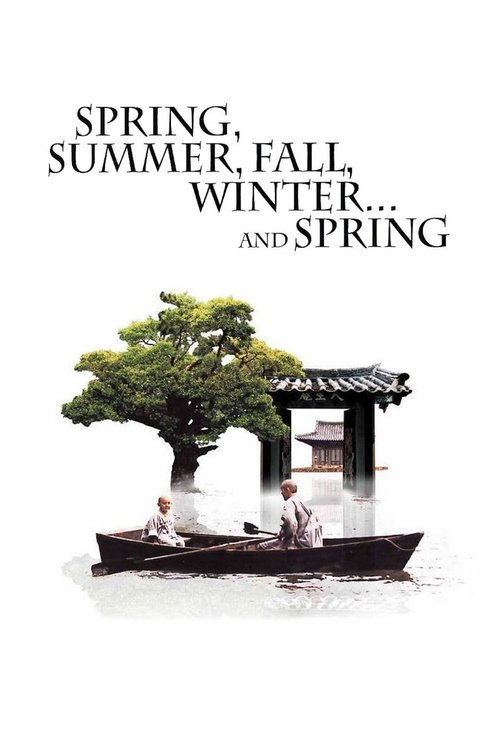
Spring, Summer, Fall, Winter... and Spring2003
A Buddhist monastery on a floating lake; a master and student; seasons change; life happens. Meditative, mythic, about acceptance and the cycles that contain us. The same unhurried wisdom.
But Minimal plot and dialogue. If you watch for what happens next rather than how things feel, you'll be lost.
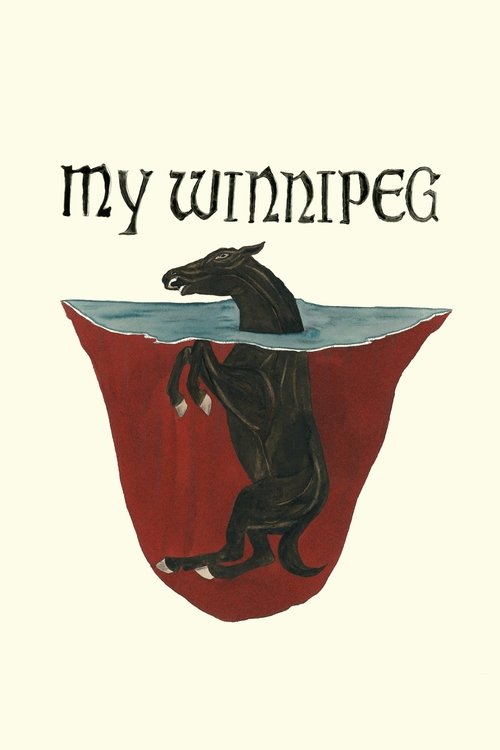
My Winnipeg2008
Guy Maddin's experimental documentary about his hometown. An unconventional love letter to place and memory, to the specific gravity of where you're from.
But Formally strange and knowingly digressive; the experimental approach will alienate anyone wanting straightforward storytelling.
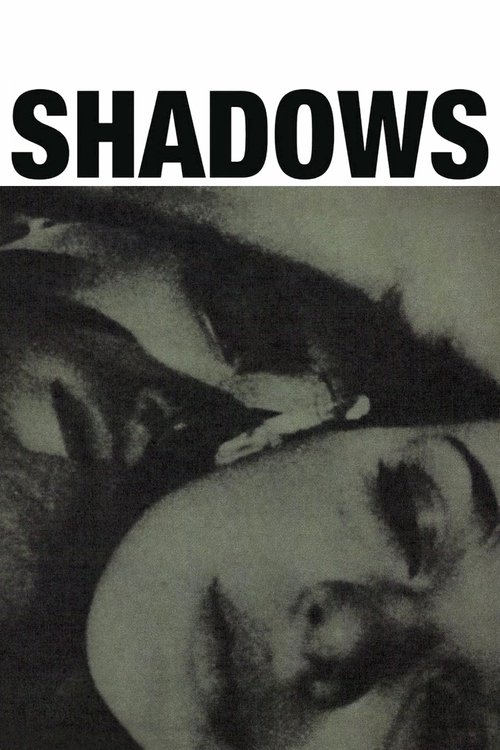
Shadows1960
Both use non-professional or minimally trained actors to achieve a documentary truthfulness; both trust that watching people be themselves is more powerful than conventional narrative.
John Cassavetes' improvised drama about three Black siblings navigating identity and love in New York. Formally loose and utterly alive, it captures the texture of real conversation and real stakes. A ritual of its own kind.
But Grainy 16mm, naturalistic acting that some find mumbled, no conventional plot. Easy to mistake for unfinished work.
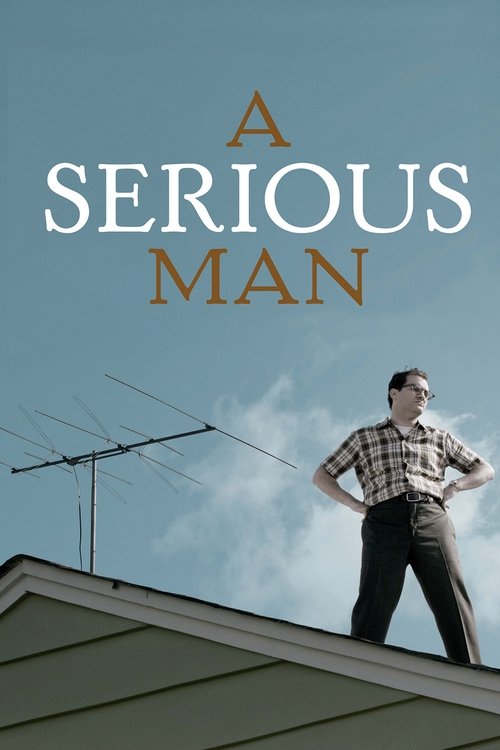
A Serious Man2009
Both films use ritual—one explicit and traditional, one embedded in the structure of the narrative itself—to ask whether meaning can be restored when the world has broken something essential.
The Coen Brothers' most mysterious film: a Midwestern Jewish man seeks answers when his life falls apart. It's structured like a folk tale or a ritual—the protagonist must pass through trials to achieve understanding that may never come. Like Weeping Camel, it asks what rituals are for and whether they work.
But Deliberately elliptical and ambiguous. The ending clarifies nothing. Some find it nihilistic rather than wise.
People
Cast
- Janchiv AyurzanaUrgroßvater Janchiv
- Chimed OhinUrgroßmutter Chimed
- Amgaabazar GonsonGroßvater Amgaa
- Zeveljamz NyamGroßmutter Zevel
- Ikhbayar AmgaabazarVater Ikchee
- Odgerel AyuschMutter Odgoo
- Enkhbulgan IkhbayarÄlterer Bruder Dude
- Uuganbaatar IkhbayarJüngerer Bruder Ugna
- Guntbaatar IkhbayarTochter Guntee
- Munkhbayar LhagvaaMusiklehrerin
- Ariunjargal AdiyaMotorradfahrer
Directing
- Byambasuren DavaaDirector
- Luigi FalorniDirector
- Jiska RickelsFirst Assistant Director
Writing
- Byambasuren DavaaScreenplay
- Luigi FalorniScreenplay
Production
- Tobias SiebertProducer
Recommended by
Mediterraneo, Safe Journey, Bab'Aziz, What Remains of Us, The Art of Flight, Nomadic