
Film
Spring, Summer, Fall, Winter... and Spring
- Coming-of-age
- Slow-burning
A man living alone in a floating temple on an isolated lake raises a succession of boys, each seeking refuge or guidance. Shot across real seasons on a pristine Korean mountain lake, it moves through cycles of arrival, growth, transgression, and departure. Hypnotic and wordless, it's meditative rather than narrative—for those who find peace in observation and willing to let meaning accumulate slowly.
Should you watch it?
Watch it if you are moved by stillness and patient craft, the way a single image can carry years of meaning, and you don't mind a story told mostly through gesture and landscape.
Skip it if you need dialogue, plot momentum or clear narrative stakes to stay engaged, since much of the film passes without words and little seems to press forward.
What it asks of you: It asks for a quiet, unhurried ninety minutes and a willingness to sit with long shots of water, weather and small daily rituals while the seasons turn slowly.
Not sure? Find tonight's pick in a minute.
If you liked this
Stalker1979
Tarkovsky's masterpiece about a guide leading two men through a mysterious zone. Like Spring, Summer, Fall, Winter... and Spring, it's patient, philosophical, and uses landscape as character. Both unfold at their own pace.
But Nearly three hours of deliberate, quiet cinema. If you need plot momentum or conventional narrative satisfaction, this will feel like watching paint dry—or worse, like punishment.

A Ghost Story2017
David Lowery's tender exploration of time, loss, and cycles. Shot in haunting simplicity with long, held shots. Both films use their formal constraints—isolation, cyclical structure, visual repetition—to examine mortality and meaning.
But It's a ghost story with almost no scares or narrative payoff. Some find it precious; others find it self-indulgent and slow.

The Seventh Seal1957
Bergman's meditation on mortality, meaning, and spiritual crisis, shot in stark black and white. Like Kim Ki-duk's film, it's deeply concerned with faith, death, and the passage of time, though it engages these themes more directly.
But It's explicitly theological and can feel ponderous. The chess game with Death is iconic but also a bit mannered; the film's earnestness won't appeal to everyone.

Not sure tonight? Get a pick in a minute, starting from Spring, Summer, Fall, Winter... and Spring
The wildcard
Something you would not have found on your own.
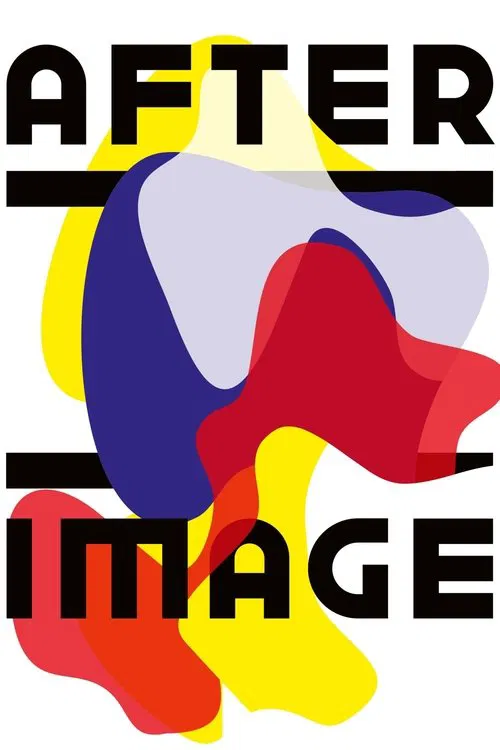
Afterimage2016
Both films structure themselves around repetition and cyclical time to explore what endures and what dies. Both are visually austere and demand complete attention.
Andrzej Wajda's final film about a Polish avant-garde artist under Stalinist repression. Like Spring, Summer, Fall, Winter... and Spring, it's formally rigorous and deeply preoccupied with cycles of creation and destruction, but it channels that through political and artistic tragedy rather than spiritual meditation.
But It's heavy, politicized, and finally quite bleak. Where Kim Ki-duk finds acceptance in cycles, Wajda finds resistance and loss. The historical context is essential to understanding it.
More like this (7)
Ikiru1952
Kurosawa's quiet masterpiece about an aging bureaucrat finding meaning in small acts before his death. Both films are about cycles, mortality, and the accumulation of small moments into a life—but Ikiru is far more humanly warm.
But It's a slow character study about an ordinary man facing death. Some viewers find its gentleness maudlin rather than moving.

Mulholland Drive2001
Lynch's fractured, hypnotic meditation on Los Angeles, desire, and identity. Both films resist linear explanation and reward patient, repeated viewing. Both create atmosphere through careful composition and repetition.
But It's deliberately fragmented and ambiguous. You won't arrive at a single 'meaning,' and its Hollywood setting and erotic content are the opposite of Spring, Summer, Fall, Winter... and Spring's asceticism.

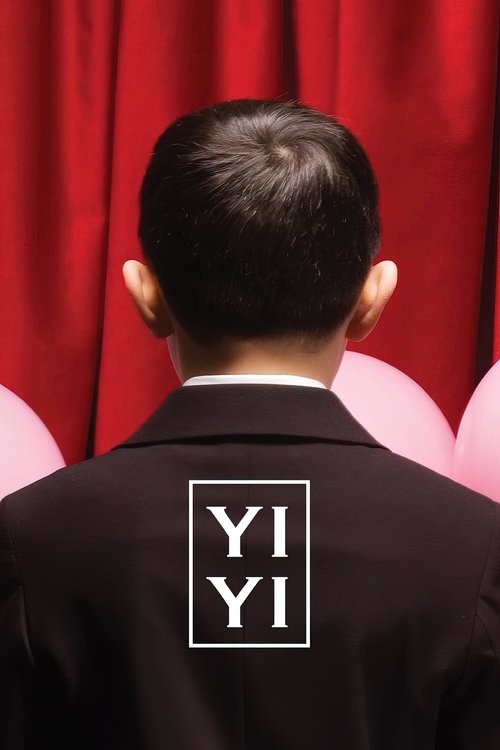
Yi Yi2000
Edward Yang's three-hour family saga in Taiwan, structured in interconnected scenes rather than a conventional plot. Like Kim Ki-duk's film, it observes multiple lives across time with formal precision and spiritual curiosity.
But It's very long and resists emotional catharsis. The vignette structure can feel repetitive, and it prioritizes reflection over resolution.
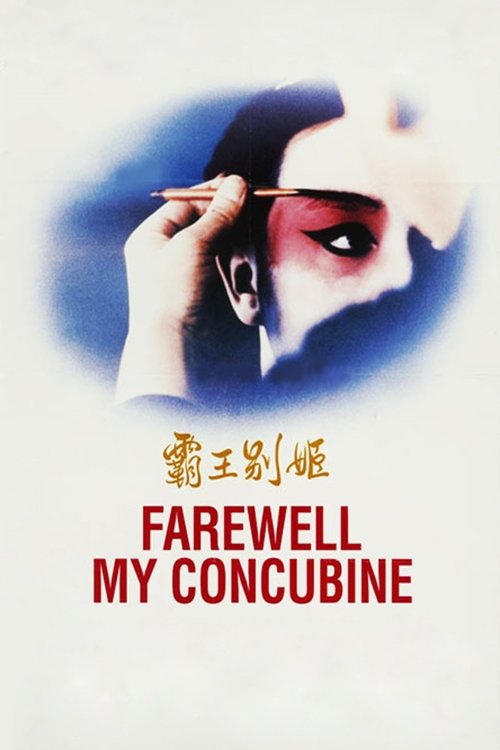
Farewell My Concubine1993
Chen Kaige's epic about two Peking Opera stars across decades of Chinese history. It shares Kim Ki-duk's interest in cycles, ritual, beauty amid suffering, and the way performance and reality blur across a lifetime.
But It's melodramatic and explicitly violent, especially in scenes of sexual assault. If you're drawn to Spring, Summer, Fall, Winter... and Spring for its serenity, this will feel abrasive.
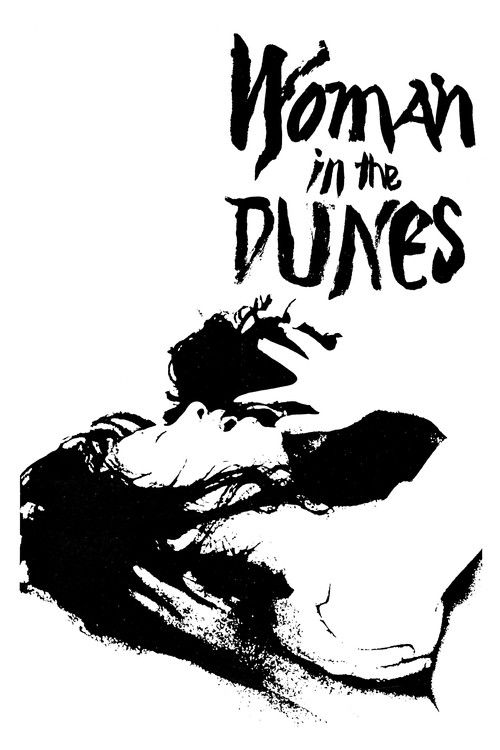
Woman in the Dunes1964
Hiroshi Teshigahara's hypnotic film about a man trapped in a sand pit with a widow. Like Kim Ki-duk's work, it's visually stunning, philosophically complex, and finds meaning in repetition and cyclical time.
But It's surreal and claustrophobic. The existential dread and marital tension may feel oppressive, and the ending won't provide conventional resolution.
Bicycle Thieves1948
Both films are about mentorship and the transmission of values from one generation to another. Both find cinema's highest calling in witnessing rather than judging.
De Sica's neorealist masterpiece about a man and boy searching for a stolen bicycle through Rome. It shares Kim Ki-duk's patient observation of daily life, its profound respect for ordinary people, and its refusal to sentimentalize suffering. Shot on location with non-actors, it feels tactile and true.
But It's shot in grainy black and white and moves at a realistic pace. If you're looking for spectacle or dramatic intensity, it can feel undramatic—just a man and a boy walking through a city.

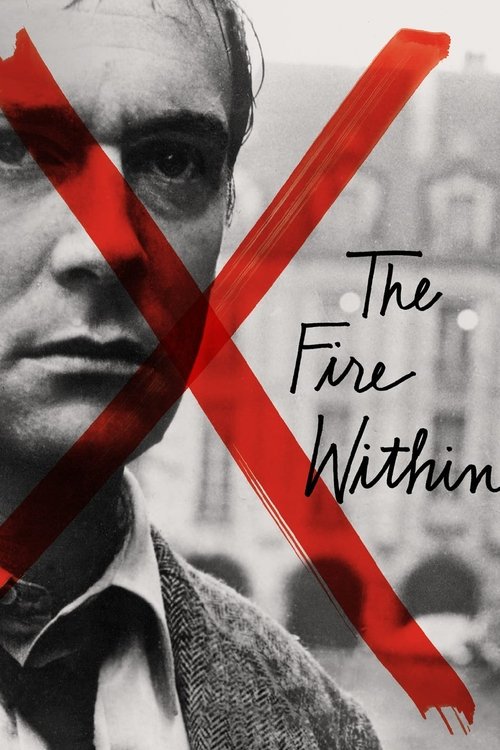
The Fire Within1963
Both films are meditations on time's passage and how lives repeat themselves. Both use long takes and patient observation. Watching them together creates a dialogue about whether cyclical time brings grace or just weariness.
Louis Malle's devastating portrait of a man's final week before suicide. Like Spring, Summer, Fall, Winter... and Spring, it observes cycles—the routines of daily life, of seasons, of a life returning to its starting point. But where Kim's film finds peace in those cycles, Malle finds only their unbearable repetition.
But It is profoundly, unflinchingly bleak. The ending is not in doubt, and the film offers no consolation or uplift. If you found Spring, Summer, Fall, Winter... and Spring spiritually comforting, this will be the opposite.
People
Cast
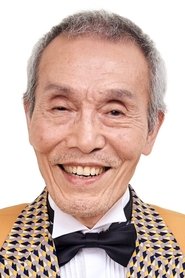 Oh Young-sooOld Monk
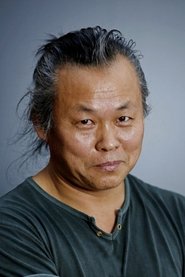 Kim Ki-dukAdult Monk
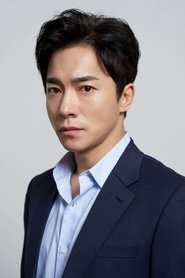 Kim Young-minYoung Adult Monk
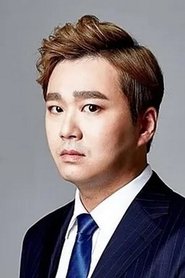 Seo Jae-kyeongBoy Monk
- Kim Jong-hoChild Monk
- Ha Yeo-jinGirl
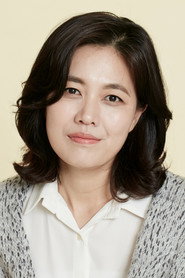 Kim Jung-youngGirl's Mother
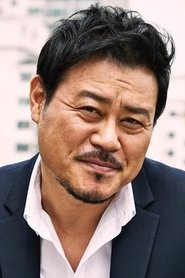 Ji Dae-hanDetective Ji
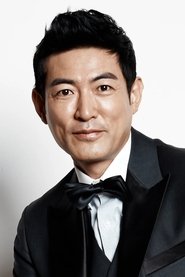 Choe MinDetective Choi
 Park Ji-aBaby's Mother
- Song Min-youngBaby
Directing
- Jang Cheol-sooAssistant Director
- Kim Ki-dukDirector
Writing
- Kim Ki-dukWriter
Production
- Jay ChoiExecutive Producer
- Karl BaumgartnerProducer
- Kim Sang-geunProducer
- Lee Seung-jaeProducer
- Raimond GoebelProducer
- Bae Jung-minProduction Manager
Recommended by
A Brighter Summer Day, Crash Landing on You, Mustang, Only God Forgives, Nagasaki: Memories of My Son, Welcome to Dongmakgol, The Puppetmaster, Uncle Boonmee Who Can Recall His Past Lives, Poetry, The Warrior, Circumstance, Starlet, Little Forest: Summer/Autumn, The Taste of Tea, Women Without Men, Ginger & Rosa, The Eel, Duck Season, Grit, Flowers of Shanghai, A City of Sadness, Passion, O Fantasma, Oasis, My Life Without Me, 3-Iron, The Story of the Weeping Camel, A Good Lawyer's Wife, Lilting, Maborosi, Shaolin Temple, Las acacias, Propaganda, Hail Mary, Heroes Two, We the Animals, Han Gong-ju, Nobody Knows I'm Here, Batang West Side, Breathless, Sri Siddhartha Gautama, The Lunatics, Eternity and a Day, A Respectable Woman, Complicity, Fatwa, Sethu...