
Film
A Brighter Summer Day
Hou Hsiao-hsien's epic follows a sensitive teenager navigating love, gang loyalty, and moral fracture in 1960s Taipei. Shot with crystalline patience, it's a film that observes rather than explains—letting violence and tenderness coexist without resolution. For those willing to sit with ambiguity and unhurried storytelling, it's transformative.
Should you watch it?
Watch it if you like slow, patient epics that build a whole city out of small rivalries, classroom talk and rooms full of family tension, and you don't need the plot to hurry toward a point.
Skip it if the running time is nearly four hours, and its pace is unhurried enough that a restless viewer may check the clock long before the story gathers force.
What it asks of you: Nearly four hours of unhurried, observational scenes, so you settle in and let small moments pile up rather than waiting for big ones.
Not sure? Find tonight's pick in a minute.
If you liked this
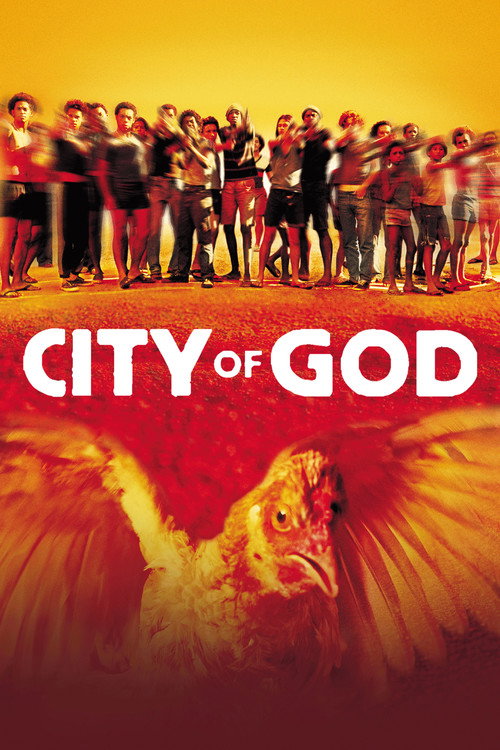
City of God2002
Another sweeping portrait of youth in an ungovernable place, where friendship and brutality are inseparable. Visually electric where *Summer Day* is still, but both refuse to sentimentalize their young protagonists.
But Much louder and faster-paced. If you want the hypnotic patience of Hou's style, this will feel aggressively edited.
Moonlight2016
Three chapters of a sensitive boy becoming a man, each filmed as a separate sensory world. Shares *Summer Day's* refusal to explain or judge, and the same melancholic understanding of how circumstance shapes identity.
But Quieter and more interior. Less plot, more feeling—which means it demands a different kind of attention than even Hou's film.

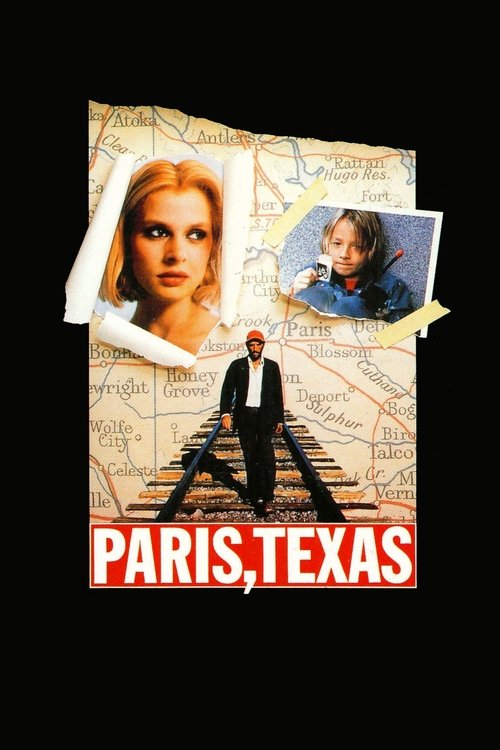
Paris, Texas1984
Wim Wenders' film of a man shadowed by his past, where landscape and silence carry more weight than dialogue. The same philosophy: show the world, trust the viewer to understand it.
But Slower still, and centrally about adult regret rather than youthful awakening. Not a comfort film by any definition.
Not sure tonight? Get a pick in a minute, starting from A Brighter Summer Day
The wildcard
Something you would not have found on your own.
The Godfather Part II1974
Both films use organized crime not as action but as a structure for thinking about how good people become complicit. Both suggest there's no moment you can point to where someone 'becomes' a criminal—it's a slow accumulation.
Two timelines, two kinds of corruption. Coppola parallels Vito's rise and Michael's descent to ask whether character or circumstance makes a gangster. *Summer Day* does this with a boy instead of dynasties—same architecture, different scale.
But Three hours and twenty minutes of 1970s Hollywood grandeur. Where Hou is spare and observant, Coppola is baroque and operatic. A completely different register.

More like this (6)
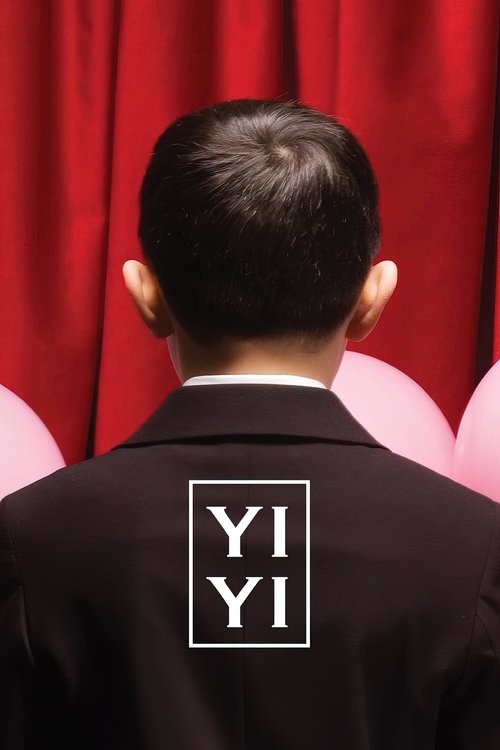
Yi Yi2000
Edward Yang (Hou's contemporary) captures Taipei life across a multigenerational family with the same unhurried observation. Shares the 1990s Taiwan New Cinema sensibility you're after.
But Over three hours and deliberately scattered. The structure mirrors life's lack of narrative—some find that profound, others frustrating.
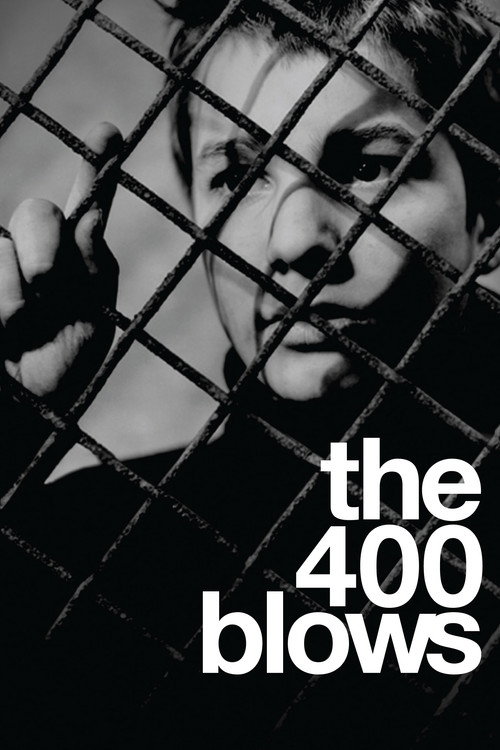
The 400 Blows1959
Truffaut's portrait of a boy adrift in postwar Paris. The spiritual ancestor of films like *Summer Day*—it's about how the world fails children, not how children fail the world.
But Released in 1959, so it shows its age visually. Also slighter in scope—a coming-of-age film rather than an epic.
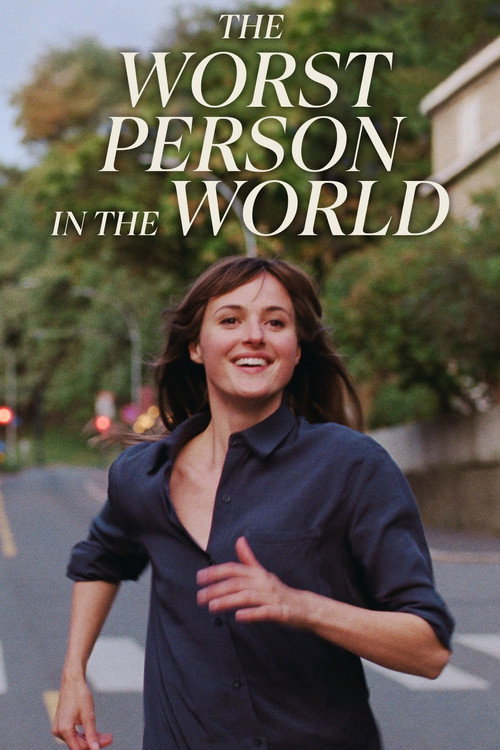
The Worst Person in the World2021
Joachim Trier's portrait of a young woman in Oslo, drifting through love and ambition. Modern, but animated by the same belief that a life doesn't need a climax to be worth watching.
But Entirely contemporary and Western. You're trading Taipei 1960 for Oslo 2010—a very different world.
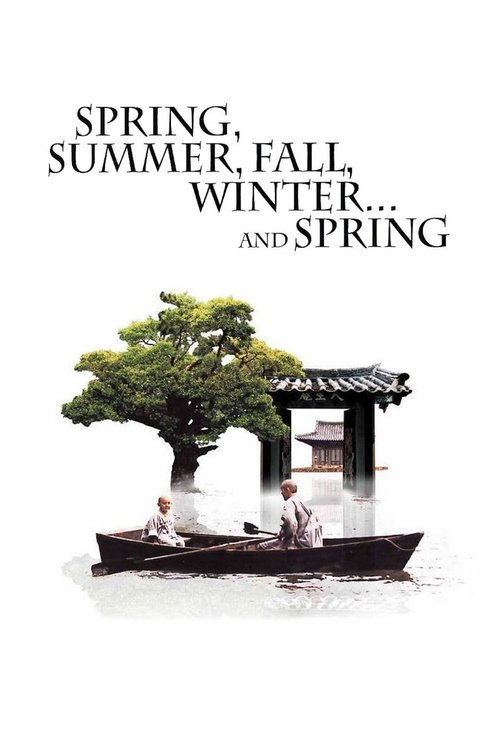
Spring, Summer, Fall, Winter... and Spring2003
Kim Ki-duk's Buddhist parable, set on a temple floating in water. Another meditation on how violence and grace coexist; another refusal to resolve what it shows you.
But Highly stylized and allegorical. The beauty can feel like it's in the way of feeling; some viewers find that cold.
Stalker1979
Both films treat their settings—Taipei 1960, the mysterious Zone—as landscapes where moral and emotional clarity dissolves. Both argue that you cannot step outside the world to judge it. Both are about what you cannot know about others.
Andrei Tarkovsky's science-fiction film about a guide leading people through a mysterious zone. Visually monumental but thematically intimate—about desire, faith, and whether meaning exists or we just project it. Shares *Summer Day's* philosophical patience and refusal to explain.
But Soviet sci-fi from 1979. Deliberately slow, formally severe, asking you to contemplate rather than follow. Some find it transcendent; others find it an endurance test.

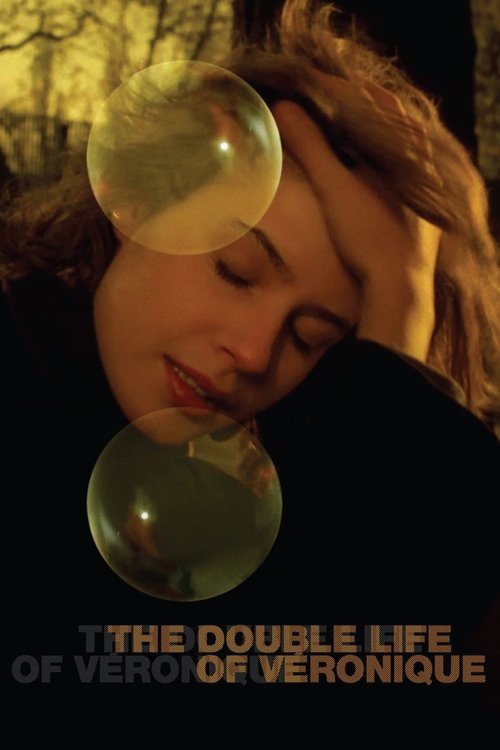
The Double Life of Véronique1991
Both films released in 1991 and both animated by a haunting belief in the role of chance and hidden structure. Where *Summer Day* shows a boy destroyed by social forces, *Véronique* suggests forces that are almost metaphysical. They're asking the same question from opposite angles: how much do we understand about why our lives unfold as they do?
Released the same year as *Summer Day*, Kieślowski's film about two women separated by fate and chance. Luminous, dreamlike, and structured around the idea that life contains hidden doubles and parallels we can't quite grasp. Same year, same meditation on hidden connection.
But Polish cinema with a completely different aesthetic—lush, symbolic, almost magical realist where Hou is documentary-like. More interior, more mysterious, fewer anchors to reality.
People
Cast
 Chang ChenXiao Si'r
 Lisa YangMing
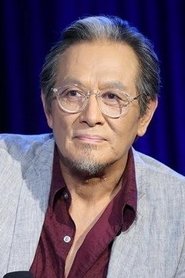 Chang Kuo-ChuFather
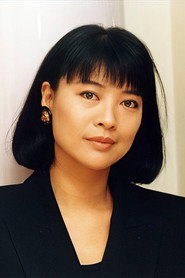 Elaine Jin Yan-LingMother
 Wang ChuanEldest Sister
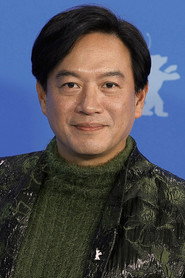 Chang HanElder Brother
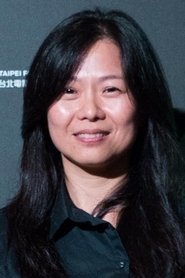 Chiang Hsiu-ChiungMiddle Sister
- Stephanie LaiYoungest Sister
 Lawrence KoAirplane
- Chang Ming-HsinUnderpants
Directing
- Angelika WangAssistant Director
- Qu You-ningAssistant Director
- Edward YangDirector
Writing
- Alex YangWriter
- Edward YangWriter
- Mingtang LaiWriter
- Yen Hung-yaWriter
Production
- Jan Hung-TzeExecutive Producer
- Yu Wei-YenProducer
- Wu ChuangProduction Manager
- Jiang Feng-ChytSupervising Producer
- Sui Je ChengSupervising Producer
Recommended by
Once Upon a Time in America, To Live, The Puppetmaster, Manshin: Ten Thousand Spirits, Uncle Boonmee Who Can Recall His Past Lives, The American Friend, The Power and the Glory, Film Stars Don't Die in Liverpool, Stan & Ollie, Love, Gilda, I Was Born, But..., Summer 1993, Dreams, Hometown Cha-Cha-Cha, The Ceremony, Sunset Song, In the Gloaming, Love Exposure, Millennium Mambo, The Flowers of War, Taipei Story, The Eternal Husband, A Summer at Grandpa's, Oasis, The Super 8 Years, Mishima: A Life in Four Chapters, All in the Family, Jewel Thief, The Concubine, The Story of the Stone, Summerfield, Late Autumn, Saigon, Happy Christmas, Return of the One-Armed Swordsman, The Sea Is Watching, The Boxer from Shantung, Adagio, One Child Nation, Early Summer, Violet Evergarden: The Movie, Òlòtūré, April Story, Odd Obsession, The Sailor Who Fell from Grace with the Sea, The Ballad of the Sad Cafe, My Happy Family, Sound of the Mountain, The Kitchen, Vijaypath, Possible Love