
Film
The Eternal Husband
- Drama
- Tragic romance
- Very dark
A Dostoyevsky adaptation centered on a cuckold's obsessive pursuit of his wife's lover, spiraling into psychological torment and moral ambiguity. Raimu, France's greatest actor, delivers a haunting final performance as a man consumed by the need for vengeance that destroys him more than anyone else. Bleak, intelligent, utterly unsparing about human weakness.
Should you watch it?
Watch it if you love a slow-burning psychological study where the tension lives in a man's obsessive, wounded silences and the quiet cruelty of ordinary respectability.
Skip it if you want brisk plotting or a clear moral center, since this film lingers on one man's humiliation and offers little relief or lightness along the way.
What it asks of you: Ninety minutes of patient, interior watching, with a dark, heavy tone and your full attention on faces and pauses rather than on incident.
Not sure? Find tonight's pick in a minute.
If you liked this
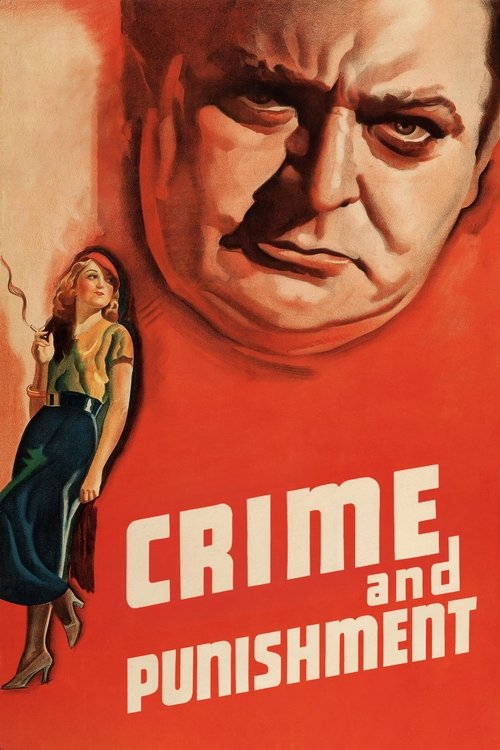
Crime and Punishment1935
Also adapted from Dostoyevsky, this explores guilt and moral collapse with the same philosophical intensity and murky atmosphere. If you're drawn to the Russian writer's psychology on screen, this is essential.
But It's slower and more cerebral than most 1930s cinema; impatience with internal states kills it fast.
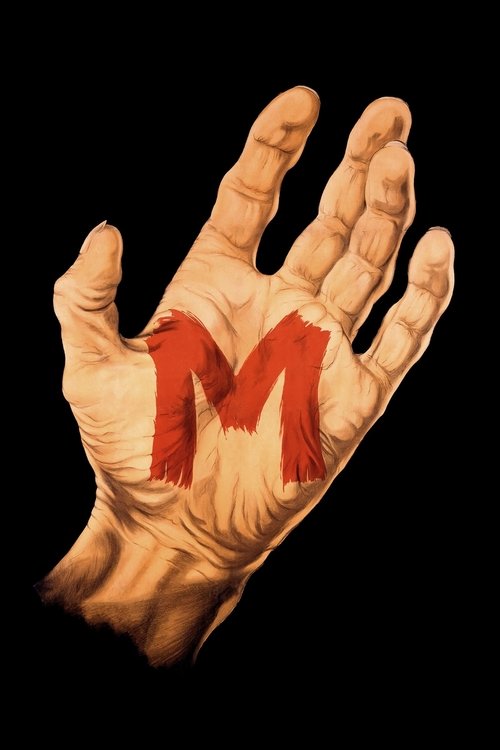
M1931
Fritz Lang's masterpiece about obsession and the hunter becoming the hunted. Like *The Eternal Husband*, it's about a man consumed by pursuit, the line between justice and revenge, and the madness that consumes both pursuer and pursued.
But It's bleak, oppressive, and offers no catharsis—some will find it exhausting rather than gripping.
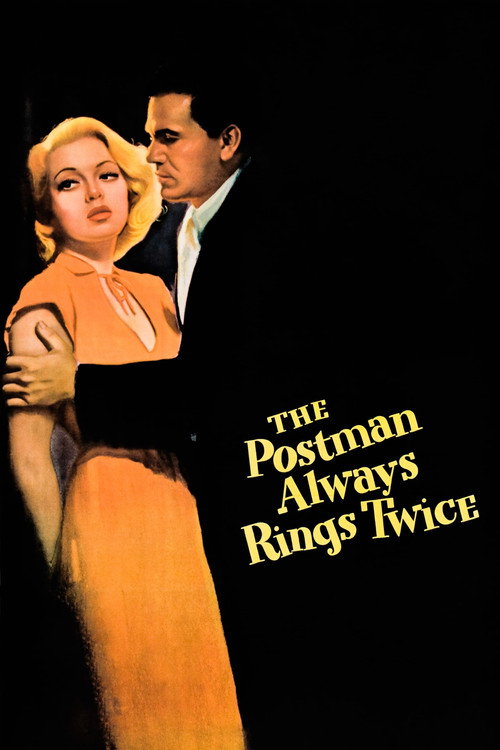
The Postman Always Rings Twice1946
Released the same year, this American noir also grapples with infidelity and the corrosive effect of desire on men. Lana Turner and John Garfield spark in ways that make the moral wreckage feel earned and terrible.
But It's glossier and more plot-driven than *The Eternal Husband*; you might want the psychological depth to go deeper.
Not sure tonight? Get a pick in a minute, starting from The Eternal Husband
The wildcard
Something you would not have found on your own.
Ikiru1952
Both are about men consumed by an all-encompassing inner state—rage and vengeance in Raimu's case, regret and the need for redemption in Watanabe's. Both refuse to let the protagonist off the hook, and both suggest that the worst prisons are the ones we build inside ourselves.
Kurosawa's film about a dying bureaucrat seeking meaning after a wasted life. Like *The Eternal Husband*, it's an anatomization of obsession and the question of what we owe ourselves versus what we've sacrificed. The psychological spiral is the entire film.
But Japanese cinema from this era moves at its own pace; it requires surrender rather than entertainment.

More like this (6)
Bitter Lake2015
A glacial, devastating film about a marriage fractured by infidelity and the husband's inability to move forward. It has *The Eternal Husband's* refusal to let anyone off the moral hook or provide easy answers.
But It's punishingly slow and offers virtually no dramatic incident; many will find it more endurance test than art.
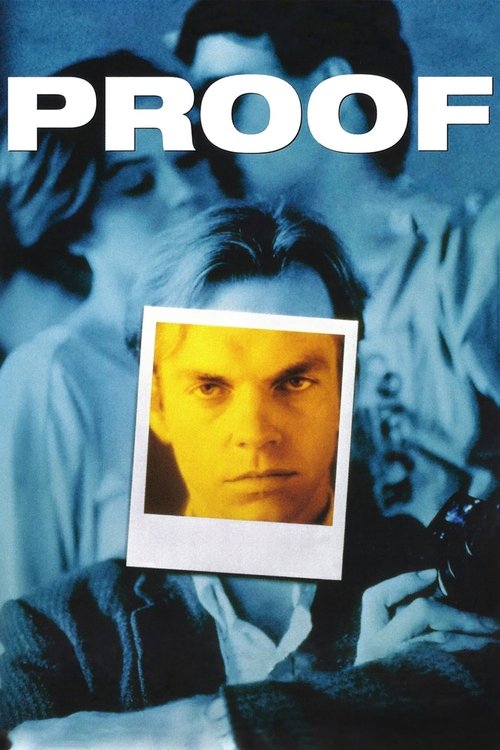
Proof1991
David Hemmings' meditation on jealousy, trust, and the unreliability of what we think we know about those closest to us. Intimate, intellectually rigorous, and deeply unsettling in its implications.
But It's Australian and deliberately obscure; the emotional core takes patience to locate.
Contempt1963
Godard's film about a marriage imploding under the weight of infidelity, money, and ego. Beautiful and agonizing; it dissects how easily intimacy curdles into contempt.
But It's deliberately fragmentary and anti-narrative; some see it as pretentious rather than profound.

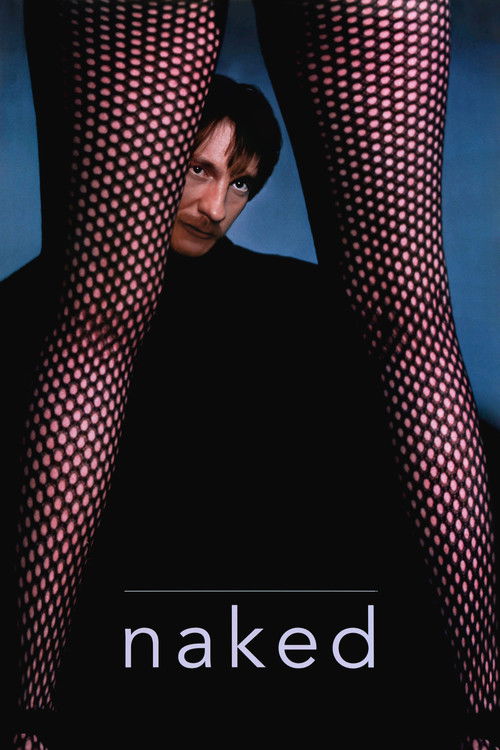
Naked1993
Mike Leigh's savage, brilliant film about a man adrift after his woman leaves him. The rage and self-destruction echo the obsessive bitterness of *The Eternal Husband*, but with English working-class realism.
But It's extremely bleak and often nasty; the protagonist is not sympathetic, and neither is the world he inhabits.
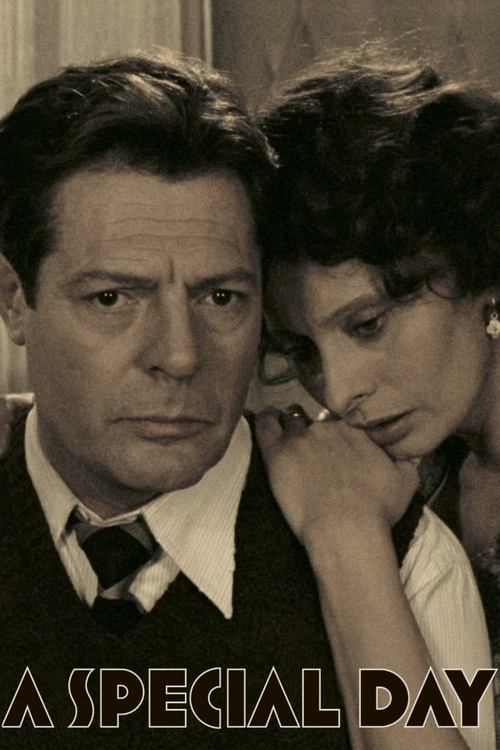
A Special Day1977
Scola's film about two people meeting during Mussolini's Rome, touching on desire, duty, and the lies marriages require. It has the same melancholy intelligence about human weakness and the impossibility of escape.
But It's deliberately subtle and indirect; the emotional power takes time to accumulate and not everyone will stick with it.
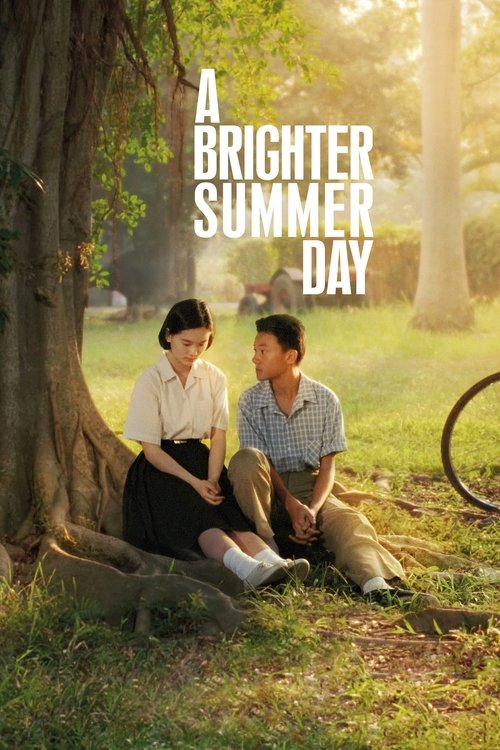
A Brighter Summer Day1991
Both films argue that revenge is a kind of madness that replicates itself. Yang frames it in a youth gang context, but the anatomy is identical: once you commit to the pursuit, you become the thing you despise. The emotional temperature is totally different—Yang is almost epic in scale—but the moral argument is the same.
Edward Yang's four-hour Taiwanese epic about adolescent gangs, honor, and the inability to escape the logic of revenge once you enter it. Structurally and thematically it mirrors *The Eternal Husband*: obsession, humiliation, and the cycle that cannot be broken.
But It's extremely long, in Mandarin, and requires real attention; the payoff is intellectual and emotional rather than plot-based. Many will find it exhausting.
People
Cast
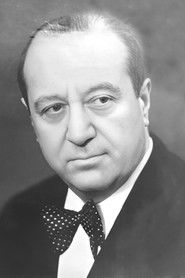 RaimuNicolas Pavlovitch
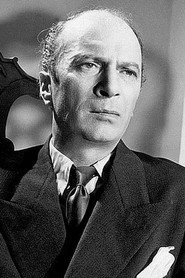 Aimé ClariondMichel
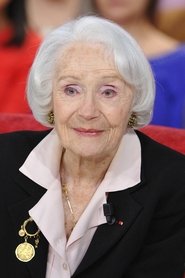 Gisèle CasadesusMarie
 Arlette MerryMathilde
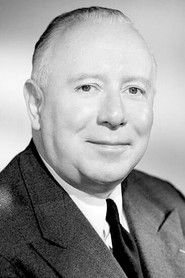 Louis SeignerMagistrat
 Jane MarkenAmélie
 Made SiaméGoverness
- Thérèse MarneyClotilde
- Maud LamyElisabeth
 Colette GeorgesAdéläide
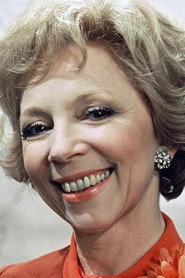 Micheline BoudetAgathe Zakhlebinina
- Lucy ValnorLittle Lisa
Directing
- Pierre BillonDirector
Writing
- Charles SpaakAdaptation
- Jean LoubignacAdaptation
- Pierre BriveAdaptation
- Fyodor DostoevskyNovel
Production
- Paul-Edmond DecharmeProducer