
Film
Proof
Other titles called Proof: the 2005 film, the 2015 series (TNT).
A tense, intimate chamber drama about Martin, a blind photographer caught between two people who love him in entirely different ways. Jocelyn Moorhouse's debut is a study in jealousy, desire, and the stories we construct about those we need. Austere, unsettling, visually ingenious about blindness itself. For viewers who prize emotional complexity over comfort.
Should you watch it?
Watch it if you enjoy talky, character-led films where ideas about seeing, truth and trust come out through small arguments between people, and you don't mind a love story that stays uneasy.
Skip it if you want a tidy romance or brisk plot; this is slow to warm, largely people talking in rooms, and its jealousy can grate more than it moves you.
What it asks of you: Expect a lean, unhurried 90 minutes that lets long conversations breathe, with the emotional weight arriving in quiet stretches rather than set pieces.
Not sure? Find tonight's pick in a minute.
If you liked this
Mulholland Drive2001
David Lynch's fractured study of obsession and identity in LA. Like Proof, it's built on unreliable narration and the gap between what we see and what's true. Both films make you actively mistrust the surface.
But Demands active reassembly on your part. If you want clarity and closure, this will frustrate you deeply.

In the Mood for Love2000
Wong Kar-wai's exquisite exploration of longing and thwarted connection. Both films are fascinated by what bodies communicate when speech fails, and both move with deliberate, almost choreographed precision.
But Measured to the point of slowness. If you need plot momentum and dialogue, you'll find it languorous and remote.

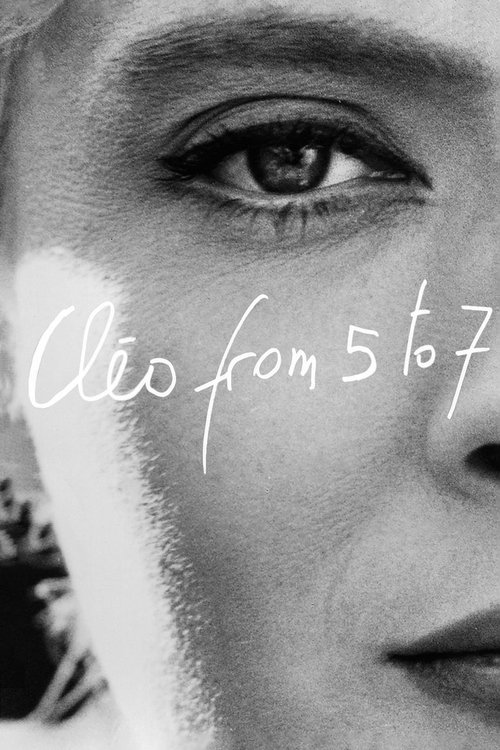
Cléo from 5 to 71962
Agnès Varda tracks a woman's psychological unraveling in real time across ninety minutes. Like Proof, it's a masterclass in how cinema can map interior states. Both trust the audience to read silence and gesture.
But Very little happens in the conventional sense. Its power lies entirely in observation, which some find tedious rather than hypnotic.
Not sure tonight? Get a pick in a minute, starting from Proof
The wildcard
Something you would not have found on your own.
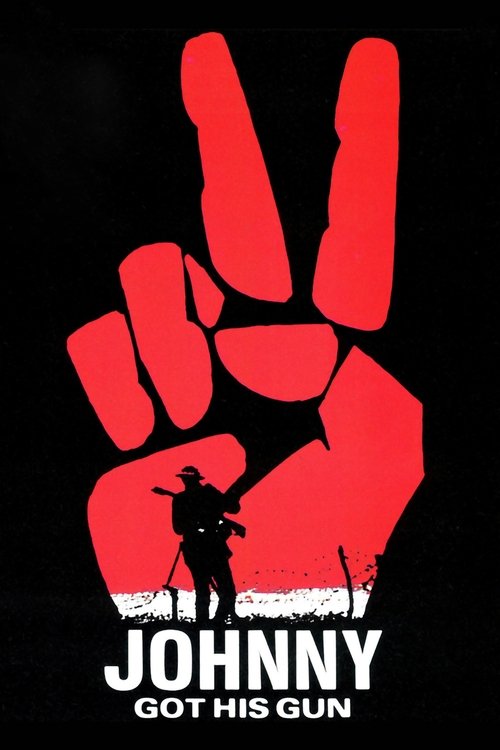
Johnny Got His Gun1971
Both films use physical limitation (blindness, paralysis) as a mirror for emotional and relational truths rather than mere plot devices.
Dalton Trumbo's anti-war film about a soldier trapped in a body he can't control. Like Proof, it's a radical meditation on how we relate to people we cannot fully reach—and it uses sensory deprivation as both form and content. A howl disguised as cinema.
But Genuinely difficult. It's angry, explicit, and refuses to soften its premise. Not for viewers seeking catharsis or distance from suffering.
More like this (7)
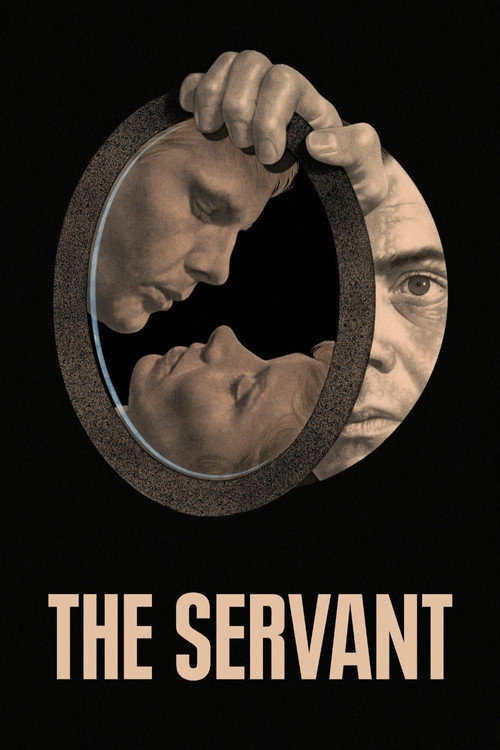
The Servant1963
Joseph Losey's baroque dissection of power, desire, and manipulation. Two men, one woman, a claustrophobic space, and a truth that keeps shifting. The same fever-dream logic as Proof, but in shadows and class warfare.
But Dense, airless, and morally opaque. It won't give you anyone to root for or comfortable distance from the mess.
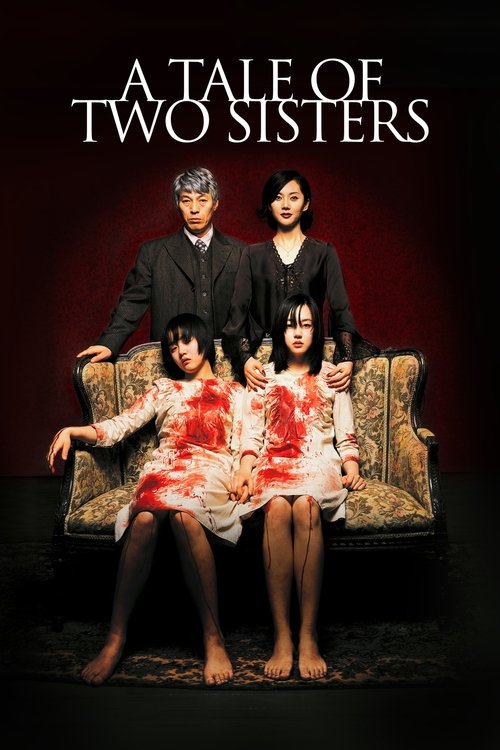
A Tale of Two Sisters2003
A South Korean psychological horror that uses color and geometry the way Proof uses photography and blindness—as a language for internal contradiction. Both films make form inseparable from meaning.
But The plot reveal divides viewers sharply. Some find it reductive; others say it unlocks everything. You may be angry either way.
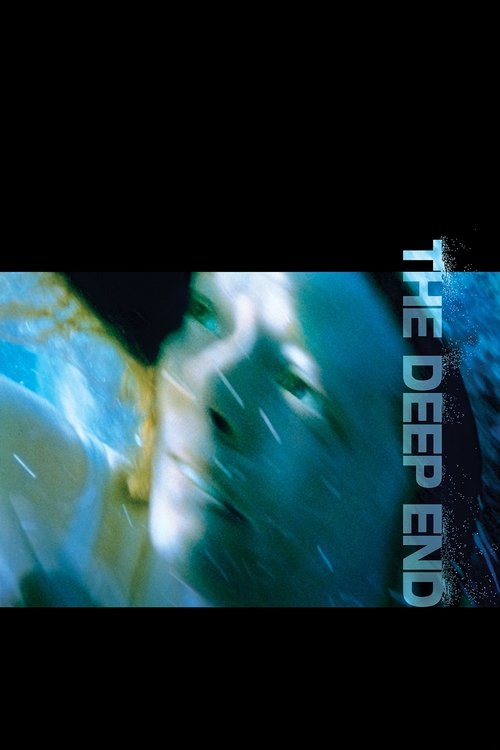
The Deep End2001
Taut Sundance film about a woman protecting someone she loves from scrutiny. Like Proof, it examines how love can become obsession, and obsession can become destructive. Both prize emotional accuracy over likability.
But Deliberately paced and morally murky. It won't reassure you that protection and possession are different things.
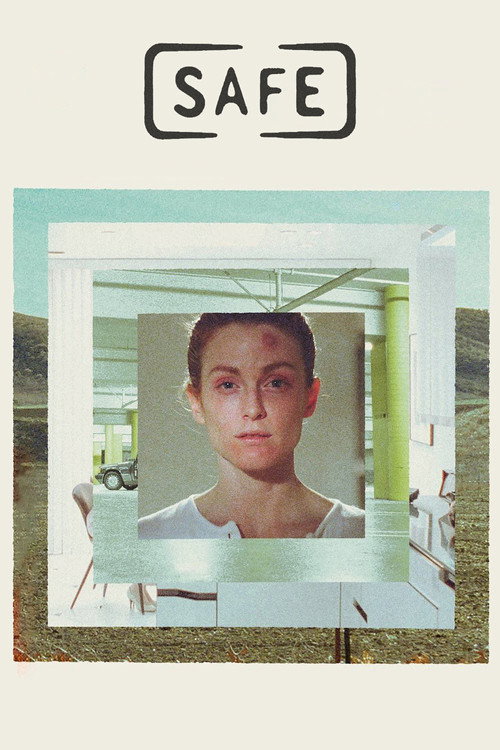
Safe1995
Todd Haynes' study of a woman's mysterious illness and isolation. Both films are about people trapped—Proof in emotion, Safe in the body itself. Both ask uncomfortable questions about dependency and truth.
But Bleak and genuinely unsettling. It offers no catharsis and questions whether clarity is even possible.
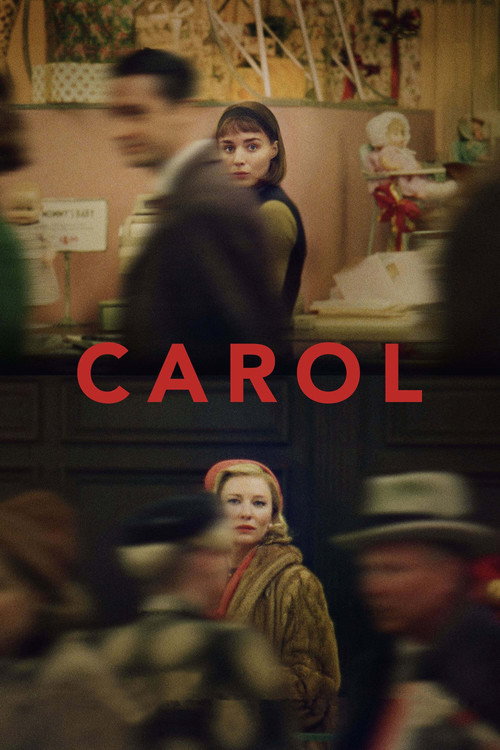
Carol2015
Todd Haynes again, this time on desire and the impossibility of certain loves. Like Proof, it's deeply interested in how jealousy and devotion become confused, and what we're willing to sacrifice.
But Quiet and restrained when you might want passion. The restraint is intentional, but it can feel muted.
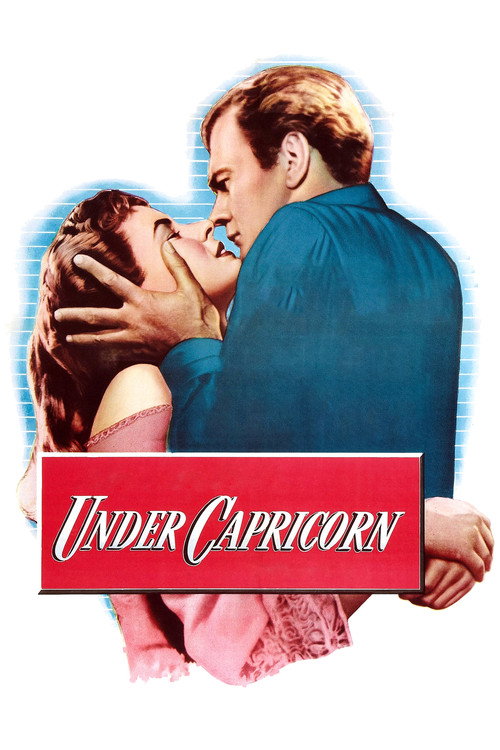
Under Capricorn1949
Hitchcock's overlooked chamber piece about a woman's credibility and a man's jealousy in colonial Australia. Both films are fascinated by gaslighting, unreliable memory, and who gets to define truth.
But Stagey by design, and Hitchcock's experiments with long takes can feel mannered. It's baroque where Proof is spare.
Synecdoche, New York2008
Both films are about artists (a photographer, a theater director) who use their work to avoid confronting the people actually in front of them.
Charlie Kaufman's maze of a film about art, self-deception, and the impossibility of capturing truth. Like Proof, it's obsessed with how we construct narratives about people we need, and how those narratives collapse. A tonal cousin to Moorhouse's austerity, but deliberately fragmented.
But Intellectually demanding and deliberately confusing. It rewards multiple viewings and rewards none of them with comfort or clarity.

People
Cast
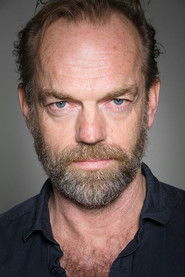 Hugo WeavingMartin
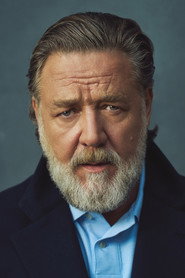 Russell CroweAndy
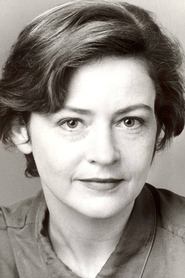 Geneviève PicotCelia
 Heather MitchellMartin's Mother
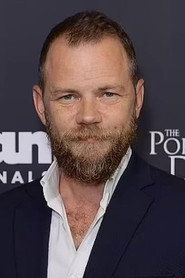 Jeffrey WalkerYoung Martin
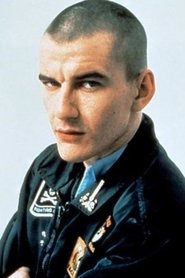 Daniel PollockPunk
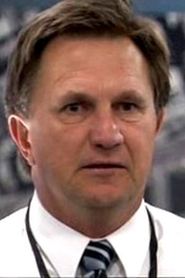 Frankie J. HoldenBrian
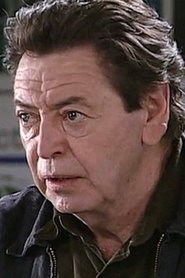
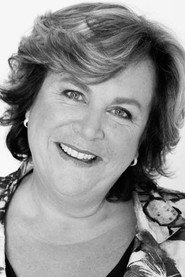 Saskia PostWaitress
- Belinda DaveyDoctor
- Cliff EllenCemetery Caretaker
- Tania UrenCustomer
Directing
- Anne WentContinuity
- Jocelyn MoorhouseDirector
- Tony MahoodFirst Assistant Director
- Julie BurtonSecond Assistant Director
- P.J. HoganSecond Unit Director
Writing
- Jocelyn MoorhouseWriter
Production
- Gregory AppsCasting
- Lynda HouseProducer
- Jakki MannProduction Coordinator
- Catherine BishopProduction Manager
- Robert GrahamUnit Manager
Recommended by
White Mischief, Copenhagen, The Eternal Husband, My Brilliant Career, Hands of Steel, The Woman Next Door