
Film
The Deep End
- Family drama
- Crime
- Crime thriller
- Very dark
A glacial psychological thriller about a mother protecting her son after a death on their lakeside property forces her into increasingly dark choices. Tilda Swinton's Margaret Hall is all controlled surfaces masking maternal desperation, watching her own complicity deepen with each decision. Morally ambiguous, visually spare, and deeply unsettling—for viewers who prize character study over plot mechanics.
If you liked this
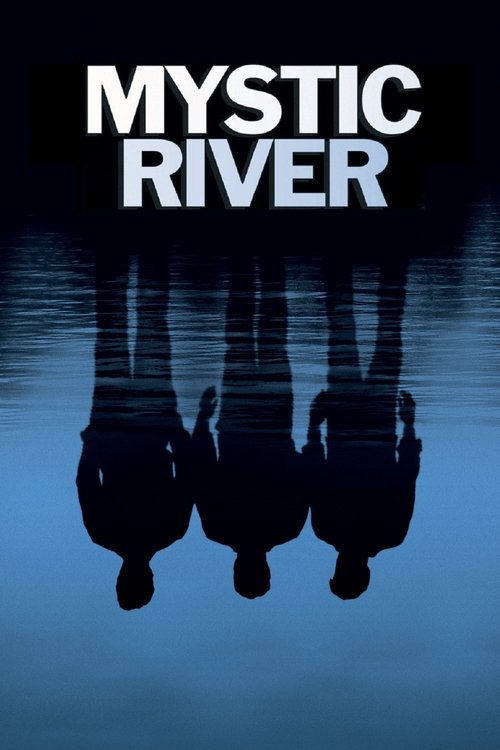
Mystic River2003
Three men reckoning with a murder connected to their childhood, each forced to confront what they're willing to do for those they love. Dense, powerful, and morally corrosive in exactly the way The Deep End is.
But Nearly three hours long, and the emotional weight builds relentlessly—not a film that lets you off easy or offers catharsis.
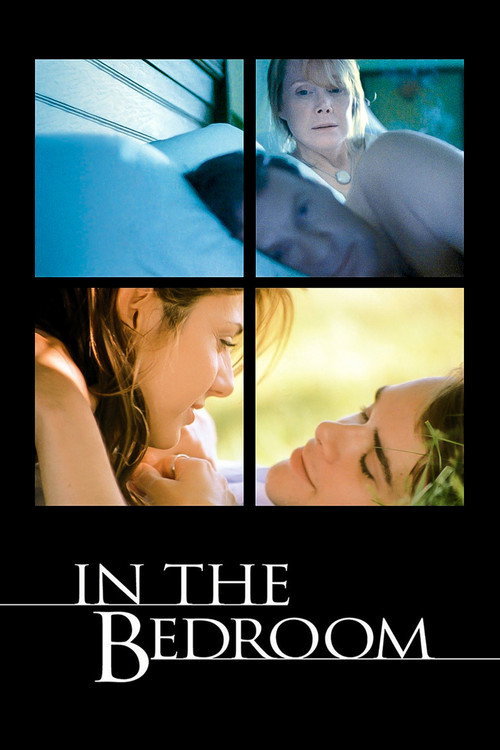
In the Bedroom2001
A couple's marriage fractures after their son's death, then fractures further when they pursue vengeance. Quietly devastating, with the same precise moral anatomy as The Deep End and a similar faith in understated acting.
But Slow-burn grief with no resolution to speak of—some will find it punishing rather than illuminating.
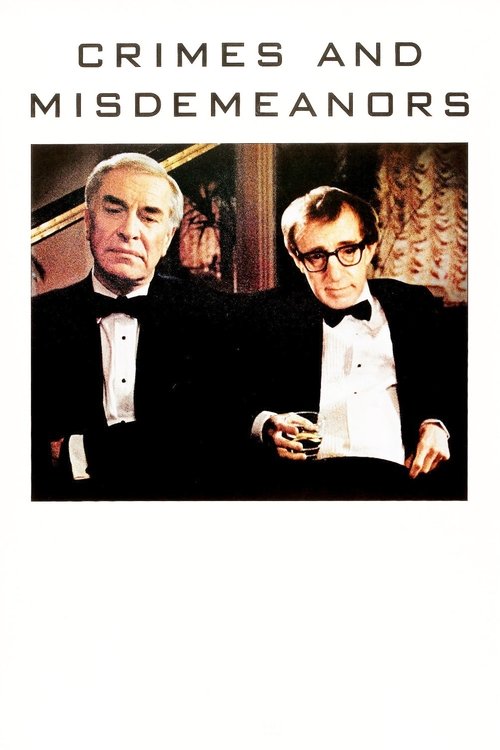
Crimes and Misdemeanors1989
Woody Allen's masterpiece about a man who commits murder and faces his conscience, structured around the question of whether moral law actually exists. Funny and philosophical, but ruthlessly clear-eyed.
But Allen's neurotic voice dominates; if you can't abide his sensibility, the whole film collapses for you.
Not sure tonight? Get a pick in a minute, starting from The Deep End
The wildcard
Something you would not have found on your own.
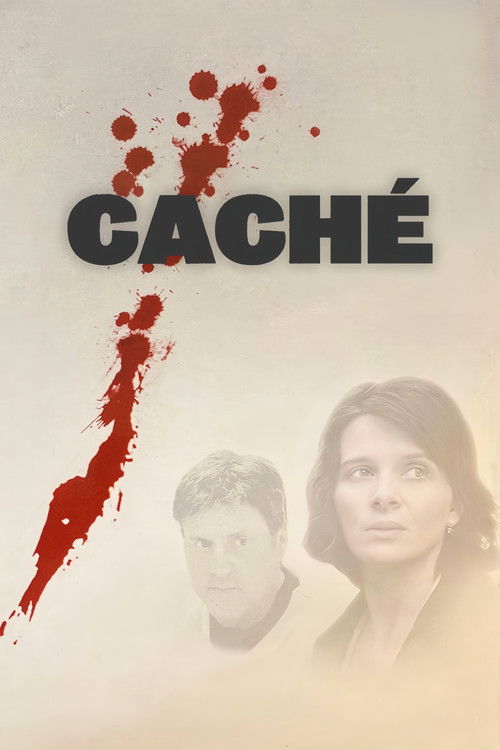
Caché2005
Both examine how ordinary people rationalize increasingly indefensible choices by convincing themselves they're protecting something sacred. Both are anchored by performances of buried panic.
A couple receives videotapes of their home being filmed, spiraling into paranoia and then forced self-examination about their complicity in colonial atrocity. Michaël Haneke's film is glacial, philosophical, and absolutely merciless about what we don't want to see.
But Haneke offers no resolution and minimal plot momentum. It's a film about avoidance and repressed guilt with no cathartic reckoning—some will find it pretentious or pointless.
More like this (8)
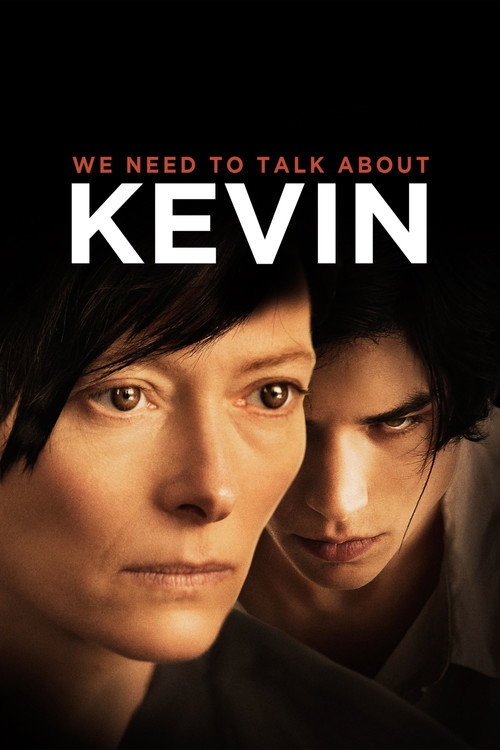
We Need to Talk About Kevin2011
A mother interrogates her relationship with her son after he commits atrocity, using fractured chronology and fierce visual language. Like The Deep End, it asks what a mother owes, and at what cost.
But Punishingly bleak and occasionally heavy-handed. The fractured structure can feel mannered rather than moving.
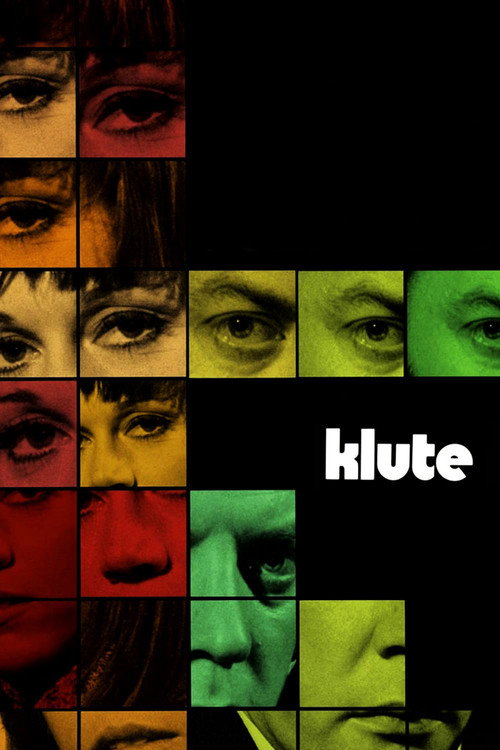
Klute1971
Jane Fonda is a sex worker entangled with a detective hunting a killer. Slow, strange, and utterly committed to ambiguity—a thriller that trusts you to live in uncertainty rather than resolve it.
But The pacing is glacial and the plot sparse. If you want momentum and answers, this will feel like nothing happens.
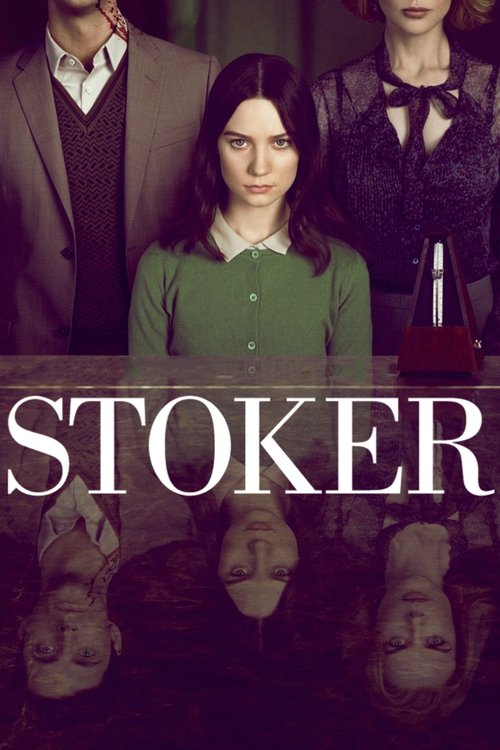
Stoker2013
Park Chan-wook's American debut: a young woman's world tilts when an uncle arrives after her father's death. Gorgeous, perverse, and genuinely unsettling in its exploration of desire and family loyalty.
But Deliberately artificial in tone—the style can feel more important than the substance, and it's less a mystery than a descent into Gothic family pathology.
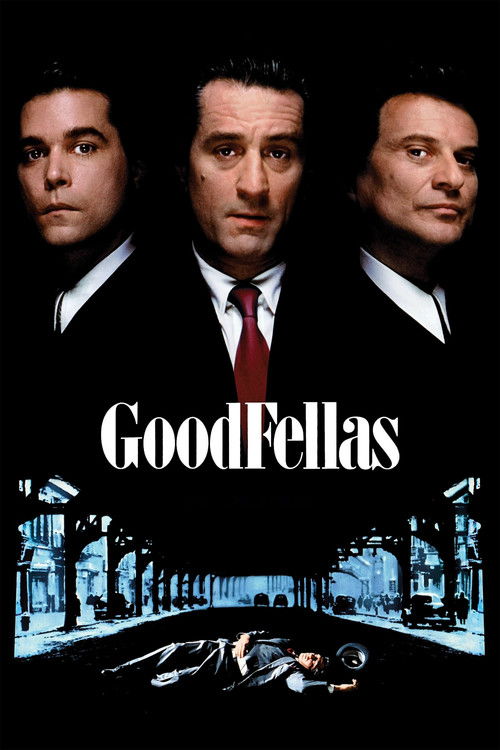
GoodFellas1990
Henry Hill's rise through the mob, told with infectious energy and moral vertigo. You understand why he does it, you almost enjoy the ride, and then you're complicit too. Scorsese's masterclass in seduction.
But Nearly two and a half hours of criminal behavior treated with exhilaration rather than judgment—if that bothers you, so does the whole film.
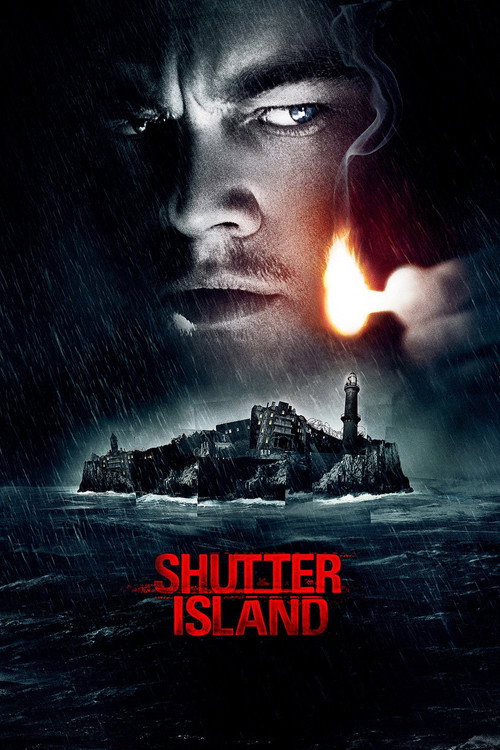
Shutter Island2010
A U.S. Marshal investigates a disappearance on an island asylum, but the investigation becomes a descent into psychological horror and moral compromise. Atmospheric and methodical, with a final act that reframes everything.
But The twist is divisive—many find it manipulative or view it as invalidating the entire narrative. If you hate being played with, you'll resent this.
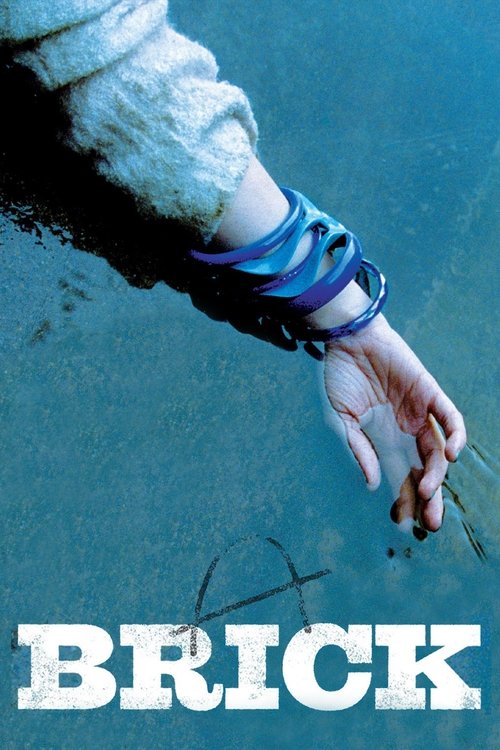
Brick2006
A high schooler investigates his ex-girlfriend's death using noir tropes and brutal logic. Clever puzzle-box plotting with genuine stakes and a protagonist whose rationality becomes its own form of damage.
But The stylization—hard-boiled dialogue filtered through teenage characters—can read as affectation. It's also graphically violent in ways that jar against the indie-film aesthetic.
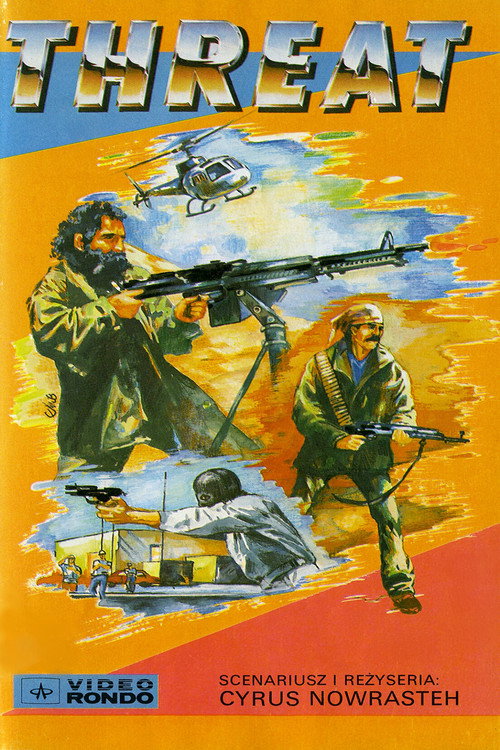
Veiled Threat1989
Like The Deep End, it's structured around a woman protecting family while embedded in a world with its own unspoken rules. Both explore how morality works differently depending on who witnesses it.
A limited series (four episodes) about a woman managing secrets within an Orthodox Jewish community after a man's death implicates her family. It moves with noir precision while treating its world with genuine ethnographic respect—the claustrophobia of both genre and community.
But The pacing is slow and the world-building assumes patience with unfamiliar codes. If you watch TV for plot, you'll find it frustratingly deliberate.
A Prophet2009
Both trace the moment someone first compromises their principles to protect themselves, then follow the mathematics of how that debt compounds. Both are visually precise about the cost.
A young man enters prison and makes brutal choices to survive, eventually ascending to power. Jacques Audiard's film is propulsive, brutal, and gorgeous—a character study that happens to be a thriller, tracking how ambition and self-preservation corrode ethics.
But It's in French, and it's unflinching about prison violence and exploitation. The moral trajectory is downward all the way—no redemption, no recovery, no rest.

People
Cast
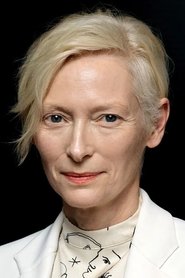 Tilda SwintonMargaret Hall
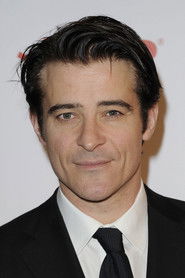 Goran VišnjićAlek Spera
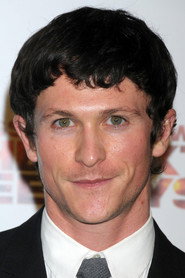 Jonathan TuckerBeau Hall
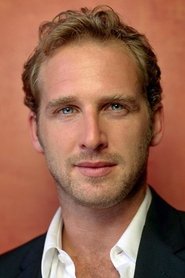 Josh LucasDarby Reese
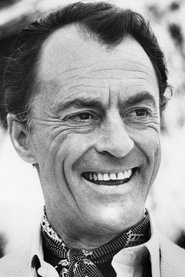 Peter DonatJack Hall
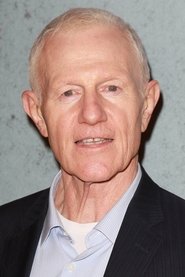 Raymond J. BarryCarlie Nagel
 Tamara HopePaige Hall
 Jordon DorranceDylan Hall
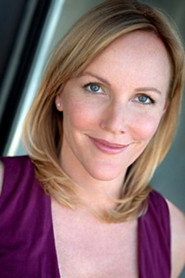 Heather MathiesonSue Lloyd
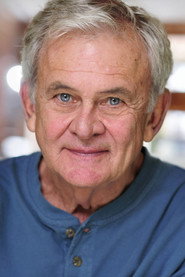 Holmes OsborneLoan Officer
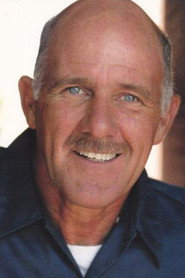 Richard GrossDeputy Sheriff
- Kip MartinBYD
Directing
- David SiegelDirector
- Scott McGeheeDirector
- Rebecca FultonScript Supervisor
- Craig BordenSecond Assistant Director
Writing
- Elisabeth Sanxay HoldingNovel
- David SiegelWriter
- Scott McGeheeWriter
Production
- Mindy MarinAssociate Producer
- Mindy MarinCasting
- Amanda HardingCasting Associate
- Laura GreenleeCo-Producer
- Robert H. NathanExecutive Producer
- David SiegelProducer
- Scott McGeheeProducer
- Beth DePatieProduction Manager