
Film
Caché
Michael Haneke's coldest, cleverest provocation: a comfortable Parisian couple starts receiving surveillance tapes of their own house, and the mystery peels back into a buried moment of national and personal guilt. It's less thriller than moral interrogation, shot with clinical stillness and almost no music. Watch it for the dread that never resolves into comfort — for people who like unease.
If you liked this
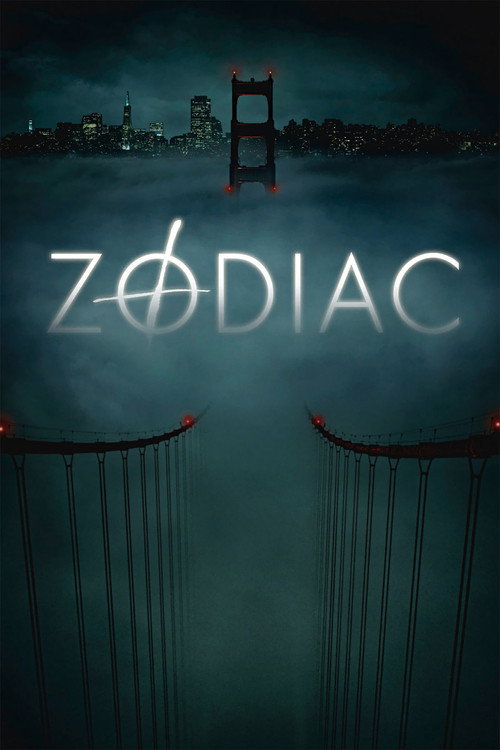
Zodiac2007
David Fincher's masterful procedural follows the hunt for a killer who's never caught, and the men who let that unresolved horror consume their lives — the same slow-burn dread of a mystery that refuses to resolve.
But It's over two and a half hours of meticulous obsession with almost no release — patience-testing if you need a killer caught by the end.
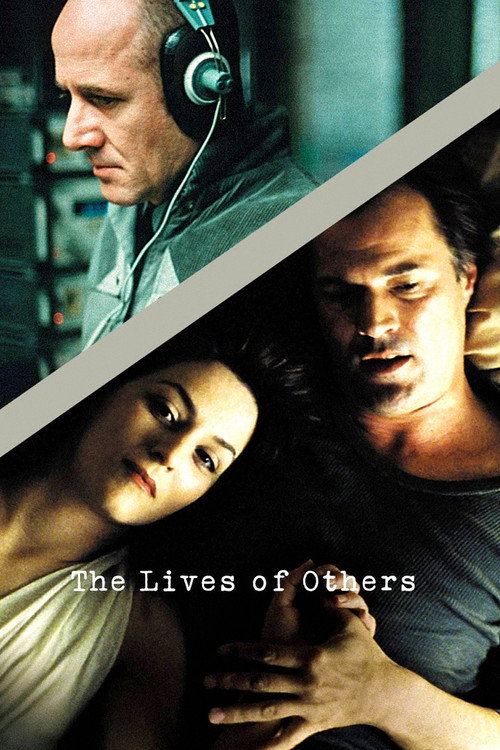
The Lives of Others2006
A Stasi officer surveils a playwright in East Berlin and slowly gets implicated in his own watching — the same idea that observation corrodes the observer, played out against real state paranoia.
But Subtitled, slow-building, and unabashedly sincere where Haneke stays cold — some find its emotional payoff a little too tidy.
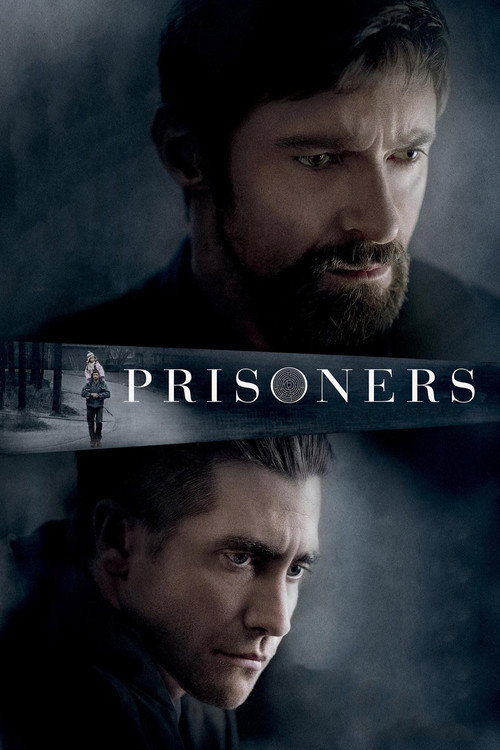
Prisoners2013
Two families' children vanish and the search unravels the guilt and rot hiding beneath a quiet suburb — the same sense that comfortable lives are built over something unspeakable.
But It's grim, violent, and more interested in punishing its characters than Haneke ever is — a much blunter instrument.
The wildcard
Something you would not have found on your own.
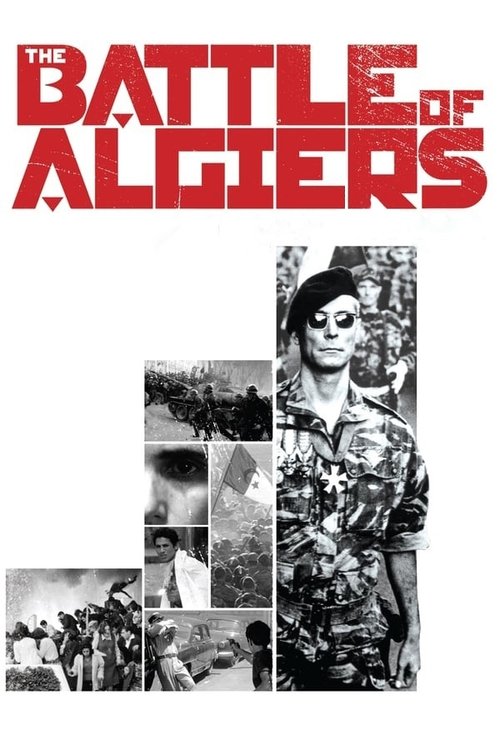
The Battle of Algiers1966
Caché's buried secret is the Algerian War and the 1961 Paris massacre it never names outright; this is the film that dramatizes that war directly, made just four years after independence, with the same documentary-cold eye.
Shot like raw newsreel footage, this recreates the Algerian War of Independence with a moral clarity Haneke's film deliberately withholds — essential context for what Caché is actually about.
But It's a 1966 war film with no stars you'll recognise and a revolutionary's-eye view that some will find hard to sit with.
More like this (8)
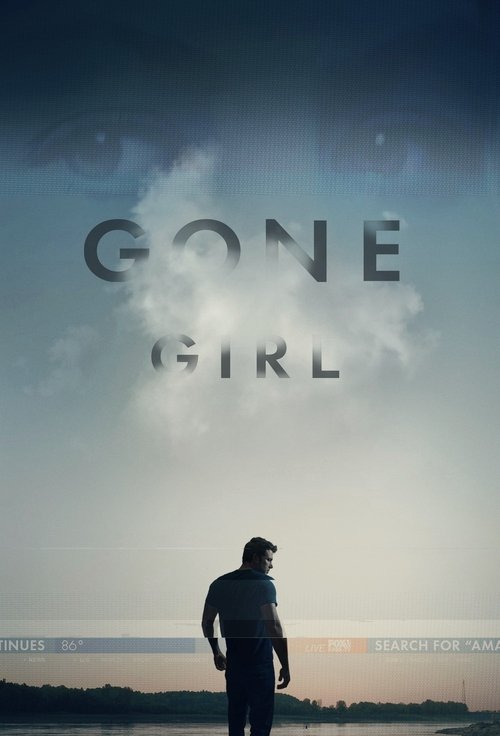
Gone Girl2014
A marriage curdles into a media spectacle of lies and performance, with the same interest in how surveillance — cameras, footage, public image — turns private guilt into public theatre.
But It's slicker and pulpier than Haneke would ever allow himself to be, with twists that prize shock over ambiguity.
The Vanishing1988
A man's obsessive search for his missing girlfriend leads him somewhere genuinely terrifying — a slow, European dread that ends nowhere near comfort, much like Haneke's own refusal to console you.
But Its ending is one of the bleakest in cinema — avoid if you need even a sliver of hope.
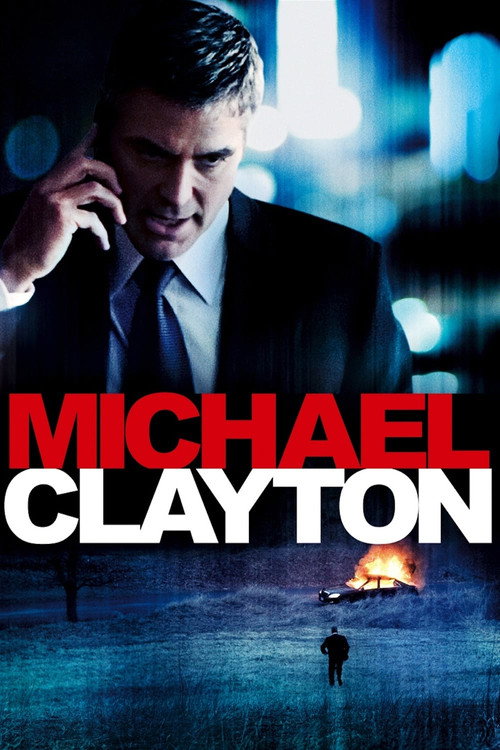
Michael Clayton2007
A corporate fixer's slow moral crack-up, watching a decent man realize how deep the rot runs in the institution he's protected — quieter and more adult than most thrillers dare to be.
But It's a talky legal drama with barely any of Caché's mystery — the tension is all internal, which can feel slow.
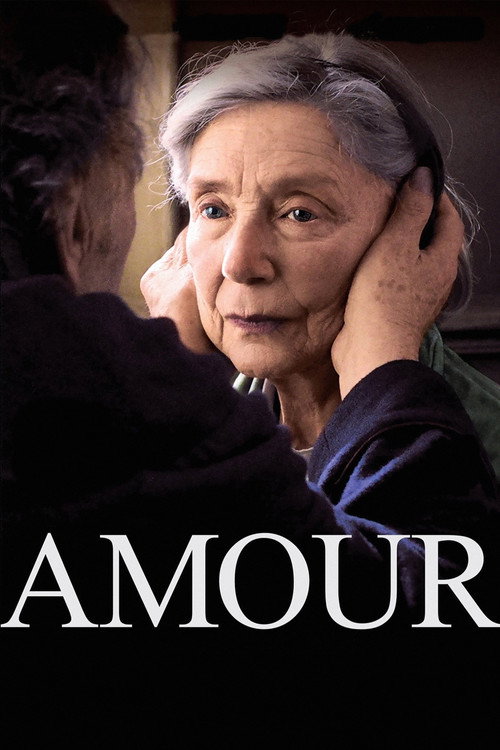
Amour2012
Haneke's own later film trades mystery for something even harder to watch: an elderly couple facing decline together, with the same unflinching camera and refusal to look away from suffering.
But There's no mystery to pull you forward, just an unrelenting, devastating portrait of mortality — bring tissues, not popcorn.
Red Road2006no page yet
A CCTV operator in Glasgow becomes obsessed with a face on her monitors, turning surveillance itself into an engine of grief and vengeance — a smaller, rawer cousin to Haneke's cold gaze.
But It's a much lower-budget British indie, rougher around the edges and less polished than a studio thriller.
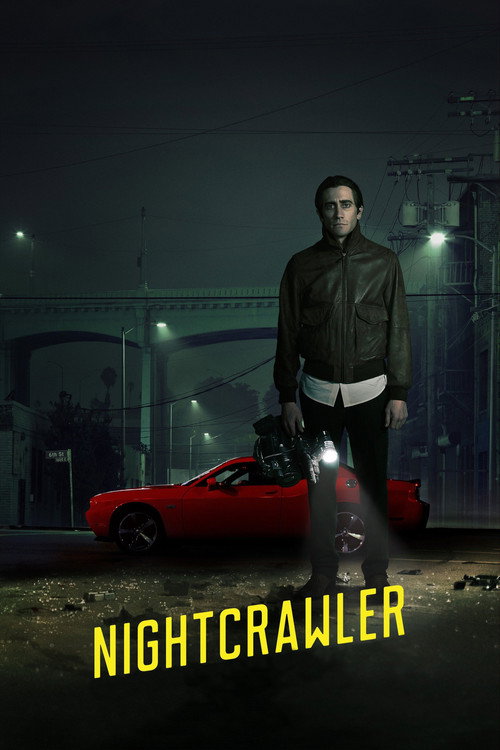
Nightcrawler2014
A sociopathic freelance cameraman chases footage of disaster and violence for profit, turning the camera itself into a predator — a nastier, more American take on watching as power.
But It's flashy and pulpy where Caché is restrained — more character study of monstrous ambition than meditation on guilt.
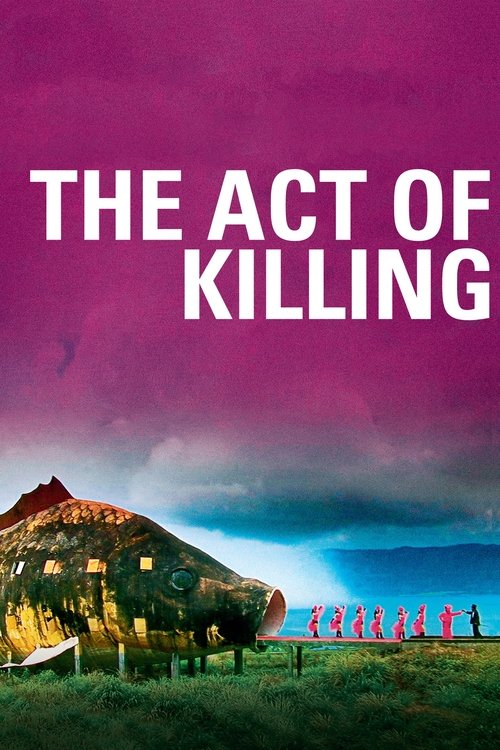
The Act of Killing2012
Where Caché uses fiction to force a man to confront his past, this documentary does it for real — Indonesian death-squad leaders re-enact their own killings on camera, and the footage becomes its own kind of accusation.
Ageing death-squad leaders happily restage their own massacres for the camera, and the act of filming itself starts to crack them open — a real-world version of Caché's central nightmare.
But This is a documentary about real genocide, filmed with the perpetrators' full cooperation — it's disturbing in a way fiction can't quite match, and some will find that unbearable.
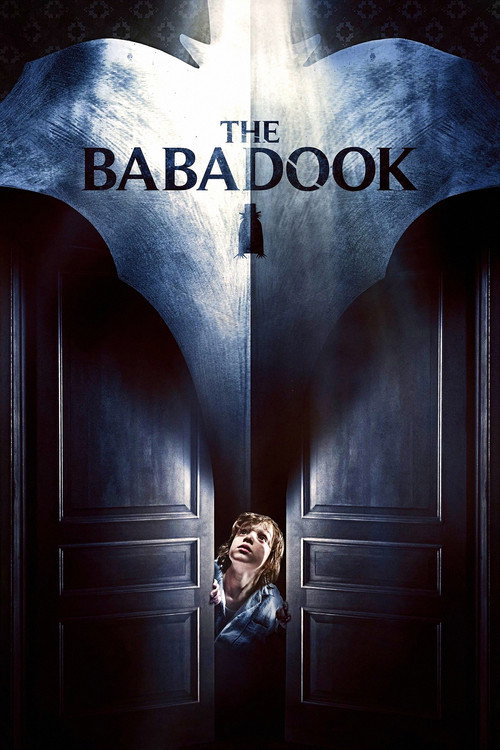
The Babadook2014
Same engine, different costume: a repressed trauma refuses to stay buried and starts manifesting physically in the household, exactly like Caché's videotapes — except here the guilt takes the shape of an actual monster.
A grieving mother's suppressed trauma takes literal, monstrous shape in her home — genre horror doing exactly what Caché does with a straight face, just louder and with claws.
But It's a proper horror film with jump scares and a literal creature — nowhere near as restrained or ambiguous as Haneke's approach.
People
Cast
 Daniel AuteuilGeorges Laurent
 Juliette BinocheAnne Laurent
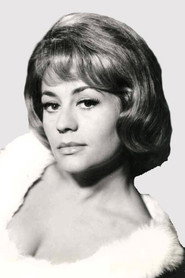 Annie GirardotGeorges's Mother
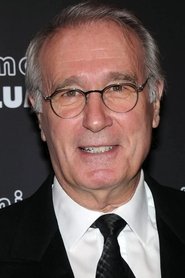 Bernard Le CoqGeorges's Editor-In-Chief
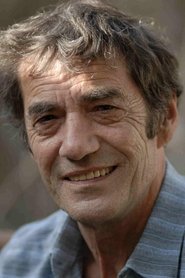 Daniel DuvalPierre
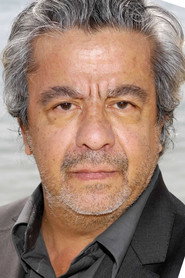 Maurice BénichouMajid
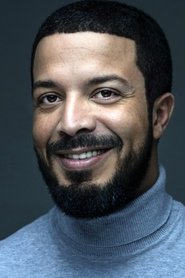 Walid AfkirMajid's Son
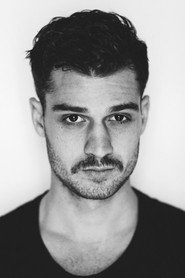 Lester MakedonskyPierrot Laurent
 Nathalie RichardMathilde
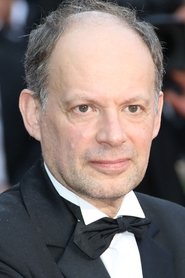 Denis PodalydèsYvon
 Caroline BaehrNurse
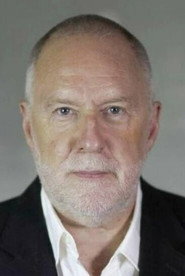 Christian BenedettiGeorges's Father
Directing
- Michael HanekeDirector
- Alain OlivieriFirst Assistant Director
- Katharina BiróFirst Assistant Director
- Kathrin ResetaritsSecond Second Assistant Director
- Moritz von BlücherSecond Second Assistant Director
Writing
- Michael HanekeScreenplay
Production
- Michael AndréAssociate Producer
- Kris Portier de BellairCasting
- Andrew ColtonExecutive Producer
- Margaret MénégozExecutive Producer
- Michael KatzExecutive Producer
- Michael WeberProducer
- Rémi BurahProducer
- Valerio De PaolisProducer
- Veit HeiduschkaProducer