
Film
Chronic
- Medical drama
- Slow-burning
A portrait of a palliative care nurse whose emotional reserves at work leave him depleted for everyone else. Tim Roth gives a quietly devastating performance as a man caught between professional compassion and personal emptiness. It's austere, unsentimental cinema about burnout and isolation—for viewers comfortable with ambiguity and prolonged discomfort.
Should you watch it?
Watch it if you want a quiet character study where a single performance carries everything, and you don't mind a story that refuses to explain its protagonist.
Skip it if you need the plot to move and the emotional beats spelled out, because this is slow, withholding and often uncomfortable to sit inside.
What it asks of you: Ninety-three minutes of patience, with long stretches of quiet and sparse talk; it trusts you to read faces and silences instead of being walked through what you're seeing.
Not sure? Find tonight's pick in a minute.
If you liked this
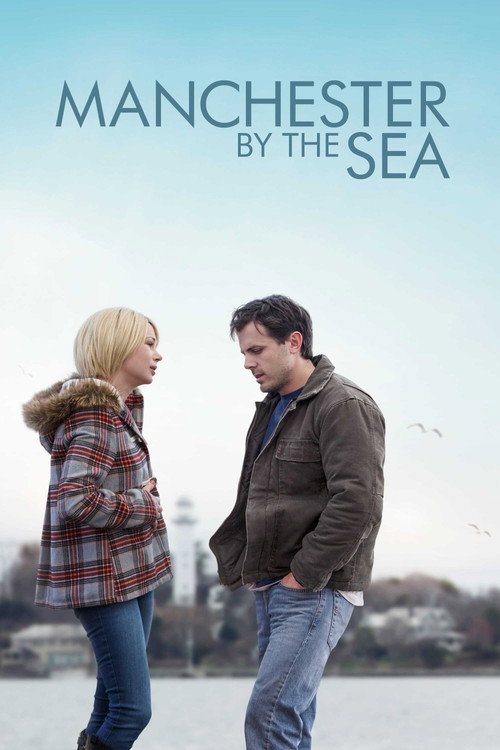
Manchester by the Sea2016
A similarly restrained study of grief and how trauma splinters a man's capacity to connect. Casey Affleck delivers a masterclass in what's left unsaid, and the New England setting mirrors the emotional bleakness.
But Relentlessly bleak. The pacing is glacial and nothing approaching catharsis arrives. If you need your dramas to resolve, this will frustrate you.
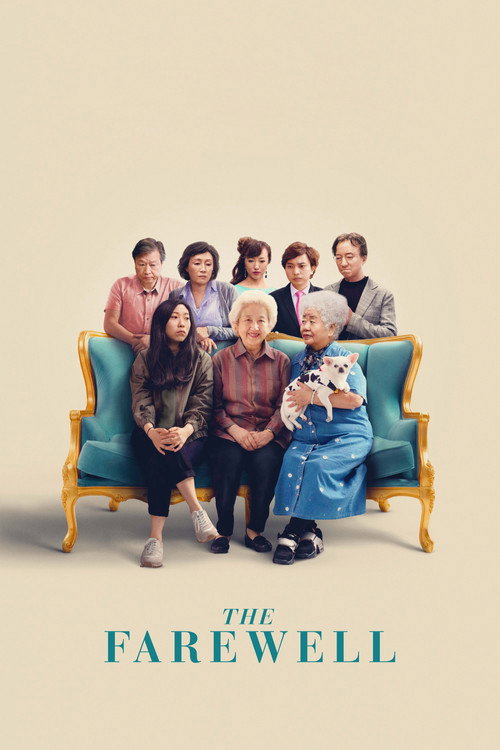
The Farewell2019
Explores care work and family obligation through a different lens—a woman caught between cultures and expectations. It has warmth where Chronic doesn't, but shares that keen eye for how love and resentment entangle.
But Tonal shifts between comedy and pathos that some viewers find jarring rather than earned. The cultural specificity won't resonate equally with everyone.
A Ghost Story2017
Another meditation on presence and absence, grief and disconnection. It's formally bold in ways that match Chronic's willingness to refuse conventional storytelling. Both films trust silence.
But Experimental enough that it risks looking precious. One famous scene—a woman eating pie—will either move you or test your patience severely.

Not sure tonight? Get a pick in a minute, starting from Chronic
The wildcard
Something you would not have found on your own.
Synecdoche, New York2008
Both track the hollowing-out of a man whose professional life is rich but whose personal relationships atrophy; both use their formal choices to enact that emotional distance.
Charlie Kaufman's disorienting masterpiece about a theater director building a simulacrum of life while his real life collapses. Both films explore the gap between professional creation and personal dissolution—Chronic through care work, Synecdoche through art. They share a vision of men unable to bridge the distance between what they give at work and what they have left to give at home.
But Deliberately confusing structure that some call genius and others call self-indulgent. The emotional processing required is substantial and not everyone will meet it halfway.

More like this (8)
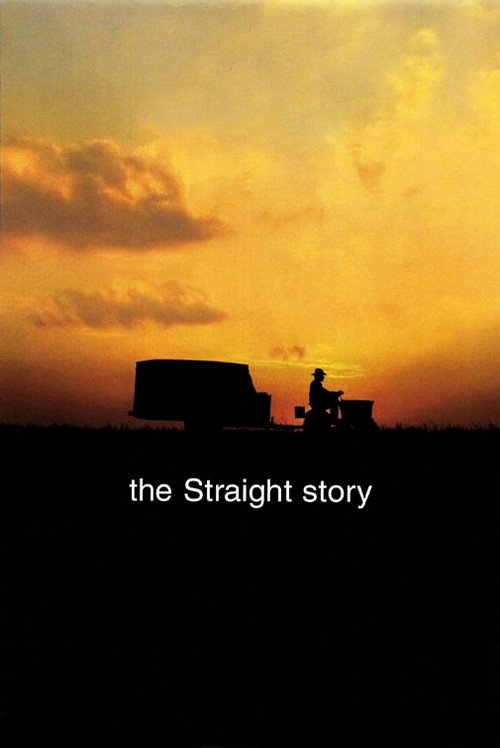
The Straight Story1999
David Lynch's gentlest film, about an elderly man's simple cross-country journey. It shares Chronic's interest in ordinary people navigating quiet heartbreak, and finds grace in small gestures.
But Deceptively slow. The plot is minimal and nothing "happens." If you come to Lynch expecting his usual strangeness, you'll be disappointed.
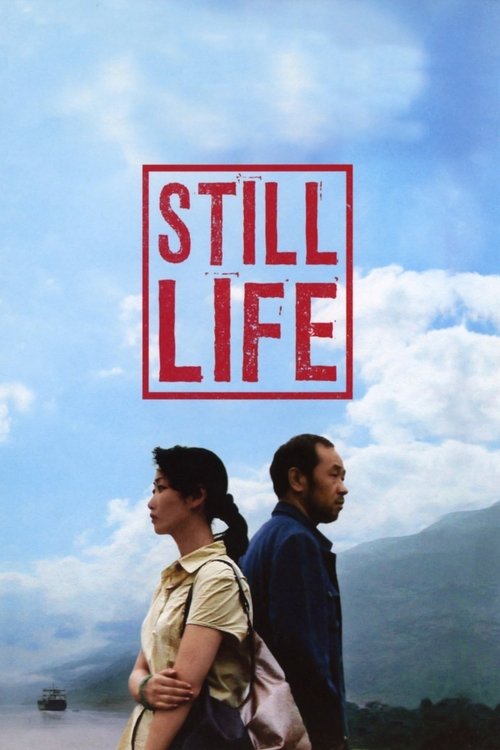
Still Life2006
Jia Zhangke's film about a man searching for his family after the Three Gorges Dam displaces everyone. Like Chronic, it observes emotional disconnection with patience and a documentary-like precision.
But Chinese cinema from a deliberately elliptical director. The pacing is meditative to the point of challenging, and subtitles add another layer of attention required.
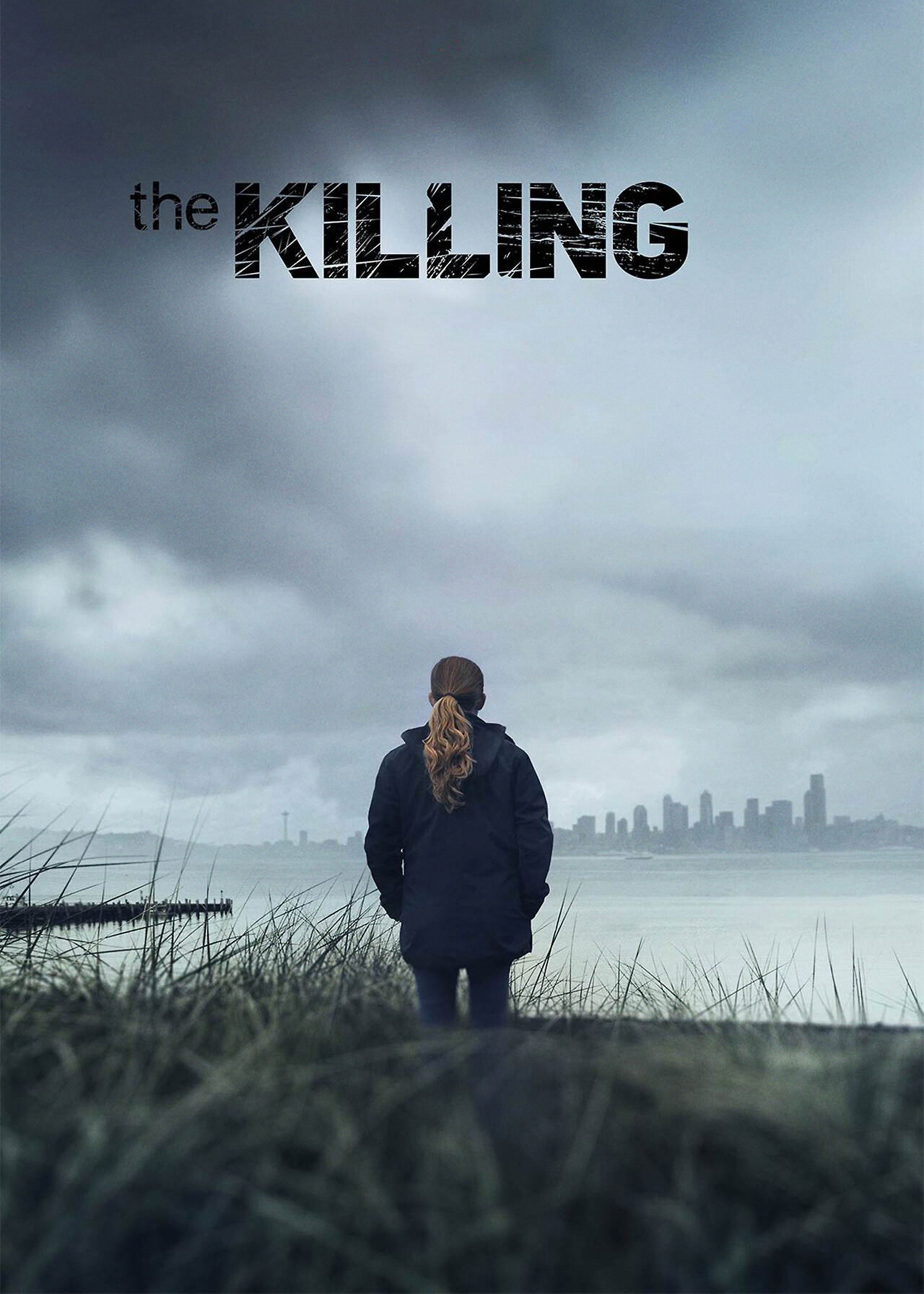
The Killing2011
A Danish crime drama where the investigation matters less than the psychological toll on everyone involved. Sarah Lund's dedication to her work echoes David's professional commitment and personal sacrifice.
But Twenty episodes across two seasons. Heavy commitment, and the plot meanders in ways some find indulgent rather than atmospheric.
Tokyo Story1953
Ozu's masterpiece about aging parents visiting their son in postwar Tokyo. It's about the unbridgeable distance between people who love each other—the emotional architecture Chronic inherits.
But Made in 1953 and it shows. The pacing will feel glacial to modern viewers, and the emotional restraint can read as coldness.

Boyhood2014
Linklater's 12-year chronicle of a boy becoming a man. Like Chronic, it refuses drama in favor of observing how people change imperceptibly, how love and distance coexist.
But Three hours of relatively little happening. The real-time gimmick of aging the cast over 12 years is interesting conceptually but doesn't always justify the runtime.

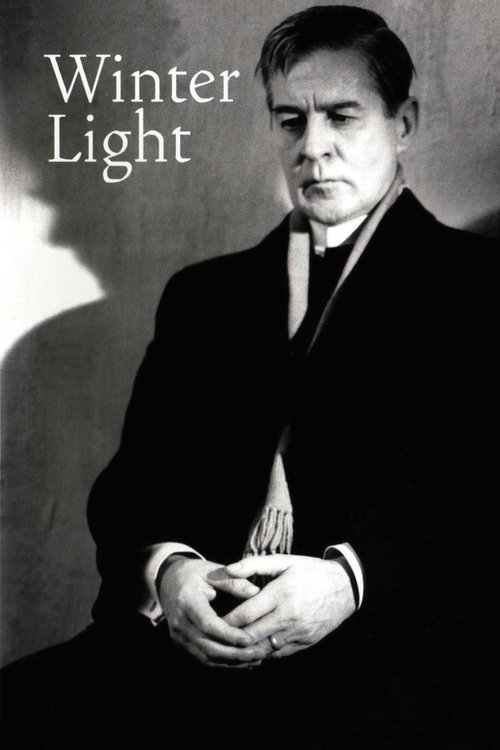
Winter Light1963
Bergman's chamber piece about a minister losing his faith. Sparse, austere, about a man unable to give what's demanded of him—thematically and emotionally close to Chronic.
But Bergman in his bleakest register. Bleak doesn't cover it. No warmth, no reprieve, and at 81 minutes it feels longer than most three-hour films.
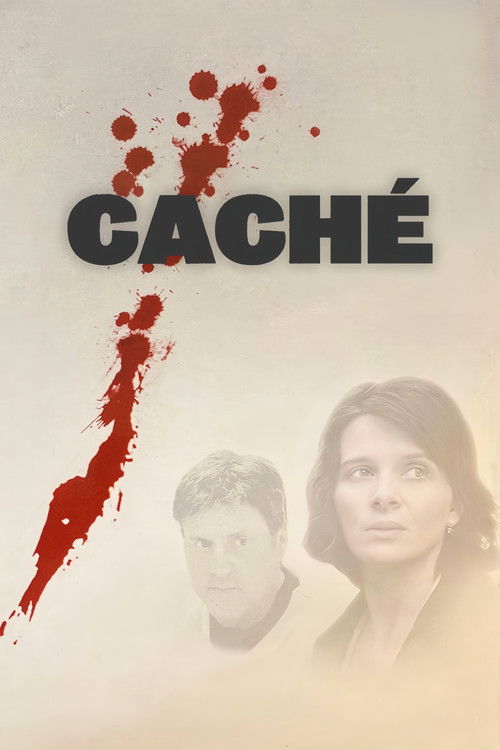
Caché2005
Both employ formal constraint and refusal—Chronic's emotional flatness, Haneke's narrative evasiveness—to make psychological distance visible.
Haneke's thriller about guilt and avoidance told through deliberately withheld information. The tension comes from not knowing, not explaining—exactly Chronic's strategy. Both films believe silence and omission speak louder than confession.
But Frustratingly vague. The mystery is never resolved and some viewers find that deliberately evasive rather than meaningfully ambiguous. It requires you to sit with discomfort.
The Act of Killing2012
Both explore how humans compartmentalize horror—David through professional routine, the killers through narrative denial. Both suggest that some acts leave a person incapable of authentic feeling.
A documentary where Indonesian death-squad leaders recreate their murders for the camera. Like Chronic, it's about the emotional cauterization required to commit violence (of different orders). David's detachment and their unrepentance both suggest people who've severed feeling from action.
But Documentary about real genocide and real killers. Morally and emotionally bruising. The formal playfulness with which it approaches atrocity will feel obscene to some.

People
Cast
 Tim RothDavid
 Sarah SutherlandNadia Wilson
 Robin BartlettMartha
 Rachel PickupSarah
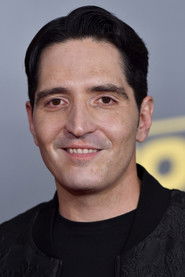 David DastmalchianBernard
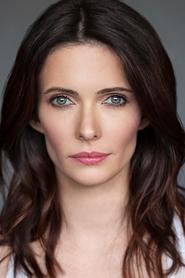 Elizabeth TullochLidia
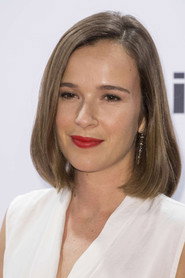 Claire van der BoomAlice
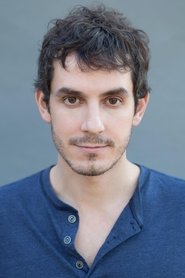 Tate EllingtonGreg
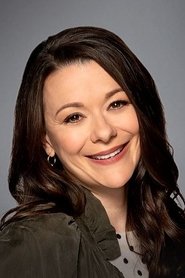 Maribeth MonroeSarah's Niece
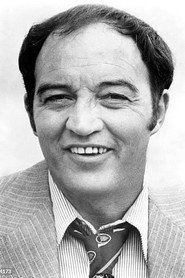 Joe SantosIssac Sr.
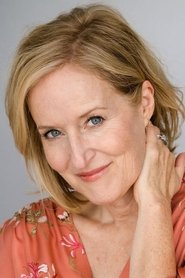 Kari ColemanSarah's Sister
Directing
- Michel FrancoDirector
Writing
- Michel FrancoWriter
Production
- Matthew LessallCasting
- Susan ShopmakerCasting
- Amy GreeneCo-Producer
- David ZonanaCo-Producer
- Chris StinsonLine Producer
- Gabriel RipsteinProducer
- Gina KwonProducer
- Michel FrancoProducer
- Moisés ZonanaProducer
- Amy GreeneProduction Manager