
Film
The Invisible Patients
A quietly powerful documentary following a nurse practitioner and four homebound patients in Evansville, Indiana. Shot with intimacy and restraint, it reveals the hidden landscape of chronic illness and palliative care—the work nobody sees but everyone needs. For anyone curious about what healthcare actually looks like beyond hospitals.
Should you watch it?
Watch it if you are drawn to quiet portraits where the attention stays on ordinary daily routines and the small exchanges between caregiver and patient.
Skip it if you need a plot with turns and a clear arc, since this is a patient, observational record that moves at the speed of home visits.
What it asks of you: Under ninety minutes of unhurried watching, mostly in patients' homes, where long quiet stretches are left to do their own work and steady attention is the main requirement.
Not sure? Find tonight's pick in a minute.
If you liked this
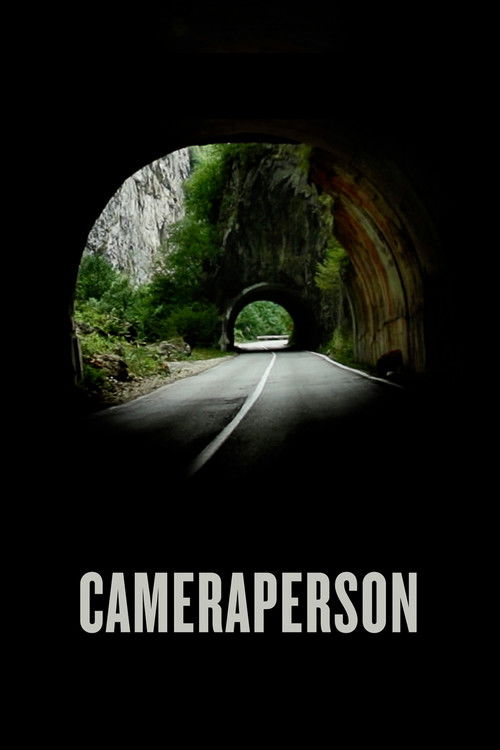
Cameraperson2016
Kirsten Johnson's meditation on what it means to witness suffering through a lens. Like The Invisible Patients, it's a film about looking—about the moral weight of bearing witness to other people's pain and vulnerability.
But Formally experimental and deliberately fragmentary. If you want a conventional narrative arc, this will frustrate you.
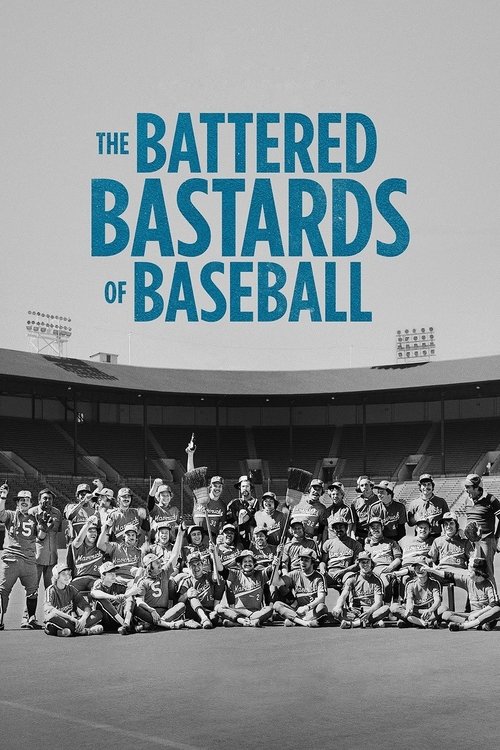
The Battered Bastards of Baseball2014
A documentary that finds extraordinary dignity and humour in overlooked people doing unglamorous work. It shares The Invisible Patients' gift for making the marginalised feel genuinely heroic without sentimentality.
But Sports documentary: if baseball bores you, the subject matter alone might lose you, despite the charm.
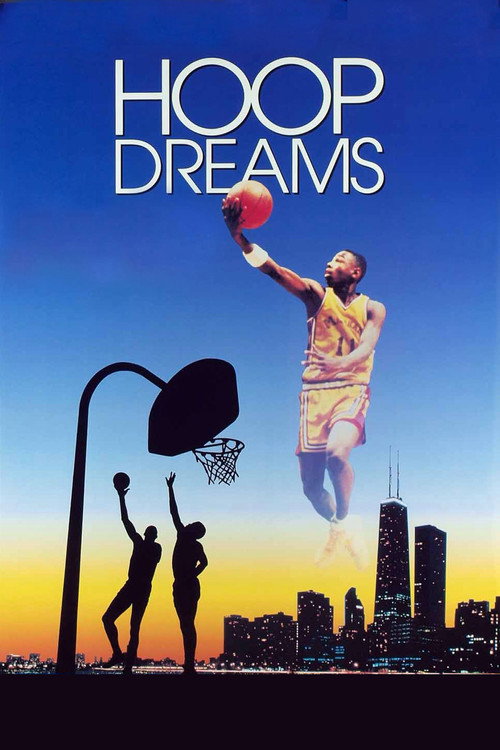
Hoop Dreams1994
A landmark doc that lives inside the everyday lives of two young men over years, watching how systems shape individual futures. The same patient, intimate approach to revealing structural realities through personal stories.
But Nearly three hours. The pacing is deliberately slow, which is the point—but it's a genuine ask of your time.
Not sure tonight? Get a pick in a minute, starting from The Invisible Patients
The wildcard
Something you would not have found on your own.
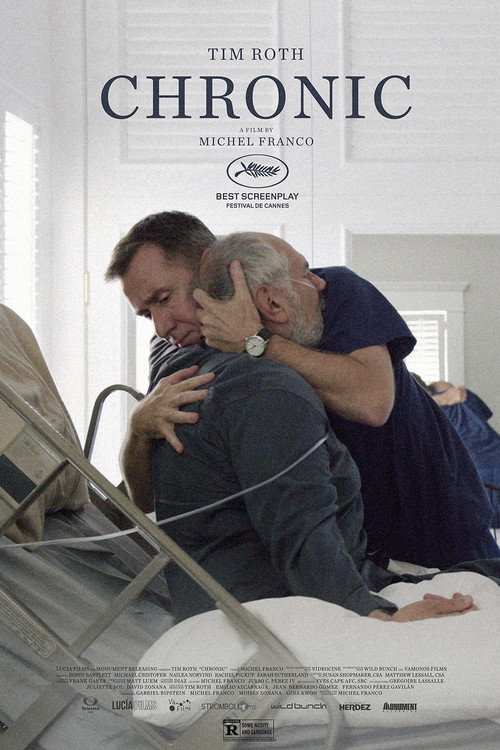
Chronic2015
Same subject, radically different form. Where The Invisible Patients documents reality, Chronic fictionalises the interior life of a caregiver. Together they show two ways of looking at the same essential work.
A Belgian fiction film about a nurse caring for dying patients in their homes—the exact same subject as The Invisible Patients, but rendered as quiet, almost meditative narrative rather than documentary. Watching them together deepens both.
But Extremely slow and sparse. There are long silences and minimal plot. It asks a lot of patience.
More like this (5)
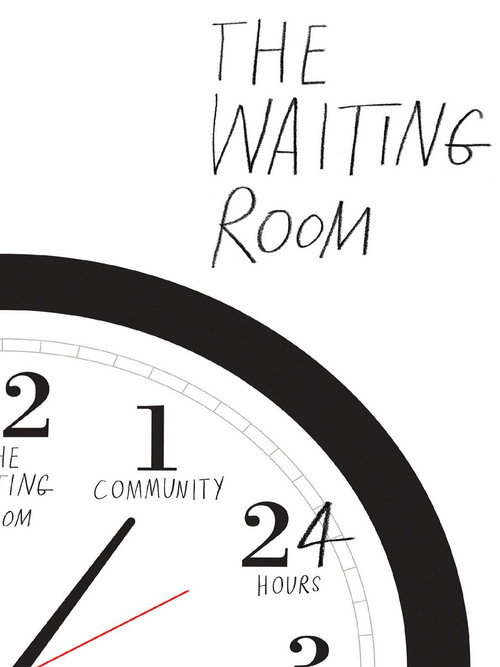
The Waiting Room2012
Shot entirely in a hospital waiting room, it's a portrait of vulnerability and human connection. The same unflinching interest in how people endure and help each other through crisis.
But No plot, no arc, no resolution. Some will find it meditative; others will find it aimless.
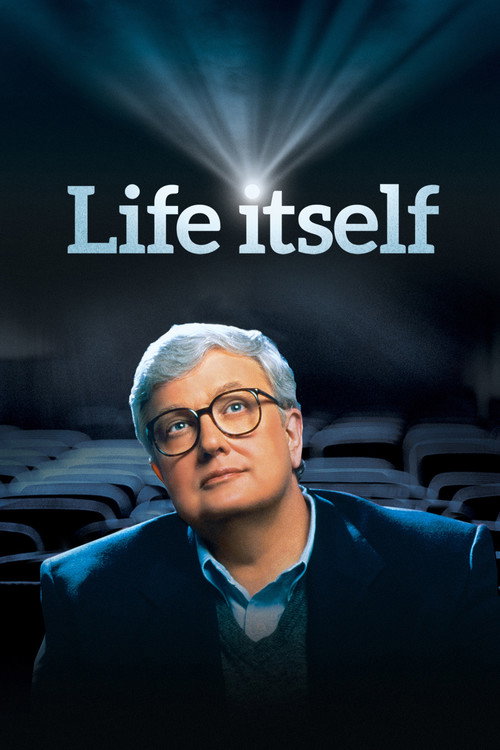
Life Itself2014
Steve James's portrait of Roger Ebert in his final months. Tender and unsentimental, it watches someone living and dying with intelligence and grace—themes that echo through The Invisible Patients.
But A film about decline and mortality. Not for when you need comfort; it asks something harder of you.
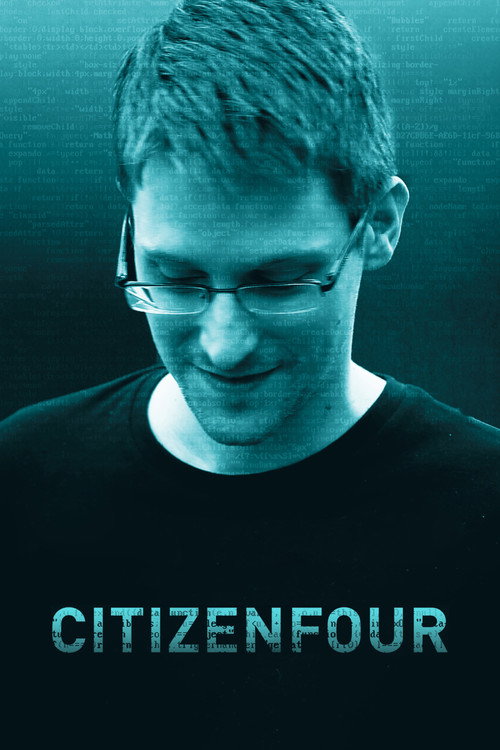
Citizenfour2014
Laura Poitras's urgent, tense doc about Edward Snowden works because of her patient, intimate camera work. Like Invisible Patients, it trusts observation over exposition to tell something true.
But Politically charged and dense with technical information. If you're not interested in surveillance policy, the urgency might feel abstract.
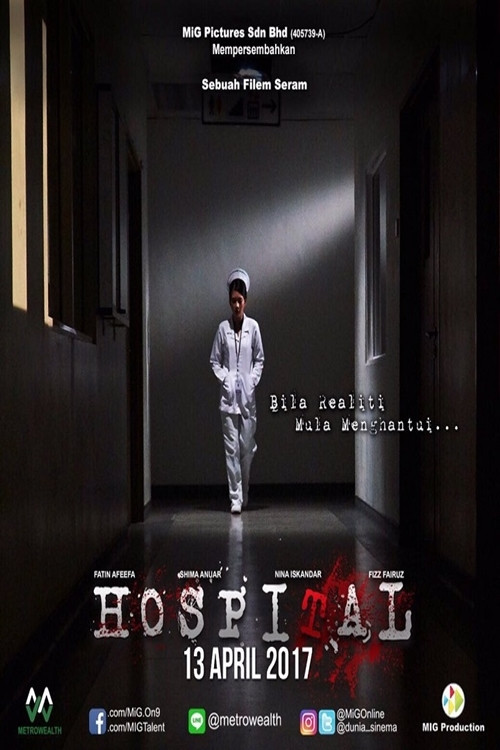
Hospital2017
A Brazilian doc that moves through a public hospital's wards with the same quiet attention to human resilience. It's about systems and individuals, care and survival, shot with deep compassion.
But In Portuguese with subtitles. Long and contemplative; it doesn't hurry to make a point.
The Act of Killing2012
A radically different kind of documentary—experimental, unsettling—but it shares the conviction that watching people carefully reveals moral truths mainstream media won't touch.
But Extremely difficult. It depicts genocide perpetrators; the ethics of the form itself will trouble some viewers.

People
Cast
- Jessica MacleodJessica Macleod
Production
- Patrick O'ConnorProducer