
Film
Near Death
- Medical drama
- Very dark
- Slow-burning
Frederick Wiseman's six-hour documentary observes the Medical Intensive Care Unit at Boston's Beth Israel Hospital, where patients, families, doctors and staff navigate the impossible decisions at the end of life. It's quietly observational, meditative, sometimes harrowing. Not drama or entertainment—a sustained, unflinching look at mortality, medicine and what we owe each other when time runs out.
Should you watch it?
Watch it if you want a patient, unnarrated look at how hard end-of-life choices get made, and you don't mind sitting in hospital corridors while people argue over what is worth prolonging.
Skip it if you need a story with a shape, since nearly six hours of unhurried observation with no narration to point you anywhere can feel like a very long wait.
What it asks of you: Clear most of an afternoon and then some: it runs about six hours, moves at the pace of a ward, and rewards patience more than plot.
Not sure? Find tonight's pick in a minute.
If you liked this
The Invisible Patients2016
This hospital documentary follows a single patient's journey through diagnosis and treatment, capturing the same tender human complexity and institutional machinery that Wiseman finds, but over a compressed timeframe that feels immediate and devastating.
But It's equally slow and patient with silence and mundane moments. If you're looking for narrative momentum or revelation, you'll be disappointed.
Code Blue: The Movie2018
A series that observes emergency medicine in real time, capturing the same ethical dilemmas and split-second decisions that define medical practice, with the added tension of acute crisis rather than chronic decline.
But Shorter episodes mean less meditative depth. The crisis-to-resolution structure is more conventional than Wiseman's refusal to impose meaning.
Cameraperson2016
Kirsten Johnson's essay-documentary uses her decades of documentary footage to meditate on witnessing, death, complicity and the act of filming itself. Philosophical and emotionally raw in ways that echo Wiseman's deeper questions.
But It's fragmented and personal rather than observational. The connections between sequences ask a lot from the viewer.
Not sure tonight? Get a pick in a minute, starting from Near Death
The wildcard
Something you would not have found on your own.
Synecdoche, New York2008
Both are sustained, six-hour investigations into what it means to face the fact of mortality—one through documentary observation, one through increasingly unstable fiction. Both believe that length and difficulty are moral obligations.
Charlie Kaufman's fiction film is a six-hour meditation on art, mortality, and the impossibility of ever truly knowing another person. It has the same obsessive, encyclopedic attention to human behavior and the same refusal to look away from death.
But It's baroque, surreal, self-consciously auteurist. Wiseman's pure observation and Kaufman's dense symbolism work in opposite directions.

More like this (8)
A Brief History of Time1991
Errol Morris's documentary about Stephen Hawking shares Wiseman's interest in how brilliant people grapple with mortality and meaning. Intellectually engaged without ever becoming cold or abstract.
But It's about a physicist contemplating the cosmos, not a hospital ward. If you want human stories of actual patients, this pivots away from that.
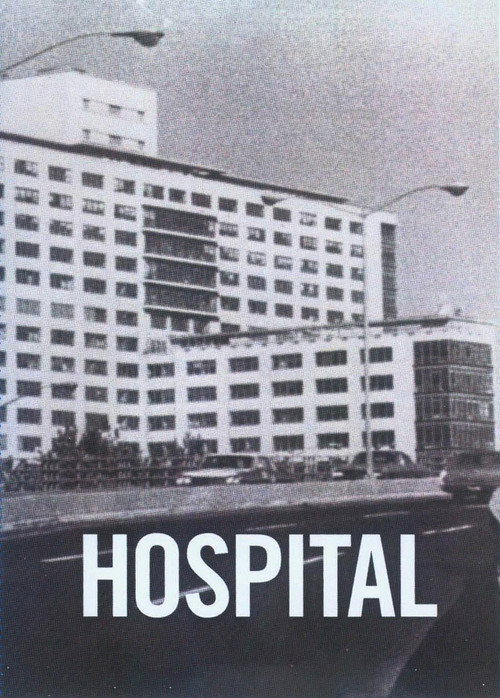
Hospital1970
Frederick Wiseman's own earlier work, observing New York Hospital with the same unflinching eye. If Near Death gripped you, this is the foundation—rawer, more chaotic, less meditative but equally unsparing.
But The image quality is grainier and the pacing even more glacial. Some viewers find his earliest work too austere.
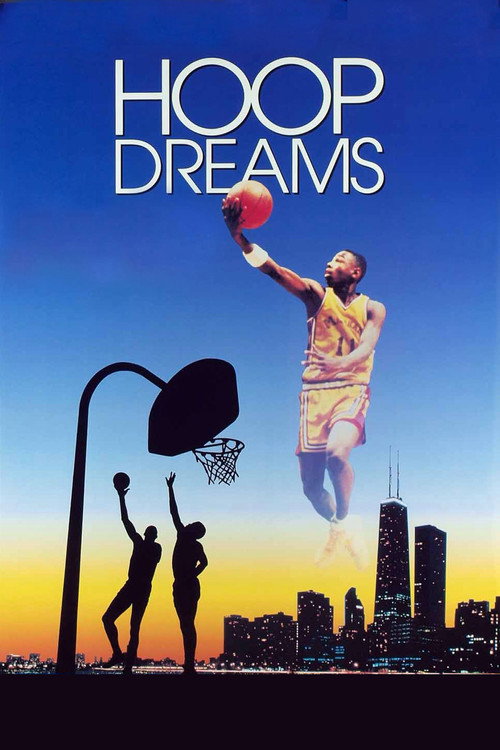
Hoop Dreams1994
Steve James's landmark documentary about two basketball players has the same patient, multi-year observation of institutional forces shaping human lives. Deeply empathetic without sentimentality.
But It's about sports and ambition, not mortality. The length serves narrative momentum rather than meditative observation.
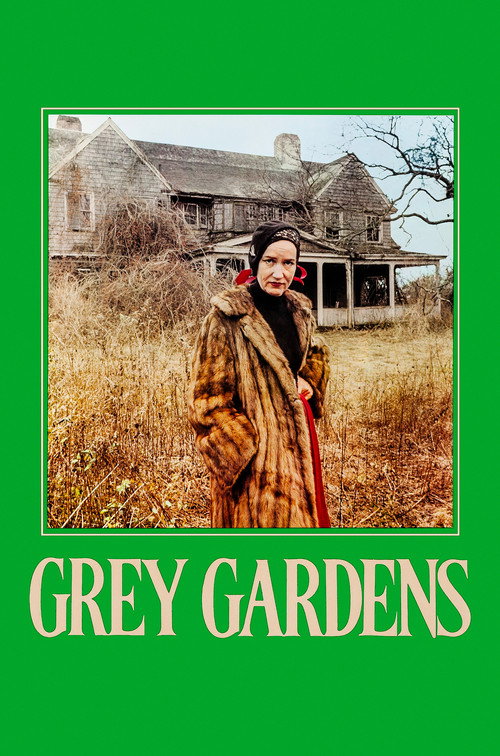
Grey Gardens1976
The Maysles brothers document two women in an abandoned mansion with the same unsettling intimacy Wiseman brings to hospital life. Funny, tragic, impossibly human, and deeply uncomfortable in the best way.
But It becomes Gothic and surreal. If you want clinical observation, the eccentricity and decay might feel like spectacle.
The Act of Killing2012
Joshua Oppenheimer's documentary asks killers to recreate their crimes, forcing confrontation with moral weight and the performance of self. Different subject, same unflinching interrogation of difficult human realities.
But It's philosophically challenging and occasionally grotesque. The form can feel manipulative in ways Wiseman's pure observation avoids.

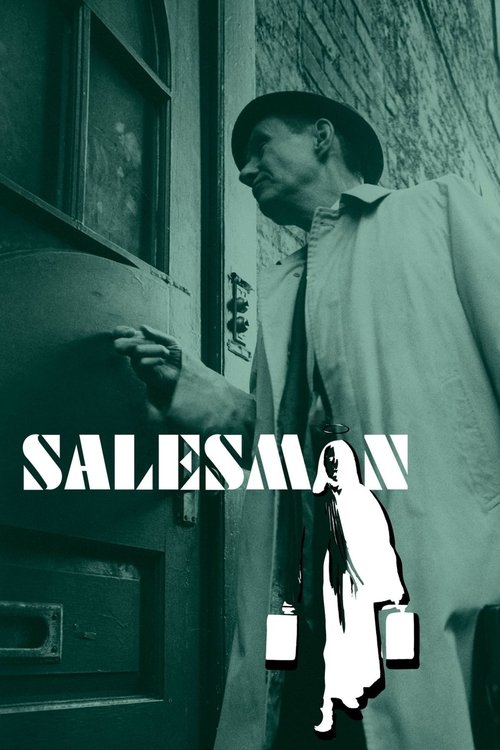
Salesman1969
Wiseman's 1969 documentary about Bible salesmen has his same investigative patience and dark humor about human nature. A masterpiece of institutional and personal observation.
But The subject matter is completely different. If you're specifically drawn to medical ethics, this will feel like a detour.
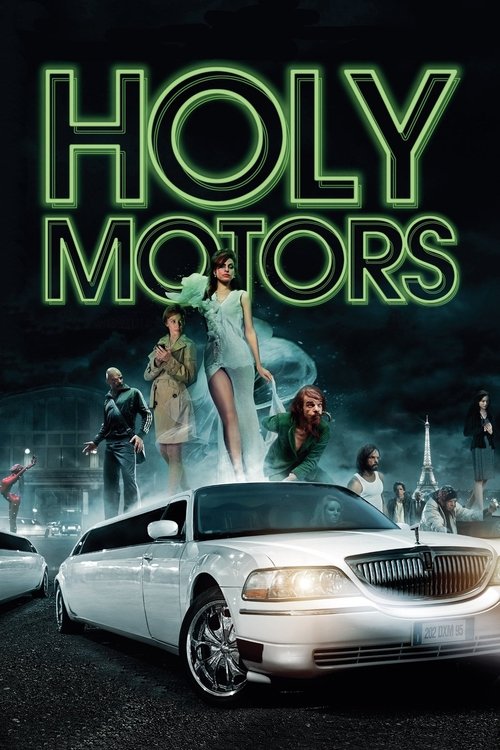
Holy Motors2012
Where Wiseman observes people forced by circumstance to reveal themselves, Carax shows people constructing multiple selves. Both interrogate how much we can ever really see another person, but from opposite angles.
Leos Carax's surreal fable about an actor moving through the city in various personas is about performance, identity and what we present to the world. Strange and visually spectacular, but underneath it's about human connection and transience.
But It's dreamlike and cryptic. If you want clarity and reality, this abstracts everything into metaphor and mystery.
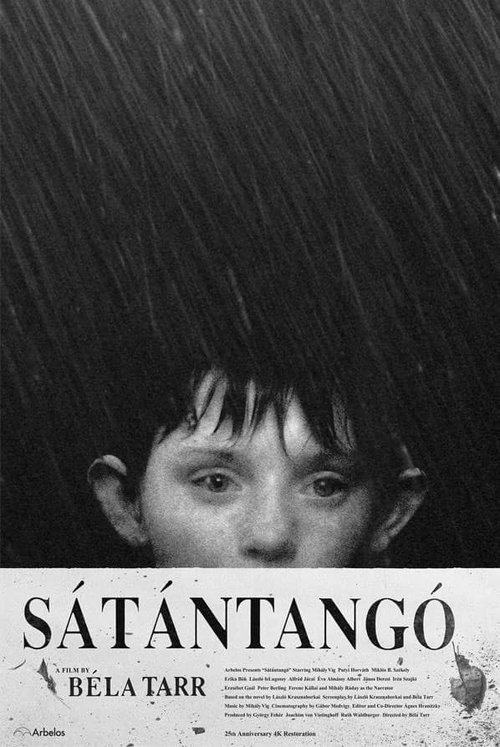
Satantango1994
Both are long-form meditations on human fragility, decay and the approach of death. Both trust their viewers to sit in discomfort and find meaning in accumulated detail rather than narrative shape.
Béla Tarr's seven-and-a-half-hour Hungarian film follows broken people in a decaying community, with the same slow, compassionate gaze and the same refusal to provide comfort or resolution. Bleak, but shot through with unexpected grace.
But It's in Hungarian with subtitles, shot in grainy black and white, and moves at the pace of a funeral. The bleakness is total and unrelenting.
People
Directing
- Frederick WisemanDirector
Production
- Frederick WisemanProducer
- Nancy SimonianProduction Assistant
- Richard GliklichProduction Assistant