
Film
Titicut Follies
Frederick Wiseman's debut documentary drops you inside Bridgewater State Hospital with no narrator, no music, no comforting distance — just camera and consequence. Naked men paraded, force-fed, mocked; the banality of institutional cruelty laid bare in unbroken observational takes. It's not entertainment so much as evidence, and it was banned in Massachusetts for over twenty years. Essential, but brutal.
If you liked this
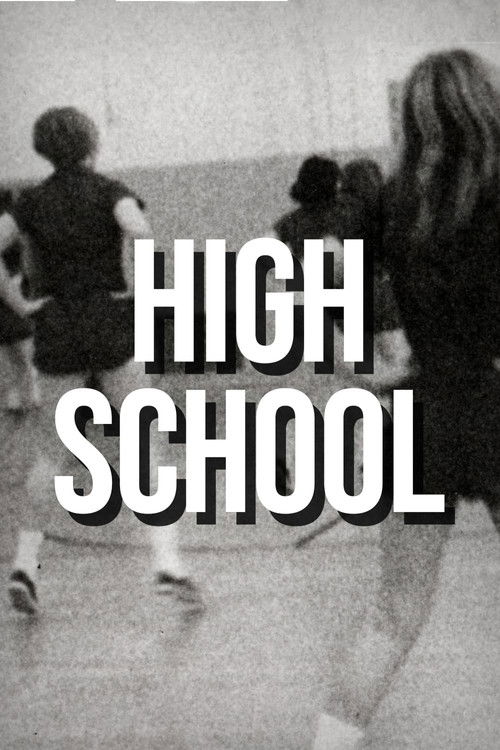
High School1969
Wiseman's very next film, same unblinking camera turned on a suburban high school — no interviews, no score, just power structures quietly revealing themselves through routine humiliations.
But The stakes are lower and the pace just as patient, so if Titicut Follies wore you out, this won't recharge you.
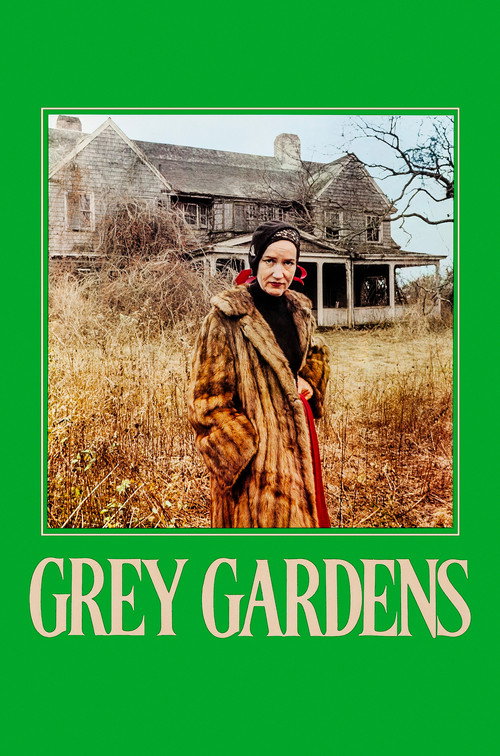
Grey Gardens1976
The Maysles brothers' fly-on-wall classic, gorgeously strange and tender, about two reclusive women in a crumbling East Hampton mansion — the same commitment to just watching, minus the institutional cruelty.
But It's eccentric and affectionate where Wiseman is clinical and damning; the tonal jump might feel like whiplash.
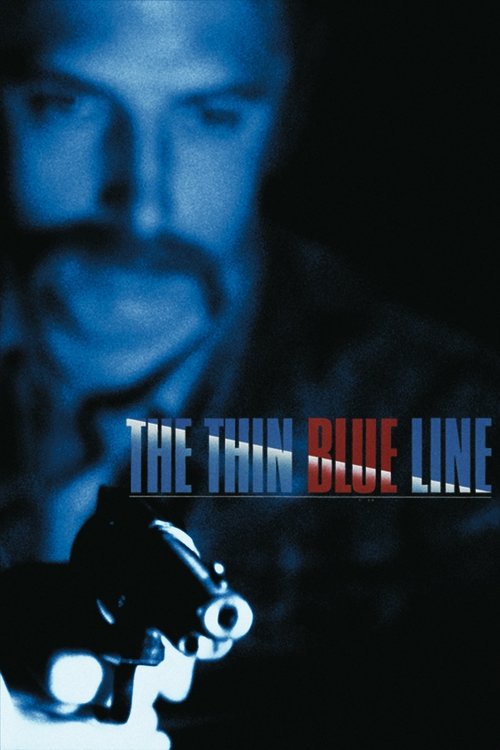
The Thin Blue Line1988
Errol Morris turns documentary into interrogation, using stylised recreations and unreliable testimony to unravel a wrongful conviction — a different weapon aimed at the same target: institutional failure.
But Morris's formal tricks and moody score are the opposite of Wiseman's austerity; some find the style intrusive.
The wildcard
Something you would not have found on your own.
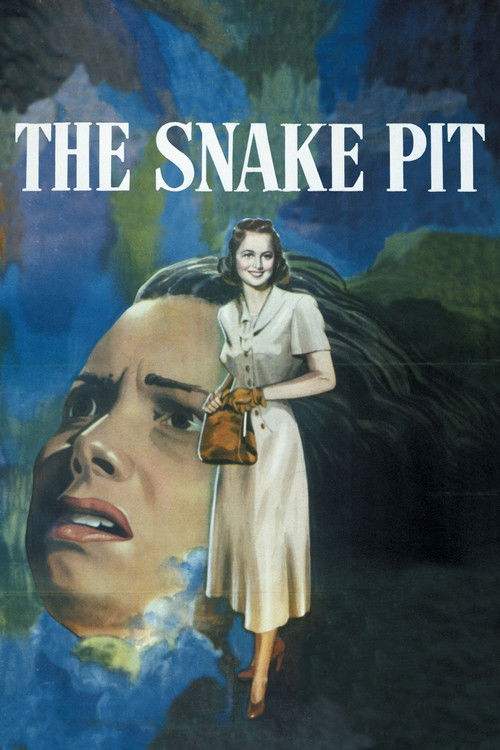
The Snake Pit1948
Same institution, same abuses, decades earlier — proof that fiction was allowed to show what documentary got banned for showing, and that outrage can move policy either way.
A mainstream Hollywood melodrama that dared to show asylum abuse nearly twenty years before Wiseman's camera got inside one — overcrowded wards, straightjackets, cold baths — and it actually changed state laws.
But It's a studio picture with a score, a star performance, and a redemptive arc; the horror is real but it's also, unmistakably, entertainment.
More like this (8)
Harlan County U.S.A.1976
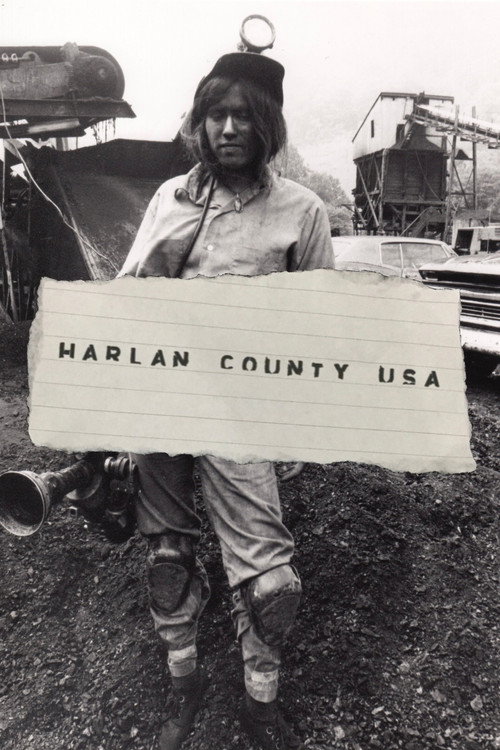
Barbara Kopple embeds with striking coal miners and the film seethes with the same up-close, unmediated anger at power — you feel embedded rather than briefed.
But It's a labour film, not an institution-set one, so the connection is more in spirit than setting.
Dark Days2000
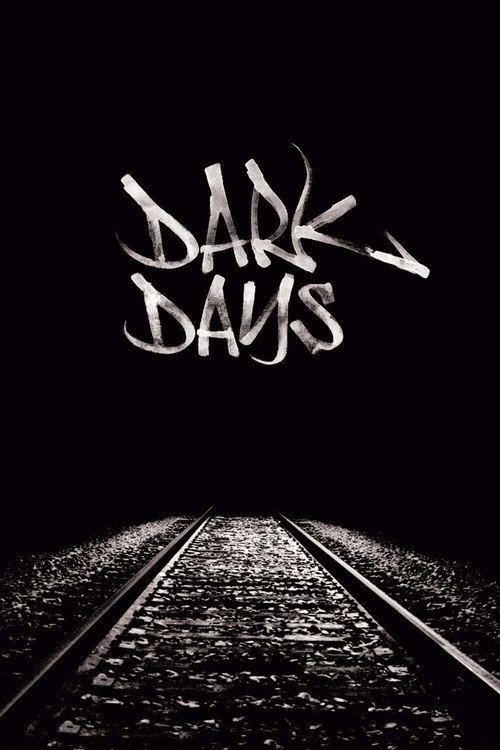
Marc Singer lived with his subjects — people sheltering in Manhattan's subway tunnels — and the result has the same patient, camera-as-witness intimacy without a hint of exploitation.
But Its warmth and hopeful ending sit at odds with Titicut Follies' bleakness; don't expect the same gut-punch.
One Flew Over the Cuckoo's Nest1975
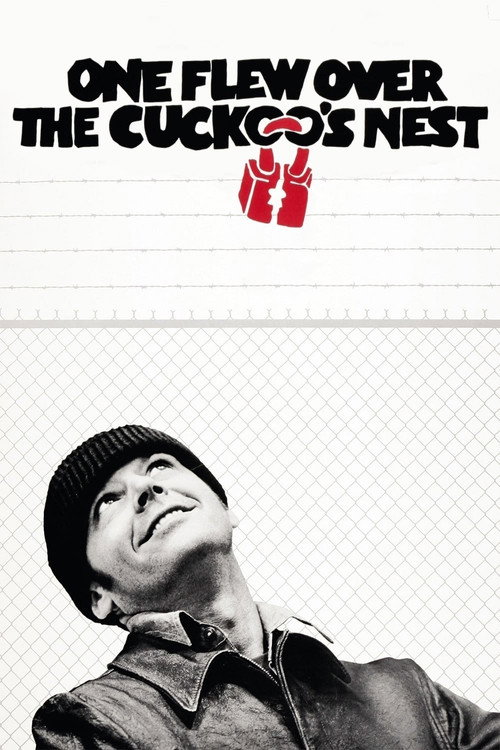
The fictional flip side — same asylum walls, same petty tyrannies, but shaped into a starring vehicle with a plot and a hero, for anyone who wants the outrage with a story attached.
But It's Hollywood, however smart; the cruelty is dramatized, softened by charisma and craft in ways Wiseman refuses.
The Farm: Angola, USA1998
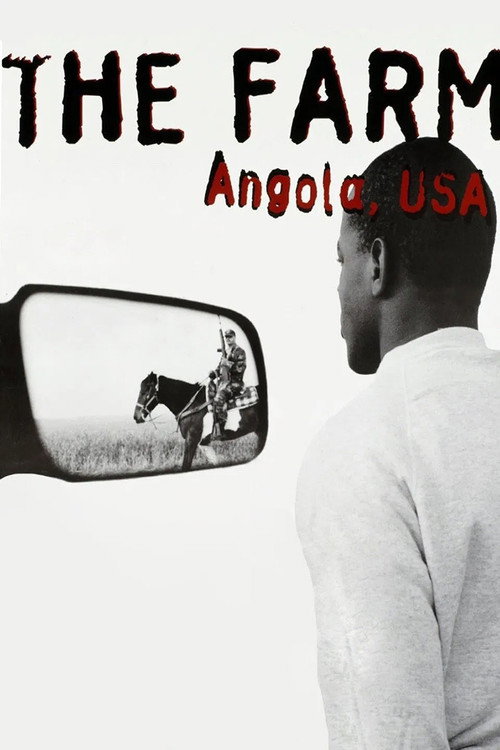
An unflinching look inside Louisiana's Angola prison, following inmates through daily routines, parole hearings, and death row appeals with the same steady refusal to ever look away.
But It's more structured, with talking-head interviews Wiseman would never allow; less pure, more openly explanatory.
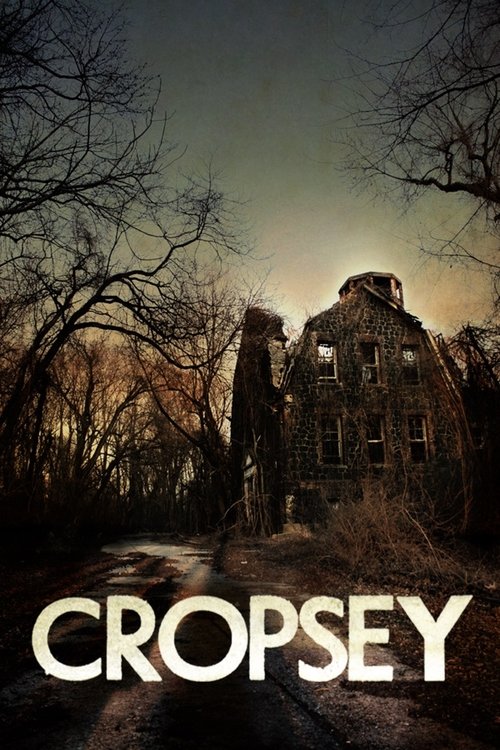
Cropsey2010
A true-crime documentary that uncovers the buried history of a real Staten Island institution for the disabled, and the horror seeps out from underneath a missing-child mystery.
But It leans into true-crime pacing and speculation that Wiseman's cold observational method would never touch.
Near Death1989no page yet
Another Wiseman film, six patient hours in a Boston ICU, watching doctors and families face death with the same total absence of narration or manipulation.
But The six-hour runtime is a serious commitment, and the subject is quieter grief rather than institutional abuse.
Ratched2020no page yet
It's the tonal opposite: where Wiseman refuses spectacle, Ratched is nothing but spectacle, using the same institutional horror as pure genre pleasure — a useful gauge of how far dramatization can drift from the thing itself.
A glossy, blood-soaked Netflix prequel to Cuckoo's Nest, all lurid colour and camp horror, that takes the same asylum-as-nightmare setting and cranks it into full melodrama.
But It is trashy where Titicut Follies is austere — style over substance, gore over grief — and some will find that disrespectful to the real subject.
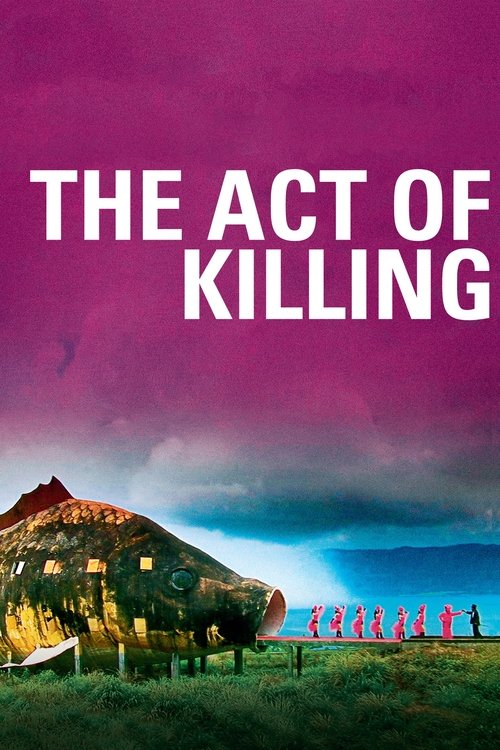
The Act of Killing2012
Both films sit inside the same uncomfortable question — what does the camera do to the people in front of it, and what does it mean to film the powerful behaving as if no one's watching?
Joshua Oppenheimer gets Indonesian death-squad leaders to reenact their own killings on camera, and the result is one of the most morally disorienting documentaries ever made.
But It's longer, stranger, and more conceptually daring than Wiseman's direct style; the surrealism can feel like it's aestheticising atrocity.
People
Recommended by
One Flew Over the Cuckoo's Nest, A Clockwork Orange, Shutter Island, City Hall, Girl, Interrupted, Grey Gardens, Twelve Monkeys, The Cove, Zero for Conduct, The Hospital, Collective, The Snake Pit, Athlete A, The Farm: Angola, USA, Splendor in the Grass, High School, Scum, Let There Be Light