
Film
The Hospital
Paddy Chayefsky's script turns a Manhattan teaching hospital into a slaughterhouse of bureaucratic indifference, and George C. Scott plays the chief of medicine unraveling inside it. It's darkly funny and genuinely alarming, a comedy that keeps interrupting itself with despair. Watch it if you like your satire vicious and your institutions convincingly rotten — this is 1971 rage dressed up as farce.
If you liked this
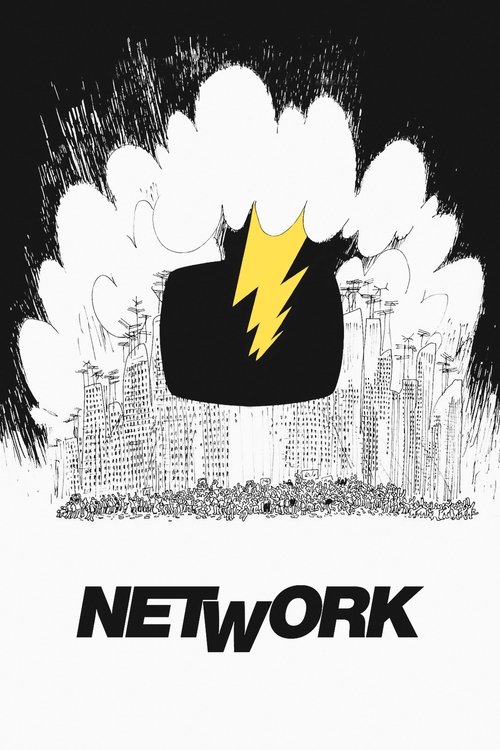
Network1976
Chayefsky's other great howl of institutional fury, this time aimed at television instead of medicine — same restless intelligence, same belief that American systems have gone quietly insane.
But The famous 'mad as hell' speech is so iconic it can overshadow how strange and bleak the rest of the film actually is.
M*A*S*H1970
Altman's army hospital comedy shares Bock's exact cocktail — surgeons cracking jokes over bodies because the alternative is screaming — released the year before Chayefsky's script hit screens.
But The anarchic improvisational style and constant overlapping dialogue can feel loose and unfocused if you want tighter plotting.

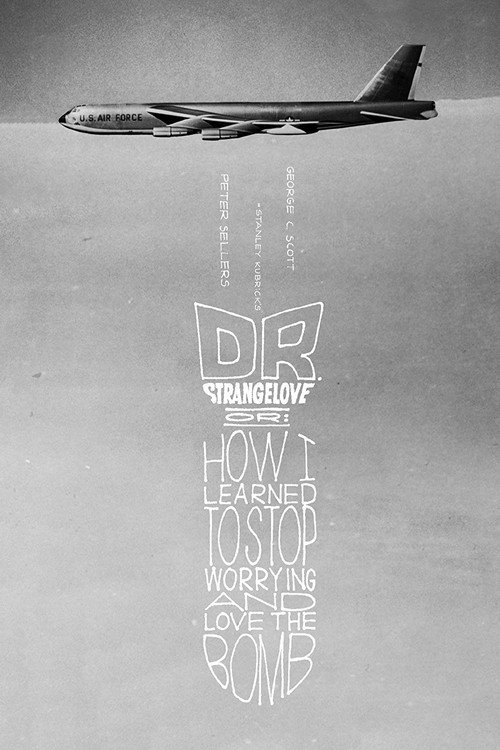
Dr. Strangelove or: How I Learned to Stop Worrying and Love the Bomb1964
Kubrick got there first: institutions run by brilliant, broken men sliding toward disaster while everyone keeps making jokes. The blueprint for laughing at the apocalypse.
But It's a Cold War satire through and through — the specific dread it's built on has dated even if the comedy hasn't.
The wildcard
Something you would not have found on your own.
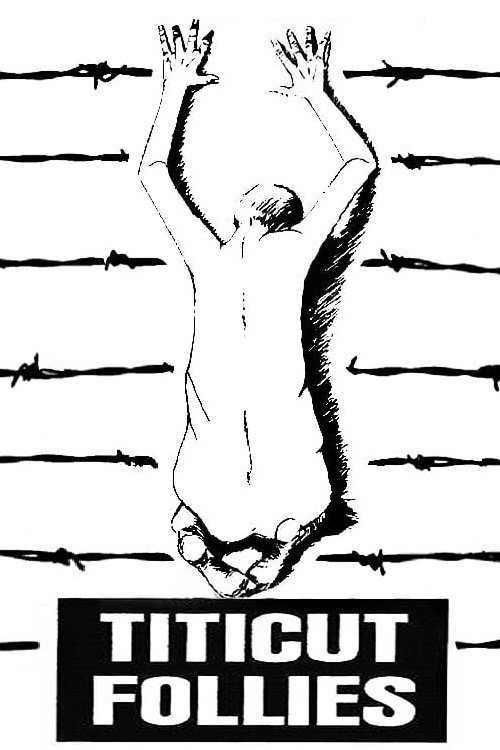
Titicut Follies1967
The Hospital is a satire about an institution failing the people inside it; this documentary, made four years earlier, is the unfiltered reality that satire was reacting to.
Frederick Wiseman's real footage from inside a Massachusetts state hospital for the criminally insane — banned for over twenty years — shows the institutional indifference Chayefsky satirized, except nobody's joking and nobody's acting.
But It's genuinely distressing, unstaged and unsentimental; there's no dark comedy here to soften what you're watching.
More like this (8)
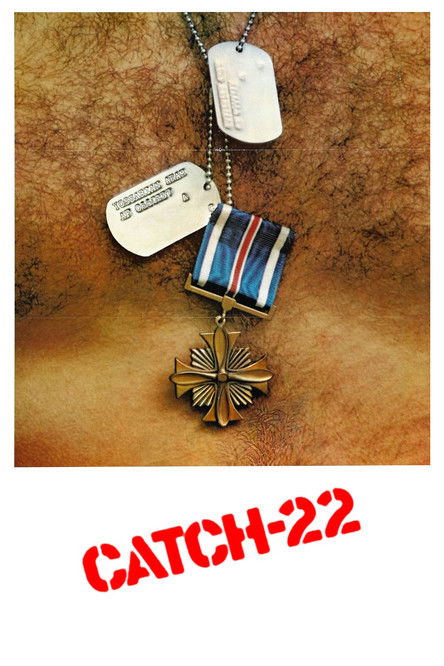
Catch-221970
Same year, same bureaucratic nightmare logic — an institution so absurd that sanity starts to look like the disorder. Mike Nichols directs it like a fever dream.
But Its structure is deliberately disorienting and fragmented, which some viewers find brilliant and others find simply exhausting.
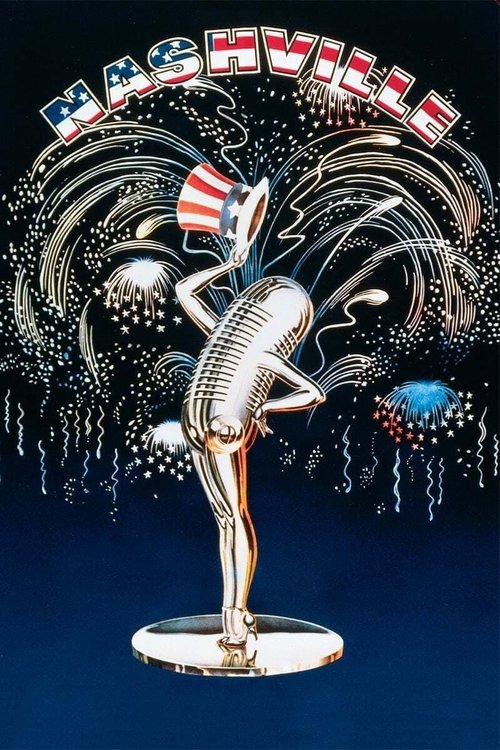
Nashville1975
Altman's sprawling portrait of American institutions curdling into spectacle, told through two dozen intersecting lives instead of one furious doctor. Same decade, same disgust, wider lens.
But There's no single figure to hold onto like Scott's Bock — the ensemble format asks patience rather than immediate connection.
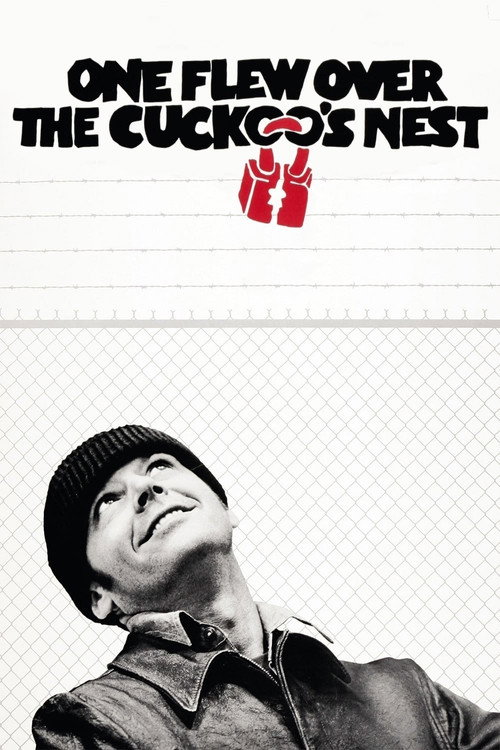
One Flew Over the Cuckoo's Nest1975
Swap hospital administration for a psychiatric ward and Bock's despair for McMurphy's rebellion — same fury at institutions that flatten the people inside them.
But It's heavier and more purely tragic than Chayefsky's black comedy; the laughs run out much sooner.
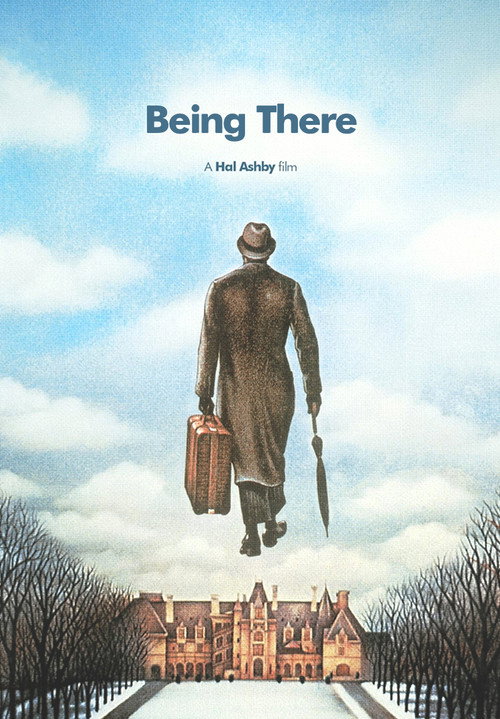
Being There1979
A quieter, stranger cousin — American institutions revealed as gullible and absurd, played completely straight by Peter Sellers at his most inscrutable.
But It's a slow burn built on deadpan rather than Chayefsky's rants — if you want shouting matches, this isn't it.
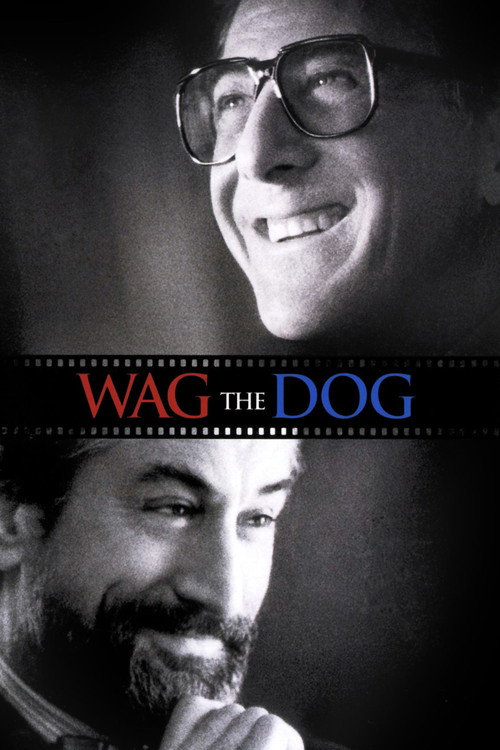
Wag the Dog1997
Institutional cynicism updated for the spin-doctor era: the machinery of American power revealed to be improvised nonsense held together by desperate men. Fast, funny, cruel.
But It's slicker and less angry than Chayefsky — more caper comedy than howl of despair.
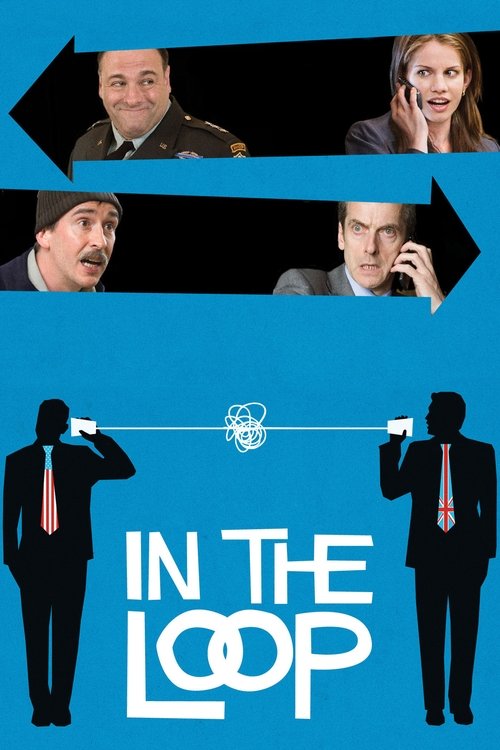
In the Loop2009
Proof the genre never died: government bureaucracy as farce, careers and wars decided by idiots in meeting rooms. Chayefsky's DNA filtered through British profanity.
But The rapid-fire insult comedy and thick accents can be a barrier if you're not already fluent in that register.
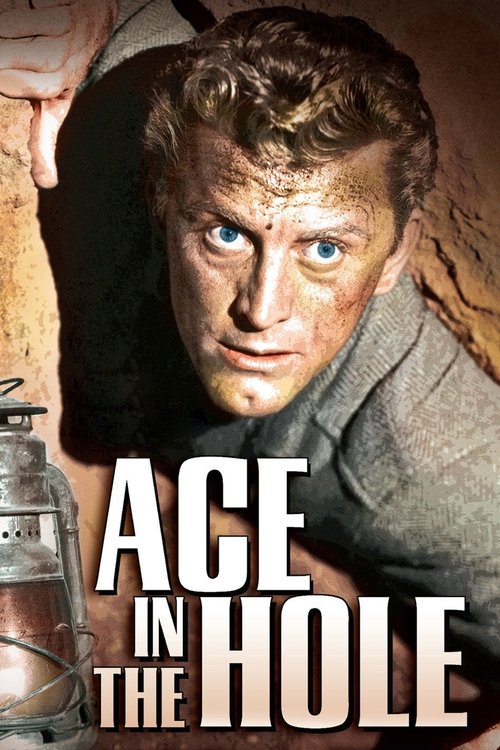
Ace in the Hole1951
Both films are furious about institutions and professionals who dress self-interest up as duty; Wilder got there first and never let anyone off the hook either.
Billy Wilder's cynical masterpiece about a reporter exploiting a man trapped underground for his own career — the same professional-class rot Chayefsky diagnosed, twenty years earlier and in black and white.
But It's a much colder, quieter film — no farce, no jokes, just Kirk Douglas being magnificently awful.
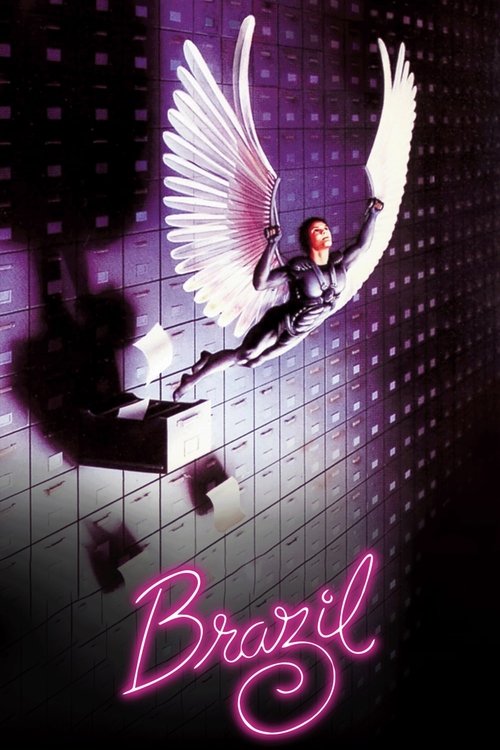
Brazil1985
Swap the hospital for a totalitarian bureaucracy and Bock's despair for Sam Lowry's, and you get the same engine — institutional absurdity crushing an individual — running in a completely different genre costume.
Terry Gilliam takes the exact same premise — a sane man drowning in an institution's paperwork and cruelty — and rebuilds it as dystopian science fiction, all ductwork and bureaucratic nightmare.
But The tone is far more surreal and visually chaotic than Chayefsky's grounded realism; it's a different kind of ride entirely.
People
Cast
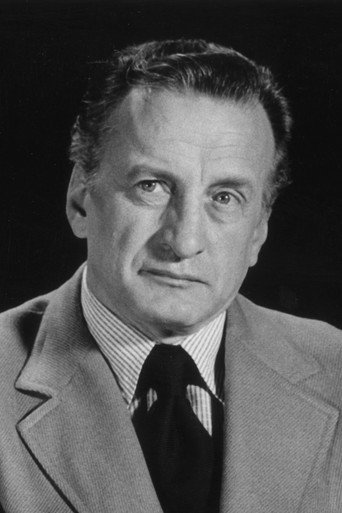 George C. ScottDr. Herbert Bock
 Diana RiggBarbara Drummond
 Barnard HughesDrummond
 Richard DysartDr. Welbeck
 Stephen ElliottDr. Sundstrom
 Donald HarronMilton Mead
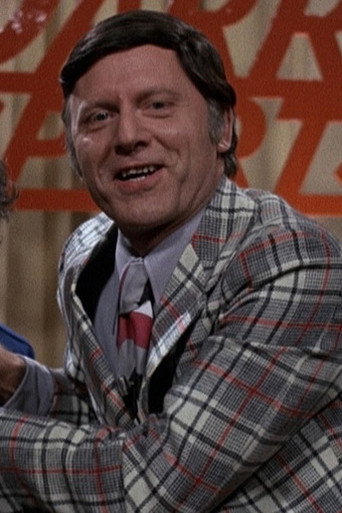 Andrew DuncanWilliam Mead
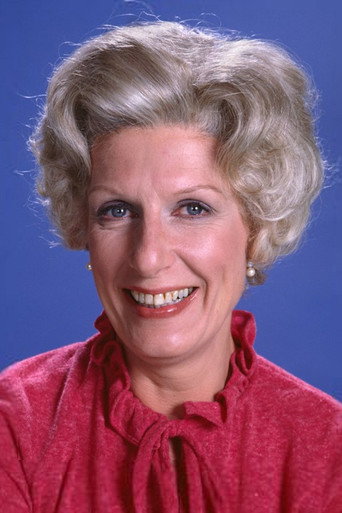 Nancy MarchandMrs. Christie
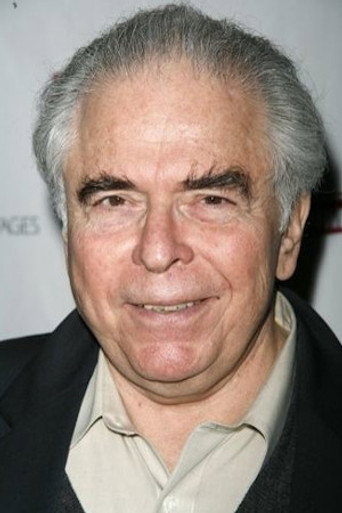 Jordan CharneyHitchcock
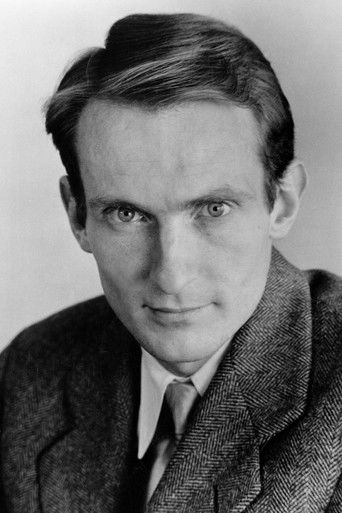 Roberts BlossomGuernsey
 Lenny BakerDr. Schaefer
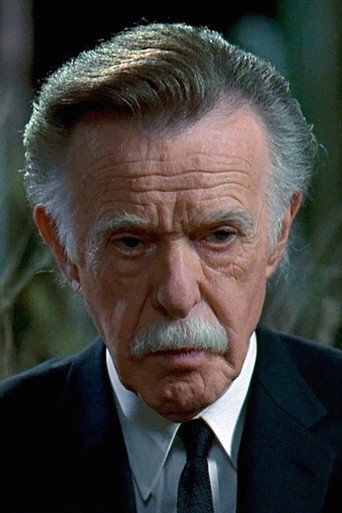 Richard HamiltonDr. Ronald Casey
Directing
- Arthur HillerDirector
- Peter R. ScoppaFirst Assistant Director
- Barbara RobinsonScript Supervisor
- Larry Y. AlbucherSecond Assistant Director
Writing
- Paddy ChayefskyWriter
Production
- Florence NerlingerAssociate Producer
- Jack GrossbergAssociate Producer
- Marion DoughertyCasting
- Sybil ReichExtras Casting
- Howard GottfriedProducer
- Paddy ChayefskyProducer
Recommended by
M*A*S*H, Getting On, Chicago Hope, ER, St. Elsewhere, Lenox Hill, New Amsterdam, The Waiting Room